
Hear from Our Customers
Your patio cost real money. So does cooling your home when the Texas sun beats through every window from May through September.
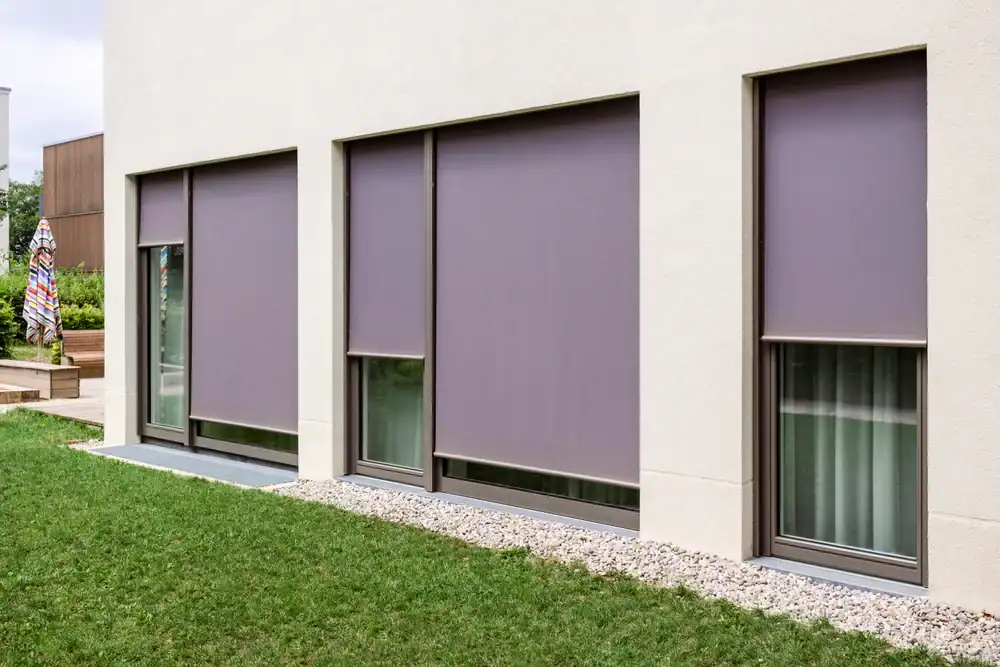
Exterior roller shades stop solar heat before it ever reaches your glass. That means your AC isn’t fighting a losing battle all afternoon, and your energy bills drop by up to 15%. It also means your outdoor furniture stops fading, your patio stays cool enough to use, and you’re not trapped inside during the best months of the year.
This isn’t about decoration. It’s about making expensive square footage functional again. Barton Hills homeowners know what Hill Country sun does to unprotected spaces. Outdoor shade blinds give you control over heat, glare, and privacy without blocking your view or your breeze. You get the outdoor living you moved here for, without the misery that usually comes with it.
A Plus Shutters & Shades started in construction and remodeling. We spent years working on homes before we ever touched a shade. That background matters because exterior roller shades aren’t just window treatments—they’re part of your home’s structure and climate control.
We know Barton Hills. We know the homes here range from mid-century originals to modern rebuilds, and we know what it takes to keep them comfortable when you’re this close to downtown but still want that Greenbelt lifestyle. Our showroom gives you a chance to see materials, test motorized systems, and talk through what actually makes sense for your setup.
We’re local, we’re direct, and we don’t oversell. You’ll work with people who’ve installed hundreds of outdoor patio blinds across Central Texas and understand what holds up in this climate.

You start with a free consultation at your home. We measure your spaces, talk about how you use them, and figure out what’s causing the biggest headaches—heat, glare, privacy, or all three.
Then we walk you through material options. You’ll see fabric samples, opacity levels, and operating systems. Motorized exterior shades let you adjust from your phone or set schedules so they lower automatically when the sun hits. Manual systems work just fine if you prefer simplicity. We’ll explain what makes sense for your budget and your setup without pushing you toward the most expensive option.
Once you choose, we custom-build your outdoor roller shades and schedule installation. Our team handles mounting, wiring if you go motorized, and testing to make sure everything operates smoothly. The whole process takes a few hours depending on how many shades you’re adding. You’re left with a system that works exactly how you need it to, and we make sure you know how to use it before we leave.

Ready to get started?
Every exterior roller shade we install is custom-measured for your exact openings. You’re not working with stock sizes that leave gaps or don’t fit right. We use weather-resistant materials built for Texas heat, UV exposure, and the occasional hail storm that rolls through Central Texas.
You choose your opacity level. Blackout roller shades block 99% of light and heat—ideal for west-facing patios that turn into ovens by 3 p.m. Solar shades filter UV while keeping your view, which works well if you’re facing the Greenbelt or want to keep an eye on kids in the yard. We carry fabrics in multiple colors so your outdoor shade blinds match your home’s aesthetic, not clash with it.
Motorized options integrate with smart home systems. That means voice control through Alexa or Google, app-based adjustments when you’re not home, and automation so your shades lower when temperatures hit a certain point. It’s not a gimmick—it’s genuinely useful when you’re juggling Austin’s unpredictable weather. Barton Hills gets 85% sunny days, which sounds great until you’re trying to enjoy your deck at noon in July. These systems let you adapt in real time without walking outside into the heat.

Exterior shades block solar heat before it reaches your windows, which is far more effective than interior blinds that trap heat between the glass and fabric. Most homeowners see a 10-15% drop in cooling costs during summer months, though the exact savings depend on how much glass you’re covering and which direction it faces.
West and south-facing windows take the hardest hit from afternoon sun. If you’re shading those areas, you’ll notice the biggest difference. Your AC won’t cycle as often, your indoor temperature stays more consistent, and rooms that used to be unbearable in the afternoon become usable again.
The investment typically pays for itself within a few years just from energy savings, but the real value is comfort. You’re not cranking the thermostat down to compensate for heat gain, and you’re not avoiding entire sections of your home because they’re too hot.
Blackout roller shades block 95-99% of light and heat. You use them when you want maximum cooling, complete privacy, or you’re trying to create a dark, comfortable space even in full sun. They’re the right call for patios, pergolas, or covered areas where you want total control over temperature and visibility.
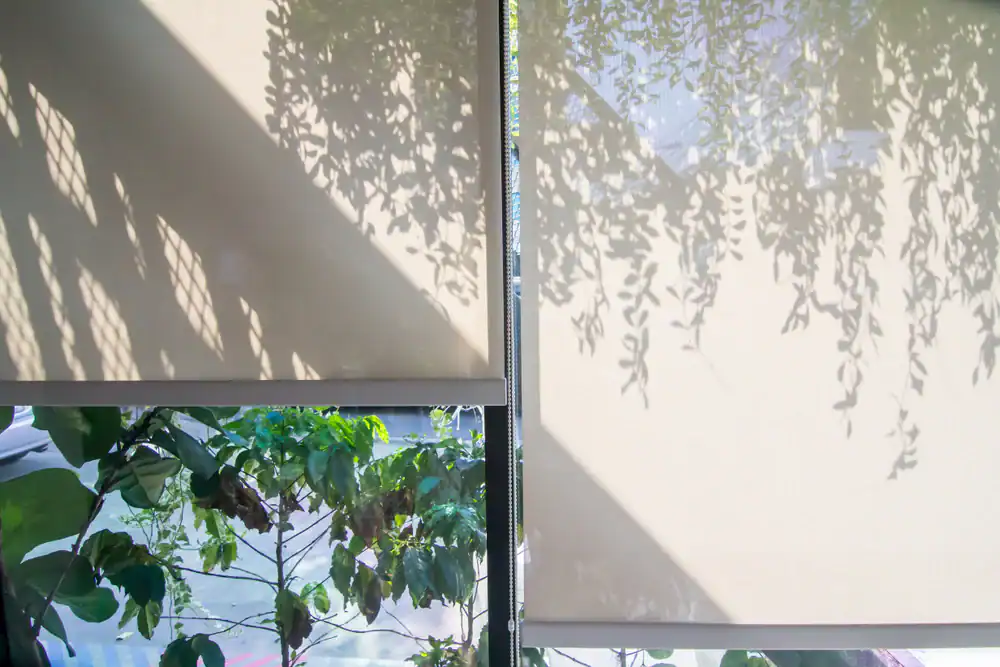
Solar shades filter UV rays and reduce heat while maintaining visibility. They typically block 70-90% of solar energy depending on the fabric’s openness factor. You can still see through them from inside, which is useful if you’re facing a view you don’t want to lose or you need to keep an eye on outdoor areas.
Most Barton Hills homeowners go with blackout shades on west-facing patios where heat is the main issue, and solar shades on areas where they want UV protection without losing their view of the Greenbelt or yard. We’ll show you both during your consultation so you can see the actual difference in person.
Motorized shades aren’t overkill if you’re covering large openings, dealing with hard-to-reach areas, or want the convenience of adjusting multiple shades at once. They’re especially useful in Barton Hills where weather changes fast—you can lower your outdoor roller shades from inside when a storm rolls in or raise them remotely if you’re coming home and want to cool your patio before you arrive.
The upfront cost is higher, usually adding $500-$1,500 per shade depending on size and system. But you’ll actually use them more because there’s no friction. You’re not walking outside in 105-degree heat to manually crank down a shade. You tap your phone or tell Alexa to handle it.
If budget’s tight, manual systems work fine and you can always upgrade later. But if you’re already investing in exterior shades and you want a system you’ll use daily without thinking about it, motorization makes sense. It’s one of those upgrades people rarely regret once they’ve lived with it for a few weeks.
Quality exterior roller shades built for outdoor use typically last 10-15 years in Texas conditions, sometimes longer if they’re motorized and you’re not manually handling the fabric. The materials we use are specifically rated for UV exposure, heat, and moisture—they won’t fade, crack, or deteriorate the way indoor fabrics would.
The key is proper installation and using products actually designed for exterior applications. Cheap outdoor patio blinds that aren’t built for this climate will start failing within a few years. You’ll see fabric degradation, mechanical issues, or mounting problems because they weren’t engineered to handle the thermal expansion and contraction that happens when temps swing 40 degrees between morning and afternoon.
We warranty our installations and use manufacturers that stand behind their products long-term. You’re not replacing these every few years. They’re a permanent addition to your home that keeps working season after season without constant maintenance or repairs.
Properly installed exterior roller shades are built to handle typical Central Texas weather, including wind gusts and summer storms. The systems we install use reinforced mounting hardware and wind-rated fabrics that won’t tear or pull loose under normal conditions. Most motorized systems also have wind sensors that automatically retract the shades when gusts exceed safe thresholds.
That said, you should raise your outdoor shade blinds before severe weather hits. While they’re durable, they’re not designed to stay deployed during intense straight-line winds or hail. The good news is motorized systems let you retract everything from inside in under a minute if you see a storm approaching.
The mounting structures are permanent and weather-resistant. Even if you’re raising and lowering shades regularly based on conditions, the hardware stays secure and the fabric tracks stay aligned. We’ve installed hundreds of these across the Austin area, and properly maintained systems hold up year after year without issues.
Interior window treatments trap heat between the glass and the fabric, which means your room still heats up even with blinds closed. Exterior roller shades block solar energy before it ever reaches your windows, which is significantly more effective for temperature control. If you’re serious about reducing heat gain and cutting cooling costs, exterior shades make a measurable difference that interior treatments can’t match.
That doesn’t mean your interior blinds are useless. Most homeowners use both—exterior shades for climate control and daytime heat blocking, interior treatments for nighttime privacy and insulation. But if you’re choosing between the two and your main issue is heat, exterior shades win every time.
In Barton Hills where homes have large windows facing south and west, interior blinds alone won’t keep up with the sun. You’ll still be running your AC constantly and avoiding rooms during peak heat. Exterior shades change that equation by stopping the problem at the source, which is why they’re standard in hot climates and increasingly common in Central Texas as homeowners figure out what actually works.