
Hear from Our Customers
Your outdoor space sits empty most of the year because it’s either too hot or the sun is blinding. That’s not how it should work when you live in Benbrook.
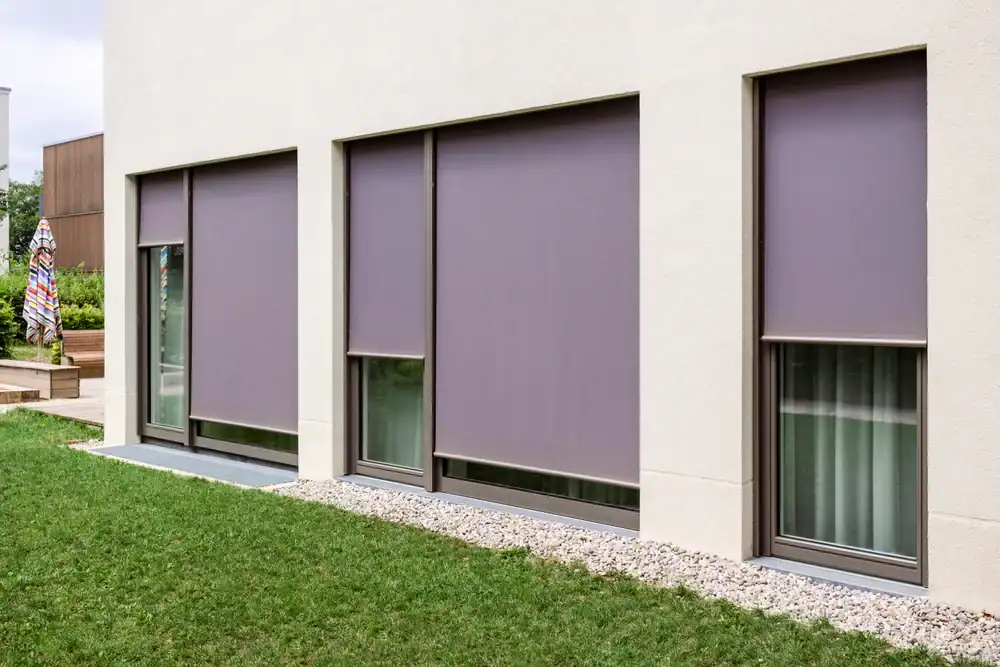
Exterior roller shades block the heat before it reaches your windows and outdoor living areas. You’re looking at a 15 to 30 degree temperature drop on covered patios, which means you can actually sit outside in July without feeling like you’re in an oven. The UV protection goes up to 99%, so your furniture stops fading and your family stops squinting.
Energy bills drop because your AC isn’t fighting solar heat gain through windows and glass doors. When the sun can’t cook your house from the outside, your cooling system runs less. It’s straightforward physics that shows up in your monthly bill.
These aren’t the cheap pull-down shades from a big box store. You’re getting commercial-grade hardware and solution-dyed fabrics designed for wind loads and UV exposure that Tarrant County throws at them. Motorized options mean you adjust coverage from inside when the afternoon sun shifts or a storm rolls in.
We handle exterior roller shade installations across Benbrook and the Fort Worth area. We’re licensed, insured, and we know what Texas weather does to outdoor installations that aren’t done right.
Every shade gets custom measured for your specific openings. Gaps mean hot spots, so we don’t leave gaps. The mounting systems we use are engineered for wind resistance because summer storms in Tarrant County don’t give warnings.
You get a full warranty on materials and installation work. If something fails because of how we installed it or a defect in the product, we handle it. That’s the deal when you’re putting something outside that needs to last through multiple Texas summers.

The process starts with an on-site consultation at your Benbrook home. We measure the areas you want covered, look at sun exposure patterns, check mounting surfaces, and talk about fabric options based on how much light and heat you want to block.
Once you approve the quote, your shades get manufactured to exact specifications. We’re talking precision measurements because even a half-inch gap lets heat through. Fabric selection matters here—different openness percentages block different amounts of UV and heat while maintaining varying levels of visibility.
Installation happens when your custom shades arrive. We mount the hardware to handle wind loads, install the roller mechanism, and test the operation. For motorized exterior shades, we set up the controls and make sure everything responds correctly. You’ll know how to operate them and what to expect for maintenance before we leave.
The whole timeline from consultation to finished installation typically runs two to three weeks, depending on customization complexity. You’re not waiting months, but you’re also not getting rushed work that fails in the first windstorm.

Ready to get started?
You’re choosing from multiple fabric types with different openness factors. A 5% openness fabric blocks more heat and UV but reduces visibility. A 10% openness lets you see out better while still cutting solar heat gain significantly. We’ll show you samples so you know exactly what you’re getting.
Motorization is available for every installation. Remote control, smartphone app, or voice command integration—whatever fits how you want to operate them. This matters for large shades or multiple units where manual operation gets old fast.
Color and finish options let you match your home’s exterior or create contrast. The fabrics are solution-dyed, meaning the color goes through the entire material rather than being applied on the surface. They don’t fade like painted or coated materials do under constant Texas sun exposure.
In Benbrook specifically, we’re seeing homeowners prioritize outdoor shade blinds for west-facing patios and south-facing windows where afternoon heat is most intense. The temperature difference is noticeable immediately. Your outdoor furniture lasts longer, your indoor spaces stay cooler, and you actually use the outdoor areas you paid to build.
These exterior window blinds work year-round, not just in summer. Winter sun still creates glare and heat gain on sunny days. You control exactly how much light and temperature you want at any time.

Cost depends on size, fabric type, and whether you want motorization. A standard 8-foot by 8-foot patio shade with manual operation typically runs between $800 and $1,200 installed. Larger openings or motorized systems increase that price.
Motorization adds roughly $300 to $500 per shade depending on the control system you choose. Smart home integration costs more than basic remote control operation. Multiple shades controlled together through one system can reduce the per-unit cost.
The fabric you select affects pricing too. Higher-end materials with better UV blocking or specific aesthetic qualities cost more than standard solar screen fabrics. But you’re looking at maybe a 20-30% price difference between basic and premium options, not double the cost.
We provide exact quotes after measuring your space because guessing on price without seeing the installation conditions doesn’t help you. Mounting surface type, accessibility, electrical work for motorized units—these factors change the final number.
Yes, but the amount depends on how much glass you’re covering and which direction it faces. Exterior shades block heat before it enters your home, which is significantly more effective than interior blinds that trap heat between the window and the shade.
West and south-facing windows see the biggest impact. Covering these with exterior roller shades can reduce cooling costs by 20-30% for those specific areas. Your overall home energy bill might drop 10-15% if you’re covering major heat gain points.
The physics is simple: solar heat that never reaches your windows doesn’t make your AC work harder. Your cooling system cycles less frequently and runs for shorter periods. Over a Benbrook summer where you’re running AC from May through September, that adds up.
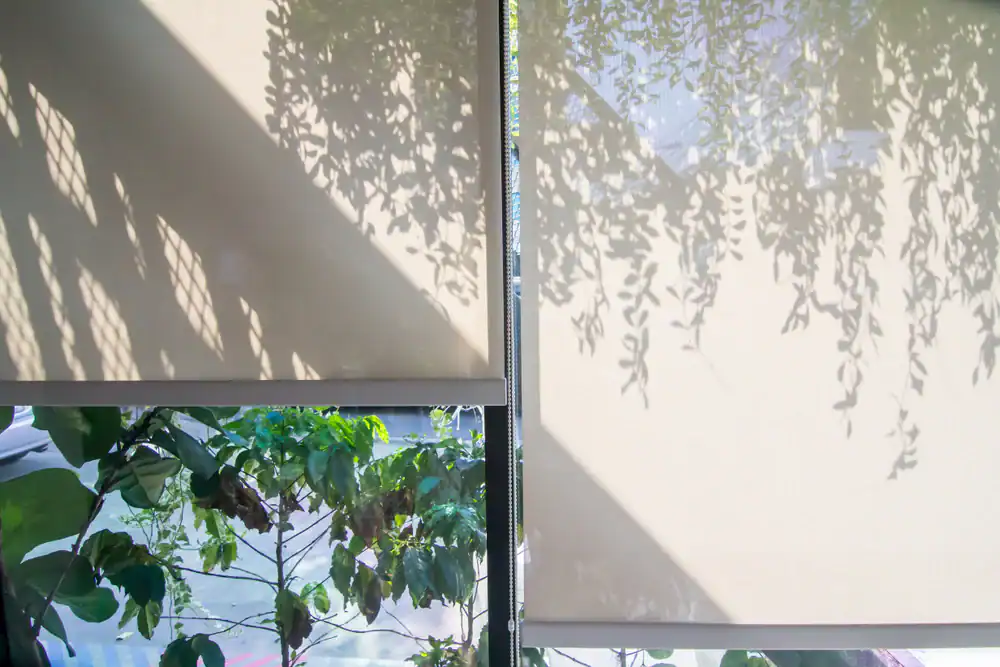
Blackout roller shades provide maximum heat blocking but eliminate natural light. Most homeowners choose solar screen fabrics that block 90-95% of heat while still allowing visibility and some light transmission. You get energy savings without living in the dark.
Quality exterior shades with proper installation last 10-15 years in Texas conditions. Cheap versions fail in 2-3 years because they’re not built for sustained UV exposure, high winds, and temperature extremes.
The fabric is usually the first component to show wear. Solution-dyed fabrics hold up better than surface-treated materials because the color goes all the way through. When UV can’t bleach out the pigment, your shades look newer longer.
Hardware failure happens when mounting systems aren’t rated for wind loads. A summer storm with 40-50 mph gusts will rip down inadequately mounted shades. We use commercial-grade brackets and fasteners because residential-grade hardware doesn’t cut it for exterior applications in Tarrant County.
Motorized components typically last 7-10 years before needing replacement. The motors themselves are sealed against weather, but they do eventually wear out. Manual operation systems have fewer failure points and can last the full 15-year lifespan with minimal maintenance.
You can install them yourself if you’re comfortable with precise measurements, power tools, and working on a ladder. But most DIY installations end up with problems that professional installation avoids.
The biggest issue is measurement accuracy. A quarter-inch error multiplies across a large shade and creates gaps that let heat through. Professional installers measure multiple times and account for structural irregularities you might not notice.
Mounting exterior shades requires hitting solid structure, not just surface materials. If you mount into stucco or siding without reaching the framing behind it, the first windstorm pulls your shades down. We locate studs, use appropriate fasteners, and ensure the mounting points can handle the load.
Motorized installations involve electrical work. Running power to the motor location, installing switches or controls, and programming the system correctly—these steps require specific knowledge. Incorrect wiring creates safety hazards and voids product warranties.
The time investment matters too. A professional crew installs most residential exterior shade projects in 4-6 hours. DIY installation typically takes a full weekend or more, assuming you don’t hit complications that require additional trips to buy parts or tools.
Location changes everything about how they function. Exterior roller shades block heat before it reaches your windows, while interior shades trap heat between the glass and the fabric. That trapped heat still warms your home even though you can’t see the sun.
Exterior shades reduce heat gain by 70-80% compared to 40-50% for interior options. The heat never enters your living space, so your AC isn’t fighting it. Interior blackout blinds for windows help with light control and privacy but don’t provide the same thermal protection.
Durability requirements differ completely. Exterior shades face UV exposure, wind, rain, and temperature swings. They need weather-resistant fabrics and corrosion-proof hardware. Interior shades operate in controlled conditions and don’t need the same heavy-duty construction.
Outdoor shade blinds also protect your windows themselves from UV damage and reduce fading of interior furniture. The shades take the solar beating instead of your glass and furnishings. Interior shades can’t provide this protection because UV has already passed through the window.
Cost runs higher for exterior installations because of the materials and installation complexity. But the energy savings and extended furniture life offset that initial investment. You’re paying more upfront for better long-term performance.
Absolutely, and that’s one of their best applications in Benbrook. Patio roller shades turn unusable hot outdoor spaces into comfortable areas you can actually enjoy during Texas summers.
Mounting options vary based on your structure. Pergolas need shades that roll down between posts or attach to the beam structure. Covered patios might use shades that drop from the roof line or mount between support columns. We assess your specific setup and recommend the configuration that provides maximum coverage with proper support.
Wind is the main consideration for open patio installations. Shades need side retention systems or weighted bottom bars to prevent billowing in gusty conditions. A shade that flaps around in the wind wears out fast and doesn’t block heat effectively when it’s not staying in position.
Motorized patio shades make sense for outdoor applications because you’re not always outside when weather changes. You can lower them from inside when the afternoon sun hits or raise them when you want full openness. Smart home integration lets you program them to adjust automatically based on time of day or temperature.
The temperature difference under a shaded patio versus an unshaded one is dramatic. You’re looking at 20-30 degrees cooler, which is the difference between unbearable and comfortable. Your outdoor furniture doesn’t get hot enough to burn skin when you sit down, and you’re not squinting against glare the entire time you’re outside.