
Hear from Our Customers
Right now, your outdoor space is probably sitting empty during the hottest parts of the day. The furniture’s fading. The glare makes it impossible to see your phone or tablet. And stepping outside between noon and 6 PM feels like walking into an oven.
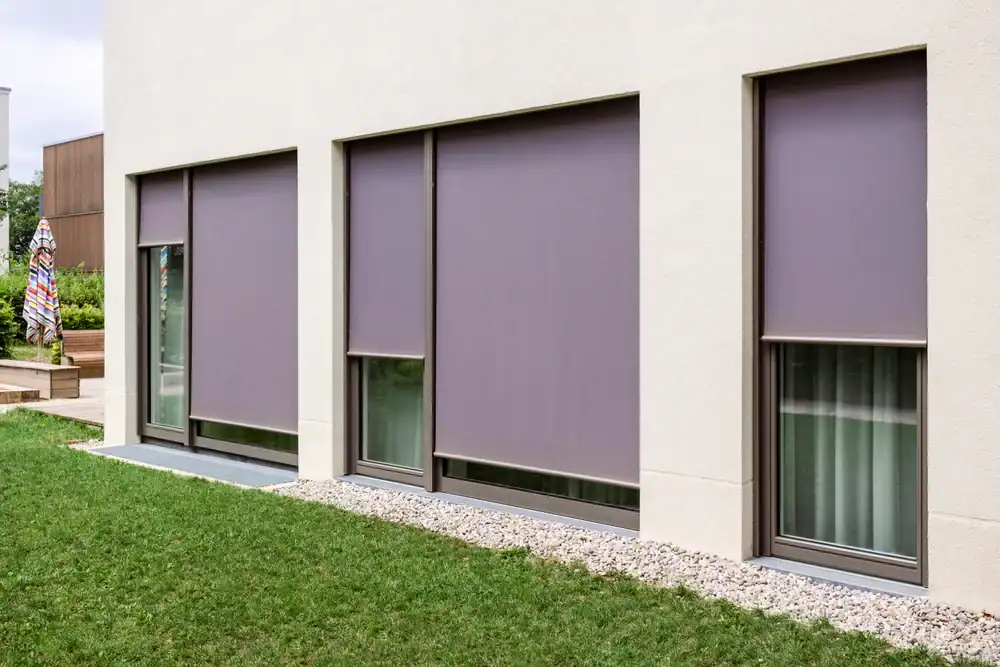
Exterior roller shades change that. You get instant shade that drops surface temperatures by 15 to 30 degrees, blocks up to 95% of UV rays, and gives you control over how much sun comes through. No more cutting family dinners short because everyone’s sweating. No more avoiding the patio you spent good money building.
And here’s what most people don’t realize until after installation: your AC stops running constantly. When you block solar heat gain before it hits your windows and doors, your HVAC system isn’t fighting a losing battle all afternoon. That’s where the 25% to 60% reduction in cooling costs comes from—not from the shades themselves, but from stopping the heat before it gets inside.
You also protect everything you’ve invested in. Outdoor furniture lasts longer. Floors near windows don’t fade. And if you go motorized, you can drop the shades from your phone before the sun shifts, without getting up.
A Plus Shutters & Shades started as a branch of A Plus Home Remodel, so we didn’t come into this industry yesterday. We’ve spent ten years in construction, which means we understand how homes are built, how Texas weather affects materials, and what it takes to install outdoor shade systems that actually hold up.
We’re based in Arlington and serve the Cedar Park area because we know what homeowners here are dealing with. You’re not just managing heat—you’re managing Hill Country sun exposure, sudden storms, and the reality that your outdoor space needs to work nine months out of the year, not three.
We use Texas-made products because they’re built for this climate, and we back our installations with a warranty. From the first consultation to the final walkthrough, you’re working with people who’ve done this hundreds of times and know how to get it right the first time.

First, we come to your home and look at the actual space. We’re measuring the areas you want shaded, checking what kind of mounting surface we’re working with, and talking through how you use your patio or deck. If you’ve got specific concerns—like wanting to keep a view of the yard or needing blackout coverage for a sleeping porch—we factor that in.
Then we walk you through fabric options. Some people want solar shades that block heat but let light through. Others need blackout roller shades for full privacy and darkness. We’ll explain what works for your situation, show you samples, and give you a clear price with no surprises.
Once you approve everything, we schedule the install. Our team shows up with the materials, mounts the hardware, and tests everything to make sure it operates smoothly. If you’re going motorized, we sync it with your phone or smart home system and show you how to use it.
The whole process usually takes a few hours depending on how many shades you’re installing. You’re not dealing with a multi-day disruption. And when we leave, your outdoor space is ready to use immediately.

Ready to get started?
Every exterior roller shade we install is built with weather-resistant materials designed for Texas conditions. That means UV-resistant fabric that won’t break down in constant sun, rust-resistant hardware that holds up in humidity, and mildew-resistant treatments so your shades don’t develop that musty look after a few months.
You get custom sizing. We’re not trying to fit your space into pre-made dimensions. If your patio is 14 feet wide, we build a shade that’s 14 feet wide. If you need coverage on three sides, we measure and install three sides.
For Cedar Park homeowners specifically, we’re seeing a lot of requests for motorized systems. That makes sense when you consider how the sun moves across your property throughout the day. You can program your outdoor shade blinds to lower automatically when the afternoon sun hits, then retract in the evening when you want the breeze. You’re not manually cranking anything or walking outside every time the light changes.
And if you’re concerned about energy costs, this is where it gets interesting. Austin Energy offers rebates of $1 per square foot for qualifying shade installations. We’ll walk you through what qualifies and how to apply, but that rebate can offset a significant chunk of your upfront cost—especially if you’re covering large patio doors or multiple windows.

You’re looking at a 15 to 30 degree temperature drop depending on fabric choice and sun exposure. That’s not an exaggeration—it’s the difference between a patio that’s 110 degrees in direct sun and one that’s 85 degrees with shading.
The bigger impact is inside your home. When you block solar heat before it reaches your windows and glass doors, your AC isn’t working overtime to compensate. That’s where you see cooling cost reductions of 25% to 60% during summer months, especially on west- and south-facing patios that get hammered by afternoon sun.
If you go with solar shades, you’re blocking heat and UV while still maintaining visibility. If you need full blackout for a sleeping area or media space, blackout roller shades will drop temperatures even further and eliminate light bleed completely. We’ll recommend the right fabric based on how you’re using the space and what your main goal is—comfort, energy savings, or privacy.
Motorized systems are durable, but they’re not indestructible. The key is proper installation and knowing when to retract them. We mount exterior window blinds with heavy-duty brackets and use wind-rated fabrics, so they’ll hold up fine in normal breezy conditions that are common in Cedar Park.
But if you’ve got a severe storm coming—high winds, hail, heavy rain—you should retract the shades. That’s actually one of the benefits of going motorized: you can pull them up from your phone even if you’re not home. Most systems also have wind sensors that automatically retract the shades if gusts hit a certain speed.
The hardware itself is built to last. We’re using rust-resistant materials and sealed motors that can handle humidity and temperature swings. As long as you’re not leaving them down in extreme weather, you’re looking at 10+ years of reliable use with minimal maintenance. Just hose them off occasionally to remove dust and pollen, and you’re good.
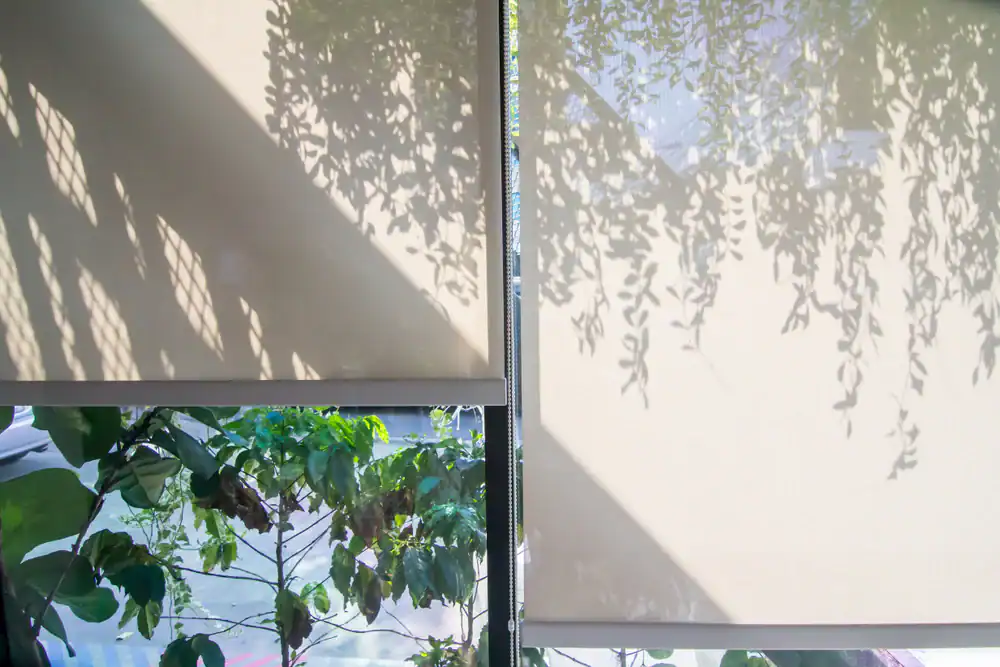
Solar shades block heat and UV rays—usually 90% to 95%—but they still let some light through. You can see outside, and the space stays naturally lit. They’re ideal if you want to reduce glare and heat without making your patio feel like a cave. Most people choose solar shades for daytime use when they want protection from the sun but still want to enjoy the view.
Blackout roller shades block everything. No light, no visibility, complete privacy. They’re the right call if you’re covering a sleeping porch, creating a private outdoor dining area, or dealing with neighbors who can see directly into your space. They also provide the maximum temperature reduction because they’re reflecting and absorbing more solar energy.
Here’s how most Cedar Park homeowners approach it: solar shades on the sides where you want airflow and views, blackout shades on the side where you need privacy or where the afternoon sun is most intense. You don’t have to pick one or the other for your whole setup. We can mix fabrics based on what each section of your patio actually needs.
Most installations take between two and four hours depending on how many shades you’re adding and whether we’re mounting to wood, brick, or metal. We’re not tearing anything apart or doing major construction. We’re securing brackets, mounting the roller mechanism, and testing operation.
As for damage—no, not if it’s done correctly. We use appropriate anchors and fasteners for whatever surface we’re mounting to. If you’ve got a wood pergola, we’re using wood screws in solid beams. If it’s stucco or brick, we’re using masonry anchors. The goal is a secure mount that distributes weight properly and doesn’t compromise your structure.
You’ll have small holes where the brackets attach, but those are necessary for a stable install. If you ever remove the shades down the road, you can patch and paint those spots easily. But most people don’t remove them—once you’ve experienced the difference in comfort and energy costs, the shades become a permanent fixture. We also run any necessary wiring for motorized systems along existing lines or inside channels so you’re not looking at exposed cables running across your patio ceiling.
Not really. The fabrics we use are treated to resist mildew, fading, and moisture damage, so you’re not dealing with constant upkeep. Most homeowners hose their outdoor patio blinds down once or twice a year to remove pollen, dust, and any debris that’s collected. If you get a stain, mild soap and water usually handle it.
The mechanical parts—rollers, motors, brackets—are sealed and weather-resistant. You don’t need to oil anything or do regular servicing. If you go motorized, the system runs on a motor that’s designed for outdoor use and doesn’t require maintenance beyond occasionally checking the battery backup if your system has one.
The biggest thing is retracting your shades before severe weather. Wind, hail, and heavy rain can stress the fabric and hardware if the shades are fully extended. Most motorized systems have app controls or automation settings, so you can retract them remotely if a storm rolls in while you’re at work. Do that, and your shades will last 10 to 15 years without any major issues. We also warranty our installation work, so if something does go wrong due to how it was installed, we’ll come back and make it right.
Yes. Austin Energy offers rebates of $1 per square foot for qualifying exterior shading installations, and Cedar Park falls within their service area. That rebate applies to shades that meet specific energy efficiency criteria, which most of our solar and blackout exterior roller shades do.
Here’s how it works: you install the shades, we provide documentation showing the product specs and square footage, and you submit that to Austin Energy along with proof of installation. They process the rebate and send you a check. For a large patio with 200 square feet of coverage, that’s $200 back. For multiple windows and doors, it adds up quickly.
The rebate is designed to encourage homeowners to reduce cooling costs, which benefits everyone by lowering peak energy demand during summer. And it works—homes with exterior shading use significantly less AC because they’re blocking heat before it enters the building. We’ll walk you through the rebate process during your consultation and make sure you have everything you need to apply. It’s not complicated, but you do need the right documentation, and we’ve done this enough times to know exactly what Austin Energy requires.