Hear from Our Customers
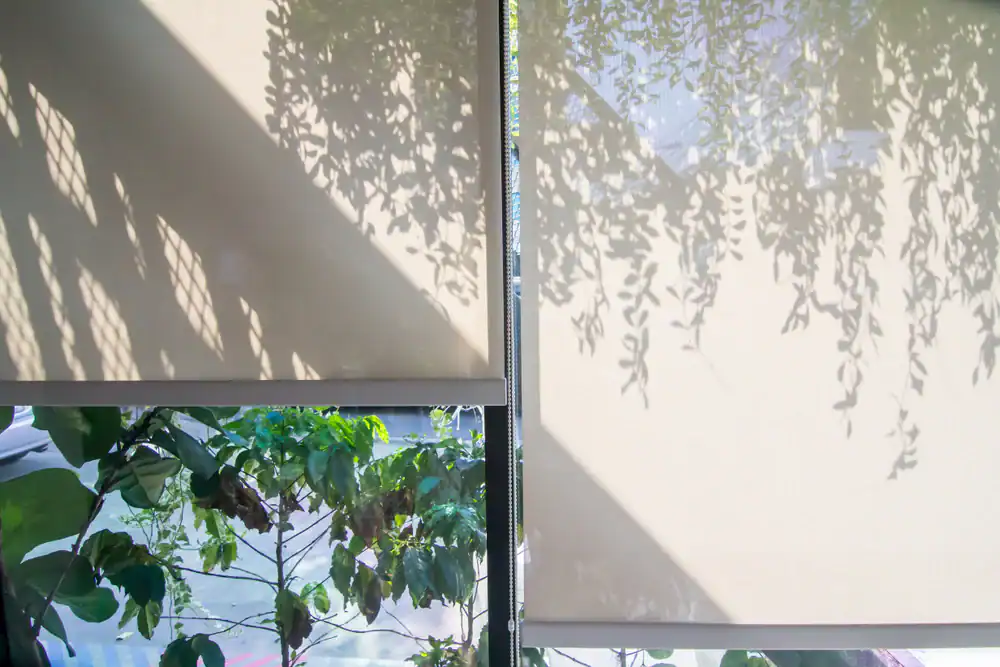
Your patio stops being a furnace. That’s the short version.
The longer version: outdoor roller shades block up to 99% of UV rays before they hit your windows or furniture. Surface temperatures drop around 15 degrees. Your AC isn’t fighting a losing battle anymore, which means your energy bill shrinks by 20-30% during summer months. You’re not squinting through glare or watching your patio cushions fade to nothing.
And you actually use the space. Morning coffee without sweat. Dinner outside in July. A home office setup on the covered porch that doesn’t turn into a sauna by 10 a.m.
Exterior roller shades aren’t decorative. They’re functional climate control for outdoor spaces that would otherwise sit empty half the year. Motorized options mean you adjust them with your phone or voice command. Manual versions work just as well if you’d rather keep it simple. Either way, you’re deciding when the sun gets in and when it doesn’t.
A Plus Shutters & Shades is part of A Plus Home Remodel, a construction company that’s been working in the Dallas-Fort Worth area for more than 10 years. We’re not new to Texas heat or how homes here are built.
We manufacture our outdoor shade blinds locally. That cuts out shipping delays and middleman markups. It also means we control quality from start to finish. You’re getting Texas-made products installed by people who’ve done this hundreds of times across Arlington, Fort Worth, Mansfield, and Coronado Hills.
We don’t subcontract installs. Our team measures, builds, and mounts every exterior roller shade. If something needs adjusting, you’re talking to the same people who put it up.

You schedule a free consultation. We come to your home in Coronado Hills, measure the spaces you want shaded, and show you fabric samples. You’ll see options for solar screens, blackout roller shades, and weather-resistant outdoor materials. We talk through motorized versus manual operation, mounting locations, and color choices that match your home’s exterior.
Once you decide, we build your custom exterior roller shades in our Texas facility. Lead time depends on the season, but we’re usually looking at two to three weeks. No overseas shipping. No waiting on back-ordered parts from another state.
Install day is straightforward. Our crew shows up with everything pre-measured and ready to mount. Most residential jobs take a few hours. We test every shade before we leave—motorized systems get synced to your phone or smart home setup if that’s what you’re using. You’ll know how to operate them, how to clean them, and what to do if you ever need service.
The shades are up. Your outdoor space is immediately cooler. You’ll notice the temperature difference that same afternoon.

Ready to get started?
Every exterior roller shade we install is custom-fit to your exact measurements. We’re not trimming down stock sizes or forcing a standard width into an oversized opening. Your patio, pergola, or deck gets shades built specifically for those dimensions.
Fabric options include solar screens that block heat while keeping visibility, blackout materials for full privacy and light control, and clear vinyl for weather protection without losing your view. All outdoor fabrics are UV-resistant and built to handle Texas storms. Motorized shades come with remote controls, wall switches, or smart home integration through Alexa, Google Assistant, or Samsung SmartThings.
Coronado Hills homes deal with intense afternoon sun, especially on west-facing patios. Exterior window blinds installed on that side of your house make the biggest impact. You’re stopping heat before it reaches your walls or windows, which is far more effective than interior blinds. The air stays cooler. Your furniture doesn’t bake. And if you’ve got kids or pets using that space, they’re protected from UV exposure that can cause burns in minutes during peak summer hours.
We also install bug screens as part of outdoor roller shade systems. Mosquitoes and flies are a real problem in central Texas. A bug shade mesh lets you keep airflow without dealing with pests during dinner or evening hangouts.

You’re looking at a 15-20 degree drop in surface temperature on average. That’s the difference between a deck that’s 120 degrees in direct sun and one that’s closer to 100 degrees in the shade.
The bigger impact is on your indoor temperature. Exterior roller shades block solar heat before it hits your windows or walls, which means your AC isn’t working as hard to cool the inside of your home. Most homeowners see a 20-30% reduction in cooling costs during summer months. That’s real money back in your pocket, especially during July and August when energy bills spike.
The exact temperature drop depends on fabric choice, shade size, and how much direct sun that area gets. Solar screens with higher UV blockage ratings will cool things down more than lighter fabrics. We can walk you through options during your consultation based on which side of your house we’re shading.
Yes, if they’re installed correctly and you retract them when severe weather hits. Motorized exterior roller shades are built with weather-resistant fabrics and rust-proof hardware, but they’re not designed to stay extended during 50 mph wind gusts.
Most motorized systems come with wind sensors that automatically retract the shades when speeds get too high. You can also control them from your phone, so if you’re not home and a storm rolls in, you’re not stuck hoping they survive. Retracting them takes about 30 seconds.
The frames and mounting brackets we use are heavy-duty aluminum or steel. They’re anchored into studs or concrete, not just surface-mounted to siding. We’ve installed outdoor roller shades across Coronado Hills and the surrounding area for years, and the ones that get damaged are usually the ones left down during storms. Treat them like you would an awning—bring them up when the weather turns, and they’ll last 10-15 years without issues.
You can absolutely get blackout outdoor roller shades. They’re thicker than solar screens and block 100% of light, which makes them ideal if you’re trying to create a dark space for a projector setup, a sleeping porch, or just complete privacy.
Blackout blinds for windows work great on covered patios or screened-in areas where you want full light control. The fabric is still weather-resistant and UV-protected, but it’s not meant to be exposed to constant rain or wind like a solar screen would be. If your patio has a roof or pergola cover, blackout exterior roller shades will hold up fine.
The tradeoff is airflow. Blackout materials don’t let light through, which also means they don’t let as much air through. If ventilation is a priority, solar screens or outdoor shade blinds with a more open weave are a better fit. We’ll talk through your setup during the consultation so you’re not guessing which fabric works for your space.
Most residential installs take between two and four hours depending on how many shades you’re putting up and whether they’re motorized. A single outdoor roller shade on a standard patio door might take an hour. A full pergola setup with four motorized shades and integrated bug screens will take closer to half a day.
We’re mounting brackets, leveling the shades, securing everything to studs or concrete, and testing operation before we leave. Motorized systems take a bit longer because we’re running wiring, syncing remotes, and connecting to your smart home system if you’re using one.
You don’t need to do anything to prep. We bring all tools, hardware, and materials. The space just needs to be accessible. If you’ve got furniture or plants in the way, we’ll ask you to move those before we start. Once we’re done, the shades are ready to use immediately. No curing time, no waiting period. You can start adjusting them as soon as we pull out of the driveway.
Standard exterior roller shades don’t keep bugs out unless you specifically choose a bug screen mesh. Solar screens and blackout fabrics are designed for sun and privacy, not pest control. The weave isn’t tight enough to block mosquitoes or flies.
If bugs are a problem—and in Coronado Hills, they usually are—you’ll want to add a bug shade mesh as part of your outdoor roller shade system. These screens have a much finer weave that stops insects while still allowing airflow. You can use them on their own or layer them with solar screens for combined sun and bug protection.
A lot of our clients get both. They’ll use the solar screen during the day for heat control, then drop the bug screen in the evening when they’re eating outside or sitting on the patio after sunset. Motorized setups make it easy to switch between the two without manually rolling anything up or down. It’s a small addition that makes a huge difference if you’re trying to actually enjoy your outdoor space instead of swatting bugs the whole time.
Motorized exterior roller shades typically cost 30-50% more than manual versions. You’re paying for the motor, the wiring, the remote or smart home integration, and the extra labor to install the electrical components.
Manual outdoor shade blinds work with a crank or pull cord. They’re reliable, simple, and there’s nothing electronic to break. If you’re only shading one or two areas and you don’t mind operating them by hand, manual is a solid choice that saves money upfront.
Motorized makes sense if you’re covering multiple windows, if the shades are mounted high and hard to reach, or if you want the convenience of controlling everything from your phone. A lot of Coronado Hills homeowners go motorized because they’re integrating the shades with existing smart home systems. You can set schedules so the shades drop automatically when the sun hits a certain angle, or you can close them remotely if you’re at work and forgot to do it before you left. The upfront cost is higher, but the convenience is worth it for most people who choose that route.