Hear from Our Customers
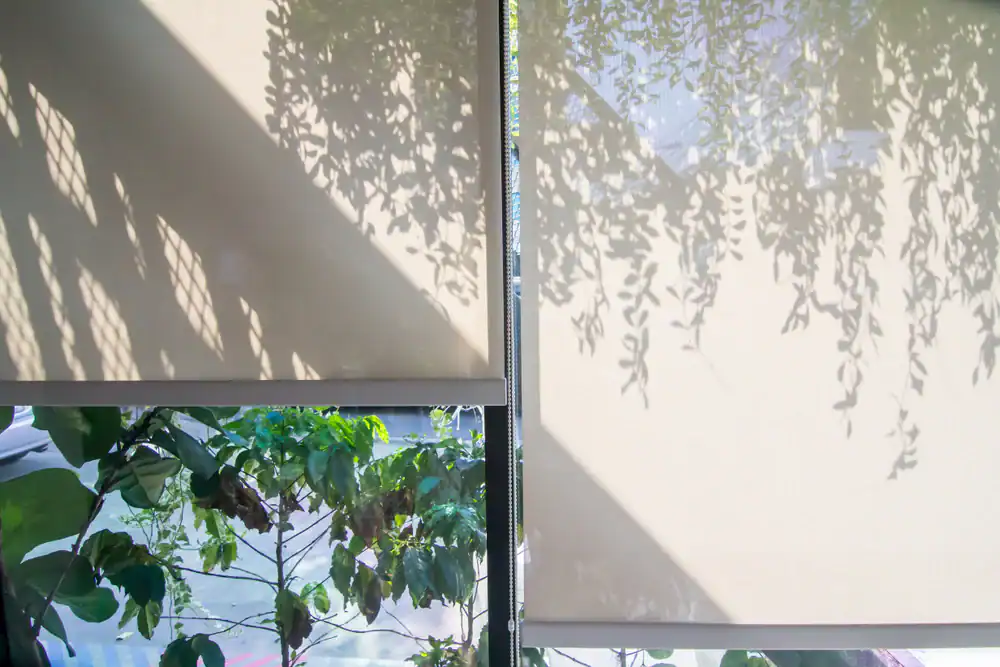
Right now, your patio sits empty during the best parts of the day. The sun’s too harsh, the heat’s unbearable, and you’re stuck inside watching your outdoor furniture fade while your AC bill climbs.
Exterior roller shades change that. They block the heat before it reaches your windows and outdoor living areas, dropping surface temperatures by 15-20 degrees and making your patio usable again. You get shade without losing your hill country views, privacy without feeling closed in, and protection from UV damage that’s already costing you money.
Your outdoor furniture lasts longer. Your energy bills drop by 20-30% because you’re blocking radiant heat before it forces your AC to work overtime. And when the sun shifts throughout the day, motorized controls let you adjust coverage in seconds without leaving your chair.
This isn’t about adding something nice to your home. It’s about reclaiming space you’re already paying for and protecting what you’ve invested in.
We’ve spent over 10 years working on homes throughout Burnet County and the surrounding Hill Country. We’re a branch of A Plus Home Remodel, so we understand how exterior roller shades fit into the bigger picture of your home’s energy efficiency and comfort.
Double Horn properties come with challenges most shade companies don’t see often. Your homes sit on elevated lots with intense sun exposure, premium outdoor living spaces that need to stay functional, and views you don’t want to sacrifice. We measure for those specifics, not generic solutions.
Every installation gets custom-fitted to your exact openings and engineered to handle Central Texas weather. Wind, heat, UV exposure that would destroy cheaper materials in two seasons—your outdoor shade blinds need to withstand all of it. That’s what we spec for and what we install.

You schedule a free in-home consultation where we measure your spaces and talk through what you’re trying to solve. We’re looking at sun angles, how you use the space, what kind of views you want to keep, and whether you need blackout roller shades or something with more openness.
From there, we show you fabric options with different openness factors. A 4% openness gives you more privacy and blocks more heat. A 14% openness keeps better views but still cuts UV rays by 80-90%. We’ll tell you what works for your specific situation based on which direction your patio faces and how much coverage you actually need.
Once you approve the quote, we order your custom outdoor roller shades built to your exact measurements. Most installations finish in a single day. If you’re adding motorized controls, we integrate them with your existing smart home system or set up new controls that work with Alexa or Google Assistant.
After installation, we walk you through operation and maintenance. Then you’re done. The shades are up, the heat’s blocked, and your patio’s usable again.

Ready to get started?
Your exterior roller shade gets built specifically for your opening dimensions and the conditions it’ll face in Double Horn. That means weather-resistant fabrics designed for UV exposure and temperature swings that would wreck standard materials in one summer.
You’re choosing from fabrics with different openness ratings depending on whether you want maximum heat blocking, better views, or something in between. We carry options that stop 99% of UV rays while still letting you see outside, and blackout options if you need full coverage for media areas or sleeping spaces.
Motorized systems come with Somfy motors that integrate with smart home platforms. You control them by voice, phone app, or wall switch. If your home sits on one of those elevated Double Horn lots with shifting sun exposure throughout the day, motorization isn’t a luxury—it’s the only practical way to keep adjusting coverage without constantly getting up.
The frames and hardware use powder-coated aluminum that won’t corrode or degrade in humidity. And if you’re covering a large opening, we engineer the system to handle wind load without sagging or failing when storms roll through. Most projects in Double Horn range from $1,500 for smaller single shades to $6,000+ for large multi-shade installations with full motorization.

Expect a temperature drop of 15-30 degrees on surfaces under the shade, depending on fabric density and how much direct sun exposure you’re blocking. The tighter the weave, the more heat stays out.
Here’s what matters more than the air temperature: radiant heat. Without shading, your patio furniture, flooring, and exterior walls absorb sunlight and radiate heat for hours after the sun moves. That’s what makes spaces unusable and drives up your cooling costs. Exterior roller shades stop that heat before it ever hits those surfaces.
If you’re covering windows, the impact on your indoor temperature is even bigger. Blocking sun before it reaches the glass prevents heat from building up inside your walls and forcing your AC to compensate. That’s where the 20-30% energy savings come from—you’re reducing the load before it becomes your HVAC system’s problem.
Yes, if you choose a fabric with the right openness factor. Most of our Double Horn clients pick something in the 5-10% range, which blocks heat and UV rays while keeping outward visibility clear.
The openness percentage tells you how much of the fabric is actual open space versus woven material. A 5% openness means 95% of the fabric is blocking light, but you can still see through the 5% of tiny holes in the weave. From inside looking out, your view stays mostly intact. From outside looking in, people see a dark screen—that’s your privacy.
If you need full blackout for a covered outdoor TV area or a bedroom window, we can install a near-zero openness fabric that blocks everything. But for most patio applications, you don’t want that. You want shade and privacy without losing the hill country views that make your property worth what you paid for it.
Yes, especially in Double Horn where wind and weather put serious stress on exterior systems. Motorized shades need precise engineering to work reliably and last more than a couple seasons.
The motor has to mount securely enough to handle the weight of the fabric and the force of wind pushing against a large surface area. If the brackets aren’t anchored into structure correctly, you’ll get sagging, binding, or complete failure when a storm hits. We’re mounting into stucco, stone, and metal framing on most Hill Country homes—that requires the right hardware and installation technique.
Then there’s the wiring and programming. If you want smart home integration, the system needs to communicate with your network and respond to voice commands or app controls. That’s not plug-and-play. It requires configuration that most homeowners don’t have the tools or experience to do correctly. We handle all of that during installation, test everything, and make sure it’s working before we leave.
Quality outdoor roller shades with proper fabrics should last 10-15 years in Central Texas conditions. Cheaper materials start failing in 2-3 years—fading, tearing, or losing their UV protection.
The difference comes down to what the fabric’s made from. Fiberglass-based materials like Mermet fabrics handle temperature extremes and UV exposure better than standard polyester. They’re woven tighter, coated for weather resistance, and engineered specifically for exterior use. That’s what we install because we’ve seen what happens to the cheaper stuff after one Texas summer.
Hardware longevity depends on corrosion resistance. Powder-coated aluminum holds up. Painted steel doesn’t. And motors need to be rated for outdoor use with sealed housings that keep moisture and dust out. Somfy motors are the standard for a reason—they’re built to run for years in exterior applications without failing. We warranty our installations because we know the materials will hold up if they’re installed correctly.
Exterior roller shades mount closer to your windows or openings and retract vertically into a compact housing. Retractable awnings project outward and roll up horizontally, taking up more space and catching more wind.
For most Double Horn homes, roller shades make more sense. They give you precise control over coverage, integrate with smart home systems more easily, and handle wind better because they’re not cantilevered out from the mounting point. When you retract them, they disappear into a small housing that doesn’t dominate your exterior aesthetics.
Awnings work better if you need to cover a large area without side supports, like a freestanding patio with no walls. But if you’re shading windows, doors, or a covered patio with existing structure, outdoor roller shades give you more flexibility and better performance. You can adjust them throughout the day as the sun moves, which you can’t do as easily with a fixed awning position.
Not if you choose the right fabric openness. Most clients want to block heat and UV rays without losing the views they bought the property for—that’s exactly what solar shade fabrics are designed to do.
A 5-10% openness fabric gives you clear outward visibility while blocking 90-95% of the sun’s heat and UV rays. You’re looking through thousands of tiny holes in the weave that your eye doesn’t focus on when you’re looking at a distant view. The darker the fabric color, the better your outward visibility becomes because it reduces glare and contrast.
We measure and spec based on what you’re looking at and what you’re trying to block. If your patio faces west toward the sunset over the hills, we’ll recommend a fabric that cuts glare without turning your view into a dark screen. If you’re blocking afternoon sun on a south-facing window, we might go with a tighter weave for maximum heat rejection. It’s not one-size-fits-all, and that’s why the consultation matters.