
Hear from Our Customers
You’re paying somewhere between $250 and $400 a month to cool your home during peak summer. That’s not unusual for Gateway. What is unusual is how much of that cost comes from windows and patios that aren’t protected from direct sun.
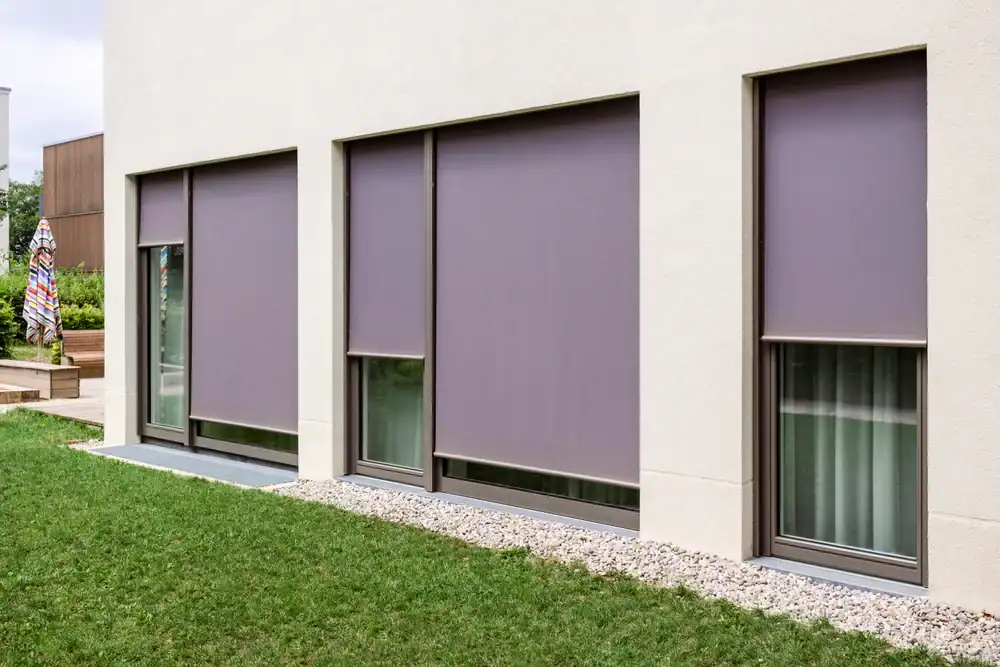
Exterior roller shades block up to 95% of solar heat before it ever reaches your glass. That means your AC isn’t fighting a losing battle all day. Most homeowners see cooling costs drop by 20-30% once outdoor shade blinds are installed on south and west-facing exposures.
Your patio actually becomes usable again. Not just tolerable for 20 minutes before everyone retreats inside, but comfortable enough for dinner, homework, or just sitting outside without feeling like you’re under a heat lamp. Temperatures under a shaded patio can drop by 30 degrees compared to full sun.
And your furniture stops fading. UV rays don’t just make your space hot, they destroy anything in their path. Couches, rugs, hardwood floors, even paint on the walls. Exterior window blinds with the right openness rating block up to 90% of UV rays, which means your interiors stay intact longer and you’re not replacing expensive furniture every few years.
We’re based in Arlington and we’ve been working in Gateway and the surrounding Fort Worth area for more than 10 years. We started as a home remodeling company, so we understand how homes are built and how shade systems need to be mounted to last.
Gateway’s housing stock skews newer and more upscale, with a median home price near $730,000. That means most of our clients here have large windows, covered patios, and outdoor living spaces that were designed to be used. But without the right outdoor patio blinds, those spaces sit empty from May through September.
We’re not a franchise. We’re local, we measure everything ourselves, and we install everything ourselves. You’re not getting a subcontractor who’s never seen your type of home before. You’re getting a team that’s done this exact install on homes just like yours, in this exact climate, hundreds of times.

You call or fill out a form and we schedule a time to come out. We’re not there to sell you, we’re there to measure, ask questions about how you use the space, and figure out what openness rating makes sense. Some people want blackout roller shades for full privacy and maximum heat rejection. Others want a 5% or 10% openness so they can still see outside while staying protected.
We take exact measurements of your openings, check the mounting surface, and talk through fabric options. Most exterior roller shades for Texas homes use a solar screen fabric that’s designed to handle UV exposure and high heat without breaking down. We’ll also discuss motorization if that’s something you want. A lot of our Gateway clients go motorized because it integrates with their existing smart home setup.
Once you approve the quote, we order your custom shades. Lead time is usually two to three weeks depending on the manufacturer. When they arrive, we schedule the install. Most jobs take half a day or less. We mount the brackets, hang the shades, test the operation, and walk you through how to use them.
If they’re motorized, we sync them with your system and make sure everything responds correctly. If they’re manual, we show you how the crank or pull chain works and make sure it operates smoothly. Then we clean up and you’re done.

Ready to get started?
Every exterior roller shade we install is custom-built to your exact measurements. We’re not trimming down stock sizes or trying to make something fit that wasn’t designed for your opening. You pick the fabric color, the openness percentage, and whether you want manual or motorized operation.
The fabrics we use are rated for outdoor use. That means they’re treated to resist mold, mildew, and UV degradation. In Gateway, where summer temps regularly hit triple digits and humidity swings wildly depending on the week, that treatment matters. Cheap outdoor shade blinds start to deteriorate within a year or two. The ones we install are built to last 10-plus years with minimal maintenance.
Motorization is available on almost every system we offer. You can control your shades with a remote, a wall switch, or through your phone if you integrate with Google Assistant, Alexa, or Samsung SmartThings. A lot of our clients set schedules so the shades lower automatically during peak sun hours and raise in the evening when the heat breaks.
Gateway homeowners also care about energy efficiency and home value. According to local real estate trends, energy-saving upgrades are one of the top features buyers look for in this price range. Exterior window blinds are a visible, functional upgrade that pays for itself in lower utility bills and adds appeal if you ever sell.

Most of our Gateway clients see a 20-30% reduction in cooling costs after we install exterior roller shades on their south and west-facing windows and patios. The exact number depends on how much glass you have, how much direct sun exposure you’re dealing with, and what your current setup looks like.
Exterior shades block heat before it enters your home, which is far more effective than interior blinds or curtains. Once heat passes through the glass, it’s already inside and your AC has to work to remove it. Outdoor roller shades stop up to 95% of solar heat at the source.
In Gateway, where summer electric bills often hit $300-$400 a month, that 20-30% reduction translates to $60-$120 in monthly savings during peak season. Over a year, that’s $500-$1,000 back in your pocket. Most systems pay for themselves in energy savings within three to five years, and they last well beyond that.
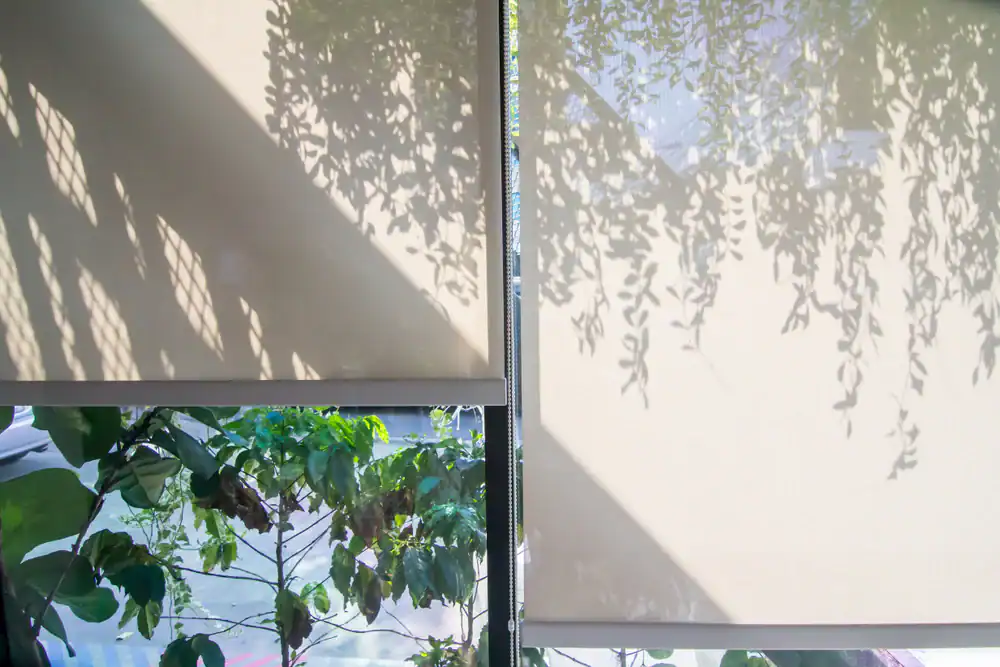
Openness refers to how much light and air can pass through the fabric. A 5% openness means 5% of the fabric is open weave and 95% is solid. A 10% openness means more light and visibility, but slightly less heat and UV rejection.
For most Gateway homes, we recommend 5% openness if you want maximum heat blocking and privacy but still want to see outside. You’ll have a view, but it’s slightly dimmed, like looking through sunglasses. It blocks around 95% of UV rays and heat.
If you want a clearer view and don’t mind a little more light coming through, 10% openness works well. You’ll still block around 90% of UV rays and a significant amount of heat, but the view is sharper and the space feels a bit brighter. We don’t usually recommend going higher than 10% in Texas unless the shade is on a north-facing exposure where heat isn’t as much of an issue.
Yes, but it depends on the mounting and the system. We install exterior roller shades with heavy-duty brackets that are anchored into studs or solid framing, not just surface-mounted into siding or stucco. That’s critical in Gateway, where spring storms and high winds are common.
Most of the systems we install are rated for wind speeds up to 40-50 mph when fully extended. If a severe storm is coming, we recommend retracting the shades. Motorized systems make that easy, you can raise them all with one button press from inside your home.
The fabrics themselves are designed to handle outdoor conditions. They’re UV-stabilized, water-resistant, and won’t stretch or sag over time. We’ve had shades up for 10-plus years in the Fort Worth area that still look and operate like new. The key is proper installation and using commercial-grade hardware, not the lightweight stuff you’d find at a big box store.
Most motorized exterior roller shades run on a plug-in transformer or hardwired low-voltage system. If you have an outlet nearby, we can use a plug-in setup and you’re done. If you want a cleaner look with no visible cords, we can hardwire the motor and hide the wiring inside the wall or along the patio structure.
For existing patios in Gateway, we almost always find a way to add motorization without major construction. A lot of covered patios already have outlets for fans or lights, and we can tap into those. If there’s no power at all, we can run wiring from your house or install a battery-powered motor, though we don’t usually recommend battery systems for large or heavy shades.
The motors we use integrate with most smart home platforms. If you’re already using Alexa, Google Assistant, or SmartThings, we can sync your outdoor patio blinds so they respond to voice commands or operate on a schedule. A lot of our clients set their shades to lower automatically at 10 a.m. and raise at 7 p.m., so they never have to think about it.
Most installs take between three and six hours depending on how many shades you’re having installed and whether they’re motorized. A single large patio shade might take two hours. A full setup with four or five shades across multiple windows and a covered patio usually takes half a day.
We do all the work in one visit. We mount the brackets, hang the shades, test the operation, and if they’re motorized, we program and sync everything before we leave. You don’t need to be involved in the install itself, but we do a walkthrough at the end to show you how everything works.
Lead time from order to install is typically two to three weeks. That’s how long it takes for your custom exterior window blinds to be manufactured. We’re not pulling stock items off a shelf, everything is built to your exact specs. Once they arrive, we call to schedule a date that works for you, and we show up on time with everything we need to finish the job in one trip.
Very little. Most of the exterior roller shades we install can go years without any real maintenance. The fabrics are designed to shed dirt and resist mold, and the motors are sealed against dust and moisture.
We recommend hosing them down once or twice a year to remove pollen, dust, and any debris that’s collected in the folds. You can use a soft brush and mild soap if there are any stubborn spots, but most of the time a quick rinse is enough. Let them dry fully before retracting them so you’re not trapping moisture inside the roll.
If your shades are motorized, there’s nothing you need to do to the motor itself. They’re designed to run maintenance-free for 10-plus years. If something does go wrong, most manufacturers cover the motor with a warranty, and we handle any service calls. The main thing is just keeping the fabric clean and making sure the shades are retracted during severe weather. Do that, and they’ll last as long as you own the home.