
Hear from Our Customers
Your deck stops being that space you avoid between 10 a.m. and 8 p.m. You can sit outside during lunch without sweating through your shirt. Your furniture quits fading every summer, and your AC bill drops because you’re blocking heat before it hits the glass.
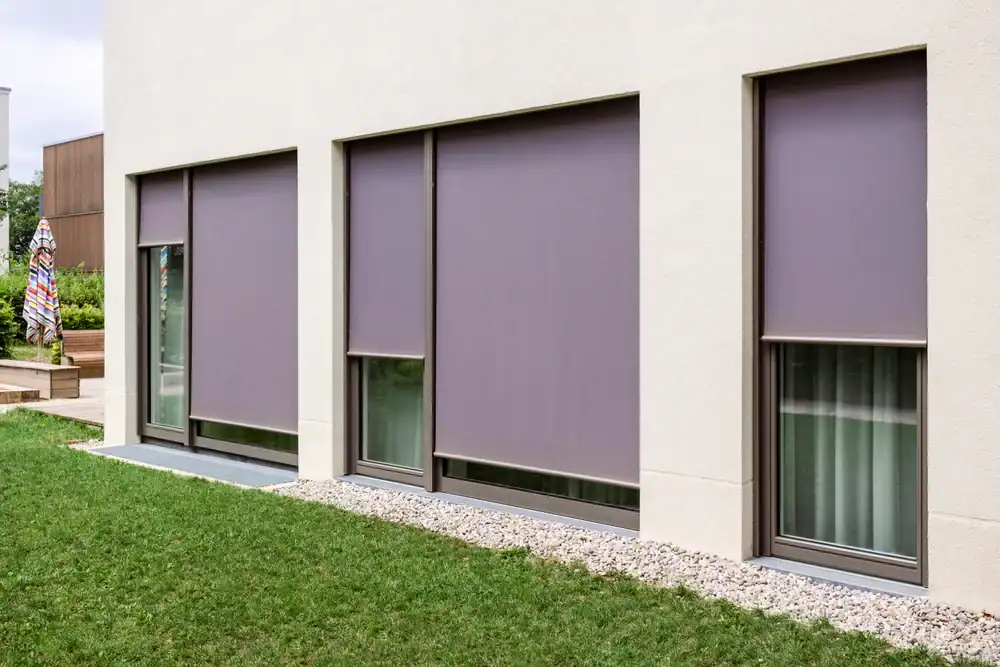
Exterior roller shades cut heat gain by up to 80% and block 99% of UV rays. That’s not marketing talk—it’s the difference between a patio that’s usable and one that sits empty all season. You still get airflow and visibility, just without the punishment.
The shade fabric is built for weather. It won’t mold, mildew, or fade when the Texas sun does its thing. And if you want motorized operation, you can adjust everything from inside without walking out into the heat you’re trying to avoid.
A Plus Shutters & Shades is part of A Plus Home Remodel, a company that’s been working in Tarrant County for over a decade. We handle residential and commercial installs across Arlington, Fort Worth, Grand Prairie, and Naval Air Station JRB.
We’re not a franchise flying in from somewhere else. Our installers know how outdoor shade blinds need to perform here—where summer heat starts in April and doesn’t quit until October. We measure, custom-build, and install everything ourselves, so it fits right and works the way it should.
You’re not getting a salesperson. You’re getting someone who’s done hundreds of these installs and knows what holds up in this climate.

You schedule a free consultation. We come out to your place in Naval Air Station JRB, measure your space, and talk through what you’re dealing with—whether it’s a west-facing patio that bakes all afternoon or a covered deck where the sun sneaks in at angles.
We’ll show you fabric options, explain the difference between manual and motorized systems, and give you a quote on the spot. No pressure, no follow-up calls. If you want to move forward, we order your custom outdoor roller shades and schedule the install.
Installation usually takes a few hours depending on how many shades you’re adding. We mount the hardware, hang the shades, test the operation, and clean up. If it’s motorized, we’ll walk you through the controls before we leave. Then you’re done—your outdoor space is ready to use the same day.

Ready to get started?
Every exterior roller shade we install is custom-measured for your space. That means it fits your opening exactly—no gaps where heat and light sneak through. You pick the fabric based on how much visibility and shade you want. Some people go with tighter weaves for maximum UV blocking, others want more airflow and outward views.
You also choose between manual operation or motorized controls. Motorized systems let you raise and lower your outdoor shade blinds with a remote or app, which matters when you’ve got multiple shades or you’re adjusting them throughout the day as the sun moves.
We’re installing these around Naval Air Station JRB and across Tarrant County where summer heat isn’t optional. The fabric we use is rated for exterior use—it resists mold, mildew, fading, and holds up in wind and rain. We’re not using indoor roller shade materials and hoping they last. This is built for the weather you actually deal with here.

Exterior roller shades can reduce heat gain by up to 80% compared to leaving your patio or windows exposed. That’s a measurable difference you’ll feel the first day they’re installed. The key is that these shades block solar heat before it reaches your windows or living space, which is far more effective than trying to manage heat once it’s already inside.
In Naval Air Station JRB and the surrounding Arlington area, where summer temps regularly hit the mid-90s and higher, that heat reduction translates to a cooler outdoor space and lower cooling costs inside. Some homeowners see up to a 15% drop in their AC bills during peak summer months because their system isn’t fighting against constant solar heat gain.
The exact reduction depends on your shade fabric, the direction your patio faces, and how much direct sun exposure you’re dealing with. West and south-facing patios see the biggest impact because that’s where the afternoon sun hits hardest.
Outdoor roller shades use exterior-grade fabric that’s designed to handle weather—UV exposure, rain, wind, humidity, and temperature swings. Indoor roller shades aren’t built for that. If you try to use indoor materials outside, they’ll fade, develop mold, or break down within a season or two.
The fabric on exterior shades is also engineered for solar heat rejection. It reflects and absorbs UV rays before they pass through, which is why they’re so effective at keeping spaces cooler. Indoor blackout roller shades block light, but they don’t stop heat the same way because they’re not dealing with direct sun exposure from the outside.
Outdoor roller shades also come with hardware that’s corrosion-resistant and built to operate smoothly even when exposed to the elements. The mounting systems are heavier-duty, and motorized options are sealed to protect against moisture. It’s a completely different product category, and using the right one matters if you want something that lasts more than a year in Texas heat.
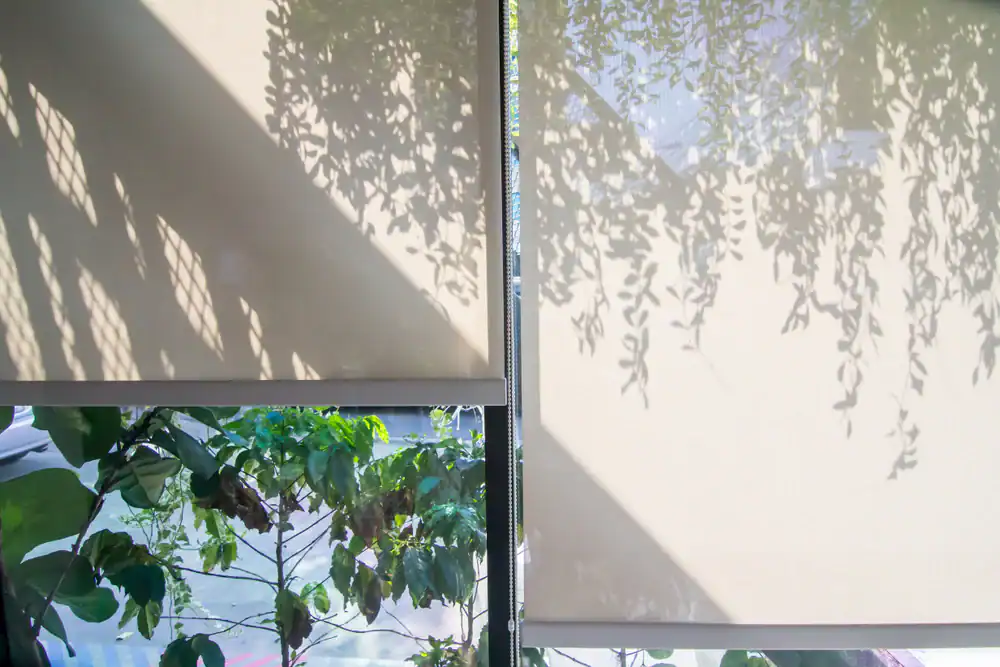
Yes, depending on the fabric you choose. Most outdoor shade blinds use a solar screen fabric with an open weave that blocks UV rays and heat while still allowing visibility. You can see out clearly during the day, but the view from outside looking in is limited—which gives you privacy without feeling closed off.
The tighter the weave, the more UV protection and privacy you get, but you’ll sacrifice some visibility. Looser weaves give you better outward views and airflow but let in slightly more light. We walk through fabric options during the consultation so you can see samples and decide what balance works for your space.
If you want full blackout—like for a sleeping porch or media area—we can do that too, but most people installing outdoor roller shades on patios and decks prefer the solar screen option. You still get the heat and UV blocking, but your outdoor space doesn’t feel like a cave. You’re just removing the harsh glare and temperature spike, not the view.
Most installations take between two and four hours depending on how many shades you’re adding and the complexity of the setup. A single exterior roller shade on a standard patio door might take an hour. A full outdoor living area with multiple shades, motorization, and custom mounting situations will take longer.
We handle everything on-site—mounting the brackets, hanging the shades, making sure the operation is smooth, and testing motorized controls if that’s part of your system. If there are any adjustments needed to get the fit perfect, we take care of that before we leave.
You don’t need to do anything to prep. We bring all the tools and hardware. Once we’re done, your outdoor space is ready to use immediately. There’s no curing time or follow-up visit. You’ll see the temperature difference the same day, especially if we’re installing during the afternoon when the sun’s at its worst.
Yes, if they’re installed correctly with exterior-rated motors and components. Motorized systems designed for outdoor use are sealed against moisture and built to handle temperature extremes. They’re not the same motors used for indoor blinds—those would fail quickly if exposed to the elements.
The advantage of motorized exterior roller shades is that you can adjust them throughout the day as the sun moves without walking outside. That’s especially useful in Naval Air Station JRB where the heat makes it miserable to be out there during peak hours. You can lower the shades in the morning when the sun hits, raise them in the evening when it cools off, and do it all from inside.
Most motorized systems come with remote controls, and many integrate with smart home setups or apps. The motors are quiet, and the operation is smooth. We install the wiring and controls as part of the setup, and we’ll walk you through how everything works before we leave. Battery-operated options are also available if you don’t want to run electrical wiring.
Solar screen fabric with a medium openness factor—usually around 5% to 10%—gives you the best balance. It blocks the majority of UV rays and heat while still allowing air to pass through, which keeps your patio from feeling stuffy. You’ll also maintain decent outward visibility, so you’re not staring at a solid wall of fabric.
Tighter weaves (1% to 3% openness) block more heat and UV but reduce airflow and visibility. Looser weaves (10% to 14% openness) give you better airflow and views but let in more light and heat. The right choice depends on your priorities—whether you’re trying to maximize cooling, maintain a view, or create more privacy.
In Tarrant County, where summer heat is relentless and afternoon sun can make outdoor spaces unbearable, most people go with the 5% to 10% range. It’s enough to drop the temperature significantly without making the space feel enclosed. We bring fabric samples to the consultation so you can see the difference in person and decide what works for how you actually use your patio.