
Hear from Our Customers
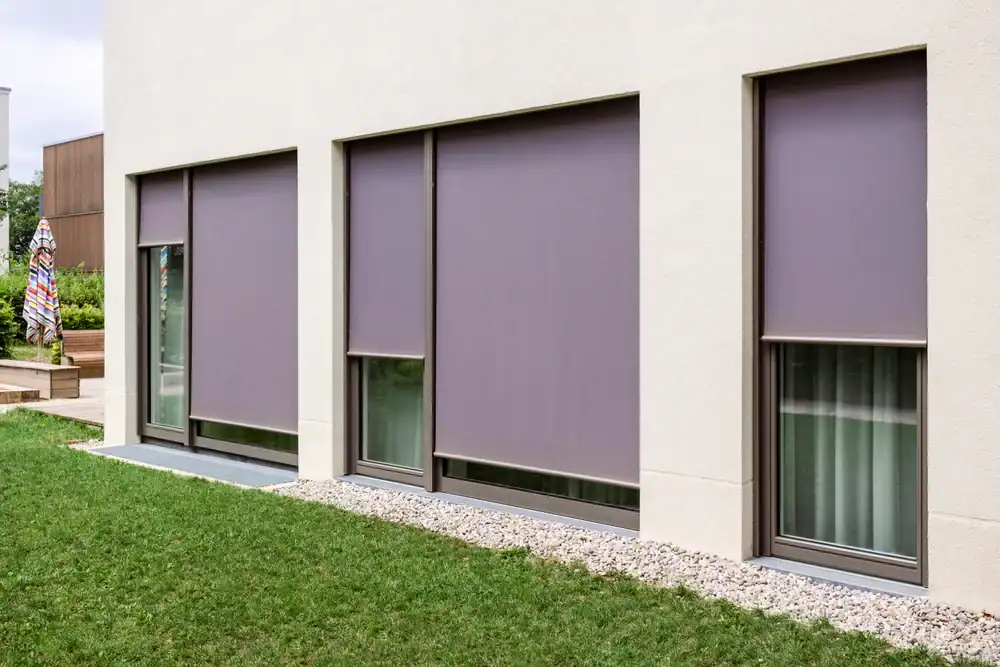
Your patio stops being a seasonal decoration. When outdoor roller shades block direct sun and UV rays, your space becomes usable again—even during those 100+ degree days that Sarah’s Creek sees from June through September.
You’ll notice the difference inside too. Exterior window blinds stop heat before it hits your glass, which means your AC isn’t fighting a losing battle all afternoon. Most homeowners around Pflugerville see cooling costs drop by 20-25% once they add outdoor shade coverage to west and south-facing windows.
Your furniture lasts longer. Cushions don’t fade to that washed-out gray. Wood doesn’t crack. Metal doesn’t get hot enough to burn skin. You stop replacing expensive outdoor pieces every couple years because UV damage finally has a barrier it can’t get through.
And you get privacy without losing airflow. Outdoor shade blinds give you coverage from neighbors and street traffic while still letting breeze through. You’re not sitting in a hot box—you’re sitting in shade that actually feels comfortable.
A Plus Shutters & Shades is part of A Plus Home Remodel, and we’ve spent over 10 years working in North Austin and the surrounding areas. We’re not a franchise following a script—we’re a local team that understands what Texas weather does to outdoor spaces.
Sarah’s Creek homes are newer, well-built, and designed with outdoor living in mind. You’ve got the square footage and the setup. What you need is a way to actually use it year-round without melting or watching your investment deteriorate in the sun.
We measure, manufacture, and install custom exterior roller shades that fit your exact openings. No gaps, no guessing, no “close enough.” Every install comes with a warranty because we’re not disappearing after the job is done.

First, we come out to measure your space and talk through what you’re dealing with. We look at sun exposure, wind patterns, how you use the area, and whether motorized or manual operation makes more sense for your setup. This usually takes 30-45 minutes and you’ll leave with a clear quote—no surprises later.
Once you approve, we order your custom outdoor patio blinds. These are built to your exact measurements using materials designed for Texas heat and humidity. Depending on the time of year, fabrication takes 2-3 weeks.
Installation happens in one day for most residential projects. We mount the housing, secure the tracks or guides, test the operation, and make sure everything runs smooth before we leave. If you’re going motorized, we’ll sync it with your smart home system or set up the remote—whatever you’re using.
After that, you’ve got shade that works. If something needs adjustment or you have questions down the road, we’re a local call—not a 1-800 number three states away.

Ready to get started?
Every exterior roller shade we install is custom-fit to your opening. That means we’re measuring down to the eighth of an inch so the shade blocks light where it’s supposed to and doesn’t leave gaps that let heat sneak through.
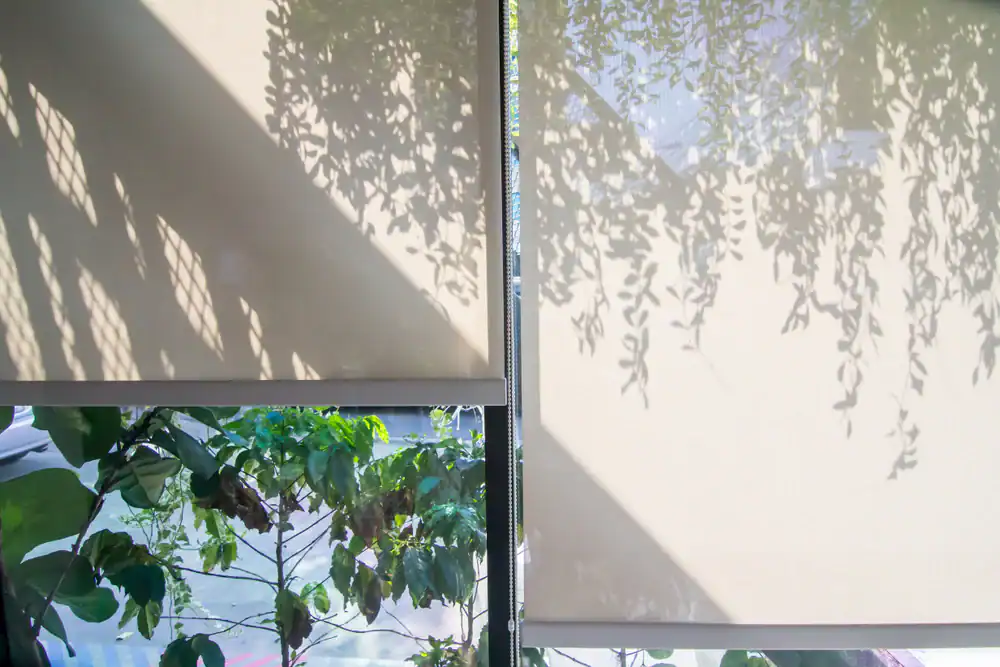
You choose the fabric based on what matters most—full blackout if you want total coverage, solar screens if you want to keep the view while blocking UV, or something in between. Most homeowners in Sarah’s Creek go with a solar shade that blocks 90-95% of UV rays but still lets you see outside. You’re not sitting behind a wall, but you’re also not squinting or baking.
Motorization is an option on any setup. If you’ve already got Alexa or Google Assistant running your home, we can integrate the shades so they’re part of your routine. Or you can go with a simple remote. Manual operation works fine too—it’s a quality crank system, not something that’ll break after a season.
The materials are built for weather. We’re talking powder-coated aluminum housing, stainless steel hardware, and fabrics that won’t mildew or fall apart when they get wet. Texas throws heat, storms, and humidity at outdoor installations, and these are spec’d to handle it without constant maintenance.

You’re looking at a 20-30 degree drop in most cases, depending on shade fabric and sun exposure. If your uncovered patio hits 120 degrees in July, a quality solar shade can bring that down to the low 90s. That’s the difference between unbearable and uncomfortable—which around here, counts as usable.
The bigger impact is on your indoor temperature. When you block sun before it hits your windows and walls, your AC doesn’t have to work as hard. Exterior shades stop heat at the source instead of trying to cool it down after it’s already inside.
Fabric choice matters here. A tight-weave solar screen blocks more heat than a loose one, but it also cuts more visibility. We help you find the balance based on whether you’re trying to cool a specific room, protect furniture, or just make the patio bearable during peak sun hours.
Motorized systems hold up fine if they’re installed correctly and built for outdoor use. The motors we use are sealed and rated for exterior applications, which means they’re designed to handle heat, humidity, and temperature swings without failing.
The weak point is usually installation, not the motor itself. If the shade isn’t level or the fabric has tension issues, the motor works harder than it should and wears out faster. That’s why we measure carefully and test operation before we leave—so the system runs smooth from day one.
Battery-powered motors are an option if you don’t want to run electrical. Solar-powered works too, though it’s less common. Most homeowners go hardwired because it’s reliable and you’re not swapping batteries or worrying about charge. Once it’s set up, you’re just pressing a button or telling Alexa to lower the shades.
They’re mostly hands-off. You’ll want to hose down the fabric a couple times a year to clear dust and pollen, but that’s about it. If you’ve got a motorized setup, there’s no maintenance on the motor unless something breaks—which is rare if it’s installed right.
The fabric itself is designed to shed water and resist mildew, so you’re not dealing with mold issues like you would with a cheap awning. If a storm blows debris onto the shade, just brush it off. Don’t leave it retracted when it’s soaking wet for days on end, but occasional rain isn’t going to hurt anything.
Hardware might need a quick check once a year—make sure mounting brackets are tight, tracks are clear, and nothing’s come loose. Takes five minutes. If you’re not comfortable doing it yourself, we can come out and do a tune-up. Most people don’t need it, but the option’s there.
Depends on the fabric. Solar shades are designed to block UV and heat while keeping visibility. You’ll see through them during the day—it’s like looking through a screen door, just with more sun protection. The tighter the weave, the less you see, but even a 95% blockage fabric still gives you an outline of what’s outside.
Blackout roller shades are the opposite. They’re for total privacy and light control, which makes sense if you’re covering a bedroom window or trying to block headlights from the street. You won’t see through them, and neither will anyone else.
Most outdoor patio blinds in Sarah’s Creek use solar fabric because people want shade and UV protection without losing the view. You’re still watching the kids in the yard or keeping an eye on the grill—you’re just not squinting or sweating while you do it.
Most residential installs take 4-6 hours depending on how many shades you’re adding and whether we’re running electrical for motorization. A single large patio shade might be done in three hours. A full outdoor living area with multiple shades and smart home integration could take a full day.
We’re mounting hardware into brick, stucco, or wood, so there’s drilling and leveling involved. If your patio has unusual angles or we’re working around existing structures like ceiling fans or lighting, that adds time. We don’t rush it—level and square matters more than speed.
The actual fabrication happens before we show up, so there’s a 2-3 week lead time from when you order to when we install. Once we’re on site, though, you’re getting shade that same day. We test everything before we leave, so you’re not waiting on a second trip to finish the job.
Yes, because a roof doesn’t block low-angle sun. Morning and evening light comes in sideways, and that’s when your patio gets hit hardest depending on which direction it faces. A cover helps with overhead sun at noon, but it doesn’t do much when the sun’s at 30 degrees and blasting straight into your seating area.
Outdoor roller shades give you control over side exposure. You drop them when the sun’s low and raise them when it’s not an issue. That flexibility is what makes a covered patio actually usable instead of just “better than nothing.”
You also get wind protection, which matters more than people think. A covered patio with open sides still catches gusts that blow napkins off the table and make it uncomfortable to sit outside. Shades block wind without turning your patio into a stuffy enclosed room. You keep airflow, lose the wind tunnel effect, and end up with a space that feels more finished.