
Hear from Our Customers
Your patio stops being off-limits from May through September. You can sit outside at 2 PM without feeling like you’re in an oven. Your furniture quits fading every season, and your AC bill drops because you’re blocking heat before it ever reaches the glass.
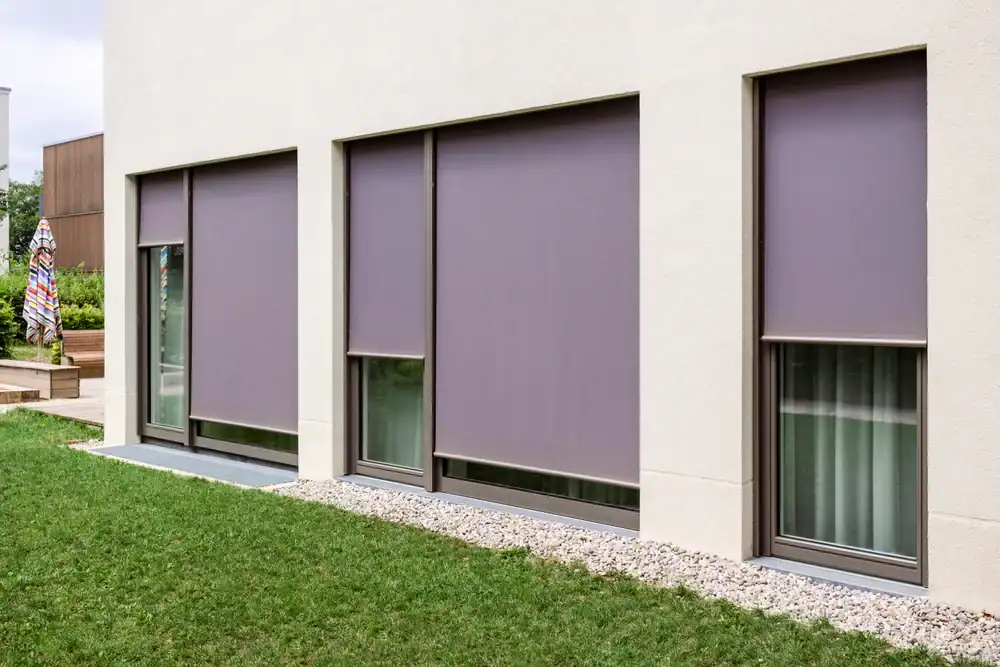
Exterior roller shades work by stopping solar heat on the outside of your windows and outdoor living areas. That’s the difference between managing heat and actually preventing it. When sun hits regular interior blinds, 76% of that light has already converted to heat inside your home. Outdoor shades stop it before that happens.
You’ll notice the temperature difference immediately. Most Southlake homeowners see their covered patios run 20 to 30 degrees cooler than exposed areas. That’s the gap between unbearable and comfortable. Between retreating indoors and actually using the space you paid for.
The energy savings show up on your next bill. Homes with exterior solar shades typically cut cooling costs by 25% to 30% during peak summer months. Your AC runs less because it’s not fighting constant solar heat gain through windows and glass doors.
We’ve spent over ten years installing window treatments across Southlake and the broader DFW area. We’re not a national franchise that showed up last year. We’re local craftsmen who understand exactly how North Texas weather affects your home.
Our background is in construction, not just window coverings. That means we know how to handle tricky installations, protect your property during the job, and make sure motorized systems actually work long-term. Most residential projects finish in a single day.
We use Texas-made products because they’re built for this climate. Materials like basswood and paulownia resist the moisture swings and temperature extremes that cause cheaper alternatives to warp or fail. When you’re in Southlake where summer temps regularly crack 100°F for a third of the year, that matters.

We start with an on-site consultation at your home. You show us the spaces that need coverage, we measure everything, and we talk through fabric options based on how much light and privacy you want. Some homeowners want blackout roller shades for full sun blocking. Others prefer solar screens that maintain visibility while cutting heat and glare.
You’ll see actual fabric samples so you know exactly what you’re getting. We discuss motorization options if you want remote control or smart home integration with Alexa or Google Assistant. Then we give you a detailed quote with no surprise fees later.
Once you approve, we order your custom exterior window blinds built to your exact measurements. Most orders arrive within two to three weeks. We schedule installation at a time that works for you, and our team shows up with everything needed to complete the job.
Installation typically takes a few hours to a full day depending on how many outdoor shade blinds you’re adding. We mount the hardware, install the shades, test all the motorized functions if applicable, and clean up completely before we leave. You’re left with fully functional outdoor patio blinds ready to use immediately.

Ready to get started?
Every exterior roller shade we install is custom-built for your specific openings. We’re not trimming down pre-made sizes and hoping they fit. You get shades manufactured to your exact width and height requirements, with fabric and hardware selected for durability in Texas conditions.
The fabrics we use are rated for outdoor exposure. They resist fading, mildew, and the kind of deterioration that happens when materials sit in direct sun and humidity for years. Depending on what you choose, you can block anywhere from 90% to 99% of UV rays while still maintaining varying levels of outward visibility.
Motorization comes standard on most of our patio roller shade installations. You control them via remote, wall switch, or smartphone app. For homeowners who want it, we integrate with existing smart home systems so your shades operate on schedules or respond to voice commands.
Side channels and zip track systems are available if insect control matters to you. These options seal the edges so bugs can’t slip through gaps when the shades are down. That’s particularly useful for screened patios or outdoor living rooms where you want airflow but not mosquitoes.
All installations include our workmanship warranty. We also pass through manufacturer warranties on the products themselves, so both the materials and the labor are covered. If something fails because of a defect or installation error, we come back and make it right.

Most Southlake homeowners spend between $800 and $2,500 per shade depending on size, fabric choice, and motorization features. A standard 8-foot-wide patio opening with mid-grade solar fabric and basic motorization typically runs $1,200 to $1,800 installed.
Larger openings cost more because you need commercial-grade motors and reinforced hardware to handle the weight. Blackout fabrics and zip track systems with full side sealing add to the price. Smart home integration with app control or voice activation adds another $150 to $300 per shade depending on the system.
The cost breaks down into three parts: the fabric and roller mechanism, the motor and controls, and the installation labor. Cheaper options exist, but they usually involve manual operation or lower-grade materials that won’t hold up in Texas heat. Given that you’re protecting furniture, reducing energy bills, and adding functional outdoor space, most people find the investment pays for itself within a few years through energy savings and avoided furniture replacement costs.
Exterior roller shades block heat before it reaches your windows. Interior shades try to manage heat that’s already inside. That’s the fundamental difference, and it’s why exterior options cut cooling costs by 25% to 30% while interior shades typically reduce costs by only 10% to 15%.
When sunlight hits a window with interior blinds, up to 76% of that solar energy converts to heat inside your home before the shade ever stops it. Your AC then has to work to remove that heat. Exterior shades intercept sunlight on the outside, preventing heat transfer through the glass entirely.
For outdoor living spaces, exterior patio shades also create usable square footage. You’re not just managing indoor temperature—you’re making your patio or deck comfortable enough to actually sit on during summer afternoons. Interior window treatments can’t do that. If you’re specifically trying to use outdoor spaces in Southlake’s summer heat, exterior solar shades are the only real solution.
Quality exterior shades built for Texas weather handle wind and storms better than most people expect, but you do need to retract them during severe weather. Most motorized systems include wind sensors that automatically retract the shades when gusts exceed safe thresholds, typically around 25 to 30 mph.
The materials matter significantly. We use fabrics and hardware specifically rated for outdoor exposure in climates with high heat, humidity, and UV intensity. Cheaper systems with thin fabrics and lightweight hardware fail quickly here. Texas-made products using reinforced stitching, UV-stabilized materials, and corrosion-resistant hardware last years longer.
For everyday weather—afternoon thunderstorms, typical wind, heavy rain—properly installed outdoor shade blinds stay in place and keep working. The mounting hardware anchors into structural elements, not just trim or siding. During tornado warnings or severe thunderstorm watches, retract the shades. They’re designed for sun and heat protection, not to function as storm shutters. Most homeowners with motorized systems just hit a button when weather turns serious, and the shades roll up in seconds.
Yes, blackout roller shades work for covered patios and outdoor rooms where you want complete sun blocking and maximum privacy. They’re particularly popular for outdoor entertainment areas with TVs or projectors, and for west-facing patios that get blasted by late afternoon sun.
True blackout fabrics block 99% of light and UV rays. You’ll get near-total darkness when they’re down, which also means near-total privacy. The tradeoff is you lose outward visibility and some airflow compared to solar screen fabrics. Most people use blackout options in specific situations—like a covered porch where afternoon glare makes the space unusable, or an outdoor room where they want the option to create a dark environment for movie watching.
For general patio use, many Southlake homeowners prefer solar shades with 5% to 10% openness. These block 90% to 95% of heat and UV while maintaining some visibility and airflow. You still get significant temperature reduction and sun protection without completely closing off the space. We usually recommend seeing both fabric types in person during the consultation so you can make an informed choice based on how you actually use your outdoor areas.
Most residential installations finish in four to eight hours depending on how many shades you’re adding and whether we’re mounting to brick, wood, or stucco. A typical project covering three to four patio openings takes about half a day once we’re on site.
The timeline from order to installation runs two to three weeks total. That includes manufacturing time for your custom-built shades and scheduling the installation date. We don’t keep pre-made inventory because everything is built to your exact specifications. Rush orders are sometimes possible if you have a specific deadline.
On installation day, we handle all the mounting, wiring for motorized systems, programming of remotes and apps, and testing to make sure everything operates correctly. We also walk you through how to use the controls and what maintenance the shades need. Most homeowners are using their new outdoor roller shades the same afternoon we install them. The process is straightforward, and our construction background means we’re efficient without cutting corners on quality.
Most Southlake homes see cooling cost reductions of 25% to 30% during summer months after installing exterior roller shades on south and west-facing windows and patios. The savings come from blocking solar heat before it enters your home, which reduces how hard your AC works during peak afternoon hours.
The math is straightforward. When exterior shades block 95% of solar heat gain, your AC doesn’t have to remove that heat from your indoor air. Systems that would normally run continuously from noon to 7 PM during July and August end up cycling off periodically because indoor temperatures stabilize. That’s three to five fewer hours of runtime daily, which directly translates to lower electricity consumption.
Your actual savings depend on how much glass you’re covering, which direction it faces, and how much of your home’s heat gain comes from solar exposure versus other sources. West-facing patios and large sliding glass doors see the biggest impact because they take the worst of afternoon sun. For a typical Southlake home with 200 to 300 square feet of covered outdoor glass, homeowners often report $60 to $120 monthly savings during peak summer. Over a Texas cooling season that runs May through September, that adds up quickly.