
Hear from Our Customers
You know the drill. It’s 3 PM on a Saturday and your covered patio is still unbearable. The sun’s beating sideways through the openings, your furniture’s hot to the touch, and nobody wants to sit outside. You built this space to use it—not to watch it bake empty all summer.
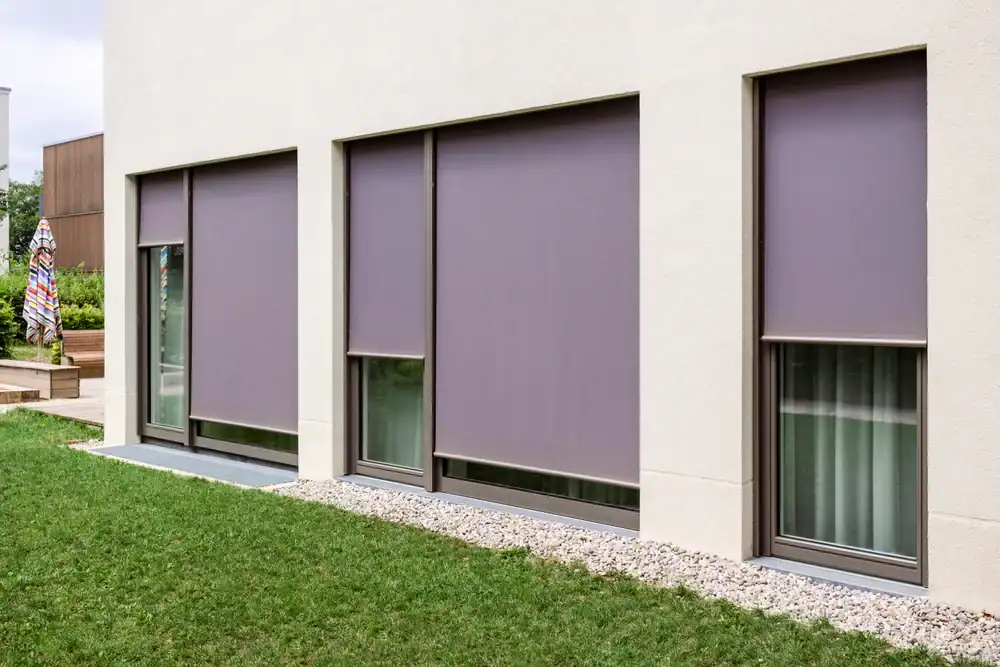
Exterior roller shades change that. They block the sun before it ever reaches your patio, dropping temperatures by up to 30 degrees. That means you can actually sit out there during the day. Your AC isn’t fighting a losing battle trying to cool rooms with sun-blasted windows. And your outdoor furniture stops fading after one season.
These aren’t decorative. They’re built for Texas weather—UV-resistant fabric that holds up to wind and sun, motorized options so you’re not wrestling with manual controls in the heat, and custom sizing that actually fits your space. The difference is immediate. The first time you drop them on a 100-degree afternoon, you’ll feel it.
A Plus Shutters & Shades has been installing outdoor shade solutions across the DFW area and Central Texas for over 10 years. We’re a branch of A Plus Home Remodel, and we opened a dedicated shutter showroom because we got tired of seeing homeowners settle for generic big-box solutions that don’t hold up.
Springbrook Enclave homes were built around 2001-2002, and a lot of you are dealing with the same issues—original windows that aren’t energy efficient, patios that looked great on paper but cook in the afternoon sun, and rising utility bills that don’t make sense for a neighborhood this well-built. We get it because we’ve worked in dozens of homes just like yours.
We measure, we customize, and we install everything ourselves. No subcontractors. No surprises. Just outdoor roller shades that fit right and work the way they’re supposed to.

First, we come out to your home and measure everything. Not just width and height—we’re looking at sun angles, wind exposure, mounting surfaces, and how you actually use the space. That tells us what fabric density you need, whether motorization makes sense, and how to mount everything so it lasts.
Then we build your outdoor shade blinds to spec. Everything’s custom—no trying to make a standard size work. We’re talking about exact dimensions, color-matched to your home, and fabric that’s rated for the kind of heat and UV exposure Springbrook Enclave gets.
Installation usually takes a few hours depending on how many shades you’re adding. We mount the hardware, hang the shades, test the operation, and walk you through how everything works. If you went with motorized, we’ll sync it to your phone or smart home system before we leave. You’re not figuring this out on your own.
After that, they’re ready to use. Most people drop them immediately just to see the temperature difference. It’s not subtle.

Ready to get started?
You’re getting custom-built exterior roller shades designed specifically for your measurements and your home’s sun exposure. The fabric is UV-resistant and rated to block up to 90% of solar radiation, which is what actually drops the temperature and protects your furniture. You can choose from different opacities depending on whether you want full blackout or filtered light.
Motorization is available on every shade we install. That means remote control, smartphone app control, or voice control through Alexa or Google Assistant. In Springbrook Enclave, where summer temps regularly hit 100+ degrees, motorization isn’t just convenient—it means you’re not standing in the heat adjusting shades manually.
We also handle homes with older construction that need reinforced mounting or creative solutions for tricky overhangs. Pflugerville’s building codes and HOA requirements vary, and we’ve worked with enough of them to know what flies and what doesn’t. If your home was built in the early 2000s like most in this neighborhood, we’ve seen your exact setup before.
The result is outdoor patio blinds that fit correctly, operate smoothly, and actually reduce your energy bills. Homeowners in this area typically see a 20-30% reduction in cooling costs once they add exterior shading—because you’re stopping the heat outside instead of fighting it inside.

Exterior roller shades can drop your patio temperature by 20 to 30 degrees compared to an unshaded space. The key word is “exterior”—these mount outside, so they block the sun before it ever reaches your windows or living area. That’s a completely different effect than interior blinds, which only reduce heat after it’s already inside.
In Springbrook Enclave, where you’re dealing with 100+ degree days for months at a time, that difference is massive. Your patio goes from unusable at 2 PM to actually comfortable. Your AC isn’t working overtime to cool down rooms with sun-blasted windows. And your outdoor furniture stops fading and cracking after one brutal summer.
The reduction depends on fabric density and color. Darker, tighter weaves block more heat but also more light. Lighter, more open weaves let some filtered light through while still cutting a significant amount of solar radiation. We help you pick based on how you use the space and what kind of sun exposure you’re dealing with.
Yes, if they’re installed correctly and built with the right components. Motorized outdoor roller shades use weather-rated motors that are sealed against moisture and dust. The fabric itself is UV-resistant and designed to handle wind without tearing or stretching. But the installation matters—if the mounting isn’t solid or the shade isn’t properly tensioned, you’ll have problems.
We see wind issues most often with DIY installs or shades that weren’t sized correctly for the opening. An oversized shade will flap and strain the motor. Undersized mounting hardware will pull loose. In Pflugerville, where you get sudden storms and high winds during spring and summer, those details matter.
Our installs account for wind load and use reinforced mounting brackets on every job. We also tension the fabric so it stays taut without putting unnecessary strain on the motor. If you’re in an especially exposed area, we’ll recommend adding a wind sensor that automatically retracts the shades when gusts hit a certain speed. That’s not always necessary, but it’s an option if your patio faces open land or gets hit hard during storms.
They can, but it depends on how much of your cooling load is coming from solar heat gain. If your home has large windows or sliding glass doors that face west or south, and those areas get direct sun for hours every day, exterior shading makes a huge difference. You’re blocking up to 90% of that solar radiation before it ever hits the glass.
In Springbrook Enclave, where most homes were built in the early 2000s with standard builder-grade windows, solar heat gain is a big part of why your AC runs constantly in summer. Adding exterior roller shades to those high-exposure areas reduces the load on your system. Less runtime means lower bills. Homeowners in similar Texas neighborhoods typically see a 20-30% reduction in cooling costs after installing exterior shading.
Interior blinds help, but they’re not as effective because the heat is already inside by the time it hits them. Exterior shades stop it outside. That’s the difference. If your energy bills spike every summer and you’ve already upgraded your AC, this is the next logical step.
Most installations take between two and four hours depending on how many shades you’re adding and whether we’re dealing with any tricky mounting situations. A single patio with two or three shades is usually a half-day job. A full outdoor living area with multiple openings and motorization might take a full day.
The process itself is straightforward. We mount the brackets, hang the shades, tension the fabric, and test everything to make sure it operates smoothly. If you went with motorized shades, we’ll also sync them to your remote, smartphone app, or smart home system before we leave. You’re not dealing with setup on your own.
Springbrook Enclave homes are mostly similar in construction, so we rarely run into surprises. But if your patio has an unusual overhang, older mounting surfaces that need reinforcement, or HOA restrictions on visible hardware, that can add time. We account for all of that during the initial consultation so there’s no guessing on install day.
Blackout roller shades block nearly all light and visibility. Solar shades block heat and UV rays but still let filtered light through. Both are exterior-rated and built to handle weather, but they serve different purposes depending on how you use your outdoor space.
If you want complete privacy and total shade—like for a patio that faces a neighbor’s yard or a pergola where you want a dark, cool space—blackout shades make sense. They’re also good for outdoor rooms where you might add a TV or projector and need to control glare completely.
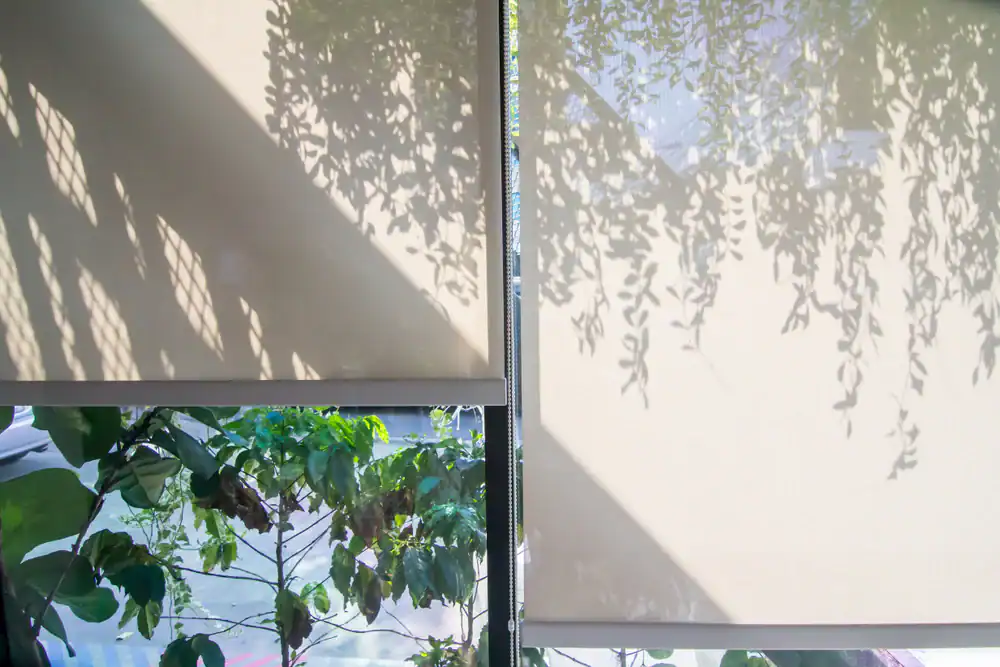
Solar shades are more common for patios where you still want to see outside and let some natural light in. They block 80-90% of solar radiation, which is enough to drop the temperature and protect your furniture, but they’re not opaque. You get a filtered view and a more open feel. In Springbrook Enclave, most homeowners go with solar shades because they want the heat protection without making the patio feel closed off. We walk through both options during the consultation so you can see samples and decide what fits your space.
Usually no, but it depends on your HOA and whether the installation involves structural changes. Exterior roller shades are typically considered an accessory structure, not a permanent addition, so they don’t trigger the same permit requirements as a roof or deck. But some HOAs in Springbrook Enclave have design guidelines that cover visible exterior changes, including shade color and mounting style.
We’ve worked with enough Pflugerville HOAs to know what’s usually acceptable and what might need approval. If your neighborhood has restrictions, we’ll help you navigate that before we start. Most of the time, it’s a matter of submitting a simple request with photos and specs, and approvals come back in a week or two.
If your patio structure itself needs reinforcement to support the shades—like if we’re mounting to older wood that’s not solid—that could require a permit depending on the scope of work. We’ll flag that during the initial visit. But for standard installations on existing covered patios, you’re almost always good to go without permits.