
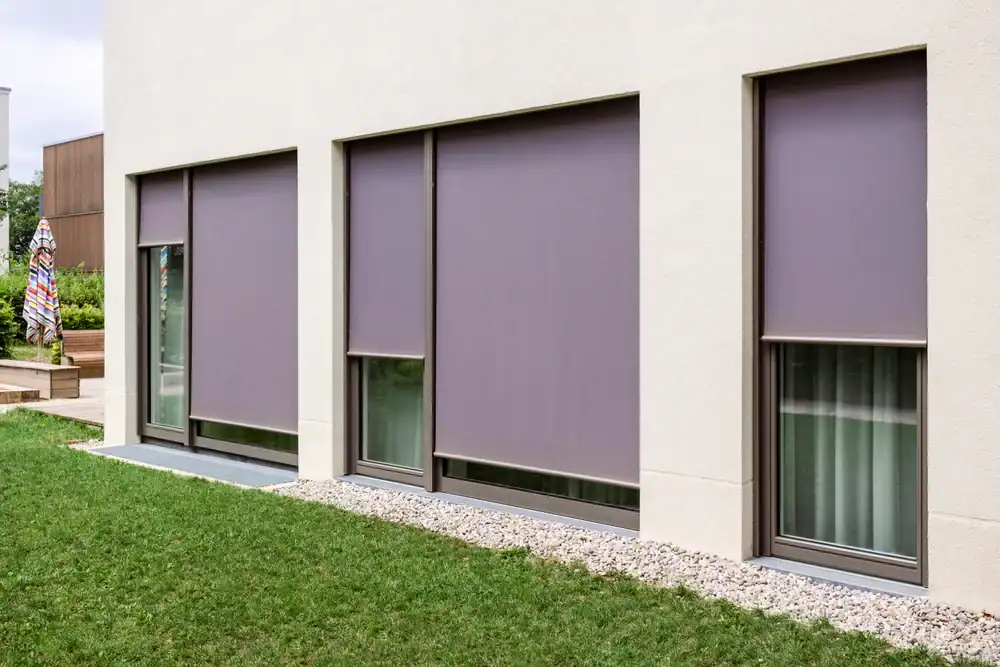
Hear from Our Customers
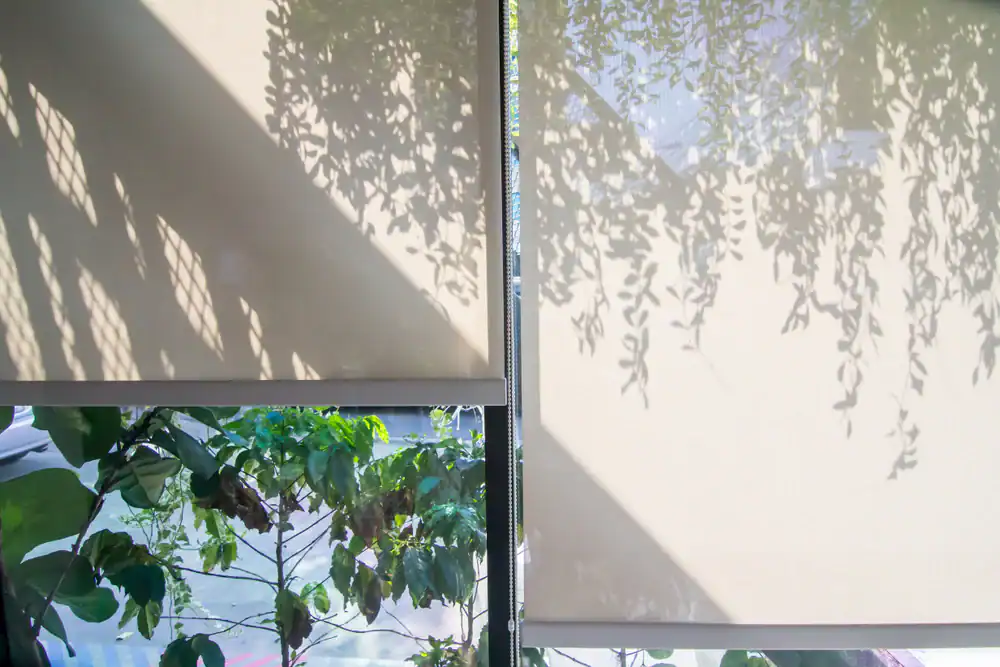
Your west-facing patio stops being unusable after 2 PM. The glare that made dinner outside impossible disappears. Your outdoor furniture quits fading every summer.
You’ll feel the temperature drop the moment you lower the shades. That’s because quality exterior roller shades block heat before it reaches your windows and glass doors, which means your AC isn’t fighting a losing battle all afternoon. Most Westover Hills homeowners see their energy bills drop within the first month.
And you’re not choosing between shade and airflow. The right outdoor shade blinds let the breeze through while keeping the brutal sun out. That’s the difference between a patio that sits empty and one that becomes your favorite room in the house.
A Plus Shutters & Shades grew out of A Plus Home Remodel, a company that’s been working in Arlington and the surrounding areas for over 10 years. We’re fully licensed and insured, and we only install products built to handle Texas weather.
We’re not a franchise following a script. We’re a local team that knows what happens to cheap outdoor patio blinds when a summer storm rolls through Westover Hills. We’ve seen what works and what fails, and we only install what we’d put on our own homes.
Every shade we install comes with a full warranty on materials and labor. We measure, manufacture, and mount everything ourselves, so there’s no finger-pointing if something isn’t right.

First, we come to your home in Westover Hills and measure your space. We’re looking at mounting surfaces, sun angles, wind exposure, and how you actually use the area. This isn’t a quick in-and-out—we need to understand what you’re dealing with.
Then we walk through fabric options. You’ll see samples of solution-dyed materials that won’t fade or weaken in the Texas sun. We’ll explain the difference between light-filtering and blackout roller shades, and which makes sense for your setup. If you want motorized controls, we’ll show you how that works too.
Once you approve everything, we order your custom exterior roller shades. They’re made to your exact measurements—not trimmed down from stock sizes. When they arrive, our installers mount them with commercial-grade hardware that’s rated for high winds. We test every shade before we leave, and we show you how to operate and maintain them so they last.

Ready to get started?
Every exterior roller shade we install is custom-built for your specific opening. We’re not adjusting pre-made sizes—we’re manufacturing each shade to fit exactly where it needs to go.
The fabrics we use are solution-dyed, which means the color goes all the way through the material. That’s why they don’t fade like cheaper alternatives that just have color on the surface. In Westover Hills, where your shades are getting hit with intense UV exposure, that matters. We’re also using materials rated to block 90-95% of UV rays while still allowing airflow, so your patio doesn’t turn into a wind tunnel or a sauna.
You can choose manual operation or go with motorized controls. Motorized makes sense if you’ve got large shades or multiple units you want to control together. Some homeowners in the area are integrating them with smart home systems, but that’s completely optional.
The hardware is commercial-grade. We’re using mounting brackets and mechanisms designed for outdoor exposure and high winds. These aren’t the same components you’d find on interior window treatments, because they wouldn’t survive a Texas summer.

Quality outdoor roller shades with solution-dyed fabric and commercial-grade hardware typically last 10-15 years in Texas, even with constant sun exposure. The key is the material construction and how they’re installed.
Cheap shades from big box stores might give you 2-3 years before the fabric breaks down or the hardware fails. They’re not built for 100+ degree days and sudden storms. The fabric fades, cracks, or starts flapping in the wind because the mounting system wasn’t designed for outdoor conditions.
The shades we install use fabrics where the color is part of the material itself, not just coated on top. That’s why they don’t fade. The hardware is rated for outdoor use and high winds, which matters in Westover Hills when storms blow through. We’re also mounting them properly into solid surfaces, not just screwing them into trim that’ll pull loose.
Yes, but only if they’re installed on the outside of your windows and glass doors. Blocking heat before it hits the glass is completely different from blocking it after it’s already inside.
When sun hits your windows, the glass heats up and radiates that warmth into your home. Interior blinds can’t stop that—the heat is already in. Exterior roller shades block up to 95% of that heat before it ever reaches the glass, which means your AC isn’t working as hard to compensate.
Most Westover Hills homeowners see the biggest difference on west-facing windows and patio doors in the afternoon. That’s when the sun is most intense and your cooling system is struggling the most. Dropping the exterior shades during peak heat can reduce the temperature in those rooms by 10-15 degrees, which translates directly to lower energy use.
Blackout roller shades block nearly all light and give you maximum heat rejection and privacy. Light-filtering shades reduce glare and heat while still letting some natural light through and maintaining partial views.
For covered patios and outdoor living areas in Westover Hills, most people choose light-filtering. You still get plenty of shade and UV protection, but you’re not sitting in the dark. You can see out, and the space feels open. These work well when you want to use the area during the day without losing all your natural light.
Blackout makes more sense if you’re shading windows where you need complete privacy or maximum heat blocking. Some homeowners use blackout exterior window blinds on west-facing bedroom windows that turn into ovens every afternoon. The trade-off is you’re blocking the view and most of the natural light, but you’re getting the most heat rejection possible.
Quality motorized systems are built for outdoor use and handle Texas weather fine, but you need to retract the shades when high winds are forecast. The motors aren’t the weak point—it’s the fabric taking a beating when it’s deployed during a storm.
The motorized mechanisms we install are rated for outdoor exposure. They’re sealed against moisture and built to handle temperature swings. The motors themselves rarely fail. What causes problems is leaving shades down during high winds, which puts stress on the fabric and hardware that they’re not designed to handle.
Most homeowners in Westover Hills keep their outdoor patio blinds down during normal use and retract them when storms are coming. If you’re integrating with a smart home system, you can set them to retract automatically based on wind sensors. Otherwise, it’s just a habit—when you see a storm rolling in, hit the button and bring them up.
We drill into the brick or stone with masonry bits and use anchors rated for the material and the weight load. It’s more involved than mounting to wood, but it’s not a problem if it’s done right.
The key is using the correct anchors for your specific surface. Brick, stone, and stucco all require different approaches. We’re not just using standard screws—we’re using expansion anchors or sleeve anchors that grip inside the masonry and won’t pull out under stress.
We also make sure we’re mounting into solid areas, not just mortar joints or thin veneer. On some Westover Hills homes, we’re mounting above openings into the structural brick or into solid blocking that was installed during construction. The goal is a secure mount that’ll handle the weight of the shade and any wind load without damaging your exterior or failing over time.
Rinse them off every few months and check the hardware once a year. That’s really it if they’re quality shades installed correctly.
Dust, pollen, and dirt will build up on the fabric, especially during Texas spring and summer. A garden hose and mild soap are usually enough to clean them. Don’t use a pressure washer—that can damage the fabric. Just rinse from top to bottom and let them air dry before retracting.
Once a year, check the mounting brackets and hardware for any looseness or wear. If you’ve got motorized outdoor shade blinds, make sure the motor is still responding smoothly. The solution-dyed fabrics we use don’t need any special treatment—they’re designed to handle UV exposure without breaking down. If you ever notice fraying, unusual resistance when operating, or hardware that’s come loose, that’s when you call us to take a look.