
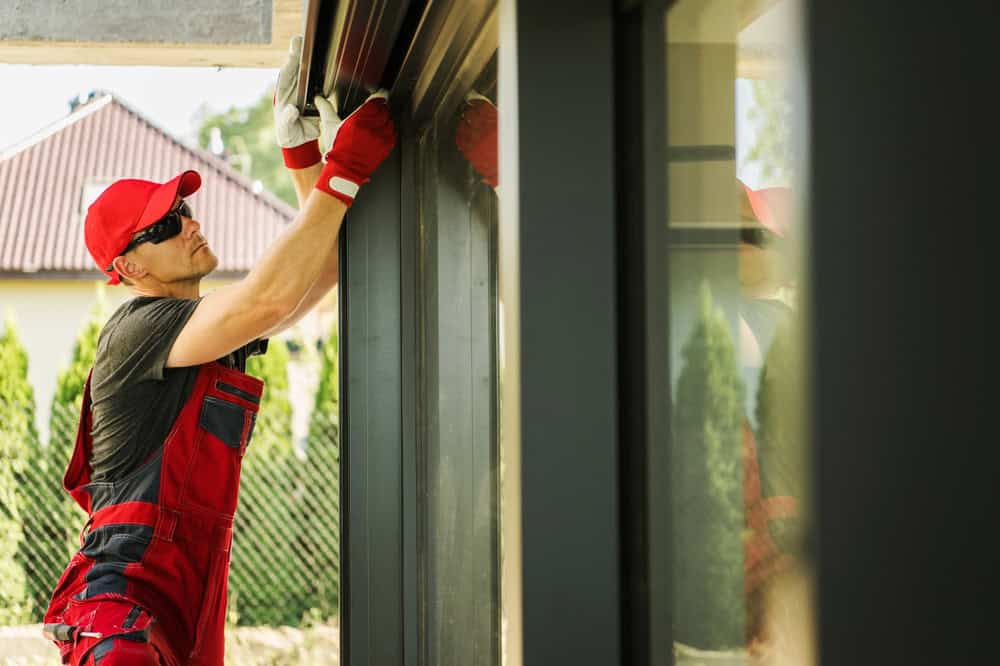
Hear from Our Customers
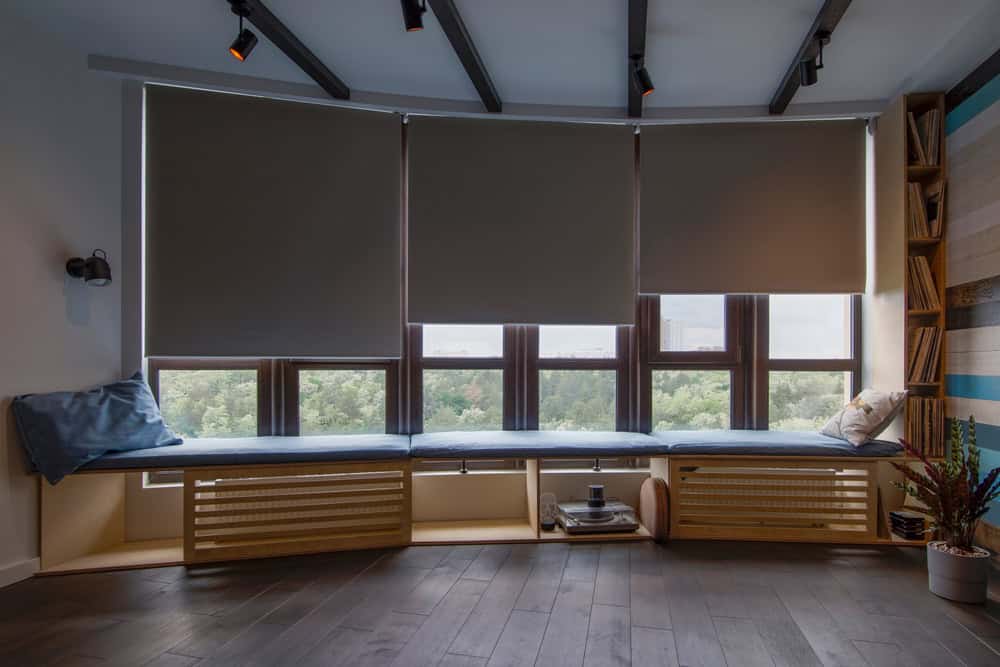
You stop waking up at sunrise when you don’t want to. Your bedroom stays dark enough to sleep past 6 a.m., even in June when the sun’s up early and bright.
Your energy bill drops because you’re not cooling rooms that are baking in afternoon sun. Blackout roller shades trap air between the fabric and your windows, which means your AC isn’t fighting a losing battle all summer long.
And you’re not dealing with that halo of light around the edges because someone measured wrong. When roller blinds for windows are installed correctly, they sit close enough to the frame that light doesn’t leak through. That’s the difference between blackout blinds that work and ones that don’t.
We’ve spent years installing interior roller shades across Euless and the surrounding areas. We know how the Texas climate works—hot summers, unpredictable winters, and plenty of sun year-round.
That means we understand what fabrics hold up, what mounting styles work best for different window types, and how to measure so your blackout window blinds actually block light instead of just dimming it. We’re not new to this, and we’re not learning on your house.
If you want roller shade blinds that fit right the first time and last longer than a couple seasons, that’s what we do. No runaround, no overselling—just solid work from people who’ve done it hundreds of times.
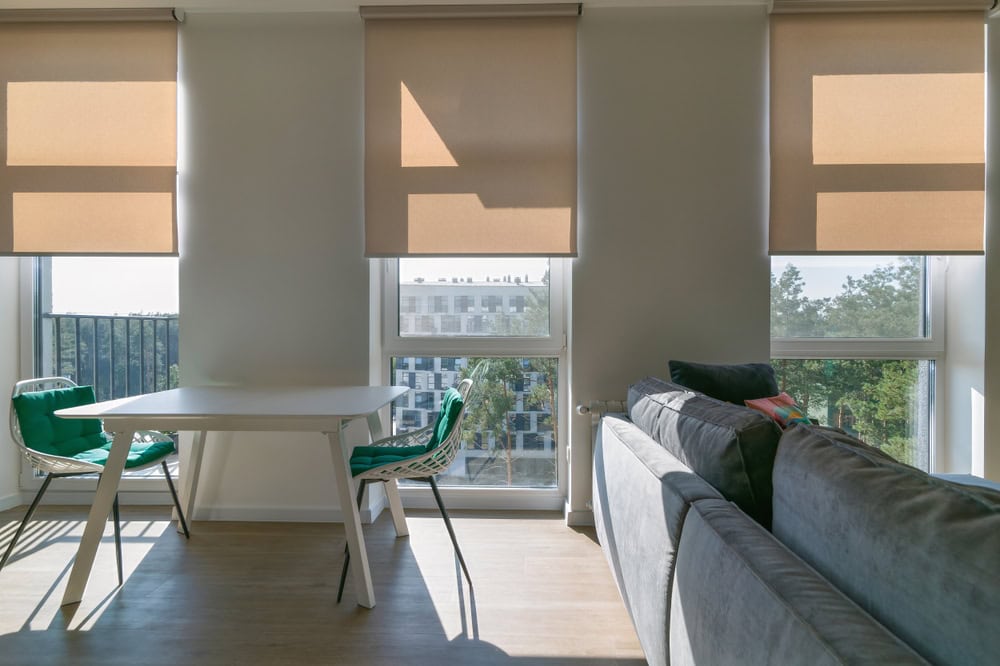
First, we come out and measure every window individually. Not estimates—actual measurements with attention to mounting depth, bracket placement, and whether you need inside or outside mount. Even an eighth of an inch matters when you’re trying to block light completely.
Then we walk you through fabric options. Blackout if you need total darkness. Light-filtering if you want privacy but still some natural light. We’ll also talk through cordless or motorized options if you’ve got kids, pets, or just want convenience.
Once you pick what works, we order everything custom. No stock sizes that “kind of” fit. When it arrives, we install it ourselves—level, secure, and tested before we leave. You’ll know how to operate it, how to clean it, and what to expect long-term.
Ready to get started?
You’re getting roller blind window treatments that are built for your exact window size. That means no gaps, no light leaks, and no “close enough” installs that leave you frustrated three months later.
In Euless, where summer temps regularly hit the 90s and your AC runs nonstop, energy-efficient roller shades make a real difference. The right fabric blocks heat from entering during the day, which takes pressure off your HVAC system. That’s not marketing talk—it’s how thermal window treatments actually work.
If you go with blackout roller shades, you’re also getting complete darkness. That matters if you work nights, have young kids who need solid nap conditions, or just want to sleep without a sunrise alarm you didn’t ask for. And if safety’s a concern, cordless options eliminate the risk of entanglement for kids and pets.
We also offer motorized roller shades that integrate with smart home systems. Set them to lower automatically when the sun hits a certain angle, or control them from your phone. It’s convenient, and it helps you manage energy use without thinking about it.

It depends on what you’re trying to accomplish in that room. Blackout blinds for windows are the right call if you need complete darkness—bedrooms where you want zero light coming in, nurseries, home theaters, or any space where sleep quality or screen glare is an issue.
Light-filtering roller shades let natural light in while still giving you privacy. They’re good for living rooms, kitchens, or offices where you want brightness during the day but don’t want people seeing in from outside.
If you’re on the fence, think about this: blackout fabric blocks 100% of light when installed correctly. Light-filtering blocks visibility but not sunlight. In Euless, where the sun is strong most of the year, blackout shades also do a better job reducing heat gain, which helps with cooling costs. If energy efficiency and sleep are priorities, go blackout. If you just need daytime privacy and some sun control, light-filtering works fine.
Because they weren’t measured or installed correctly. Even an eighth of an inch off in your measurements can create a gap between the shade and the window frame, and that’s where light leaks through—especially with blackout blinds where the whole point is total darkness.
Another common issue is mounting. If the roller shade isn’t installed level, the fabric can roll unevenly and pull to one side, which creates more gaps. Loose brackets make this worse over time.
The fix is professional measurement and installation. We measure each window individually and mount the brackets so the shade sits as close to the frame as possible. For inside mounts, that means accounting for depth and any obstructions. For outside mounts, we extend coverage beyond the frame to eliminate side gaps. If you’ve had dark out blinds before that didn’t work, it probably wasn’t the product—it was the install.
Yes, if they’re installed right and you use them strategically. Roller shades create a barrier between your windows and your living space, trapping air in that gap. In summer, that keeps heat from radiating into your home. In winter, it keeps warm air from escaping.
The bigger impact is during peak sun hours. If you lower your blackout roller shades on south- and west-facing windows during the afternoon, you’re blocking a ton of heat before it ever gets inside. That means your AC doesn’t have to work as hard, which directly reduces your cooling costs.
In Euless, where summer heat is relentless and energy bills spike from June through September, this isn’t a small thing. Homeowners who use roller blinds for windows strategically—especially blackout or thermal fabrics—see noticeable drops in usage. It’s one of the most cost-effective ways to improve energy efficiency without replacing windows or adding insulation.
Cordless roller shades use a spring mechanism. You pull the bottom of the shade down to lower it, and give it a light tug to release the spring and raise it back up. No cords, no chains—just manual operation that’s safer for homes with kids or pets.
Motorized roller shades use a small motor inside the roller tube. You control them with a remote, wall switch, or smartphone app. Some systems integrate with smart home platforms, so you can set schedules or automate them based on time of day or sunlight intensity.
Cordless is simpler and costs less. Motorized is more convenient, especially if you have hard-to-reach windows, want automation, or just prefer not to adjust shades manually throughout the day. For energy efficiency, motorized has an edge because you can program your blackout window blinds to lower during peak heat without having to remember to do it yourself. Both eliminate the strangulation hazard that comes with traditional corded shades, which is why they’re the standard now.
Good-quality roller shade blinds should last 7 to 10 years or more, depending on the fabric, how often you use them, and whether they were installed correctly. Cheaper materials or poor installation can cut that timeframe in half.
The most common failure points are the spring mechanism in cordless models and the mounting brackets. If brackets aren’t secured properly, the shade can sag or pull away from the wall over time, especially on wider windows. If the roller isn’t level during install, the fabric can bunch or roll unevenly, which wears it out faster.
We use quality materials and install everything level and secure from the start. That means fewer repairs, less sagging, and roller blinds for windows that operate smoothly for years. Maintenance is minimal—occasional dusting or spot cleaning depending on the fabric. If you go with motorized, the motors are designed to last as long as the shade itself under normal use. The key is getting it done right the first time so you’re not dealing with problems two years in.
Yes. We handle standard windows, oversized windows, angled windows, bay windows, and anything else you’ve got. Custom roller shades are built to your exact specs, so size and shape aren’t limitations—they’re just details we account for during measurement.
For larger windows, we’ll talk through whether a single wide shade makes sense or if splitting it into multiple panels is better for operation and durability. Wide shades can get heavy, and the wider the span, the more important it is that everything is level and properly supported.
If you’ve got floor-to-ceiling windows or odd angles, we’ll figure out the best mounting approach so your interior roller shades look clean and function smoothly. Euless homes come in all layouts, and we’ve seen most of them. Unusual windows aren’t a problem—they just take a little more planning on the front end.