
Hear from Our Customers
Your furniture stops fading. That’s the first thing most people notice—the couch that was losing color every summer finally stays intact. Roller shades with proper UV blocking can stop up to 99% of the rays that break down fabric, wood, and flooring.
Then your energy bill drops. Windows are responsible for up to 40% of energy loss in Texas homes, and when you’re running AC from April through October, that adds up fast. Blackout roller shades and insulated fabrics create a barrier that keeps cool air in and heat out.
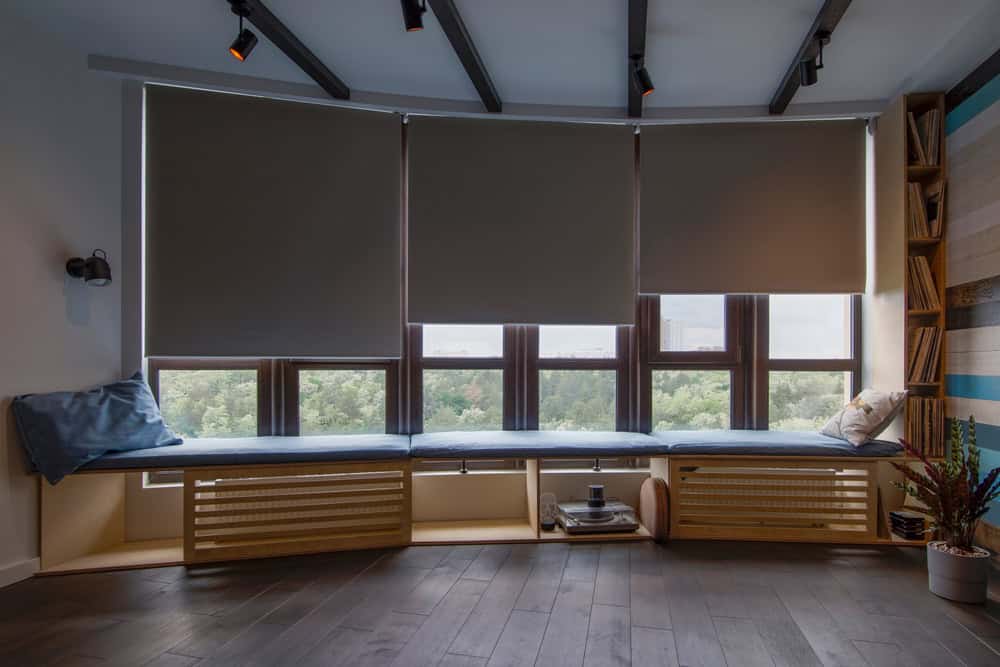
And you sleep better. Real blackout blinds for windows don’t just dim the room—they eliminate light gaps along the edges. No more sunrise at 6 a.m. or streetlights bleeding through. If you work nights, deal with migraines, or just value actual darkness, that matters.
You also get the look you want. Roller shade blinds come in hundreds of fabrics, textures, and opacity levels. Light filtering when you want a soft glow. Blackout when you need total control. Motorized when you want convenience. It’s not about what’s trendy—it’s about what works in your space.
A Plus Shutters & Shades is part of A Plus Home Remodel, and we’ve spent over a decade working on homes across the Dallas-Fort Worth area and into the Hill Country. That construction background matters because installing interior roller shades the right way requires more than a drill and a level.
We know Lago Vista. The lakeside homes here aren’t cookie-cutter, and the sun exposure changes depending on which side of the hill you’re on. We’ve worked with enough homeowners in Travis County to understand what actually holds up and what doesn’t when you’re dealing with Texas heat and humidity.
We’re not the biggest name in window treatments, and we’re fine with that. What we are is local, experienced, and honest about what you need versus what someone’s trying to upsell you on. If blackout window blinds make sense, we’ll tell you. If light filtering works better for your situation, we’ll say that too.
It starts with a free consultation at your place. We measure your windows, talk about what’s bothering you—heat, light, privacy, fading furniture—and show you fabric samples so you can see the difference between light filtering and blackout options in your actual lighting.
Then we give you a quote with no pressure and no games. You’ll know exactly what the roller blinds for windows cost, what fabrics we’re using, and how long installation takes. If you want motorization or smart home integration, we price that out too.
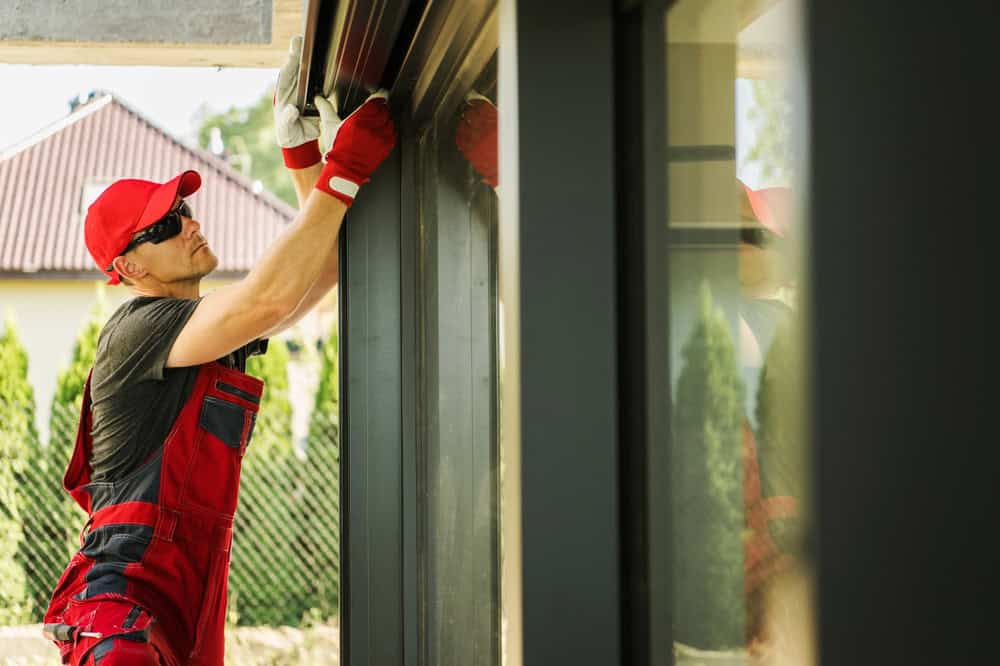
Once you’re ready, we order custom roller shade blinds built to your exact measurements. Most orders arrive within two to three weeks. We schedule installation around your availability, and our team shows up on time with everything needed to mount the shades correctly—whether that’s inside mount, outside mount, or something custom for odd-shaped windows.
Installation is usually done in a few hours depending on how many windows we’re covering. We test every shade before we leave, show you how to operate them, and clean up completely. If you went with motorized options, we’ll sync them to your system and make sure everything responds the way it should.
Ready to get started?
Every roller shade we install is custom-measured for your windows. That means no light gaps, no sagging, and no “close enough” sizing that leaves you with drafts or visibility issues. You pick the fabric based on how much light control you want—sheer, light filtering, room darkening, or full blackout.
Blackout roller shades are the most popular option in Lago Vista for bedrooms and media rooms. The fabric blocks 100% of light when mounted correctly, and the insulation helps with temperature control. If you’ve got west-facing windows getting hammered by afternoon sun, this is what actually makes a difference.
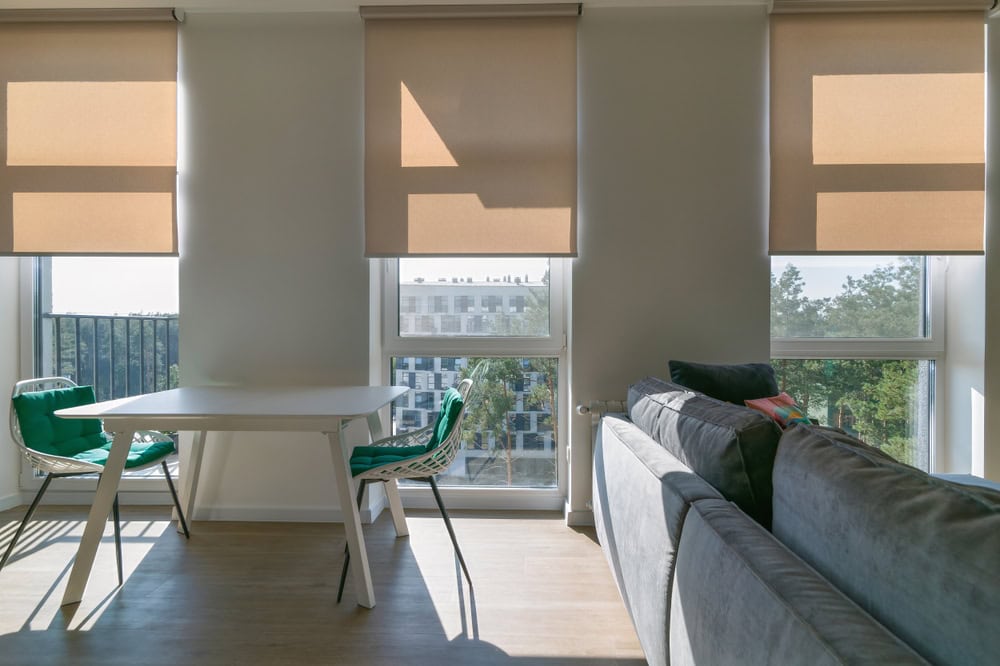
For living areas and kitchens, light filtering roller blinds give you privacy without killing natural light. You can see out during the day, but people can’t see in. The fabric still blocks UV rays that fade furniture, but it keeps the space from feeling like a cave.
Motorization is available on any style. You can control shades with a remote, wall switch, or integrate them into your smart home system. That’s useful if you’ve got high windows, want to automate schedules, or just don’t feel like walking across the room every time the sun shifts.
We also carry roller shade blinds in cordless and continuous loop options depending on what’s safest and most practical for your household. If you’ve got kids or pets, cordless is the way to go. And all of our fabrics are selected for durability in Texas heat—they won’t warp, crack, or discolor the way cheaper materials do after a few summers.

Yes, but the impact depends on the fabric and how well they’re installed. Windows account for up to 40% of energy loss in most homes, and in Texas, that loss is mostly heat gain during summer. Blackout roller shades with thermal backing create an insulating layer that reduces the amount of heat coming through the glass.
The Department of Energy estimates that proper window treatments can reduce heat gain by up to 77% on sun-facing windows. In Lago Vista, where you’re running AC for six-plus months a year, that translates to lower utility bills. The shades pay for themselves over time, especially on west and south-facing windows that take the brunt of afternoon sun.
That said, not every window needs blackout. If you’ve got north-facing windows or windows shaded by trees, light filtering roller blinds might be enough. We’ll walk you through which windows are costing you the most and where blackout actually makes financial sense.
Blackout means zero light gets through the fabric itself. Room darkening means the fabric blocks most light but not all of it. The confusion comes from the edges—even blackout fabric will let some light in if there are gaps between the shade and the window frame.
True blackout roller shades require precise measurement and proper mounting to eliminate those gaps. We typically do an inside mount with side channels or a cassette system that wraps around the edges. If the shade is even a quarter inch too narrow, you’ll get light bleed, and it’s not really blackout anymore.
Room darkening shades are a good middle ground if you want a darker space but don’t need total darkness. They’re popular in living rooms and dining areas where you want to cut glare and reduce heat without making the room feel closed off. For bedrooms, nurseries, or home theaters, blackout is usually the better call.
If they’re made with the right materials, yes. Cheap roller blinds from big box stores will fade, warp, and break down within a couple years under Texas sun. The fabric loses its coating, the mechanisms get brittle, and you end up replacing them.
We use fabrics specifically rated for high UV exposure and heat. That means they’re treated to resist fading and degradation even on windows that get direct sun for hours every day. The hardware—brackets, rollers, and pull mechanisms—is also built to handle the expansion and contraction that comes with temperature swings.
Lago Vista sits right in the Hill Country where summer temps regularly hit the mid-90s and UV exposure is intense. The roller shades we install here are the same ones we’d put in our own homes. They’re designed to last 10-plus years without losing functionality or appearance, and they come with warranties that actually mean something.
From consultation to installation, you’re usually looking at three to four weeks. The consultation and measuring take about an hour depending on how many windows we’re covering. Once you approve the quote, we order the custom roller shade blinds, and production typically takes two to three weeks.
Installation day depends on the size of the job. A few windows in a bedroom might take an hour. A whole house with 15 or 20 windows could take half a day. We don’t rush it—proper mounting matters, especially with blackout shades where even a small gap ruins the effect.
If you need something faster, let us know during the consultation. We occasionally have in-stock options or can expedite orders for an additional fee. But in most cases, waiting for custom sizing is worth it. You’re living with these roller blinds for years, and the difference between a perfect fit and an almost-perfect fit is the difference between shades that work and shades that annoy you.
Depends on your situation. If you’ve got high windows, large shades, or a lot of windows in one room, motorization makes life easier. You’re not climbing on furniture or walking around adjusting things every time the light changes. You hit a button, and they all move at once.
Motorized roller shades also let you set schedules. You can program them to close during the hottest part of the day to keep cooling costs down, then open in the evening when the sun’s not beating on the glass. If you’re gone during the day, that automation saves energy without you thinking about it.
The upfront cost is higher—usually a few hundred dollars more per window depending on the system. But the motors we install are quiet, reliable, and integrate with most smart home platforms. If you’re already running Alexa, Google Home, or a full automation system, adding roller blinds to that setup is straightforward. For most people, it’s a convenience upgrade. For people with mobility issues or hard-to-reach windows, it’s a necessity.
Yes, if you choose fabrics with UV blocking built in. Sunlight is the main culprit behind fading furniture, hardwood floors, and artwork. UV rays break down the dyes and finishes over time, and in Lago Vista where sun exposure is high year-round, that damage happens faster than in other climates.
Blackout roller shades block up to 99% of UV rays, which is about as good as it gets short of covering your windows with plywood. Light filtering options block 90% or more depending on the fabric. Even sheer roller blinds offer some protection, though not enough if you’ve got expensive furniture in direct sunlight.
The key is matching the fabric to the exposure. South and west-facing windows need the most protection because they get the longest and most intense sun. North and east-facing windows can often get away with lighter fabrics. We’ll look at your space during the consultation and tell you honestly where UV damage is a real risk and where you’ve got more flexibility.