
Hear from Our Customers
You’re not buying roller blinds for windows just to cover glass. You’re trying to sleep past sunrise. Keep your living room from turning into a greenhouse by 2 p.m. Maybe drop your cooling bill during another brutal Texas summer.
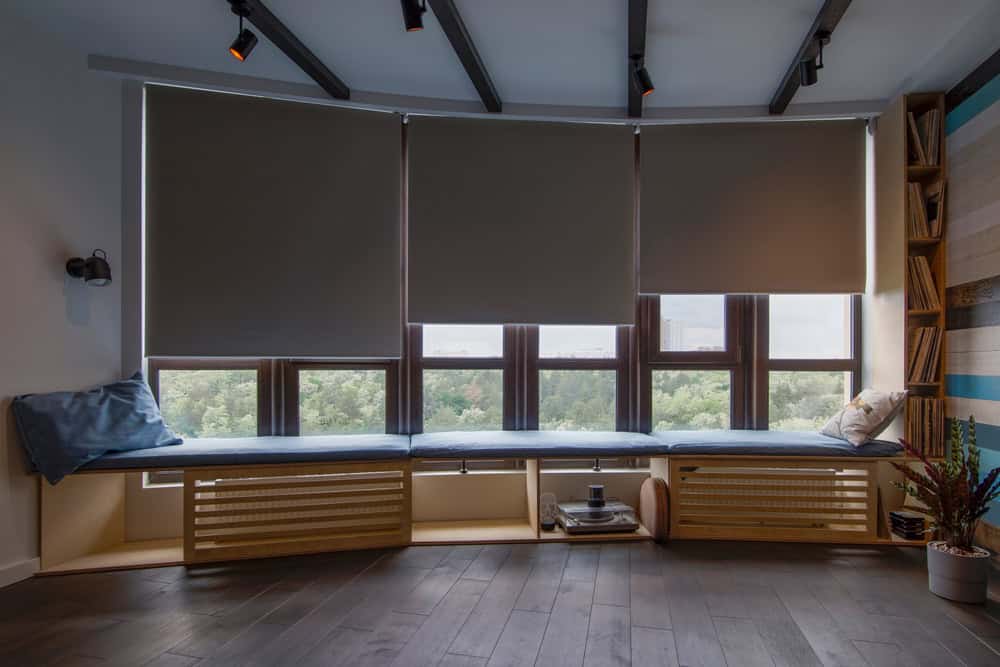
Here’s what changes when blackout roller shades actually fit. Your bedroom stays dark enough to sleep in. Your furniture stops fading from UV exposure. Your AC doesn’t run all day fighting the sun coming through south-facing windows.
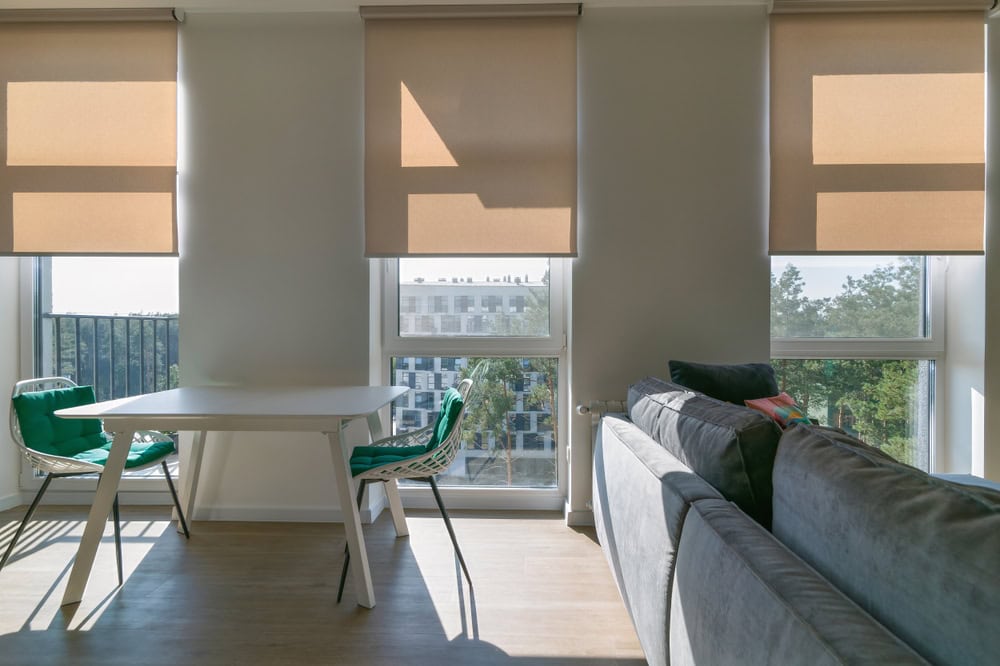
And if you’re working from home, you already know what glare on a screen feels like at 3 p.m. Interior roller shades give you control over that without making the room feel like a cave. Light filtering when you want it. Complete blackout when you don’t.
The difference comes down to measurement and installation. Even an eighth of an inch off creates halo light around the edges. That’s why we measure in three places with a steel tape and mount them ourselves.
A Plus Shutters & Shades is part of A Plus Home Remodel, a company that’s been working on homes across the DFW area for over 10 years. We’re not a franchise selling you someone else’s product. We’re a local operation that sources Texas-made roller shades and installs them with the same attention we’d give our own houses.
Newark homeowners deal with the same things the rest of North Texas does: intense sun, rising energy costs, and older homes that weren’t built with efficiency in mind. We’ve seen what works here and what doesn’t. Cordless blackout blinds for safety if you’ve got kids. Motorized options if you’re managing multiple windows or exterior shades. Fabrics that hold up to heat without warping or fading after one summer.
We’re based in Arlington and work throughout Newark, Fort Worth, Mansfield, and the surrounding area. You’ll meet with the same people who measure, order, and install your window treatments.
We start with a free consultation at your home. You’ll see fabric samples, talk through your goals—blackout for bedrooms, light filtering for the living room, motorized for hard-to-reach windows—and we’ll take measurements on the spot. Not estimates. Actual measurements in three places per window using a steel tape measure.
Once you approve the quote, we order your custom roller shades. These aren’t stock sizes adjusted to “close enough.” They’re built to your exact specs, which is why inside-mounted blackout blinds for windows don’t leak light at the edges when we’re done.
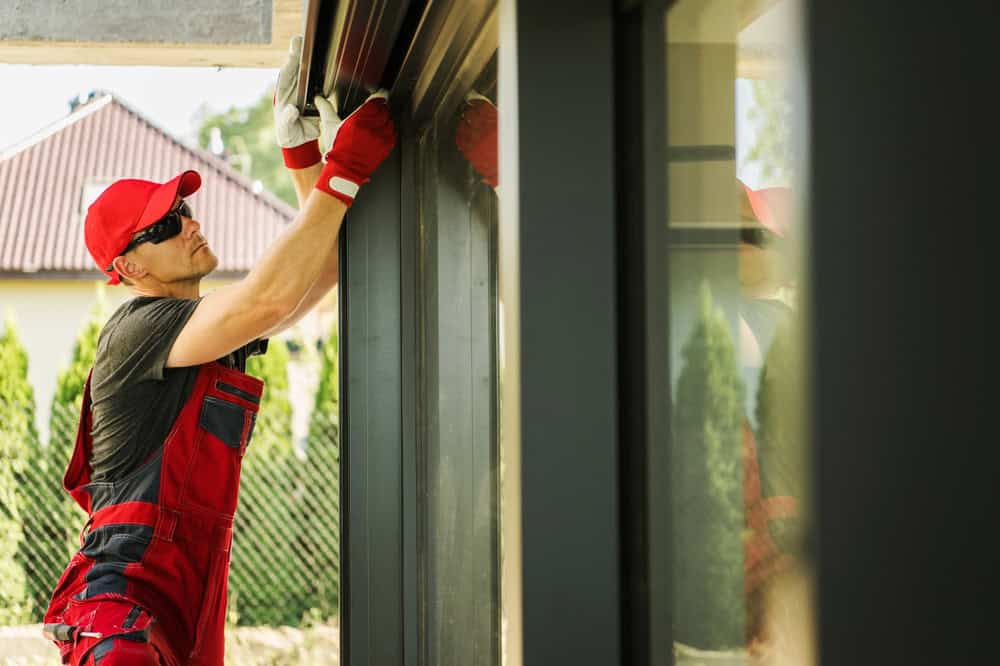
Installation happens on a scheduled day that works for you. Our installers have construction backgrounds, so they’re checking level, securing mounts into studs where possible, and making sure motorized systems sync with your setup if that’s part of the plan. You’re not left with a box of parts and a YouTube video.
After install, we walk you through operation and care. Cordless systems get a safety check. Motorized roller shades get programmed. And if something’s not right, we handle it before we leave.
Ready to get started?
You’re getting more than window coverings. You’re getting a system that fits your home and the way you actually use your space.
Every roller shade we install is custom-measured for your windows. That means blackout window blinds that sit flush, no light gaps, no guessing on width. You’ll choose from a range of fabrics—blackout for total darkness, light filtering for privacy with a soft glow, or solar shades that cut heat and UV without blocking your view. All of it sourced from quality manufacturers, with a focus on Texas-made products that hold up in this climate.
If you’ve got kids, cordless options eliminate the strangulation risk that comes with traditional pull cords. If you’ve got tall windows, skylights, or just don’t want to deal with manual operation, motorized roller shades let you control everything from your phone, voice assistant, or wall switch. You can even program them to close automatically when the sun hits a certain angle, which helps with energy efficiency more than most people realize.
Newark homes—especially older ones—can lose a lot of conditioned air through windows. The right roller shade setup cuts that heat gain in the summer, which means your AC isn’t fighting the sun all afternoon. Some of our clients report noticeable drops in their cooling costs after installing solar or blackout roller shades on south- and west-facing windows.

The terms get used interchangeably, but here’s what actually matters: the fabric and the fit. Blackout roller shades use a tightly woven or coated fabric that blocks light. Blackout blinds is a broader term that can include roller shades, cellular shades, or even horizontal blinds with a room-darkening feature.
True blackout means the fabric itself stops light from passing through. But even the best blackout fabric won’t help if there are gaps around the edges. That’s why inside-mounted roller shades—installed within the window frame—give you better light control than outside mounts, which can leave space between the shade and the wall.
If you’re trying to darken a bedroom for sleep or create a media room that actually feels like a theater, you want blackout roller shades that are measured and installed to eliminate gaps. Cordless versions are safer if you have young kids, and motorized options make it easy to control multiple windows at once without walking around the house every night.
Yes, but only if you’re using the right fabric and installing them on the windows that matter most. South- and west-facing windows take the worst of the afternoon sun in Texas. That heat doesn’t just make the room uncomfortable—it forces your AC to work harder, which shows up on your bill.
Solar roller shades are designed to reflect heat and UV rays before they get inside. They won’t block your view, but they will drop the surface temperature near the window and reduce glare. Blackout roller shades go further by blocking light entirely, which also stops heat transfer. Some of our clients with older homes in Newark have seen their cooling costs drop after installing roller shades on their biggest problem windows.
The other factor is automation. Motorized roller shades can be programmed to close during peak sun hours and open when temperatures drop. That kind of control maximizes efficiency without you having to think about it. It’s not going to replace insulation or new windows, but it’s one of the easier upgrades that actually makes a difference.
Cordless is about safety and simplicity. If you have young children, cordless blackout blinds eliminate the risk of cord strangulation, which is still one of the leading causes of child injuries with window coverings. They’re also easier to operate with one hand, which matters when you’re holding a kid or just want to adjust the shade quickly.
Motorized roller shades make sense if you have windows that are hard to reach—second-story spaces, skylights, or windows behind furniture. They’re also worth it if you’re managing a lot of windows and want centralized control. You can set schedules, integrate them with smart home systems, or just use a remote instead of walking around adjusting things manually.
The cost difference is real, but so is the convenience. We usually recommend motorized for exterior roller shades or large interior windows where daily operation would be a hassle. Cordless works well for standard-sized windows in bedrooms, kids’ rooms, and spaces where you want simple, safe operation. During your consultation, we’ll walk through what makes sense for your setup and budget.
Yes, but it takes experience to do it right. Older homes in Newark often have wood frames that have shifted, settled, or warped over time. That means the window opening might not be perfectly square, which affects how the roller shade sits and operates.
We measure in three places—top, middle, and bottom—to account for any irregularities. If the frame isn’t square, we adjust the mounting to compensate so the shade still hangs level and operates smoothly. For inside mounts, we’re careful about where we drill to avoid splitting old wood or hitting areas that won’t hold a screw. Sometimes an outside mount makes more sense if the frame is in rough shape, and we’ll tell you that upfront.
The goal is a clean install that doesn’t compromise the window or the wall. If your home has original wood frames or plaster walls, we take extra care with anchoring and sealing. You shouldn’t have to repair damage after getting window treatments installed, and with the right approach, you won’t.
Quality roller shades should last 10 to 15 years, even with the kind of sun exposure we get in North Texas. The lifespan depends on the fabric, the operating system, and how well they’re maintained.
Cheaper fabrics fade, warp, or start to deteriorate after a few summers of direct UV exposure. The roller shades we install use materials that are built to handle heat without breaking down. Blackout fabrics hold their color and structure. Solar shades resist UV damage while still doing their job. Motorized components are rated for thousands of cycles, so daily use won’t burn them out in a year.
Maintenance is straightforward. Don’t submerge them in water—that ruins the internal mechanisms and voids warranties. Light dusting or a damp cloth for spot cleaning is usually enough. If you’ve got motorized roller shades, keep the battery or power source in good shape and avoid forcing the shade if it gets stuck. Most issues we see come from improper installation or using the wrong fabric for the application, which is why getting it right the first time matters. We back our work, and the products we use are chosen specifically because they hold up in this climate.
Motorized systems add roughly 30% to 50% to the cost of the shade itself, depending on the size, brand, and level of automation you want. A standard cordless blackout roller shade might run a few hundred dollars per window. Adding motorization brings that up, but you’re also getting rechargeable or hardwired motors, remote controls, and often smart home integration.
The price varies based on whether you want basic remote operation or full automation with scheduling and app control. Larger windows cost more to motorize because they need stronger motors. If you’re doing multiple windows, some systems let you control them all from one hub, which can bring the per-window cost down slightly.
For most people, it makes sense to motorize the windows that are hardest to reach or the ones you adjust most often. You don’t have to do the whole house. We’ll give you a transparent quote during the consultation so you can decide what fits your budget and priorities. There’s no pressure to upgrade—plenty of our clients go with cordless for bedrooms and motorized for living areas or exterior shades, and that works just fine.