
Hear from Our Customers
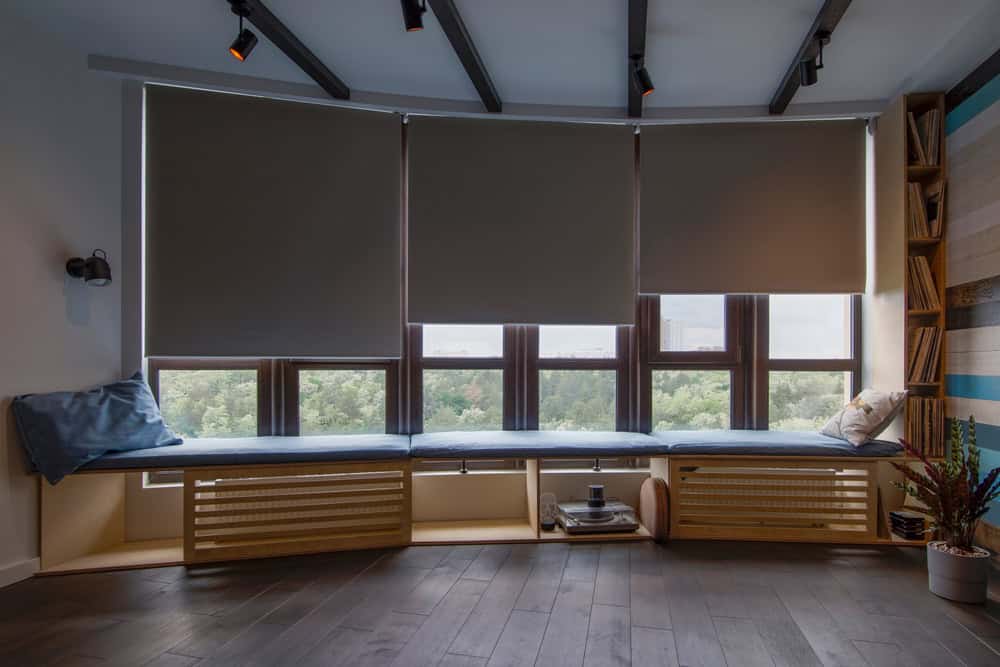
Your bedroom stays dark past sunrise. Your living room doesn’t turn into a greenhouse by 2 PM. The AC runs less because your windows aren’t bleeding cool air into the Texas heat.
Blackout roller shades do more than cover windows. They insulate against temperature swings, block UV rays that fade your furniture, and give you actual control over light and privacy. If you’re tired of waking up before your alarm or watching your energy bill climb every summer, this is the fix.
Parker Lane homes deal with relentless sun and heat that older windows can’t handle. Interior roller shades with the right fabric density can cut cooling costs significantly while protecting your floors and upholstery from sun damage. You’re not just covering glass—you’re upgrading how your home handles Texas weather.
A Plus Shutters & Shades grew out of A Plus Home Remodel, a construction company with over ten years in the Dallas-Fort Worth area. We opened a dedicated showroom because homeowners kept asking for window treatments that actually work in Texas—not generic products shipped from somewhere that doesn’t understand our climate.
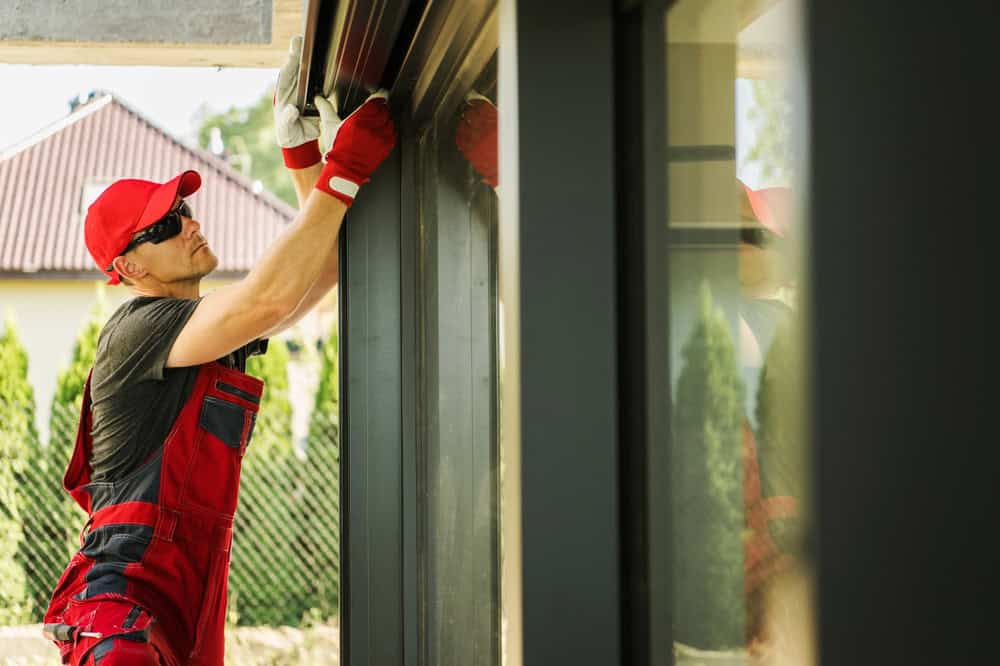
We’re based in Arlington and serve Parker Lane, Pantego, Mansfield, Cedar Hill, Grand Prairie, and the surrounding area. Our installers have construction backgrounds, so they understand how homes are built and how to mount roller shade blinds correctly the first time.
You’ll meet with someone who measures your windows, shows you fabric samples, and explains what works for your specific situation. No pressure, no upselling—just straightforward answers from people who’ve done thousands of installations across North Texas.
You schedule a free consultation. We come to your home in Parker Lane, measure your windows, and talk through what you’re dealing with—heat, light, privacy, whatever the issue is. You’ll see fabric samples for both light-filtering and blackout options, and we’ll explain the difference in plain terms.
Once you choose your fabrics, colors, and whether you want manual or motorized operation, we order your custom roller blinds for windows. Everything is measured to fit your exact window dimensions, including any unusual shapes or sizes. This isn’t a one-size-fits-all situation.
Installation takes a few hours depending on how many windows we’re covering. We mount the brackets, hang the shades, test the operation, and clean up completely. You’ll know how to use them, how to clean them, and what to expect long-term. If something doesn’t work right, we fix it—no runaround.
Ready to get started?
Every roller shade we install is custom-made for your windows. You’re choosing from dozens of fabric options—sheer, light-filtering, room darkening, or full blackout. The fabric you pick determines how much light gets through and how much insulation you gain.
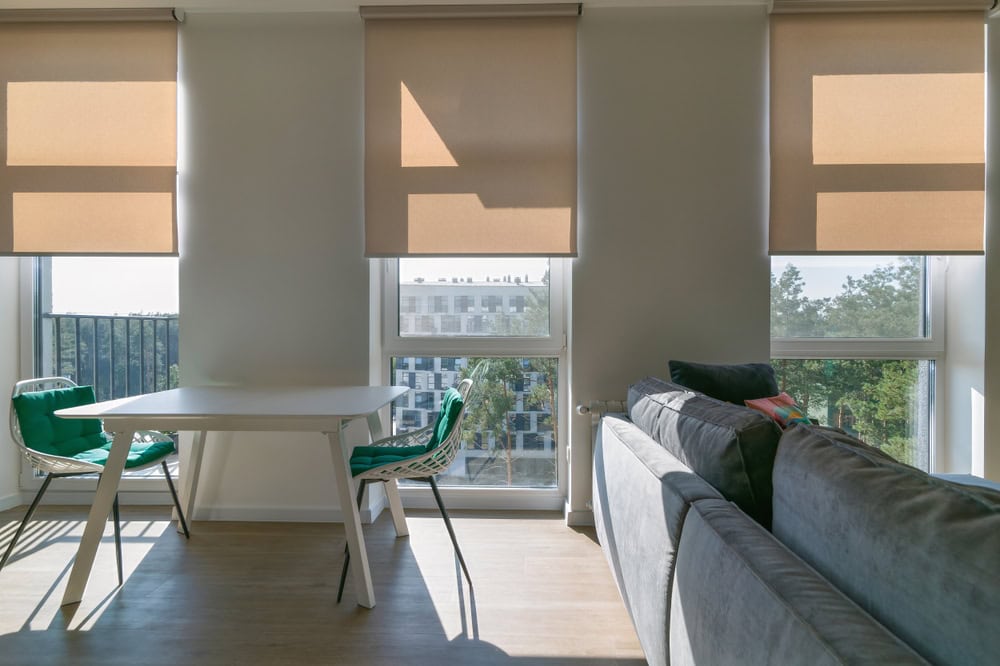
Parker Lane homes face intense afternoon sun, especially on west-facing windows. We help you match the right fabric density to each room’s needs. Bedrooms usually get blackout window blinds for sleep quality. Living rooms might use light-filtering fabrics that reduce glare without making the space feel like a cave.
Motorized options are available if you want remote or app control. This makes sense for hard-to-reach windows or if you want to automate your shades based on time of day. We also install exterior roller shades for patios and outdoor spaces where you need sun protection without losing airflow.
Everything includes professional installation by experienced crews who won’t damage your walls or leave a mess. We’re not subcontracting this out—our people do the work, and we stand behind it.

Blackout roller shades block nearly 100% of light. The fabric is thick, tightly woven, and usually has multiple layers or a coating that prevents light from passing through. When properly installed with side channels or mounted inside the window frame, they create complete darkness—the kind you need for quality sleep or a home theater setup.
Room darkening shades block most light but not all of it. You’ll still see a soft glow around the edges or through the fabric itself. They’re good for living rooms or spaces where you want to reduce glare and heat without total darkness.
The choice depends on what problem you’re solving. If early morning sun wakes you up or you work night shifts and sleep during the day, blackout is the only option that works. If you just want to cut down on heat and protect furniture from UV damage, room darkening might be enough and costs a bit less.
Cost depends on window size, fabric type, and whether you want motorized operation. A standard window with basic light-filtering fabric runs less than a large picture window with blackout material and a motorized lift system.
Blackout fabrics cost more than sheer or light-filtering options because of the material density and construction. Motorization adds to the price but makes sense if you have tall windows, multiple shades you want to control together, or mobility issues that make manual operation difficult.
We give you an exact quote after measuring your windows and understanding what you need. There are no markup surprises or hidden fees. Most Parker Lane homeowners spend between a few hundred and a few thousand depending on how many windows they’re covering and what features matter to them. We’ll show you options at different price points so you can decide what makes sense for your budget.
Yes, but the impact depends on your fabric choice and how you use them. Blackout and thermal-backed roller blinds for windows create an insulating barrier that reduces heat transfer. In summer, they block solar heat gain—which is huge in Parker Lane where afternoon sun can raise indoor temps significantly. In winter, they help retain heat and reduce drafts from older windows.
The Department of Energy estimates that window treatments can reduce heat gain by up to 33% when properly used. For Texas homes, that translates to less strain on your AC system and lower monthly bills during the brutal summer months.
You’ll see the biggest difference on south and west-facing windows where sun exposure is most intense. Closing blackout roller shades during peak heat hours keeps rooms noticeably cooler. Over time, the energy savings offset part of your initial investment—especially if you’re replacing old, ineffective blinds or bare windows that offer zero protection.
Yes. We handle arched windows, angled windows, skylights, and oversized picture windows regularly. Custom roller shades are built to your exact measurements, so odd shapes aren’t a problem—they just require more precise measuring and sometimes specialized mounting hardware.
Arched windows can get a combination treatment where the arch section uses a different solution and the rectangular portion gets a roller shade. Angled or triangular windows get custom-cut shades that follow the window line. Skylights can be fitted with motorized roller shades since manual operation isn’t practical when the window is on your ceiling.
During your consultation, we’ll assess what’s possible for your specific windows. Some situations require creative solutions, but we’ve been doing this long enough in the Parker Lane area that we’ve seen most configurations. If a roller shade isn’t the best option for a particular window, we’ll tell you what would work better instead of forcing a solution that won’t perform well.
Most roller shade fabrics just need regular dusting or vacuuming with a brush attachment. Once a month, run over them lightly to prevent dust buildup. For light-filtering and blackout fabrics, this is usually enough to keep them looking good for years.
If you get a stain or spot, use a damp cloth with mild soap and blot gently—don’t scrub or soak the fabric. Some materials can handle more moisture than others, so check what fabric you have before using any cleaning solution. We’ll give you specific care instructions based on what you choose during installation.
Avoid harsh chemicals, bleach, or abrasive cleaners that can damage the fabric or coating. If your shades are near a kitchen or bathroom where they’re exposed to grease or moisture regularly, consider fabrics that are easier to clean or more moisture-resistant. The mechanism itself rarely needs maintenance, but if a shade isn’t rolling smoothly or the spring tension feels off, contact us and we’ll come take a look.
Motorized makes sense if you have hard-to-reach windows, want to control multiple shades at once, or have mobility limitations that make pulling a chain difficult. It also works well if you want to automate your shades to close during peak heat hours or open at sunrise without thinking about it.
Manual operation is simpler, costs less, and doesn’t require batteries or electrical work. For most standard windows, a continuous loop chain or spring roller system works perfectly fine and will last for years with zero maintenance.
Think about your daily routine. If you’re going to adjust your shades frequently throughout the day, motorized can save time and effort. If you set them once in the morning and once at night, manual is probably enough. We install both types regularly in Parker Lane homes, and the right choice depends more on your lifestyle and preferences than any technical advantage.