
Hear from Our Customers
You’re paying too much to cool your home. When Triangle State hits 100+ degrees in summer, your west-facing windows turn rooms into ovens. Your AC runs constantly, your energy bill climbs, and you’re still uncomfortable.
Roller shades aren’t just window dressing. The right fabric blocks heat before it enters your home, cutting solar gain by up to 70%. That means your HVAC system cycles less, uses less energy, and lasts longer.
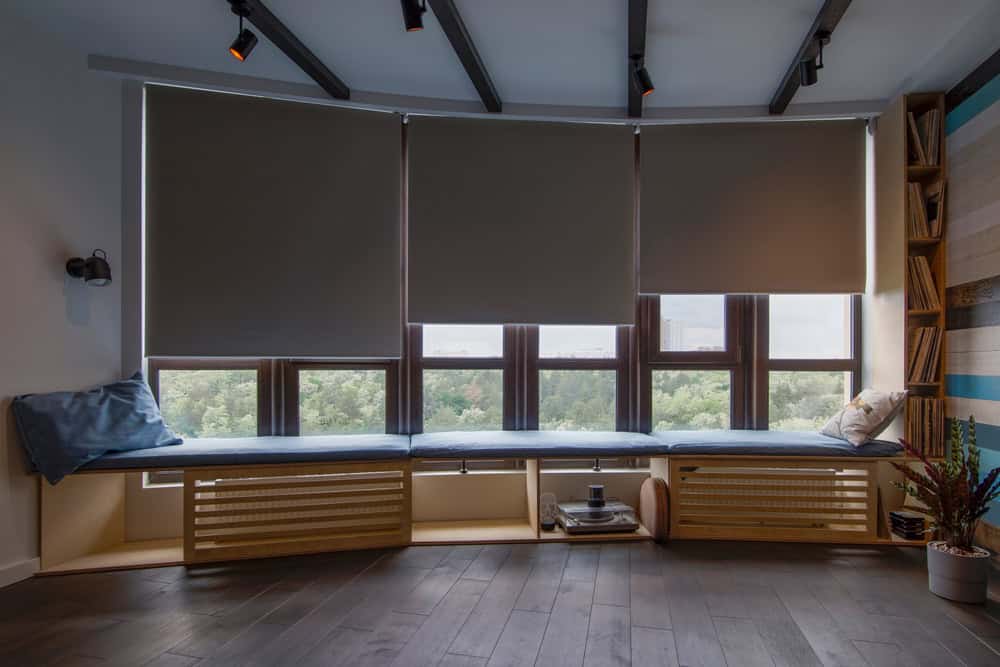
Blackout roller shades give you complete darkness when you need it. Light-filtering options soften harsh Texas sun without making rooms feel like caves. You control the light, the heat, and how much you spend keeping your home comfortable. It’s that straightforward.
We’ve spent over 10 years installing custom window treatments across Triangle State and the Dallas-Fort Worth area. We’re not new to this market, and we’re not learning on your dime.
We measure every window ourselves. We show you actual samples in your home, under your lighting. We explain what works for your specific situation without pushing products you don’t need.
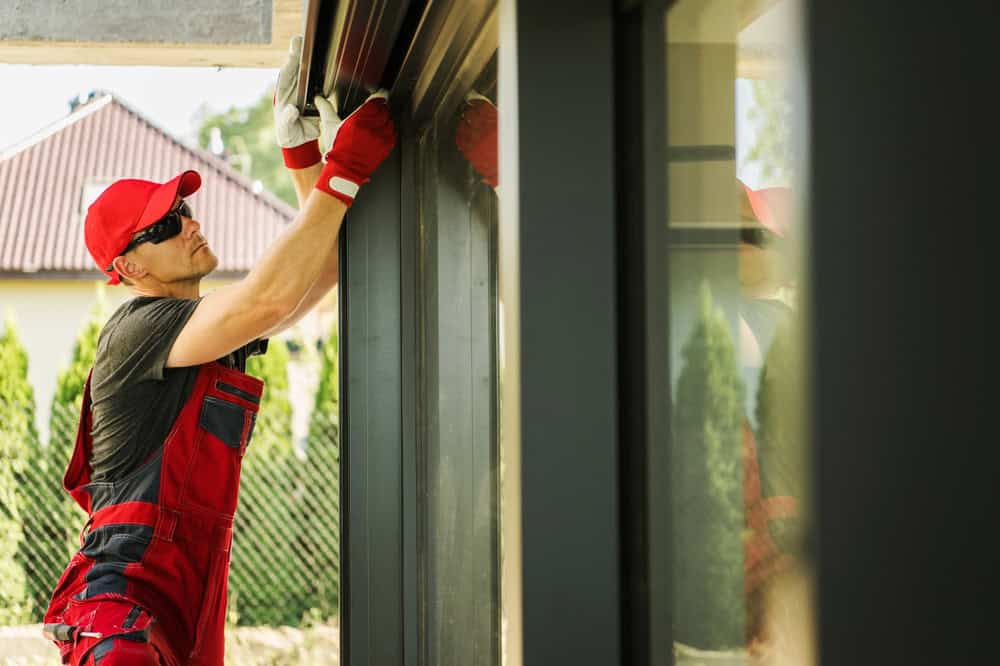
Our installers come from a construction background, so they understand how homes are built. That matters when you’re mounting hardware into different wall types or working around trim that’s not perfectly square. You get roller blinds for windows that operate smoothly and look clean because the install was done right the first time.
First, we come to your home in Triangle State for a free consultation. We measure your windows, talk about what’s bothering you (heat, glare, privacy, energy costs), and show you fabric samples. You see exactly what you’re getting before any money changes hands.
Once you choose your roller shade blinds and operating system (manual, cordless, or motorized), we order everything custom-made to your exact window dimensions. No generic sizes that kind of fit. Each roller blind window treatment is built specifically for your home.
Installation day is straightforward. Our team shows up on time, protects your floors and furniture, and mounts each shade with the right hardware for your wall type. We test every shade to make sure it operates smoothly, clean up completely, and walk you through how everything works. Most homes are done in a few hours, and you’re using your new interior roller shades the same day.
Ready to get started?
Every roller shade we install is custom-measured and built for your specific windows. You’re not buying stock sizes off a shelf. You choose from dozens of fabrics, colors, and textures that match your home’s style.
Blackout blinds for windows give you complete light control. These are the dark out blinds you need for bedrooms, nurseries, or media rooms where you want zero light bleed. The fabric blocks 100% of light and provides maximum heat rejection for rooms that get hammered by afternoon sun.
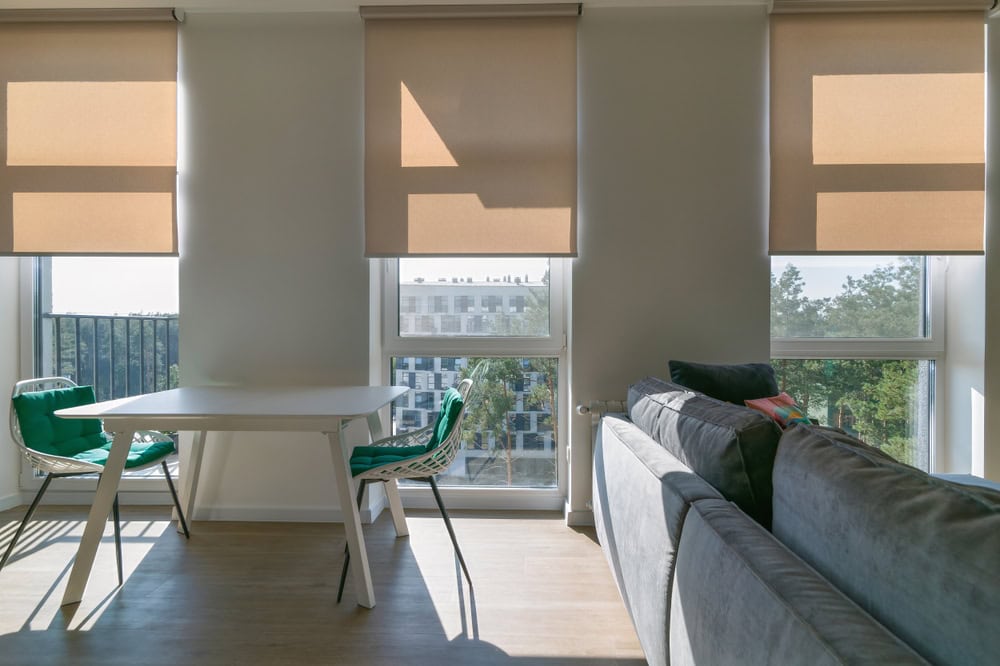
Light-filtering fabrics reduce glare and UV damage without making rooms dark. You still get natural light, just softer and more manageable. Solar shades are designed specifically for heat rejection while maintaining your view outside.
Motorized roller shades are available for hard-to-reach windows or if you want smart home integration. Press a button or set a schedule, and your blackout window blinds adjust automatically. In Triangle State’s climate, programming shades to close during peak heat hours can cut cooling costs significantly. The Department of Energy confirms that optimized window treatments can reduce whole-home cooling costs by 15-25% during Texas summers.

Blackout roller shades block 100% of light. The fabric is dense, usually backed with a light-blocking layer, and designed to create complete darkness. You use these in bedrooms where you need to sleep past sunrise, in nurseries where kids nap during the day, or in media rooms where screen glare is an issue.
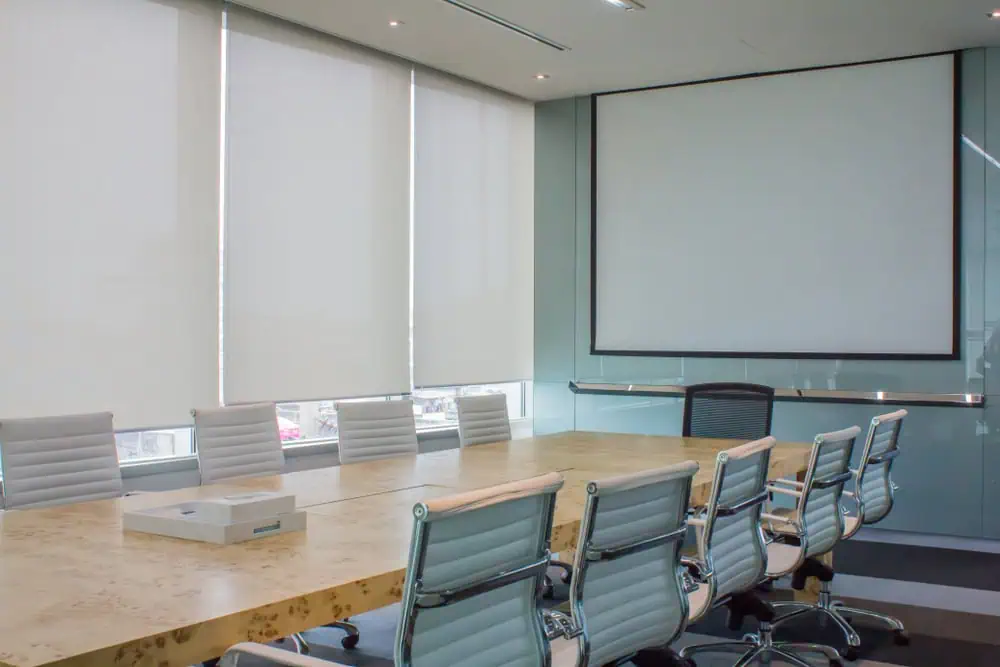
Light-filtering roller shades reduce brightness and glare but still let natural light through. You can see the difference between day and night, but the light is softened and diffused. These work well in living rooms, kitchens, and offices where you want privacy and UV protection without making the space feel dark.
The heat rejection difference is significant too. Blackout fabrics typically block more solar heat because they’re denser. In Triangle State, where west-facing windows can raise room temperatures by 10-15 degrees on summer afternoons, blackout blinds for windows on those exposures make a measurable difference in comfort and cooling costs.
Motorized roller shades typically add $150-$300 per window compared to manual operation, depending on the motor quality and whether you want smart home integration. That’s the honest number.
The cost makes sense for specific situations. If you have windows above stairs, over kitchen sinks, or behind furniture, motorized operation means you’ll actually use the shades instead of leaving them in one position forever. For large windows where the shade is heavy, motors eliminate the effort of pulling cords or lifting the shade manually.
The energy savings can offset the cost over time. When you program motorized shades to close automatically during peak heat hours in Triangle State, your AC doesn’t work as hard. Studies show automated shading can reduce cooling costs by up to 25% in hot climates. If you’re spending $200-300 monthly on summer cooling, that’s $50-75 back in your pocket each month. The motor pays for itself within a few years while adding convenience you’ll use daily.
Yes, but the amount depends on your windows and how you use the shades. The Department of Energy states that up to 40% of energy loss in homes occurs at windows. In Triangle State’s climate, where cooling costs can represent 25% of your total energy use, that’s a significant opportunity.
Interior roller shades with the right fabric can reduce solar heat gain by up to 70%. That means less heat entering your home, which means your AC runs fewer cycles to maintain temperature. Field studies show properly used window treatments can cut whole-home cooling costs by 15-25% during summer months.
The biggest savings come from covering south and west-facing windows with solar shades or blackout blinds. These are the windows getting direct afternoon sun when outdoor temperatures peak. One west-facing picture window without coverage can raise a room’s temperature by 10-15 degrees, forcing your HVAC system to work overtime. Cover that window with a quality roller shade, and the room stays 5-8 degrees cooler naturally. Your system cycles less, uses less electricity, and experiences less wear. You’ll see the difference in your next bill.
Most homes in Triangle State take 2-4 hours for complete installation, depending on how many windows you’re covering. A single room with three or four windows might take 45 minutes. A whole-house project with 15-20 windows usually wraps up in half a day.
The actual mounting process for each roller blind window treatment takes 15-20 minutes once we’re set up. We’re locating studs, marking level lines, drilling pilot holes, mounting brackets, installing the shade, and testing operation. If you’ve chosen motorized options, we’re also programming remotes or connecting to your smart home system.
We’re not rushing. Roller shades need to be level, brackets need to be solidly anchored, and the shade needs to operate smoothly without binding. Our installers have construction backgrounds, so they know how to handle different wall types, work around trim that’s not perfectly square, and solve problems that come up in real homes. You get shades that look clean and work right because we took the time to install them correctly.
Yes. Every roller shade we install is custom-made, which means you’re choosing from dozens of fabric options, colors, and textures. We bring samples to your home during the consultation so you see exactly how each fabric looks in your actual lighting.
You’re picking fabric based on function first, then style. If you need blackout blinds for a bedroom, we show you blackout fabrics in colors that match your decor. If you want solar shades for a living room, you’re choosing from fabrics that block heat and UV while maintaining your view outside. The fabric openness factor (how tightly woven it is) affects how much light and heat gets through.
Color matters more than people think in Triangle State’s climate. Lighter colored fabrics on the window-facing side reflect more heat. Darker colors absorb heat but might give you the aesthetic you want inside. We walk through these trade-offs during consultation so you make informed decisions. You’re not guessing what will work or ordering something online and hoping it fits. You see it, feel it, and understand what you’re getting before we order anything.
No. Roller shades are one of the lowest-maintenance window treatments you can install. Most fabrics just need occasional dusting or a quick wipe with a damp cloth. You’re not washing curtains or sending anything out for cleaning.
For regular dusting, use a microfiber cloth or your vacuum’s brush attachment on low suction. Run it down the fabric every few weeks to keep dust from building up. For spots or smudges, a damp cloth with mild soap works on most fabrics. Blot instead of rubbing, and let it air dry.
The mechanical parts need even less attention. The roller mechanism is enclosed, so dust doesn’t get into the spring or motor. If you have motorized roller shades, the battery or power supply might need attention every few years, but the motor itself is maintenance-free. In Triangle State’s dusty conditions, you might clean your shades slightly more often than in humid climates, but we’re still talking about 10 minutes every month or two. That’s it. You’re getting function and energy savings without adding another maintenance task to your list.