
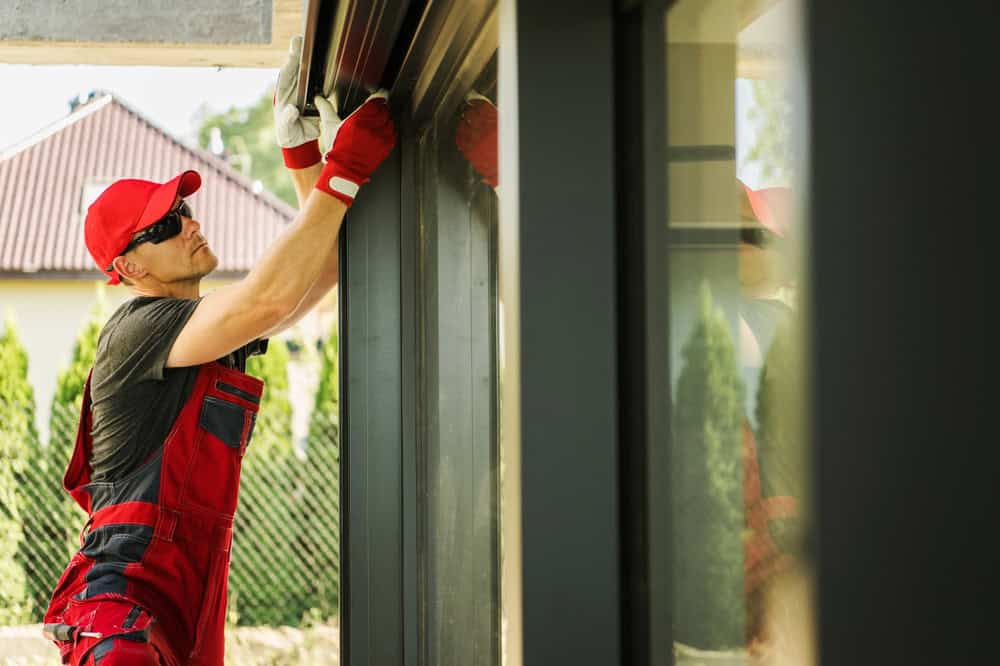
Hear from Our Customers
Your AC stops running nonstop because quality roller shades can drop indoor temps by up to 30 degrees while blocking 95% of UV rays. That’s real relief during those 100+ degree summers West Lake Hills keeps seeing more of.
Your furniture, rugs, and wood floors stop fading. UV protection isn’t just about comfort—it’s about preserving the investments you’ve made in your home.
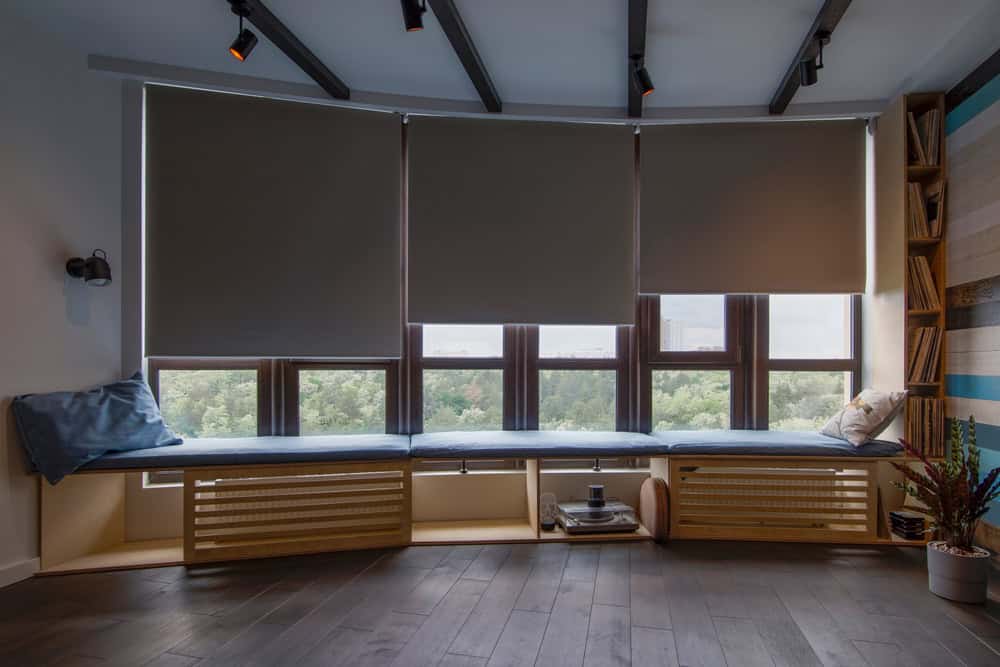
You control light and privacy without losing your hill country views. Blackout roller shades for bedrooms where you need total darkness. Light-filtering options for living spaces where you want natural light without the glare. Motorized roller shades for those hard-to-reach windows or when you just want convenience that matches the rest of your smart home setup.
We’ve been installing custom window treatments across the DFW area long enough to know what works in Texas homes and what fails in six months. We’re based in Arlington, which means we understand the climate challenges you’re dealing with in West Lake Hills.
We’ve worked in enough ranch homes, midcentury moderns, and custom builds throughout Travis County to know that every property has different needs. Large picture windows need different solutions than standard casements. Homes with western exposure face different heat loads than those tucked into the trees.
That local knowledge matters when you’re choosing roller blinds for windows that face intense sun exposure half the year. We measure correctly, install properly, and back our work with real warranties.
You schedule a free consultation at your home in West Lake Hills. We come to you, measure your windows, look at your sun exposure, and talk through what you actually need—not what we want to sell you.
We show you samples of different materials, opacity levels, and operating systems. Blackout blinds for windows where you need complete darkness. Solar fabrics that block heat but let you see outside. Motorized options if that fits your lifestyle. You pick what works for your home and budget.
We custom-build your interior roller shades to exact specifications. No guessing, no gaps, no “close enough.” When they’re ready, our installers come back and mount them properly—the kind of installation that accounts for how your home is actually built and what Texas weather will throw at it.
You get roller shade blinds that fit right, work smoothly, and hold up over time. If something needs adjustment or you have questions down the road, we’re a phone call away.
Ready to get started?
You’re getting roller blind window treatments built specifically for your measurements and your needs. The fabrics we use are solution-dyed, which means they won’t fade under constant UV exposure the way cheaper materials do. The hardware is commercial-grade—built to handle daily use and the occasional Texas windstorm if you’re doing exterior applications.
West Lake Hills homes often have large windows that take advantage of those hill country views. That means you need roller shades that can span wider openings without sagging or binding. We use reinforced tubes and quality mounting brackets that can handle the weight and tension.
For homes where you’re dealing with intense western sun exposure—and that’s a lot of properties in West Lake Hills—we’ll talk through solar screen options that can block up to 90% of heat while maintaining your view. For bedrooms, blackout window blinds that actually block light, not the kind that leak around the edges.
Motorization is available across the board. Remote control, smartphone app, voice commands, or integration with your existing smart home system. Especially useful for those high windows or if you’ve got multiple roller blinds for windows throughout the house that you want to control together.

Blackout roller shades block essentially all light—we’re talking 99% or more. You use these in bedrooms where you want total darkness for sleeping, or in media rooms where any light bleed would wash out your screen. The fabric is thick, often with a backing layer, and when properly installed with side channels or tight mounting, almost no light gets through.
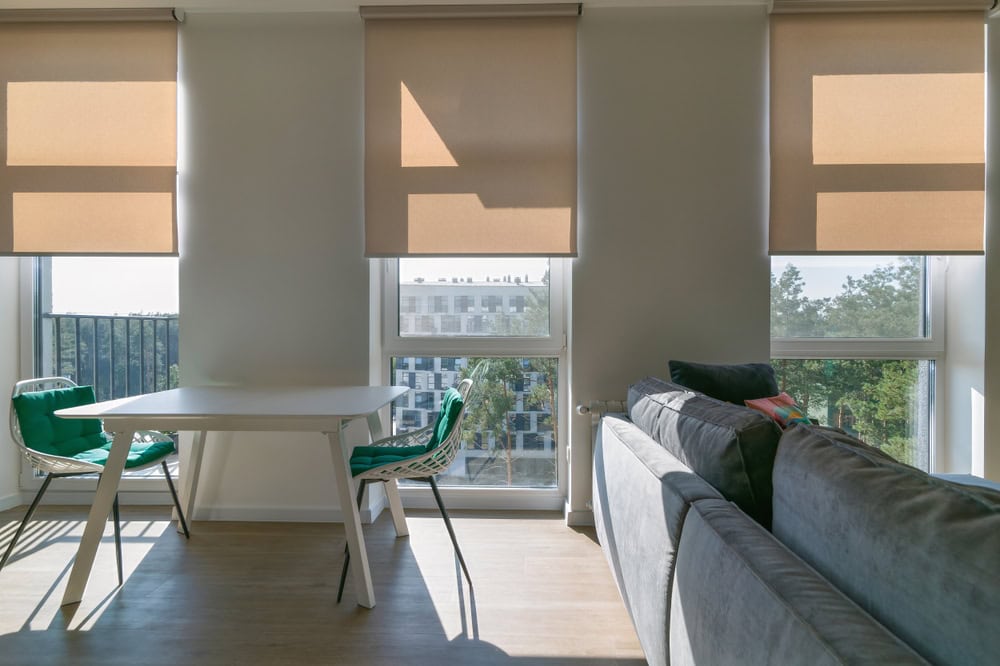
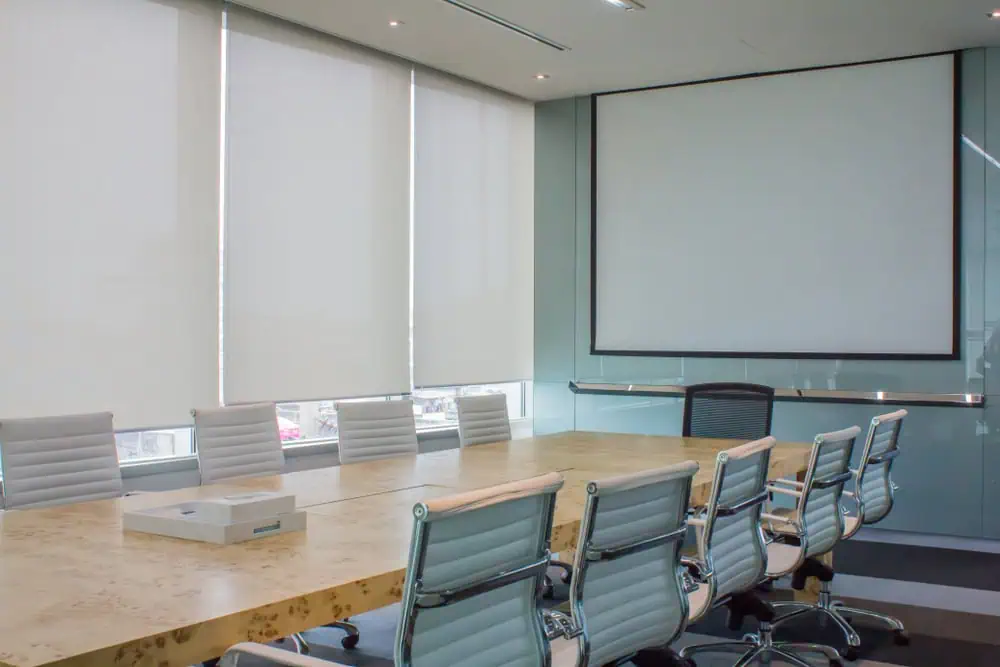
Light-filtering roller shades let diffused natural light in while still giving you privacy and UV protection. You can see light and shadow, but not clear views in or out. These work well in living rooms, kitchens, or home offices where you want natural light without glare or heat buildup.
Then there’s the middle ground—solar shades or sun screens. These block heat and UV rays but maintain your view outside. You can see through them during the day, though people outside can see in if your interior lights are brighter than the outdoor light. For West Lake Hills homes with those hill country views, solar options often make the most sense in main living areas.
The right choice depends on the room, the window exposure, and what you’re trying to accomplish. Most homes end up with a mix—blackout blinds for windows in bedrooms, light-filtering or solar in common areas.
They can, but not because the motor itself does anything for energy efficiency. The savings come from actually using your shades consistently and strategically—and motorization makes that realistic instead of a chore you forget about.
Here’s the practical reality: if you have to manually lower and raise roller blinds for windows throughout your house every day, you probably won’t do it. But if you can program them to automatically lower during peak heat hours and raise when the sun moves, you’re consistently blocking heat before it builds up inside. That keeps your AC from working as hard.
Homes with smart technology and automated shading can see energy savings up to 30%, but that’s assuming you’re actually using the automation effectively. For West Lake Hills homes with significant western exposure, having your roller shades automatically lower around 2 PM and stay down until evening can make a measurable difference in your cooling costs during summer months.
The other benefit is convenience for hard-to-reach windows. If your roller shade is twelve feet up or behind furniture, a motorized system means you’ll actually adjust it instead of just leaving it in one position year-round. That flexibility lets you adapt to seasonal changes and daily conditions, which is where the real energy management happens.
Interior roller shades with quality fabrics and hardware should give you 10-15 years, sometimes longer if they’re not in direct harsh sunlight all day. The key is solution-dyed fabrics that have UV inhibitors built into the material itself, not just surface treatments that degrade.
Cheaper roller blinds for windows—the kind you find at big box stores—often start showing problems within 2-3 years in Texas. The fabric fades, the material gets brittle, the mechanisms bind up. That’s because they’re not engineered for sustained high temperatures and intense UV exposure.
For exterior roller shades, the lifespan is shorter because they’re taking the full brunt of weather. Quality exterior systems with commercial-grade components typically last 7-10 years. The fabric will eventually need replacement, but the hardware and mounting systems should outlast that if they’re installed correctly.
West Lake Hills is expected to see significantly more extreme heat days over the next 30 years, which means the durability question becomes even more important. You want roller shade blinds built to handle sustained temperatures over 100 degrees without warping, fading, or failing mechanically. That’s why the upfront investment in quality materials matters—you’re not replacing them every few years.
Roller shades absolutely work for large windows, but the quality of components matters more as the size increases. A small window is forgiving—almost any roller blind window treatment will function. A 10-foot wide picture window needs reinforced tubes, heavy-duty mounting brackets, and properly tensioned fabric or you’ll get sagging and binding.
Many West Lake Hills homes have expansive windows designed to showcase those hill country views. For openings like that, we typically use larger diameter tubes—sometimes 3-inch or even larger—to prevent deflection in the middle. The fabric needs to be properly weighted at the bottom, and the mounting system needs to be anchored into solid framing, not just drywall.
For extremely wide openings, you might need multiple roller shades mounted side by side rather than one continuous span. That’s not a limitation—it’s smart engineering. Two 6-foot shades will operate more smoothly and last longer than one 12-foot shade that’s constantly stressed.
Motorization becomes almost essential for large roller blinds for windows because the manual effort to raise and lower a big, heavy shade gets old fast. With a motor, size doesn’t matter—it operates just as easily as a small window. That’s particularly useful in great rooms or walls of windows where you might have several large shades you want to control together.
Basic roller shades from a big box store might run $30-100 per window for standard sizes. Custom interior roller shades typically start around $200-300 per window and go up from there depending on size, fabric, and features. Motorization adds to the cost. Specialty fabrics or blackout blinds for windows with side channels cost more than simple light-filtering options.
That price gap exists because you’re getting different products. Basic shades are mass-produced in standard sizes with economy fabrics and plastic components. Custom roller shade blinds are built to your exact measurements with quality materials and hardware designed to last.
Here’s the math that matters: if you buy cheap roller blinds for windows and replace them every 3-4 years because they fade, break, or stop working smoothly, you’ll spend more over 10 years than if you’d bought quality custom shades once. Plus you’re dealing with the hassle of replacement and disposal.
The energy savings factor in too. Quality roller shades that actually block heat can reduce your cooling costs measurably during Texas summers. In West Lake Hills, where you’re running AC hard for months, that adds up. The average ROI on custom window treatments is around 75%, and that’s accounting for both energy savings and home value. You’re not just buying window coverings—you’re investing in comfort, protection for your furnishings, and a feature that buyers will value if you ever sell.
That depends entirely on who’s sleeping in each room and how sensitive they are to light. Some people can sleep fine with ambient light. Others need complete darkness or they’re awake at dawn.
Blackout roller shades make the most sense in primary bedrooms where adults are trying to sleep past sunrise, especially if the windows face east. They’re also valuable in kids’ rooms if you’re trying to maintain consistent sleep schedules—sunlight at 6 AM in summer can wreck a good bedtime routine.
Guest bedrooms might not need full blackout blinds for windows unless you regularly host visitors who you know prefer dark sleeping conditions. Light-filtering roller shades often work fine there and cost less.
West Lake Hills gets intense sunlight, so even if you don’t need darkness for sleeping, you might want blackout window blinds in bedrooms just for temperature control. Bedrooms with western exposure can get uncomfortably hot in the afternoon if sun is pouring in. Blackout fabrics block more heat than light-filtering options, which can make the room more comfortable and reduce AC load.
The practical approach is to prioritize blackout roller shades where they’ll make the biggest difference in sleep quality or comfort, then use less expensive options in rooms where light control isn’t critical. You can always upgrade later if you find you need more light blocking than you initially thought.