
Hear from Our Customers
You’re not imagining it. Your outdoor space is unusable for a third of the year in Liberty Hill. When temperatures hit 100-plus degrees for months straight, that covered patio you paid for becomes a heat trap instead of the gathering spot you planned on.
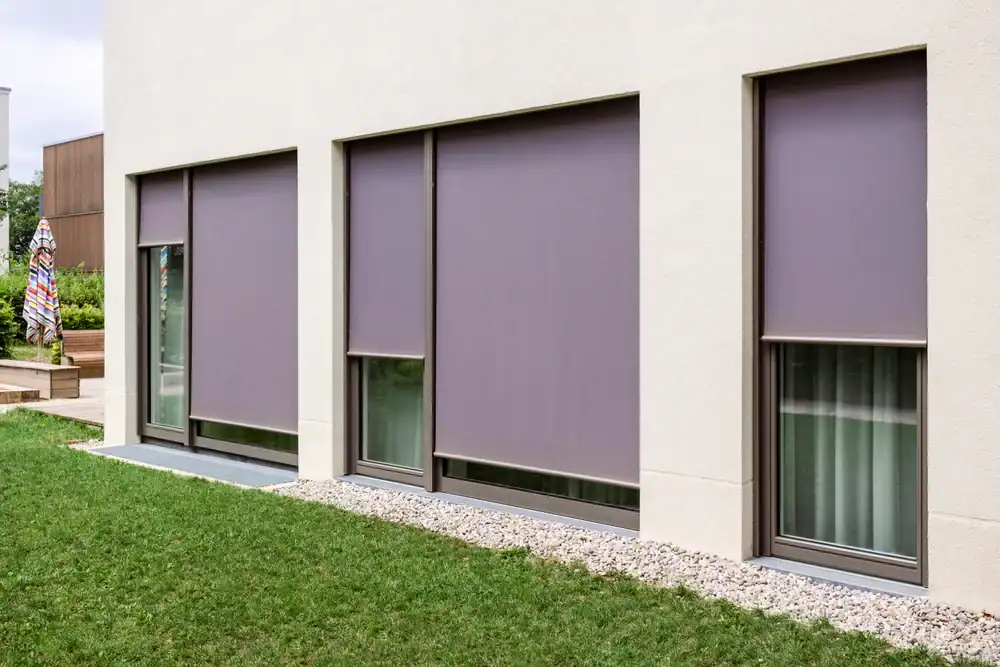
Exterior roller shades change that math. They block up to 95% of UV rays before they hit your windows, your furniture, or your skin. That translates to a 30-degree temperature drop in the spaces you’re trying to enjoy. Your AC isn’t fighting a losing battle. Your outdoor furniture isn’t fading after one summer. And you can actually sit outside in August without feeling like you’re melting.
The difference shows up on your energy bill, too. When you stop heat at the exterior before it reaches your windows, your cooling system doesn’t have to work as hard. Homes with exterior window blinds see up to 30% reductions in cooling costs during peak months. That’s real money back, not just comfort.
This isn’t about decoration. It’s about making the space you already have functional when Liberty Hill weather tries to take it away from you.
We bring a decade of construction experience to every roller shade installation in Liberty Hill. That background matters when you’re mounting systems that need to withstand 100-degree days, sudden storms, and years of Texas UV exposure.
Most homes in your area were built in the 2000s or later. We’ve worked on enough of them to know the common build styles, the window configurations, and the mounting challenges that come with newer construction. Whether it’s a covered patio, a wall of west-facing windows, or a second-story outdoor living area, we’ve handled it.
We use Texas-made products because they’re engineered for this climate. The fabrics are solution-dyed so they won’t fade. The hardware is commercial-grade. And the installations are done by our licensed technicians who understand that proper tensioning and mounting aren’t optional when you’re dealing with wind, heat, and daily use.

It starts with measuring your space and understanding what you’re trying to solve. Are you blocking afternoon sun on a west-facing patio? Trying to cool down a sunroom that’s unusable in summer? Protecting expensive outdoor furniture from UV damage? The fabric, opacity, and motorization options change based on what you actually need.
Once you choose your setup, we manufacture your outdoor roller shades locally. Custom sizing means they fit your exact openings without gaps or light leaks. You’re not adapting your space to fit a standard product.
Installation typically takes two to four hours depending on how many shades you’re adding. We mount the hardware, install the roller system, and make sure everything operates smoothly. If you’re going motorized, we integrate the controls and test the system before we leave. You’ll know how to operate it, adjust it, and what to do if you ever have an issue.
Most people see the temperature difference immediately. The first time you walk onto your patio after installation on a 95-degree afternoon and it actually feels comfortable, the investment makes sense.

Ready to get started?
You’re choosing fabric first. Solar shades block UV rays while maintaining visibility, so you still get your view. Light-filtering options soften harsh sunlight without complete darkness. Blackout roller shades give you full light control when you need a bedroom dark or want to turn a covered patio into a screened space.
Motorization is worth considering if you’re covering large openings or multiple windows. WiFi-enabled systems connect to your phone, Amazon Echo, or Google Home. You can adjust your outdoor patio blinds from inside when the sun shifts or a storm rolls in. Manual operation works fine for smaller installations, but motorized systems add convenience that most people don’t want to give up once they have it.
Liberty Hill’s median home value sits around $350,000, and properties here are growing fast. Exterior roller shades protect that investment by reducing UV damage to flooring, furniture, and finishes. They also make your outdoor living areas functional year-round, which matters when you’re competing in a market where buyers expect usable space.
The warranty covers both the product and the installation. Texas-made materials are built to handle the UV exposure, temperature swings, and weather conditions you deal with here. If something fails, it gets fixed or replaced.

Exterior roller shades can drop the temperature in a covered patio by up to 30 degrees compared to an unshaded space. That’s not marketing language. It’s the result of blocking 90-95% of UV rays before they penetrate your outdoor area and turn it into a heat trap.
The key difference between exterior and interior shades is where the heat gets stopped. Interior blinds block light after it’s already passed through your windows and started heating your space. Exterior systems intercept that energy outside, so it never enters your living area in the first place.
In Liberty Hill, where you’re dealing with 100-plus degree days for a significant portion of the year, that difference is the line between a patio you use and one you avoid. The shade also protects your outdoor furniture, which would otherwise fade and degrade under constant UV exposure. If you’ve ever had cushions or wood finishes bleach out after one Texas summer, you know what unfiltered sun does to materials.
Yes, and the savings are measurable. Exterior solar screens and roller shades can reduce cooling costs by up to 30% during peak summer months. That happens because your AC isn’t fighting against heat that’s already entered your home through windows and glass doors.
When sun hits an unshaded window, it creates a greenhouse effect inside. Your air conditioner runs constantly trying to compensate, and your energy bill reflects that strain. Exterior window blinds stop that heat transfer before it starts, which means your cooling system cycles less frequently and works more efficiently.
The impact is most noticeable on west and south-facing windows, where afternoon sun is the most intense. If you have large glass doors leading to a patio or a sunroom that feels like an oven by mid-afternoon, adding exterior shades to those areas will show up on your next utility bill. The upfront cost typically pays for itself within a few years just from energy savings, and that’s before you factor in the extended life of your HVAC system from reduced workload.
Most installations take between two and four hours depending on the number of shades and the complexity of your setup. A single large patio door with one motorized shade might be done in under two hours. A full outdoor living area with multiple openings and integrated controls will take closer to four.
The process includes mounting the hardware, installing the roller system, making sure the fabric rolls evenly without binding, and testing the operation. If you’re adding motorized outdoor shade blinds, we also set up the controls, connect them to your WiFi if applicable, and walk you through how to use the system.
You don’t need to do anything to prep your space. We bring the tools and handle the mounting. The only thing that might extend the timeline is if we run into unexpected structural issues, but that’s rare with newer Liberty Hill homes. Most installations are straightforward because the construction is consistent and the mounting surfaces are solid.
Solar shades block UV rays and reduce heat while still allowing you to see through them. They’re designed for spaces where you want protection from sun damage and temperature control but don’t want to lose your view. The fabric is woven with varying levels of openness, typically ranging from 1% to 10%, which determines how much light filters through and how much visibility you maintain.
Blackout roller shades block light completely. They’re the right choice for bedrooms where you need darkness for sleep, media rooms where glare is a problem, or outdoor spaces where you want full privacy and maximum temperature control. The fabric is opaque, so you’re not seeing through it, but you’re getting total light elimination.
For most Liberty Hill patios and outdoor living areas, solar shades make more sense because you’re trying to stay cool and protect furniture without turning the space into a cave. Blackout options work better for interior applications or covered outdoor areas where you want the flexibility to fully enclose the space when needed. You can also mix both types depending on which windows or openings you’re covering and what you’re trying to accomplish in each area.
If you’re covering large openings or multiple windows, motorized systems are worth it. The convenience of adjusting your outdoor roller shades from your phone or voice assistant becomes something you use daily, especially when the sun shifts throughout the day or weather changes quickly.
Manual operation works fine for smaller installations where you’re only raising or lowering one or two shades occasionally. But if you’re shading a full patio with several large openings, walking around to manually adjust each one gets old fast. Motorized systems let you control everything from one spot, set schedules so your shades lower automatically during peak sun hours, and integrate with smart home systems you might already be using.
The cost difference isn’t as significant as it used to be, and the technology is reliable. WiFi-enabled hubs connect to apps that are straightforward to use, and the motors are quiet and durable. Most people who go motorized say they wouldn’t go back to manual operation. It’s one of those upgrades that feels like a luxury at first but quickly becomes a practical feature you rely on.
Yes, if they’re made for this climate. Texas-manufactured exterior roller shades use solution-dyed fabrics that won’t fade under constant UV exposure, and the hardware is built to handle heat, wind, and sudden storms that are common in Central Texas.
The difference between a system that lasts and one that fails comes down to materials and installation quality. Cheap fabrics will fade, crack, or weaken after a few seasons of Texas sun. Poorly mounted hardware will loosen or fail when wind puts stress on the system. We use commercial-grade components and install them correctly the first time, which is why the systems we put in hold up year after year.
You’ll want to occasionally clean the fabric and check that the operation is smooth, but maintenance is minimal. The roller mechanism is sealed to keep dust and debris out. The fabric is designed to shed dirt and resist mildew. And if something does go wrong, the warranty covers both the product and the installation, so you’re not paying out of pocket for repairs that shouldn’t be necessary in the first place.