
Hear from Our Customers
Your outdoor space shouldn’t be off-limits half the year. When temperatures climb past 100°F for weeks at a time, unprotected patios become unusable—furniture gets too hot to touch, glare makes it impossible to see, and your AC bill climbs every time the sun hits those west-facing windows.
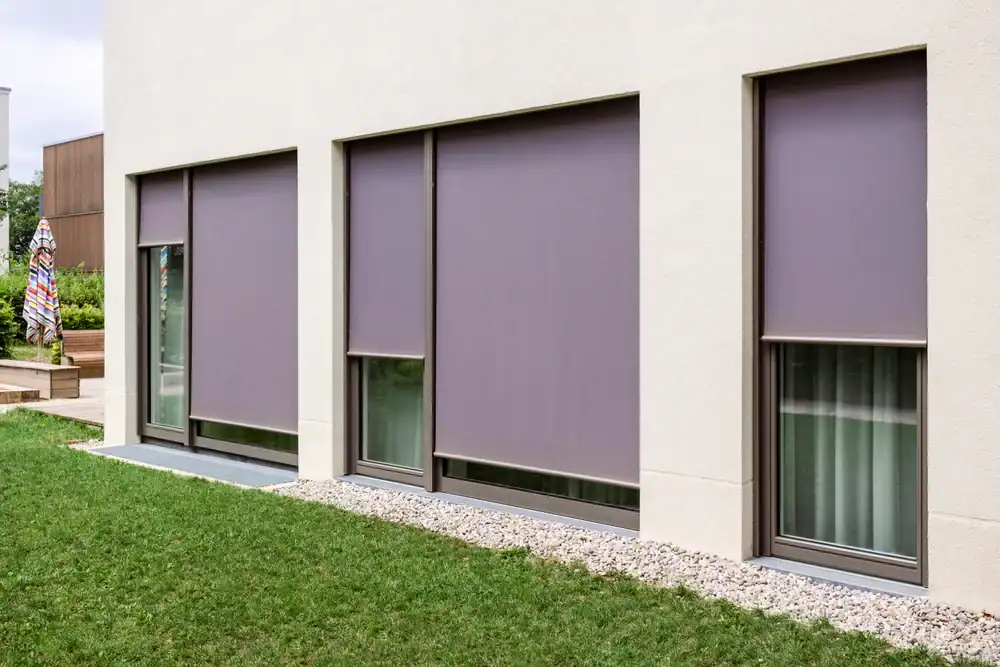
Exterior roller shades stop the heat before it ever reaches your glass. That’s the difference between interior blinds that trap heat inside and outdoor shades that block it outside where it belongs. You’re looking at temperature reductions of 15 to 20 degrees on your patio and energy savings around 25% on cooling costs.
The math is simple: exterior shading is up to seven times more effective than interior window treatments because it intercepts solar heat gain at the source. Your HVAC system runs less. Your furniture lasts longer. And you actually get to enjoy the outdoor space you paid for, even during a North Park summer.
We operate as part of A Plus Home Remodel, and we’ve been installing custom window treatments across Arlington, Fort Worth, and North Park for over ten years. That’s a decade of learning exactly how Texas weather tests outdoor products—and which solutions actually hold up.
We’re not a franchise pushing national products that weren’t designed for this climate. We source Texas-made roller shades built to handle the UV exposure, temperature swings, and occasional storms that come with living here. Every installation is handled by our own team, not subcontracted out.
North Park homeowners deal with the same challenges you do—older homes with large windows, established neighborhoods with mature trees that shift shade patterns, and HOA guidelines that require clean aesthetics. We’ve worked through all of it, and we know what works in your area because we’ve been doing it here for years.

It starts with a free consultation at your home. We measure your windows and outdoor spaces, assess sun angles and exposure, and show you material samples so you can see and feel the difference between fabric grades. This isn’t a sales pitch—it’s a technical walkthrough of what will actually work for your specific setup.
Once you choose your materials, colors, and operating system (manual, motorized, or smart-integrated), we order everything custom-built to your measurements. No pre-fab kits or one-size-fits-most shortcuts. If you’ve got a 20-foot span or an unusual angle, we handle it.
Installation is scheduled at your convenience. Our installers show up on time, protect your property, and mount everything with the same attention to detail we’d use on our own homes. We test every shade before we leave—making sure motors respond correctly, fabric rolls evenly, and everything operates smoothly. You’re not figuring anything out on your own after we’re gone.

Ready to get started?
You’re getting custom-measured exterior roller shades designed specifically for your home’s dimensions and sun exposure. We carry multiple fabric options—from solar screens that maintain your view while blocking heat, to blackout roller shades that eliminate glare entirely. Every fabric is rated for UV resistance and built to withstand North Park’s climate.
Motorization is available on any shade, and smart home integration works with Alexa, Google Assistant, and Apple HomeKit if that’s your setup. Automated shades adjust themselves based on time of day or temperature sensors, so you’re not manually adjusting blinds every time the sun shifts. It’s convenient, but more importantly, it’s consistent—your shades react to conditions even when you’re not home.
North Park properties built between the 1970s and early 2000s often have large sliding doors and picture windows that face west or south. That’s prime solar heat gain territory. Exterior window blinds on those exposures can reduce your cooling load by up to 60% during peak summer months, which translates to real money off your utility bills. We’re talking $300 to $500 annual savings for most homes, depending on window square footage and current insulation levels.

Exterior shades block heat outside your windows before it penetrates the glass, which makes them significantly more effective than interior treatments. Interior blinds trap heat between the blind and the window, turning that space into a heat reservoir that radiates into your room. Exterior roller shades prevent that heat from ever entering.
The numbers: exterior shading reduces solar heat gain by 65% on south-facing windows and up to 77% on west-facing windows. Interior blinds, even high-quality ones, typically reduce heat gain by only 10-15%. That’s why exterior solutions can drop your patio temperature by 20 to 30 degrees and cut cooling costs by 20-30%, while interior blinds make a minimal difference.
For North Park homes with large west-facing windows, this isn’t a minor upgrade. It’s the difference between your AC running constantly from 2 PM to 8 PM versus cycling normally. Over a summer, that’s hundreds of dollars in energy costs and significantly less wear on your HVAC system.
Motorized exterior shades are built specifically for outdoor exposure, with weather-sealed motors and UV-resistant components. The motors we install are rated for continuous outdoor use and designed to handle temperature extremes from below freezing to over 120°F. They’re not adapted indoor motors—they’re purpose-built for exterior applications.
The bigger durability factor is fabric quality. We use solution-dyed acrylic and PVC-coated polyester fabrics that resist fading, mildew, and degradation from constant sun exposure. Cheaper fabrics break down within 3-5 years in Texas UV. Quality fabrics last 10-15 years with minimal maintenance. That’s the difference between a short-term fix and a long-term investment.
Motors typically carry a 5-year warranty, and fabric warranties range from 5 to 10 years depending on the grade you choose. We’ve installed motorized outdoor shades across North Park for years, and failure rates are low when you’re using the right products. The few service calls we get are usually programming adjustments, not mechanical failures.
Quality exterior roller shades are rated for wind resistance, typically up to 30-40 mph depending on the size and mounting method. That covers most normal weather conditions in North Park. When severe storms approach with higher winds, yes, you should retract them—but that’s a 30-second task if you have motorized shades, and smart systems can do it automatically based on wind sensors.
The key is proper installation. Shades need to be mounted securely to structural supports, not just surface-screwed into trim. We anchor into studs, beams, or concrete depending on your home’s construction. Tension systems on the sides keep fabric from flapping in moderate wind. For larger spans, we use intermediate support cables to prevent sagging and movement.
If you’re in an exposed location with frequent high winds, we’ll recommend smaller individual shades instead of one large span, or we’ll suggest a cassette system that fully encloses the fabric when retracted. There’s always a solution that balances convenience with durability—it just depends on your specific site conditions.
Blackout roller shades use a denser, opaque fabric that blocks 95-100% of light transmission, while standard outdoor shade fabrics (solar screens) typically block 80-95% of light and maintain some outward visibility. The choice depends on what you’re trying to accomplish.
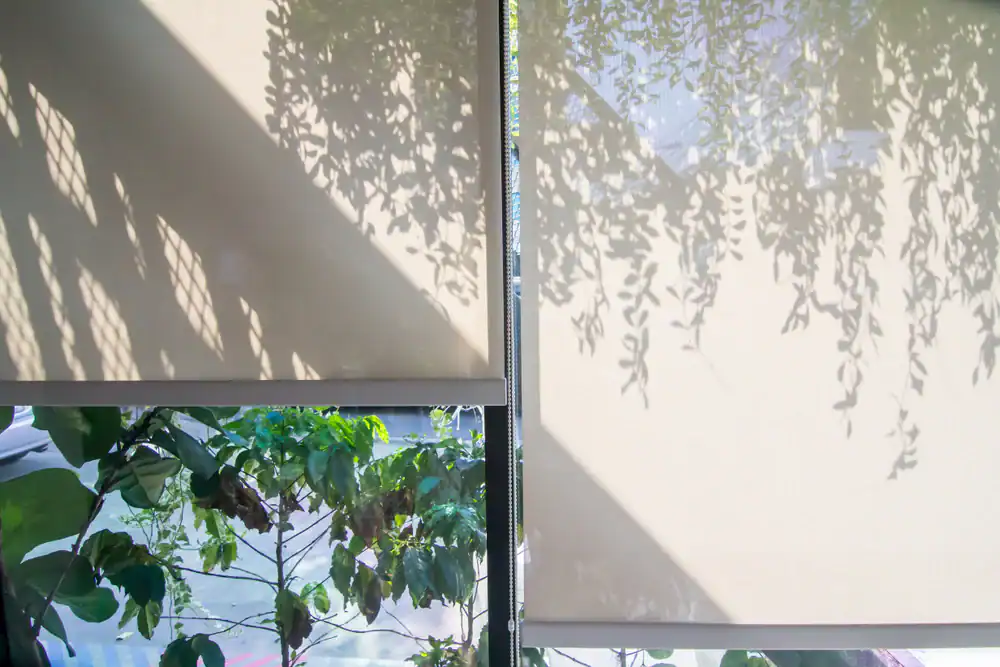
Solar screens are ideal when you want heat reduction and UV protection but still want to see outside. They’re perfect for patios, pergolas, and living spaces where you want filtered natural light and a view. Blackout shades are better for bedrooms, media rooms, or areas where you need complete darkness and maximum privacy. They also provide slightly better insulation because the denser fabric creates more of a thermal barrier.
For most North Park outdoor applications—patios, decks, outdoor kitchens—solar screens are the right call. You get 90% heat reduction, you can still see your yard, and the space doesn’t feel closed off. Blackout exterior shades make more sense on windows where glare is unbearable or where you need total light control, like a home office with a west-facing window that gets afternoon sun.
Energy savings depend on your home’s window square footage, sun exposure, and current insulation levels, but most North Park homeowners see cooling cost reductions between 20-30% after installing exterior shades on their primary sun-exposed windows. For a home spending $200-250 monthly on summer cooling, that’s $40-75 per month, or $300-500 over a typical cooling season.
The savings come from reducing solar heat gain before it enters your home. Unshaded windows can increase indoor temperatures by 10-15 degrees on hot afternoons, forcing your AC to run continuously. Exterior roller shades drop that heat gain by 65-77%, which means your HVAC system cycles normally instead of fighting a losing battle against the sun.
There’s also a secondary benefit: less UV exposure means your flooring, furniture, and interior finishes don’t fade as quickly. That’s harder to quantify, but it’s real. And your AC unit lasts longer when it’s not running at maximum capacity for 6-8 hours every summer day. Factor in those extended lifespans, and the return on investment for quality exterior shading is typically 3-5 years.
Exterior roller shades need occasional cleaning, but it’s not intensive. Most dirt and pollen rinse off with a garden hose. For deeper cleaning, use mild soap and water with a soft brush, then rinse thoroughly. Avoid pressure washers—they can damage fabric coatings and force water into the roller mechanism.
How often you clean depends on your environment. If your home is near construction, unpaved roads, or you have a lot of trees dropping pollen, you might clean them 3-4 times per year. Most North Park homes can get by with twice-yearly cleaning—once in spring after pollen season, once in fall before winter.
Motorized components need almost no maintenance. Keep the tracks clear of debris, and occasionally wipe down the motor housing to prevent dust buildup. If you have a battery-powered system, batteries typically last 1-2 years depending on usage. Hardwired systems require zero maintenance beyond the fabric cleaning. The simpler the system, the less there is to maintain—and quality exterior shades are designed to be low-maintenance by nature.