
Hear from Our Customers
Your patio gets unusable by noon. The glare off Lake Travis makes it impossible to see your phone or TV. Your outdoor furniture is fading faster than it should, and your AC is working overtime just to keep up with the heat pouring through those west-facing windows.
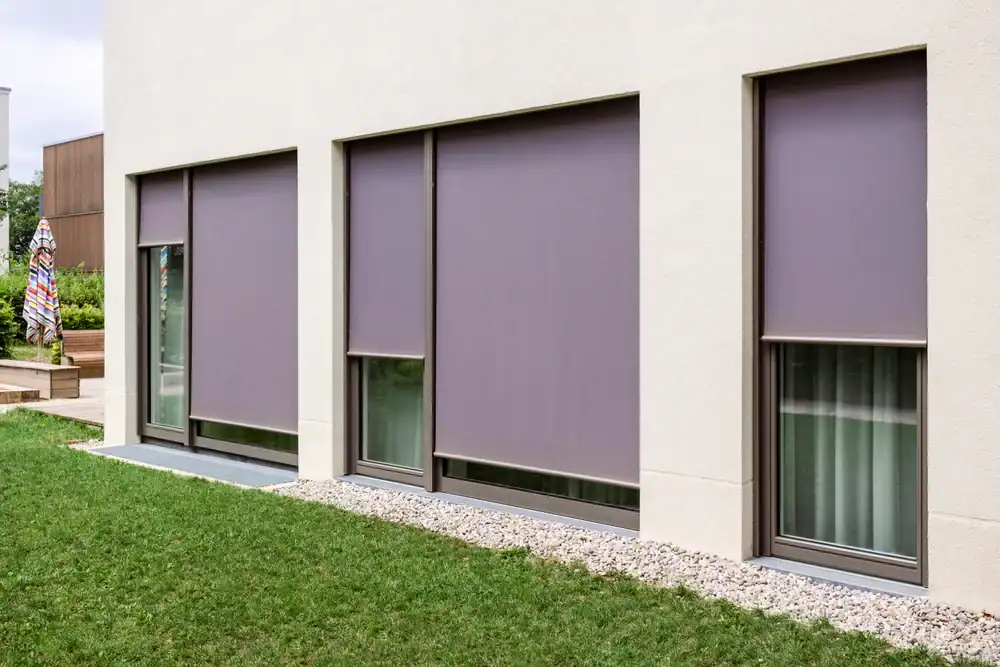
Exterior roller shades handle all of it. They drop the temperature on your patio by 10 to 15 degrees while still letting you see out. That means you’re not sitting in a cave, but you’re also not getting blasted by UV rays that fade everything they touch.
The energy savings are real. When you block heat before it hits the glass, your AC doesn’t have to fight as hard. Homeowners around Spicewood see cooling cost reductions of 20 to 30 percent during summer months. That’s not marketing talk—that’s what happens when you stop solar heat at the source instead of trying to cool it down after it’s already inside.
You also get your outdoor space back. Morning coffee without squinting. Afternoon shade that doesn’t require rearranging furniture. Evening dinners where the setting sun isn’t cooking everyone at the table. Outdoor shade blinds give you control over when and how you use your patio, pool area, or outdoor kitchen.
We’ve been installing exterior roller shades across the DFW area and surrounding communities for over ten years. We operate out of Arlington with a dedicated showroom where you can see materials, test motorized systems, and talk through what actually works for Texas weather.
Spicewood homes have specific needs. You’re dealing with Lake Travis humidity, Hill Country winds, and sun exposure that doesn’t quit. We’ve worked with enough homeowners in the area to know what holds up and what doesn’t. Our products are Texas-made, and our installers understand how to mount outdoor patio blinds so they handle wind gusts without tearing or sagging.
We don’t sell you something and disappear. The process starts with a free consultation at your property. We measure, show samples, explain the difference between manual and motorized systems, and give you a straight answer about what fits your budget and your goals.

We start with a free on-site consultation. You show us the areas you want to shade, we take measurements, and we talk through how you actually use the space. That tells us whether you need blackout roller shades for a covered patio, solar shades for poolside windows, or retractable outdoor shades that you only drop when the sun’s at its worst.
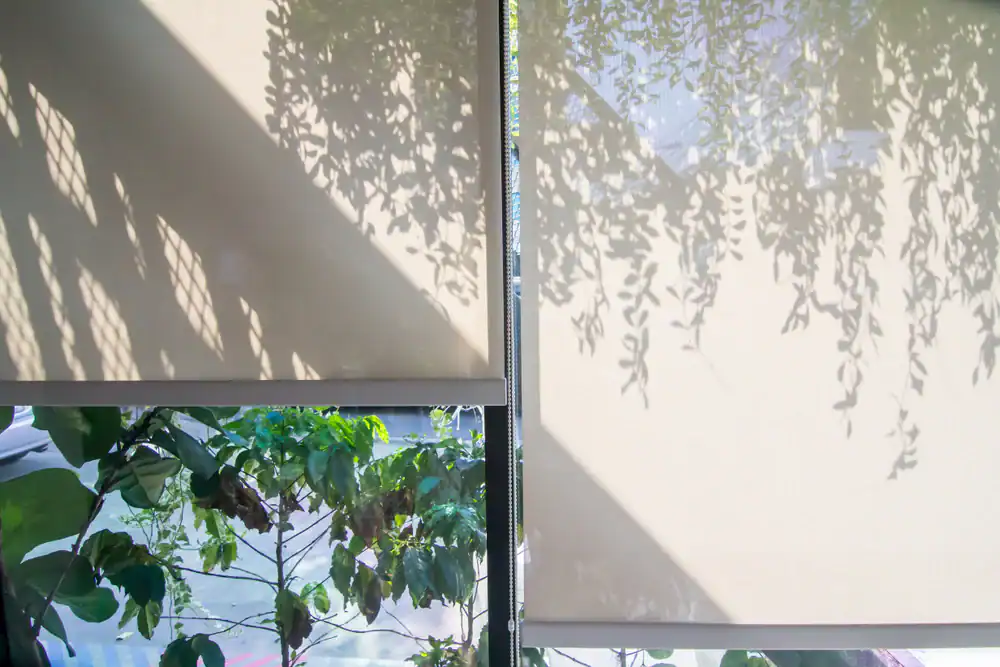
You’ll see fabric samples with different openness levels. A tighter weave blocks more heat and UV but reduces visibility. A more open weave keeps the view clear but lets in a bit more light. We’ll explain what works for west-facing patios versus south-facing ones, and what makes sense if you’re trying to shade outdoor furniture or an entire outdoor kitchen.
Once you choose materials and operating system—manual, motorized, or smart home integrated—we schedule the install. Our team mounts the exterior window blinds or patio roller shades with hardware designed for Texas wind and weather. If you go motorized, we program the controls and make sure everything syncs with your phone, remote, or voice assistant.
The install usually takes a few hours depending on the number of shades. We test everything before we leave, walk you through operation, and make sure the shades drop to the right height—typically 24 inches off the ground to maintain airflow while blocking sun and providing privacy.

Ready to get started?
Every exterior roller shade we install is custom-measured for your space. You’re not getting a standard size that almost fits—you’re getting shades built to the exact dimensions of your patio, pergola, or window openings. That matters when you’re dealing with wind off the lake or trying to cover a 12-foot opening without gaps.
Fabric options range from 90 percent to 99 percent UV blockage. Higher blockage means better heat control and more protection for your skin and furniture, but you’ll sacrifice some outward visibility. Most Spicewood homeowners go with 95 to 97 percent blockage—it’s the sweet spot for staying cool without feeling closed in.
Motorized systems are popular around Lake Travis, especially for vacation homes or hard-to-reach installations. You can control them with a remote, smartphone app, or voice command through Alexa or Google Assistant. Some systems integrate with smart home platforms so your shades automatically lower when the temperature hits a certain point or the sun reaches a specific angle.
Manual options work just as well if you don’t need automation. They’re about a tenth of the cost of motorized systems and still give you full control over shade and privacy. We install a smooth pulley system that’s easy to operate and doesn’t require constant maintenance.
Weather resistance is non-negotiable in Texas. The materials we use are built to handle intense sun, high heat, and storms. Zip-track systems keep the fabric taut and secure even in winds up to 20 mph, so you’re not dealing with flapping or tearing during summer thunderstorms.

Exterior roller shades can cut your cooling costs by 20 to 30 percent during Texas summers. That’s because they block solar heat before it reaches your windows or indoor spaces, which means your AC isn’t working as hard to compensate.
The savings are most noticeable on west- and south-facing exposures where the sun hits hardest. If you’re shading a large patio door or a wall of windows, you’ll feel the difference inside within a few days. Surface temperatures behind the shades can drop by 15 degrees or more compared to unshaded glass.
The exact savings depend on how much glass you’re covering, how often you run your AC, and your current energy rates. But most homeowners around Lake Travis see a measurable drop in their summer utility bills within the first month after installation.
Outdoor roller shades are retractable, which means you can raise or lower them depending on the time of day or season. Solar screens are fixed in place and stay up year-round. Both block UV rays and reduce heat, but roller shades give you more flexibility.
If you want full sun in the winter or early morning but need shade by midday, roller shades make more sense. You control when they’re down and when they’re up. Solar screens are a good option if you want permanent coverage and don’t mind losing some natural light all the time.
Roller shades also come in a wider range of fabrics and openness levels. You can choose blackout materials for maximum heat and light control, or go with a more open weave that preserves your view while still blocking 90 percent of UV rays. Solar screens typically offer less variety in terms of visibility and light control.
Yes, if they’re installed with a zip-track system. The zip track keeps the fabric locked into side channels so it doesn’t flap, tear, or pull loose during high winds. Most quality motorized systems are rated for winds up to 19 to 24 mph, which covers the majority of summer storms in the Hill Country.
If a severe storm is coming through, you can retract the shades with your remote or app to protect them from extreme conditions. That’s one advantage of motorized systems—you can raise or lower them from inside the house without going out into the weather.
Manual systems are just as durable in terms of materials, but you’ll need to physically go outside to adjust them. For most Spicewood homeowners, motorized makes sense because you can respond quickly to changing conditions without leaving the couch. The investment pays off in convenience and long-term durability.
During the day, yes. Exterior roller shades block the view from outside while still letting you see out, especially if you choose a fabric with 90 to 95 percent openness. People outside see a dark screen, but you can still watch the lake or keep an eye on the yard.
At night, it flips. If your interior lights are on and the shades are down, people outside may be able to see shapes or shadows depending on the fabric. If nighttime privacy is a priority, you’ll want to pair exterior shades with interior blinds or go with a blackout fabric that blocks visibility in both directions.
Most homeowners use exterior roller shades for daytime heat and glare control, then rely on interior window treatments for nighttime privacy. That combination gives you full control over light, temperature, and visibility no matter the time of day.
Quality outdoor roller shades last 10 to 15 years with minimal maintenance, even in Texas heat. The fabrics are UV-resistant and designed to handle constant sun exposure without fading, cracking, or breaking down. The hardware—especially on motorized systems—is built to withstand high temperatures and humidity.
Maintenance is simple. Hose them down a few times a year to remove dust and pollen. If you notice any debris in the tracks or rollers, brush it out. That’s it. There’s no painting, sealing, or refinishing required.
The lifespan depends partly on how often you use them and how much wind exposure they get. Shades that are retracted during storms and extreme weather tend to last longer than ones left down year-round. But even with heavy use, you’re looking at over a decade of reliable performance before you’d need to think about replacement.
Manual exterior roller shades typically cost about one-tenth of what motorized systems run. For a standard patio opening, manual shades might run $1,500 to $2,500 depending on size and fabric. Motorized systems with zip tracks and smart home integration can range from $3,000 to $6,000 or more for larger installations.
The price difference comes down to the motor, controls, and installation complexity. Motorized systems require wiring or battery packs, programming, and integration with remotes or apps. Manual systems use a simple pulley mechanism that’s faster to install and has fewer parts that could need service down the road.
If budget is tight or you’re only shading one or two areas, manual makes sense. If you’re covering multiple openings, have hard-to-reach windows, or want the convenience of controlling everything from your phone, motorized is worth the investment. We’ll walk you through both options during the consultation so you can decide what fits your priorities and budget.