
Hear from Our Customers
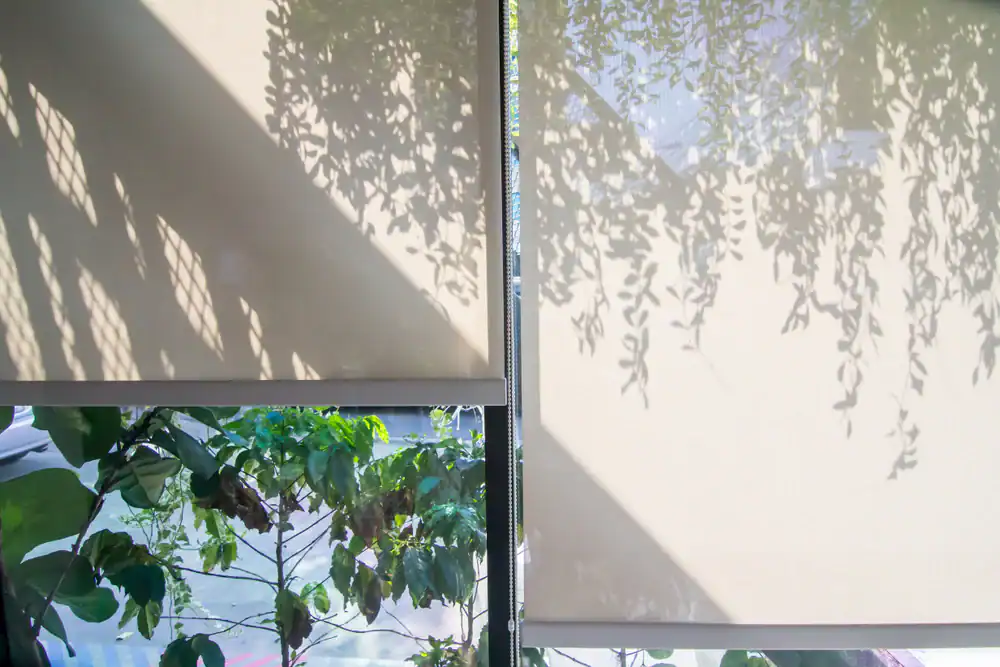
You stop avoiding your back porch in July. Your AC isn’t running nonstop trying to cool rooms with sun-blasted windows. The furniture you spent good money on isn’t fading after one summer.
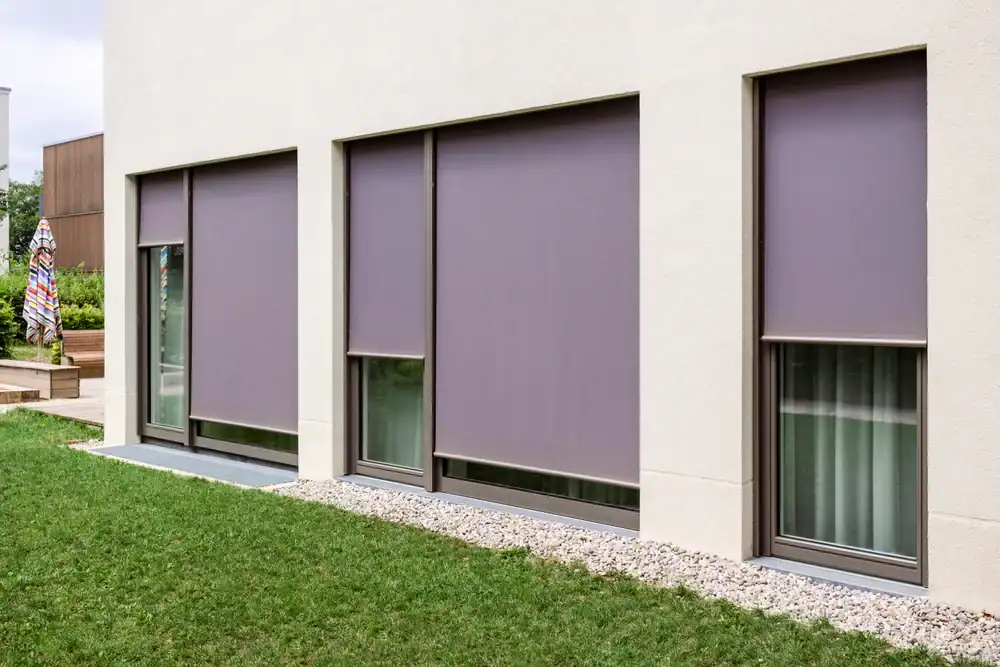
Exterior roller shades do what your patio cover can’t—they block up to 90% of UV rays and cut heat gain by as much as 80%. That’s not marketing talk. That’s the difference between a space you can’t stand to be in and one you actually want to use.
In Watauga, where summer temps regularly hit triple digits, outdoor shade blinds aren’t a luxury. They’re how you protect your investment and get your money’s worth out of the outdoor space you already paid for. You’re not just adding shade—you’re extending your living area and dropping your energy bill at the same time.
A Plus Shutters & Shades is part of A Plus Home Remodel, and we’ve been working in Tarrant County for more than 10 years. We’re not new to construction, installation, or what works in North Texas heat.
We run a showroom where you can see the actual products, not just pictures on a screen. Our team handles the measuring, the custom fabrication, and the installation—so you’re not coordinating between three different companies hoping it all lines up.
Watauga homeowners deal with the same challenges every summer: relentless sun, high energy bills, and outdoor spaces that go unused for months. We’ve installed hundreds of exterior roller shades across the DFW area, and we know what holds up and what doesn’t when the weather turns.

First, we come out to measure. Every window, patio, or pergola is different, and custom fit matters more than most people realize. We’re looking at dimensions, mounting surfaces, and how you actually use the space.
Once we have measurements, we fabricate your outdoor roller shades to exact specs. You pick the fabric—solar screens for visibility with heat control, or blackout roller shades if you want full coverage. If you want motorized controls, we integrate those during fabrication so everything works smoothly from day one.
Installation typically takes a few hours depending on how many shades you’re adding. We mount the hardware, hang the shades, test the operation, and walk you through how to use them. If they’re motorized, we’ll sync them with your phone or smart home system before we leave.
You’re not dealing with a long, drawn-out project. Most installs are done in a single visit, and you can start using your patio the same day.

Ready to get started?
These aren’t the roll-up blinds you see at big box stores. Exterior roller shades designed for Texas weather use reinforced fabrics that resist mold, mildew, and fading. The side channels keep them stable in wind—rated for gusts up to 105 mph, which matters when storms roll through Tarrant County.
You get custom sizing for every opening. That means no gaps where heat sneaks through, and no awkward overlaps that look like an afterthought. The materials are waterproof and built to handle sun exposure without breaking down after a season or two.
Motorized options let you control everything from your phone. You can set schedules so the shades drop automatically during peak sun hours, or raise them when you want airflow. If you’ve already got a smart home setup, these integrate with most systems—Alexa, Google, or dedicated apps.
In Watauga, where median home values hit $233,400 and climbing, homeowners are looking for improvements that actually add value. Outdoor roller shades extend your usable square footage, lower operating costs, and make your property more attractive if you ever sell. You’re not just covering windows—you’re making your home more functional year-round.

The reduction depends on how much glass you’re covering and which direction it faces. South and west-facing windows take the worst beating from afternoon sun, and that’s where you’ll see the biggest impact.
Exterior roller shades block heat before it hits the glass, which is far more effective than interior blinds. You’re looking at up to 80% reduction in heat gain on covered windows. For a typical Watauga home running AC all summer, that can translate to 15-25% lower cooling costs depending on your setup.
The ROI isn’t just about the electric bill. You’re also reducing wear on your HVAC system because it’s not fighting solar heat all day. Most homeowners notice the difference within the first billing cycle, especially during June through September when temps stay above 95°F for weeks at a time.
Yes, if they’re installed correctly with side channel guides. The channels keep the fabric tensioned and prevent it from whipping around when wind picks up. Most quality exterior shades are rated for sustained winds up to 105 mph, which covers the vast majority of weather events in North Texas.
That said, if a severe storm warning goes out, it’s smart to retract them. Motorized systems make that easy—you can raise all your shades from your phone in about 10 seconds. The fabric itself is tough, but no outdoor shade is designed to stay deployed in a tornado or hailstorm.
We install these across Tarrant County, and wind resistance is one of the first things homeowners ask about. The short answer: they’re built for normal Texas weather, including gusty spring storms. Just don’t leave them down during extreme conditions, and they’ll last for years.
Solar shades block heat and UV rays but still let you see through them. They’re made from mesh fabric with different openness ratings—usually 5%, 10%, or 15%. Lower percentages block more light but reduce visibility. Most people use solar shades on patios where they want airflow and a view.
Blackout roller shades block everything—light, heat, and visibility. They’re solid fabric, often vinyl or polyester, and they’re what you’d use if you want complete privacy or need to darken a space entirely. They’re common for outdoor kitchens, covered porches, or areas where you’re dealing with direct sun and want full coverage.
For Watauga homes, solar shades tend to be more popular because they keep the space usable without making it feel closed off. But if you’re covering a west-facing patio that gets hammered by late-day sun, blackout shades might make more sense. It really comes down to how you use the space and what you’re trying to solve for.
Most residential installs take between two and four hours depending on how many shades you’re adding and whether they’re motorized. A single patio shade might take an hour. A full outdoor living area with multiple windows and pergola coverage will take longer.
The process involves mounting brackets, hanging the roller mechanism, securing side channels if you’re using them, and testing operation. Motorized shades add a bit more time because we’re running power and syncing controls, but it’s still a same-day job in most cases.
Custom fabrication is where the real timeline comes in. Once we measure, it typically takes one to two weeks to build your shades to spec. After that, installation is quick. You’re not looking at a multi-day project that disrupts your routine—it’s a straightforward process from start to finish.
Not really. The fabrics are designed to resist mold, mildew, and fading, so they don’t need constant attention. Most homeowners clean them once or twice a year with a soft cloth and mild soap. You’re not scrubbing or using harsh chemicals—just wiping down dust and pollen.
If you have motorized shades, the mechanical components are sealed and don’t require maintenance under normal use. Batteries in remote controls might need replacing every year or two, but that’s about it. The motors themselves are built to last and don’t need servicing unless something breaks, which is rare.
The biggest thing is retracting them during severe weather. Leaving them down in high winds or hail can cause damage that’s avoidable. Beyond that, exterior roller shades are low-maintenance compared to most outdoor features. You’re not repainting, re-staining, or replacing parts every season.
Depends on what you’re dealing with. A roof blocks direct overhead sun, but it doesn’t stop angled morning or afternoon rays from heating up your space. If your patio faces east or west, you’re still getting blasted even with a cover.
Exterior roller shades give you control over side exposure. You can drop them during peak sun hours and raise them when the angle shifts or when you want airflow. That flexibility makes a covered patio actually comfortable instead of just tolerable during summer months.
In Watauga, where outdoor living is a big part of home value, adding shades to an existing covered patio is one of the most cost-effective upgrades you can make. You’re not rebuilding anything—you’re just adding function to space you already have. Most homeowners who add them wish they’d done it sooner because of how much more they end up using the area.