
Hear from Our Customers
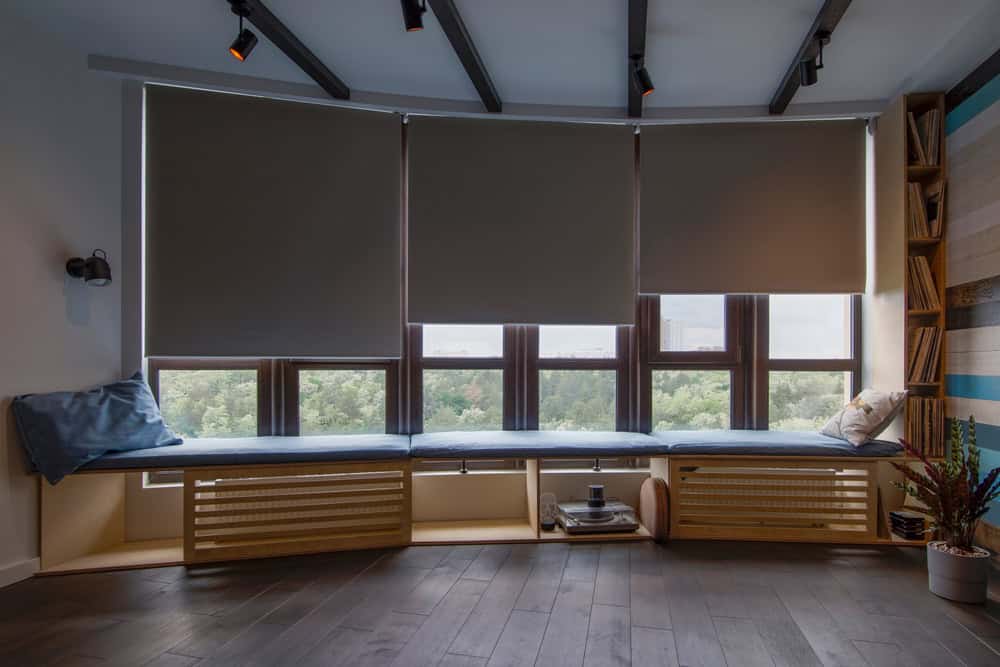
Your AC stops running nonstop trying to fight the sun pouring through your windows. That’s the first thing you’ll notice—the temperature evens out, and your energy bill starts dropping. We’re talking 10-30% savings when you block heat at the glass instead of trying to cool it down after it’s already inside.
Your furniture stops fading. The couch you spent good money on, the rug in the living room—they’re not getting blasted with UV rays anymore. Blackout roller shades can block up to 95% of that damage, which means your stuff lasts longer and looks better.
And you get control back. Too bright in the morning? Pull them down. Need privacy without killing all your natural light? Go with a light-filtering fabric. Want to automate the whole thing so your shades adjust themselves? Motorized options handle that. You’re not stuck with one-size-fits-all curtains that don’t fit your windows or your life.
A Plus Shutters & Shades has been installing custom window treatments across Bluff Springs, Arlington, and the surrounding area for over 10 years. We’re not a franchise following a script—we’re a local team that understands what Texas heat does to homes and how to fix it.
We come from a construction background, which matters more than you’d think. We know how to measure correctly, mount hardware into different wall types, and handle tricky window shapes without leaving gaps or causing damage. That’s the difference between roller shades that work and ones that don’t.
Bluff Springs has grown fast, with most homes built after 2000 and a mix of ranch-style houses and two-story layouts. We’ve worked in all of them. We know the smaller windows you see around here are designed to keep out summer sun, and we know how to maximize that with the right blackout blinds or screen shades that still let you see outside.
We start with a free consultation at your place. We measure your windows, talk through what’s bothering you—too much heat, glare on your TV, privacy issues, whatever it is—and show you fabric options. You’ll see samples of blackout roller shades, light-filtering materials, and solar screens. We explain what each one actually does, not just what it looks like.
Once you pick your materials, colors, and whether you want manual or motorized operation, we order everything custom-made to your exact window measurements. No generic sizes that kind of fit. This takes about a week or two depending on what you choose.
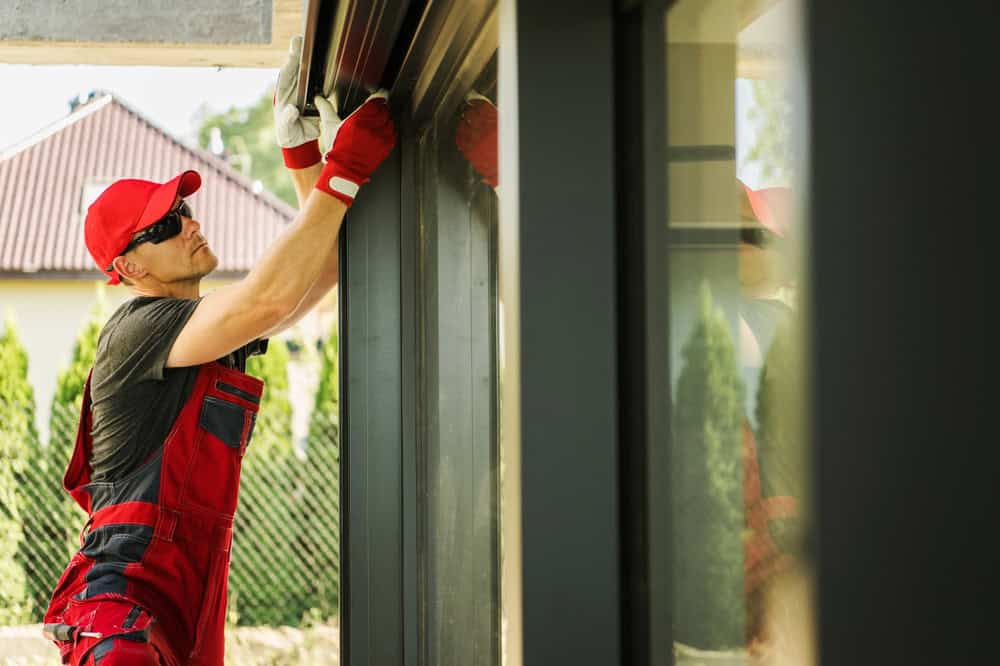
Then we come back and install. We mount the hardware, hang the roller shade blinds, make sure they operate smoothly, and test everything. If you went motorized, we program your controls and show you how to use them—whether that’s a remote, your phone, or voice commands through your smart home system. The whole install usually takes a few hours depending on how many windows we’re covering. You’re left with window treatments that fit perfectly and actually solve the problem you called us about.
Ready to get started?
You’re getting roller blinds for windows that are built specifically for your home. We’re talking about fabrics designed to handle Texas conditions—materials that block heat, resist fading, and don’t break down after a couple of summers. You can choose blackout fabric for bedrooms where you need complete darkness, light-filtering options for living spaces where you want some glow without the glare, or solar screens that cut UV and heat while keeping your view.
Motorization is available on any of them. That means you can control your roller shade blinds from your phone, set schedules so they close automatically during the hottest part of the day, or integrate them with Alexa or Google Home. It’s not just convenient—it’s smarter energy management because your shades adjust based on when the sun hits hardest.
In Bluff Springs specifically, we see a lot of requests for blackout window blinds in west-facing rooms and solar shades on south-facing windows. That’s because the afternoon sun is brutal here, and those orientations take the worst of it. Blocking that heat before it gets inside can drop your interior temperature by up to 30 degrees in summer. That’s real money saved every month, plus your AC unit isn’t working itself to death.

Blackout roller shades use a dense, coated fabric that blocks nearly all light and provides maximum heat rejection. When they’re closed, the room goes dark—no light bleeding through the edges or fabric. That makes them ideal for bedrooms, nurseries, or any space where you need to control light completely or sleep during the day.
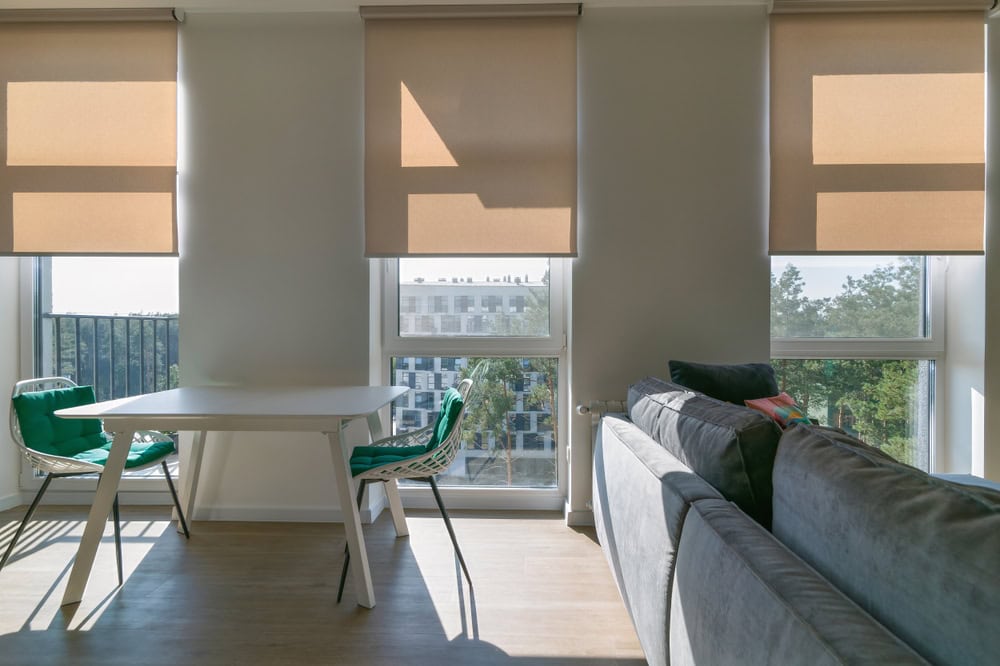
Light-filtering roller shades use a looser weave that softens incoming light without eliminating it. You still get natural glow and can see shapes outside, but the harsh glare is gone. These work well in living rooms, kitchens, or offices where you want brightness without the heat and UV damage that comes with unfiltered sun.
Both options reduce energy costs, but blackout blinds for windows give you more insulation because of the thicker material. If you’re trying to decide, think about the room’s purpose. Need darkness? Go blackout. Want ambiance with protection? Go light-filtering. We can also mix them throughout your home based on each room’s needs.
Motorized roller shades typically add $150-$300 per window compared to manual versions, depending on the size and control system you choose. That includes the motor, power source (battery or hardwired), and basic remote control. If you want smartphone integration or voice control through your smart home system, there may be an additional hub cost, usually around $100-$200 for the whole house.
The upside is convenience and energy savings. You can program your blackout roller shades to close automatically during peak heat hours—say 2-6 PM in summer—which maximizes your energy efficiency without you having to think about it. Over time, that can offset the upfront cost through lower cooling bills.
Manual operation is reliable and costs less initially. You pull a chain or use a spring-loaded system. There’s nothing wrong with that if you’re home during the day and don’t mind adjusting them yourself. But if you’re at work when the sun is hottest, or you have hard-to-reach windows, or you just want the automation, motorized makes sense. We install both, and about 40% of our Bluff Springs customers choose motorized for at least some of their windows.
Yes, but the amount depends on your windows, your current setup, and which type of roller shade blinds you install. Windows are responsible for up to 40% of energy loss in homes. When sun pours through glass, it heats your interior and forces your AC to compensate. Blackout roller shades or solar screens block that heat at the source, which is far more efficient than trying to cool it after it’s inside.
Most homeowners see 10-30% reductions in cooling costs after installing energy-efficient window treatments. In Bluff Springs, where summer temps regularly hit the 90s and 100s, that can mean $30-$80+ per month in savings during peak season. Over a year, that adds up. Over the lifespan of quality roller shades—which is 10-15 years—you’re looking at real money.
The key is getting the right fabric for your sun exposure. West and south-facing windows take the most heat, so that’s where blackout or solar fabrics make the biggest impact. North and east-facing windows can often get by with light-filtering options. We assess your home’s orientation during the consultation and recommend what will actually move the needle on your energy costs, not just what looks nice.
Roller shades are low-maintenance compared to curtains or traditional blinds. Most fabrics just need a quick wipe with a damp cloth every few weeks to remove dust. For blackout roller shades with vinyl or coated fabric, you can use a mild soap solution if needed—just avoid harsh chemicals that might damage the coating.
If your roller blinds for windows are light-filtering or made from a more delicate material, a vacuum with a brush attachment works well for regular dusting. Don’t soak them or put them in the washing machine. The fabric is designed to stay on the roller mechanism, and removing it or getting it too wet can cause warping or damage.
The mechanical parts—the roller tube, mounting brackets, chain or motor—don’t need much attention. If you notice the shade isn’t rolling smoothly or the fabric is crooked, that’s usually a tension issue we can fix quickly. Motorized systems run on batteries that last 1-2 years depending on use, and we’ll show you how to replace them during installation. Overall, you’re looking at maybe 10 minutes of maintenance every month or two. That’s it.
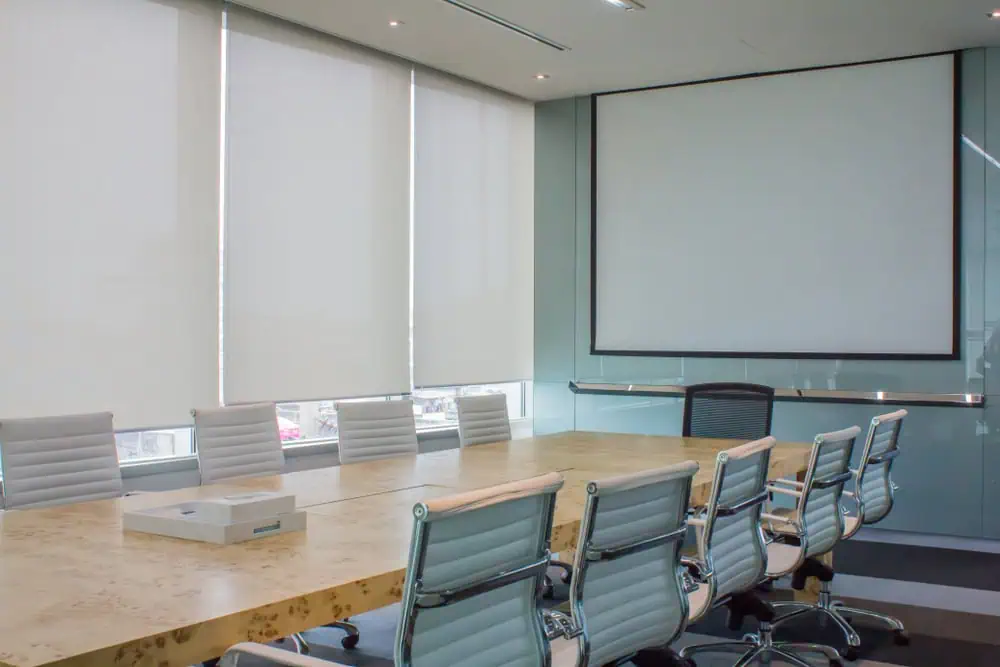
Yes. Custom roller shades are built to your exact measurements, which means we can handle wide windows, tall windows, angled windows, and most non-standard shapes. We’ve installed roller shade blinds on floor-to-ceiling glass, narrow sidelights next to doors, and bay windows with multiple angles.
For very large windows—say 10 feet wide or more—we might recommend splitting the coverage into two shades that operate side-by-side. That keeps the fabric from sagging and makes operation smoother, especially if you’re going manual. Motorized systems handle larger sizes better because there’s no physical effort involved.
The measurement process is critical here. We come out, measure every window you want covered, and account for mounting depth, obstructions like handles or cranks, and whether you want an inside or outside mount. Inside mounts sit within the window frame for a clean look. Outside mounts cover the entire frame and can block more light around the edges. We’ll explain what works best for your specific windows during the consultation. The point is, if you’ve got a window, we can probably cover it correctly with a custom roller shade.
Blackout roller shades provide complete privacy when closed—no one can see in, day or night. The dense fabric blocks visibility from both directions, which makes them ideal for street-facing windows, ground-floor rooms, or anywhere you need guaranteed privacy without adding heavy curtains.
The tradeoff is you lose your view and natural light when they’re down. If you want privacy during the day but still want to see outside or let some light in, light-filtering or solar screen roller shades are a better option. These materials obscure the view into your home while still allowing you to see out and letting diffused light through. They’re not 100% private at night with interior lights on, but they work well for daytime privacy in living areas.
Some Bluff Springs homeowners use a combination—blackout blinds for windows in bedrooms and bathrooms where privacy is non-negotiable, and light-filtering shades in living rooms and kitchens where they want flexibility. You can also use blackout shades and just raise them when you want light and views, then lower them when you need privacy or darkness. We help you think through which approach makes sense for each room based on how you actually use the space.