
Hear from Our Customers
You’re tired of waking up at sunrise because your current blinds let light leak around the edges. Or maybe you’re dealing with afternoon heat turning your living room into a sauna, running up your AC bill every summer month.
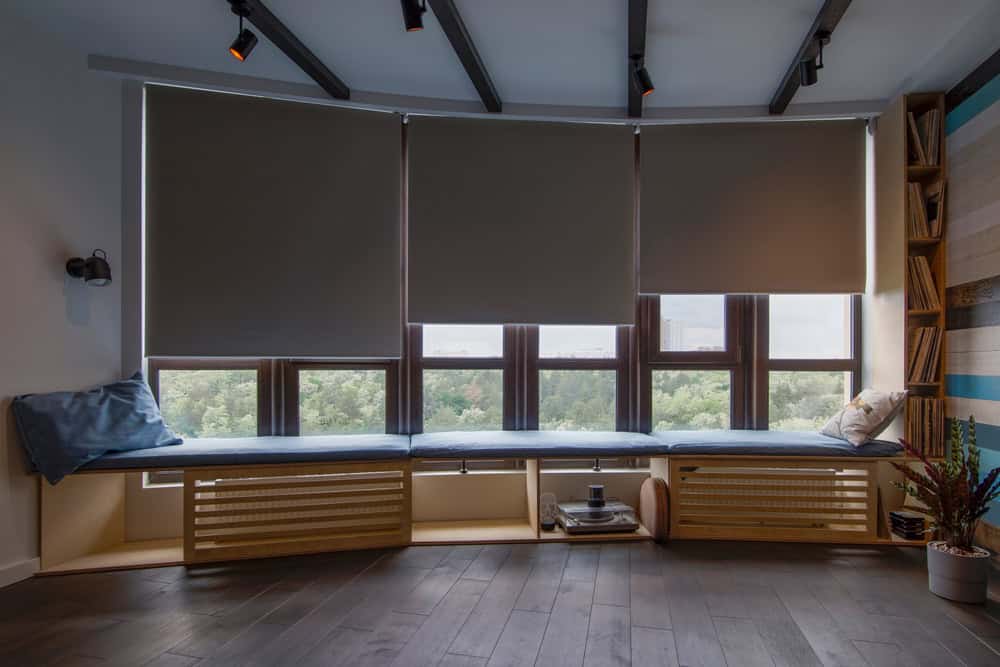
Properly installed roller shades fix both problems. Blackout options block morning sun completely when you need real darkness for sleep. Light-filtering fabrics let you control glare without making rooms feel like caves during the day.
The energy savings are real in Texas heat. Quality roller blinds for windows create an insulation barrier that keeps cool air inside where it belongs. Your AC doesn’t have to work as hard, and you’ll notice the difference when your energy bill arrives. Plus, UV protection means your furniture and floors won’t fade from sun exposure, saving you money on replacements down the line.
We bring ten years of construction experience to every roller shade installation in Crestview, TX. That construction background matters because we understand how homes are built, how windows vary, and why precise measurements prevent the light leaks that ruin blackout blinds.
We’re based locally and work throughout North Austin. Our showroom lets you see fabric samples in person and test different operating systems before you commit. We use Texas-made products when possible because the quality holds up better in our climate.
Crestview homes range from newer builds to renovated mid-century bungalows, and we’ve worked on both. We know the window sizes and styles common in this area, which means fewer surprises during installation and better results for you.
We start with a free consultation at your home in Crestview, TX. You tell us what’s not working with your current window treatments, and we measure every window you want covered. We measure width and height in three places because even an eighth-inch error causes light leaks with blackout roller shades.
You’ll see fabric samples and choose from light-filtering or blackout options. We’ll discuss cordless, motorized, or standard pull systems based on your windows and budget. If you want smart home integration, we’ll walk through how that works with your existing setup.
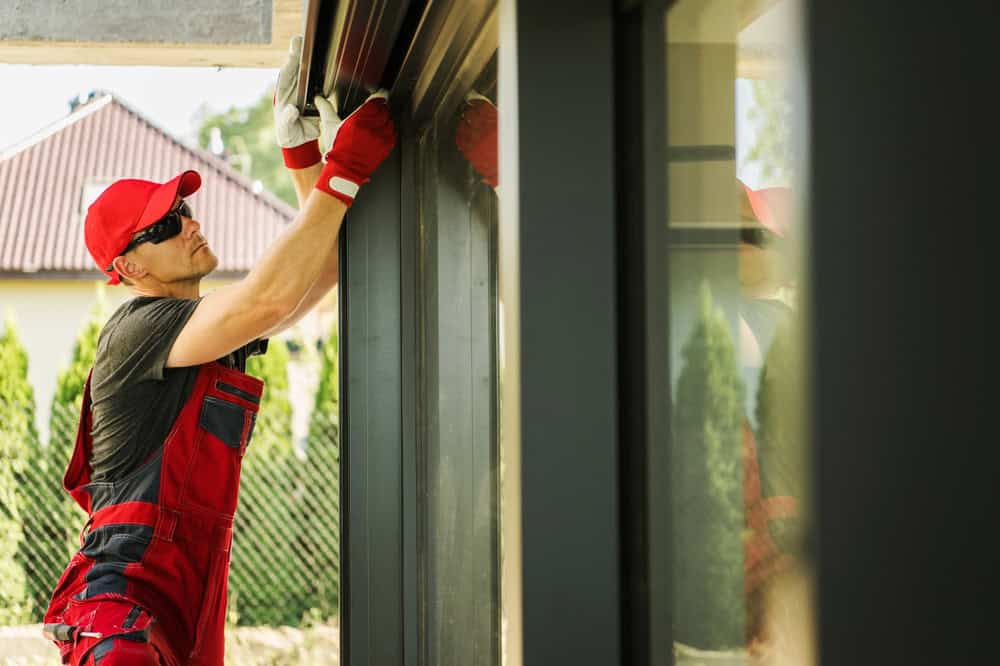
Once you approve everything, we order your custom roller shade blinds. Installation happens on a scheduled day that works for you. We mount brackets precisely and test every shade to make sure it operates smoothly and blocks light where it should. We clean up completely before we leave.
The whole process typically takes two to three weeks from consultation to finished installation, depending on customization level and current workload.
Ready to get started?
You’ll choose from dozens of fabric options in different colors and textures. Blackout fabrics block light completely, which matters in Crestview’s sunny climate where east-facing windows get intense morning sun. Room-darkening fabrics reduce light but aren’t true blackout, so we’re clear about the difference upfront.
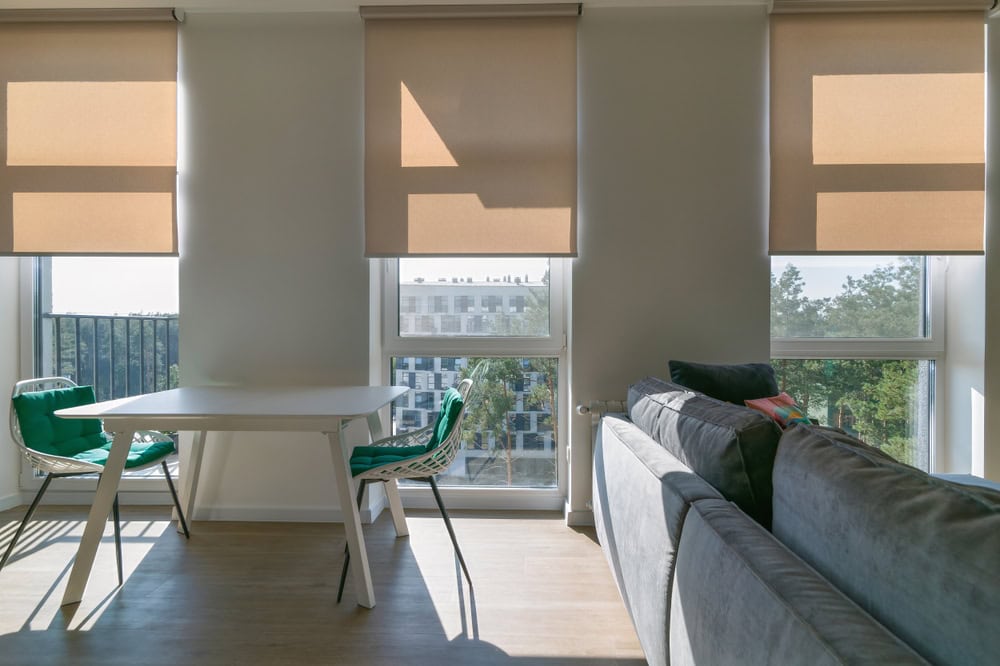
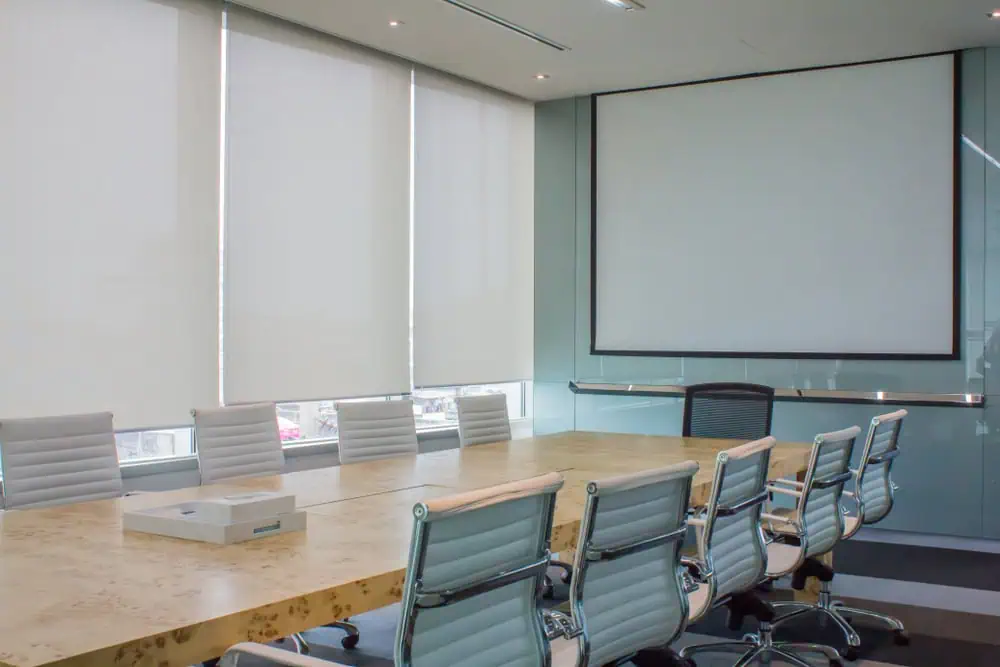
Light-filtering options let natural light in while reducing glare and providing daytime privacy. Solar shades block UV rays and heat while maintaining your view outside, which works well for living rooms and home offices where you want light control without darkness.
Operating systems include cordless lift for clean lines and child safety, continuous loop chain for large or hard-to-reach windows, and motorized options that integrate with smart home systems. Motorized roller shades make sense for high windows, multiple shades you want to control together, or if you simply prefer button or voice control over manual operation.
We also discuss inside mount versus outside mount installation. Inside mount fits within your window frame for a cleaner look but requires sufficient depth. Outside mount covers the entire window frame and works better for blocking light completely or covering problem windows.

Blackout roller shades make sense for bedrooms where you need complete darkness for sleep, nurseries where babies nap during the day, or media rooms where screen glare is a problem. True blackout fabric blocks nearly 100% of light when installed correctly with minimal gaps.
Light-filtering shades work better for living rooms, kitchens, and home offices where you want natural light without harsh glare or direct sun. You’ll still have privacy during the day, but rooms won’t feel dark or closed off.
The confusion happens because some products marketed as “blackout” are actually just room-darkening, which only reduces light by 95% or so. That remaining 5% is enough to wake you up at sunrise. We show you actual fabric samples so you know exactly what you’re getting, and we’re honest about what each option will and won’t do in your specific windows.
Yes, but the savings depend on your window exposure and shade fabric choice. South and west-facing windows in Crestview, TX get intense afternoon sun that heats up rooms significantly. Quality roller shades create an insulating air pocket between the fabric and window glass, blocking heat before it enters your home.
Solar shades are specifically designed to reject heat while maintaining visibility. Blackout blinds for windows also block heat effectively, though you lose natural light. Either option reduces the load on your AC system, which means it cycles less frequently and uses less energy.
The actual dollar savings vary based on your home’s insulation, window quality, and how many windows you cover. Most customers notice their rooms stay cooler during peak afternoon hours, and some report 10-15% reductions in summer cooling costs. The UV protection also prevents sun damage to furniture and flooring, which saves replacement costs over time even if energy savings are modest.
Light leaks happen when there’s any gap between the shade fabric and the window frame. Even a quarter-inch gap creates a visible halo of light around the edges that defeats the purpose of blackout blinds. The most common cause is poor measurement or installation that doesn’t account for how the shade sits when lowered.
We prevent leaks by measuring width and height in three places on every window, using the smallest measurement to ensure proper fit. For inside mount installations, we verify you have enough depth for the roller mechanism. For outside mount, we extend the fabric past the frame edges to eliminate side gaps.
The mounting brackets also matter. If they’re not level or aren’t positioned correctly, the shade won’t roll evenly and gaps appear. We use construction-grade installation techniques and check every shade after mounting to confirm it operates smoothly and sits flush where it should. Some windows simply can’t achieve perfect blackout with roller shades due to frame irregularities, and we’ll tell you that upfront rather than install something that won’t meet your expectations.
Motorized roller shades cost more upfront but make sense in specific situations. If you have high windows or large shades that are difficult to reach, motorization eliminates the hassle. If you’re covering multiple windows in one room, you can control all the shades together with one button instead of adjusting each manually.
Smart home integration is the other main reason people choose motorized options. You can program shades to open at sunrise and close at sunset automatically, or control them by voice through Alexa or Google Home. Some customers like the security aspect of programming shades to open and close when they’re traveling, making the home look occupied.
Manual operation with cordless lift or continuous loop chain works fine for most standard windows and costs significantly less. The mechanisms are reliable and require no batteries or electrical work. If budget is a concern or you simply prefer the simplicity of manual control, there’s nothing wrong with that choice. We install both types regularly in Crestview, TX homes, and the decision comes down to your specific needs and preferences rather than one option being objectively better.
Quality roller shade blinds typically last 7-10 years with normal use, sometimes longer depending on sun exposure and how often you raise and lower them. The fabric itself is durable and won’t fade quickly if you choose good materials. The mechanical components—the roller tube, spring mechanism, and mounting brackets—are what eventually wear out.
Maintenance is minimal compared to curtains or other window treatments. Dust the fabric with a microfiber cloth or vacuum with a brush attachment every few weeks. For light cleaning, wipe with a damp cloth and mild soap, then let air dry completely before rolling up. Don’t use harsh chemicals or scrub aggressively, as that can damage the fabric coating.
The operating mechanism needs occasional attention. If a spring-loaded shade starts rolling too fast or won’t stay down, the tension needs adjustment. If a continuous loop chain feels sticky, the clutch mechanism might need cleaning. These are fixable issues, but they require someone who knows what they’re doing. We provide guidance on basic maintenance and are available if mechanical problems develop down the road.
Inside mount means the roller shade fits within your window frame, creating a clean, built-in look. The shade sits inside the frame depth, so you need at least 2-3 inches of depth for the roller mechanism to fit properly. Inside mount works well aesthetically but leaves small gaps on the sides where light can leak through, which matters if you’re trying to achieve complete blackout.
Outside mount installs on the wall or trim above and around your window frame. The shade covers the entire frame when lowered, which blocks light more effectively and works better for blackout blinds for windows. Outside mount also solves problems with shallow frames, window cranks that stick out, or frames that aren’t perfectly square.
The choice depends on your windows and priorities. In Crestview, TX homes with newer construction, inside mount often works fine and looks cleaner. In older homes with less standard window frames, outside mount is more practical and delivers better light control. We measure and assess your specific windows during the consultation, then recommend which mounting style makes sense for each window based on what you’re trying to accomplish.