
Hear from Our Customers
You’ve tried the cheap blinds. Light still leaks through the sides. The fabric doesn’t quite reach the frame. Your bedroom at 6 a.m. looks like a spotlight convention.
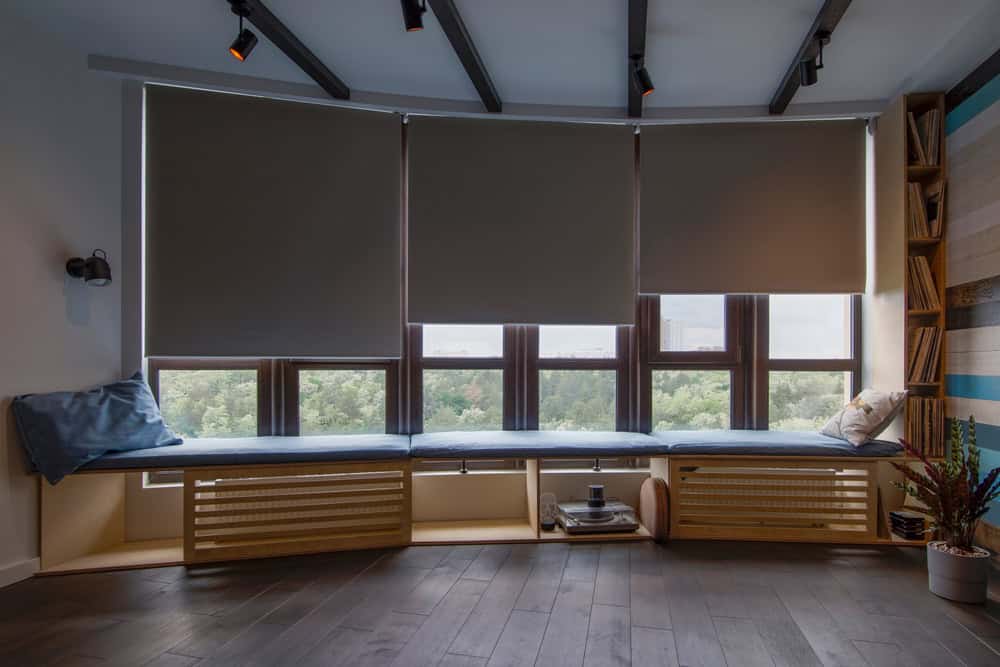
Real blackout roller shades use light-filtering construction that actually absorbs light instead of just dimming it. When they’re closed, your room goes dark. Not “kind of dark.” Dark enough that your body produces melatonin and you actually sleep through the morning.
That matters if you work nights. It matters if you have kids who wake up with the sun. It matters if you’re trying to watch a movie in the middle of the day without glare turning your TV into a mirror.
The difference isn’t just comfort. During a Texas summer, blackout blinds for windows keep heat out. Your AC doesn’t fight the sun all afternoon. In winter, they help hold warmth inside. You’ll see it on your energy bill within the first few months.
A Plus Shutters & Shades is part of A Plus Home Remodel, a company that’s been transforming homes across the DFW area since 2014. We’re based in Arlington and serve Gatlinburg, Fort Worth, Dallas, Southlake, Mansfield, and the surrounding communities.
We’re not a franchise. We don’t subcontract installs to whoever’s available that week. Our team handles your consultation, measurements, and installation. We use Texas-made products because they’re built for this climate.
You get a free consultation where we measure your windows, show you fabric samples, and walk through your options. No pressure. No upselling. Just straight answers about what works for your space and what doesn’t.
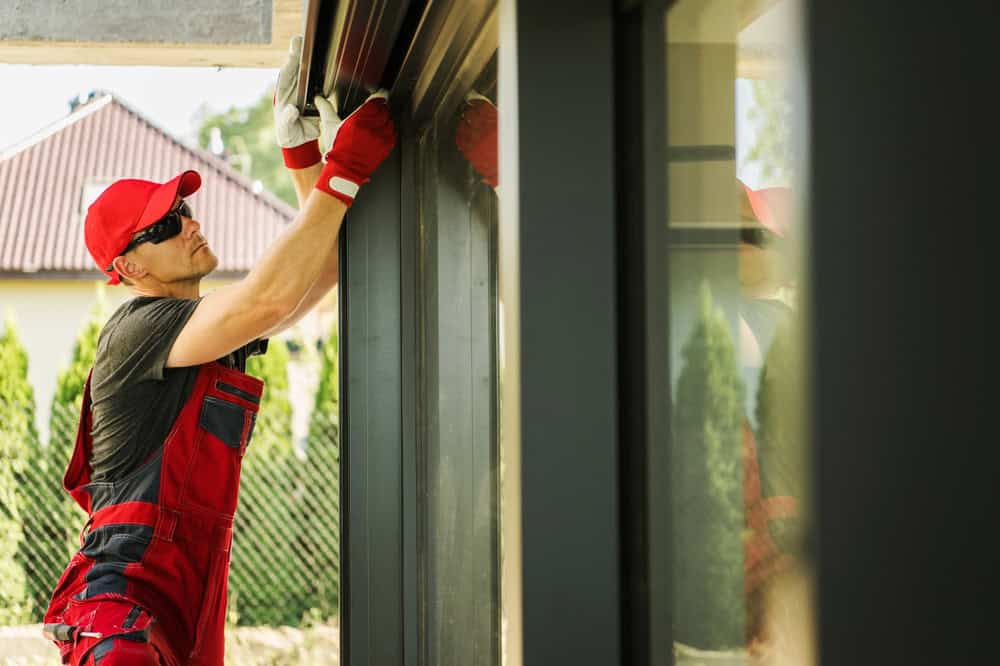
First, we come to your home in Gatlinburg for a free consultation. We measure every window you want covered. Not just width and height—we check the depth, the frame type, and whether you need an inside or outside mount. A quarter-inch mistake means light leaks or a shade that scrapes the frame every time you use it.
You’ll see fabric samples in person. Blackout fabrics, light-filtering options, colors, textures. We talk through cordless vs. motorized operation, especially if you have kids or want smart home integration. You’ll know exactly what you’re getting and what it costs before we order anything.
Once your custom roller shades are ready, our installers come back and handle the full setup. We mount the brackets, hang the shades, and test the operation. If it’s motorized, we sync it with your system. If it’s cordless, we make sure the tension is right so it rolls smoothly every time.
The install usually takes a few hours depending on how many windows you’re covering. When we’re done, you’ll know how to operate everything, and you’ll have our contact info if anything ever needs adjustment.
Ready to get started?
Every roller shade we install is custom-measured for your windows. You’re not buying stock sizes and hoping they fit. You’re getting shades built to your exact specifications with the fabric, color, and operating system you picked during the consultation.
Blackout options use fabrics that block UV rays and heat, not just light. That protects your furniture from fading and keeps your rooms cooler during Gatlinburg’s summer months. If you want light filtering instead of total blackout, we have those too—they let in soft light while still giving you privacy.
Cordless roller shades are standard if you have young kids. No dangling cords, no strangulation risk. Motorized options work with remotes or smart home systems like Alexa and Google Home. You can schedule your shades to close at sunset or open in the morning without getting out of bed.
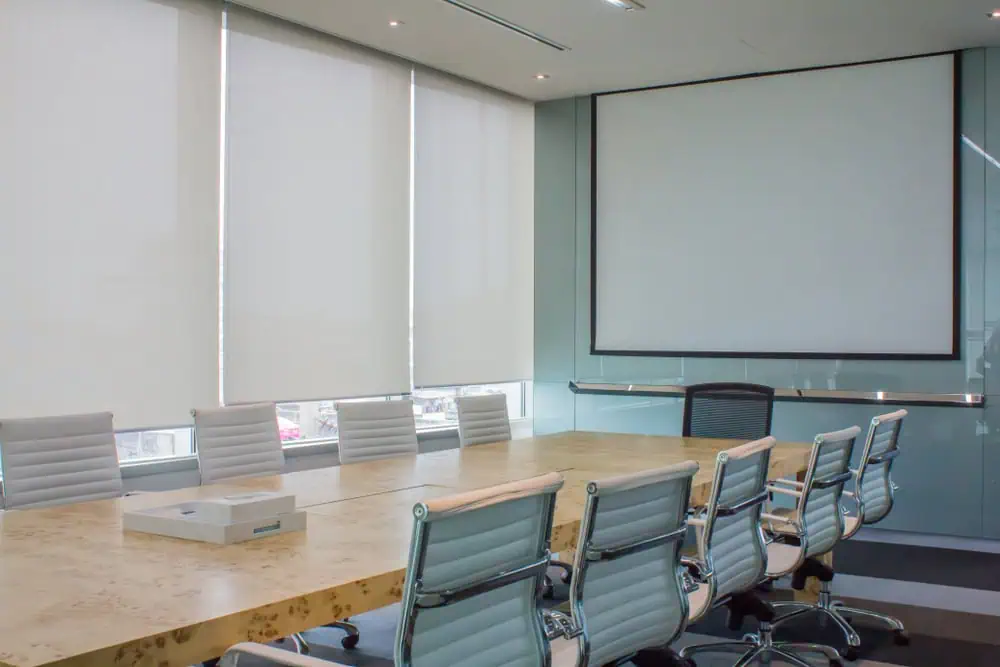
We also handle commercial installs—offices, storefronts, conference rooms. If you need consistent light control across multiple windows or want branded colors, we’ll work with you on it. Installation is included. So is a walkthrough on how everything operates.

Blackout roller shades block nearly all light when closed. The fabric is designed to absorb light instead of just filtering it, so your room goes completely dark. Room darkening shades dim the light but don’t eliminate it—you’ll still see some glow around the edges and through the fabric.
If you need total darkness for sleep, shift work, or a home theater, blackout is the only option that works. Room darkening is fine for living rooms or kitchens where you want privacy and less glare but don’t need pitch black.
The fabric thickness and backing make the difference. Blackout materials are denser and often have a light-blocking layer on the back. Room darkening fabrics are lighter and let some ambient light through. When we show you samples during the consultation, you’ll see and feel the difference immediately.
Motorized roller shades use a small motor inside the roller tube. You control them with a remote, wall switch, or smart home app. Cordless manual shades use a spring-loaded mechanism—you pull them down or push them up by hand, and they stay in place.
Motorized costs more upfront but makes sense if you have hard-to-reach windows, want to automate your home, or have mobility issues. You can program them to open and close on a schedule, which helps with energy efficiency and security when you’re away. Battery-powered motors are an option if you don’t want to run electrical wiring.
Cordless manual shades are simpler and more affordable. They’re also safer if you have young kids, since there are no cords to create a strangulation hazard. The spring tension can wear out over time, but it’s usually an easy fix. If you’re covering a lot of windows and want convenience, motorized is worth it. If you want straightforward operation and lower cost, cordless manual works just fine.
Yes, but only if they’re installed correctly and you actually use them. Blackout roller shades block heat from entering through your windows during summer, which means your AC doesn’t work as hard. In winter, they add a layer of insulation that keeps warm air inside.
The Department of Energy estimates that heat gain through windows accounts for 25-30% of cooling costs. Blackout fabrics with thermal backing can reduce that significantly, especially on west-facing windows that get direct afternoon sun. Some homeowners see energy savings between 10-30% depending on how many windows they cover and how consistently they close the shades during peak heat.
The key is using them strategically. Close your blackout shades during the hottest part of the day in summer. Open them in winter when you want passive solar heating. If you go motorized, you can automate this so you’re not thinking about it. The savings add up over time, and in Gatlinburg’s climate, that makes a real difference on your monthly bill.
For most homes, installation takes two to four hours depending on how many windows you’re covering. A single window takes about 15-20 minutes once we’ve got the brackets mounted and leveled. If you’re doing a whole house or adding motorized shades with smart home integration, it might take half a day.
The process isn’t complicated, but precision matters. We mount the brackets to the wall or window frame, making sure they’re level so the shade rolls evenly. Then we hang the roller tube, attach the fabric, and test the operation. For motorized shades, we install the motor, connect the power source or batteries, and sync everything with your remote or app.
DIY installation is possible if you’re handy, but most mistakes happen during measuring or mounting. If the brackets are off by even a small amount, the shade won’t roll straight or it’ll scrape the frame. We’ve fixed plenty of DIY installs where the measurements were wrong or the brackets weren’t level. Professional installation means it works right the first time, and you’re not dealing with returns or adjustments.
Yes. Custom roller shades can be built for oversized windows, bay windows, skylights, and angled or arched openings. The approach changes depending on the size and shape, but it’s all doable.
For wide windows, we sometimes recommend splitting the coverage into two or three separate shades instead of one massive roller. A single shade that’s too wide can sag in the middle or become difficult to operate. Multiple shades give you better control and longer lifespan. For tall windows, motorization makes more sense since you won’t be reaching up to pull a cord or manually operate the shade.
Skylights and angled windows usually need motorized options because they’re not easy to reach. We can install shades that sit flush against the glass or mount them at an angle to follow the window line. For arched windows, we typically cover the rectangular portion with a roller shade and leave the arch open, or we use a custom solution depending on what you want.
During the consultation, we’ll measure everything and talk through what works best for your specific windows. If it’s a tricky install, we’ll tell you upfront what’s possible and what’s not.
Blackout fabrics with a thermal or reflective backing are your best option for blocking both heat and UV rays. These materials are designed to absorb or reflect sunlight before it enters your home, which keeps rooms cooler and protects your furniture from fading.
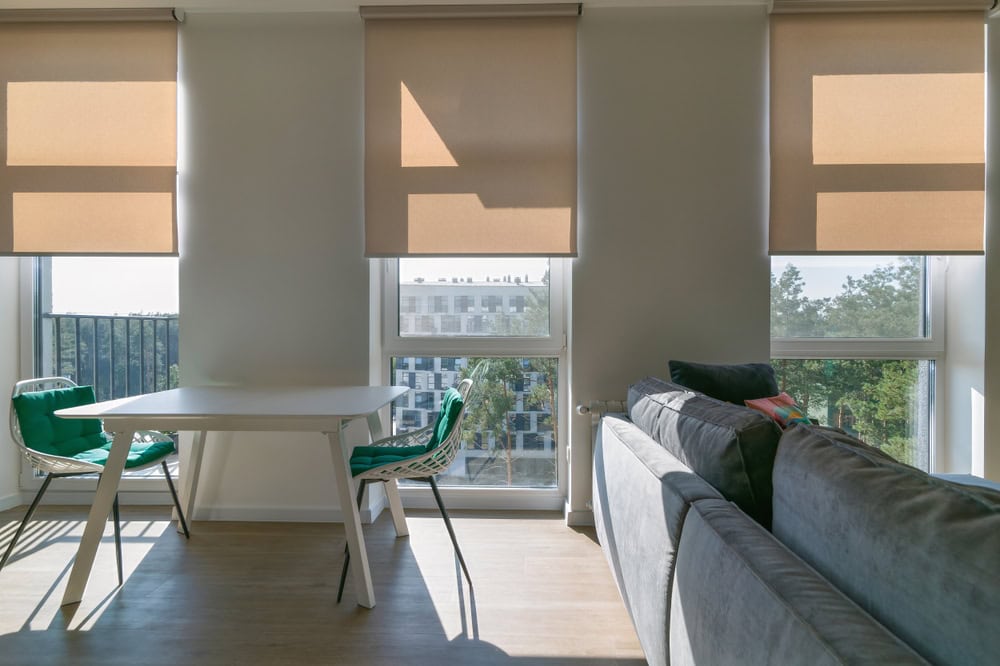
Solar shades are another option if you want to see outside while still blocking UV and heat. They’re made from a mesh-like material that filters light and reduces glare without creating total blackout. They work well in living rooms or offices where you want a view but don’t want the sun turning your space into a greenhouse.
The openness factor matters—1% openness blocks more light and heat than 5% or 10%, but it also reduces visibility. If UV protection is your main concern, any quality roller shade fabric will block most harmful rays. If heat reduction is the priority, go with blackout or solar shades with a reflective backing, especially on south- and west-facing windows.
We’ll show you samples during the consultation so you can see how much light each fabric blocks and how it looks in your space. The right choice depends on whether you want visibility, privacy, light control, or all three.