
Hear from Our Customers
Your AC runs constantly during Texas summers. That’s not just uncomfortable—it’s expensive. Standard windows let in about 70% of the sun’s heat, which means your cooling system never gets a break.
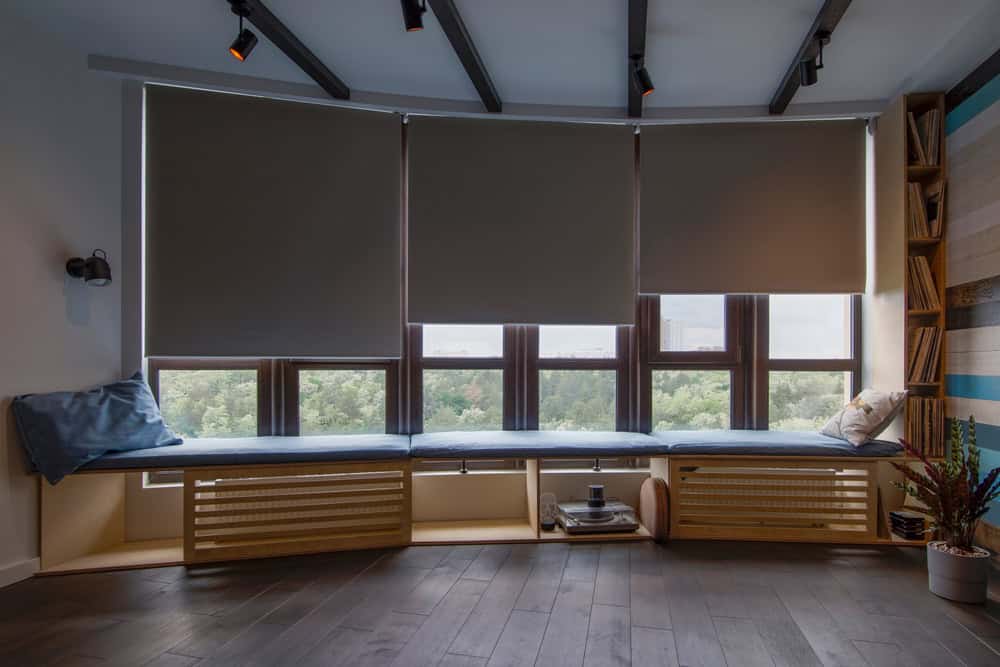
Blackout roller shades create a thermal barrier before heat enters your room. You’ll feel the difference within days—cooler rooms, less strain on your HVAC, and lower energy bills. Homeowners in similar climates see savings between $900 and $2,500 annually just by upgrading their window treatments.
Beyond energy savings, you get complete light control. Shift workers sleep better during the day. Parents put kids down for naps without fighting afternoon sun. Home theaters actually feel like theaters. The shades disappear into a compact headbox when raised, so your view stays clear when you want it.
A Plus Shutters & Shades is part of A Plus Home Remodel, a company with over 10 years of construction experience. That background matters because window treatments aren’t just about fabric and hardware—they’re about precise measurements, proper mounting, and understanding how homes are built.
We serve Heatherwilde and the surrounding Pflugerville area because we know what local homeowners deal with. The relentless summer heat. The need for energy efficiency without sacrificing style. The desire for solutions that last longer than a few seasons.
Every installation starts with a free consultation at your home. We measure your windows, show you samples, and walk through options that fit your budget and goals. No pressure, no upselling—just straightforward guidance from people who’ve done this thousands of times.
First, we schedule a free consultation at your home. You show us which windows need coverage, we take precise measurements, and we discuss what you’re trying to accomplish—blocking heat, improving sleep, reducing glare, or all of the above.
Next, we show you fabric samples and explain the differences. Blackout fabrics block 100% of light. Light-filtering options soften sunlight without complete darkness. We’ll also cover operating systems—cordless, motorized, or traditional chain pull—and help you decide what makes sense for your space and budget.
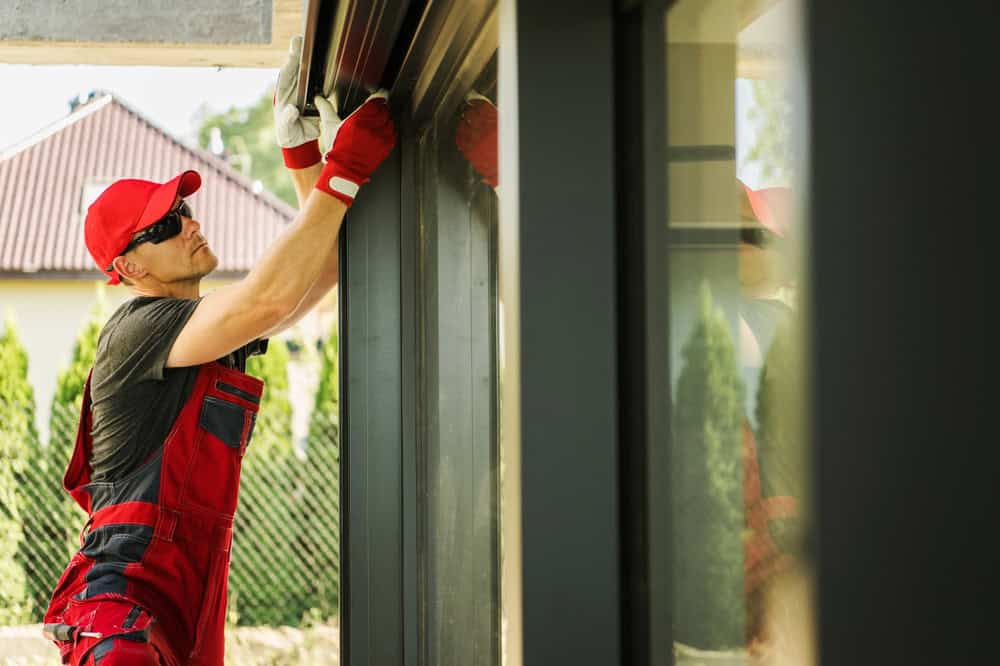
Once you approve the quote, we order your custom roller shades. Manufacturing typically takes two to three weeks. When they arrive, we schedule installation at a time that works for you. Our installers mount each shade with construction-grade precision, test the operation, and clean up completely before leaving.
You’re left with window treatments that fit perfectly, operate smoothly, and start saving you money immediately. We also provide care instructions and warranty information so you know exactly what’s covered.
Ready to get started?
Every roller shade we install is custom-made for your exact window dimensions. That means no gaps, no light leaks, and no awkward sizing issues. You choose from dozens of fabric colors and textures that complement your existing décor.
For Heatherwilde homeowners specifically, we recommend fabrics with high solar reflectance. Texas heat is no joke—summer temperatures regularly hit the high 90s and low 100s. The right fabric reflects heat before it penetrates your windows, keeping rooms noticeably cooler and reducing the load on your air conditioning.
Motorization is becoming standard, not a luxury. Motorized roller shades integrate with smart home systems, operate on schedules, and protect your fabrics even when you’re not home. You can program them to lower automatically during peak sun hours and raise when temperatures drop. The motors are quiet, reliable, and eliminate the need for cords—a safety feature that matters if you have young children or pets.
We also offer blackout roller shades for bedrooms, nurseries, and media rooms where complete darkness matters. These aren’t just dark fabrics—they’re engineered to block 100% of incoming light, including side gaps and sill leaks that cheaper options miss.

The savings depend on your current windows and how much direct sun they receive, but the numbers are significant. Energy-efficient window treatments can cut cooling costs by up to 30% or more during Texas summers.
For context, the average Heatherwilde household spends around $2,000 annually on electricity. If 40% of that goes toward cooling—which is typical in Texas—you’re looking at $800 just for AC. A 30% reduction saves you $240 per year on cooling alone. Over a decade, that’s $2,400 in savings, which often covers the cost of the shades themselves.
The key is thermal insulation. Blackout roller shades block heat before it enters your room, which means your AC doesn’t have to work as hard to maintain comfortable temperatures. Standard clear glass has a solar heat gain coefficient of about 0.70, meaning it lets 70% of the sun’s heat straight through. Quality roller shades with reflective backing can reduce that to 0.20 or lower.
Blackout roller shades block 100% of incoming light. When they’re closed, the room is completely dark—no sunlight, no streetlights, no glare. They’re the right choice for bedrooms where you need total darkness for sleep, nurseries where you’re trying to keep a consistent nap schedule, or home theaters where even a little light ruins the experience.
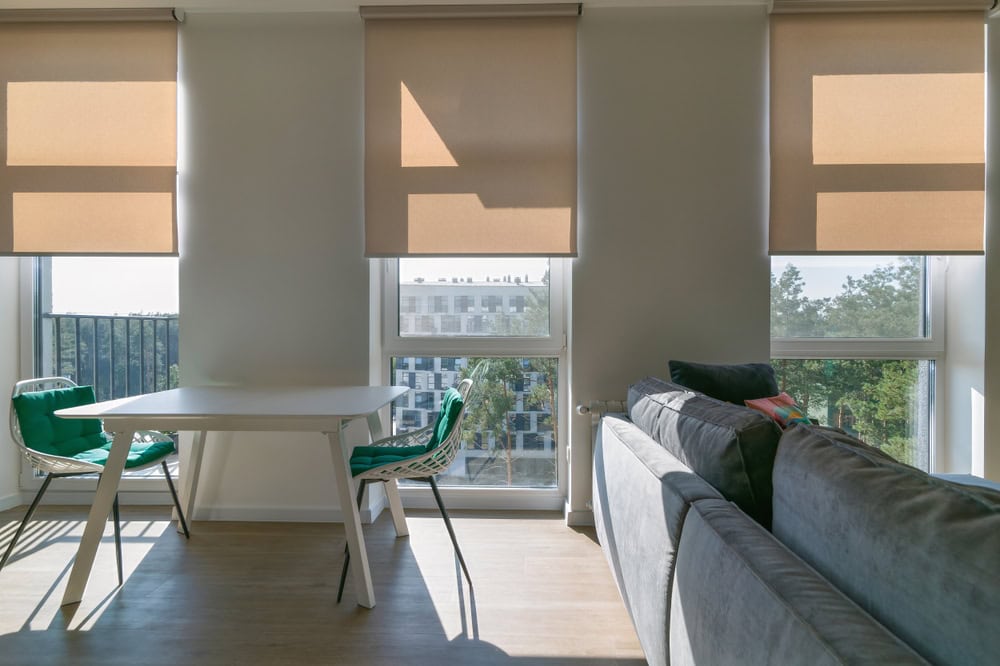
Light-filtering roller shades soften sunlight without eliminating it completely. They reduce glare and provide privacy during the day while still letting natural light into the room. You’ll still see shadows and silhouettes from outside, but the harsh brightness is gone. These work well in living rooms, kitchens, and offices where you want a balance between light control and visibility.
If you’re trying to reduce energy costs, both options help. Blackout fabrics provide slightly better insulation because of their density, but quality light-filtering shades with reflective backing still block a significant amount of heat. The choice usually comes down to how much light you want in the space and what activities happen there.
For most Heatherwilde homeowners, yes. Motorized roller shades aren’t just convenient—they’re practical for energy management and fabric protection.
Here’s why: Texas sun is intense and consistent. If you work during the day, your shades stay open and your rooms heat up while you’re gone. Motorized shades can be programmed to lower automatically during peak sun hours (usually 11 AM to 4 PM), blocking heat even when you’re not home. That alone can prevent your AC from running constantly and reduce your cooling costs.
They also integrate with smart home systems like Alexa, Google Home, and Apple HomeKit. You can control them from your phone, set schedules, or link them to temperature sensors so they adjust based on indoor conditions. If you have hard-to-reach windows—like tall ceilings or windows above furniture—motorization eliminates the hassle of using a pole or climbing on something.
The upfront cost is higher, but the motors are reliable and low-maintenance. Most systems last 10+ years without issues. When you factor in energy savings and the convenience of automation, the payback period is shorter than most people expect.
From consultation to installation, the full process typically takes three to four weeks. That breaks down into a few stages.
The initial consultation happens within a few days of your call. We come to your home, measure your windows, show you samples, and discuss options. That visit usually takes 45 minutes to an hour depending on how many windows you’re covering.
Once you approve the quote, we order your custom roller shades. Manufacturing takes about two to three weeks because each shade is built specifically for your window dimensions and fabric choices. Rush orders are sometimes available if you’re on a tight timeline, but custom work takes time to get right.
Installation itself is quick—usually two to four hours depending on the number of windows. We mount the shades, test the operation, make any adjustments, and clean up completely. You don’t need to do anything except be available to let us in. We handle the rest.
Yes, but the approach changes slightly depending on the size. Roller shades can cover openings up to 12 feet wide in a single panel, though anything over 8 feet usually benefits from a motorized lift system because the fabric gets heavy.
For sliding glass doors, we typically recommend motorized roller shades with a rechargeable battery or hardwired power source. Manual operation becomes impractical when you’re dealing with that much fabric weight. Motorization also makes daily use easier—you’re not wrestling with a large shade every time you want to open or close it.
Large windows in living rooms or master bedrooms are common in Heatherwilde homes, and they’re often the biggest source of heat gain. Covering them with blackout or solar roller shades makes a noticeable difference in room temperature and energy costs. The shades mount above the window frame and roll up into a compact headbox, so they don’t interfere with the door’s operation or block your view when raised.
We’ll assess your specific windows during the consultation and recommend the best configuration. Sometimes a single wide shade works. Other times, multiple smaller shades provide better coverage and easier operation.
Roller shades are low-maintenance by design. Most fabrics only need a quick wipe with a damp cloth every few months to remove dust. You’re not dealing with slats or cords that collect grime—just a smooth fabric surface.
For routine cleaning, use a microfiber cloth slightly dampened with water. Wipe from top to bottom in straight lines. Avoid harsh chemicals or abrasive scrubbers, which can damage the fabric coating. If you have motorized shades, don’t spray water directly on the headbox or motor housing—just wipe around it.
For deeper cleaning once or twice a year, you can vacuum the fabric using a brush attachment on low suction. This removes dust that settles into the texture. If you notice a stain, spot-clean it immediately with mild soap and water, then blot dry with a clean towel.
Blackout fabrics are especially durable because they’re designed to block light and heat, which means they’re thicker and more resistant to wear. The biggest maintenance issue we see is user error—people forcing the shade when it’s stuck instead of checking for obstructions. If your shade isn’t operating smoothly, stop and call us. Forcing it can damage the mechanism, but the fix is usually simple if you catch it early.