
Hear from Our Customers
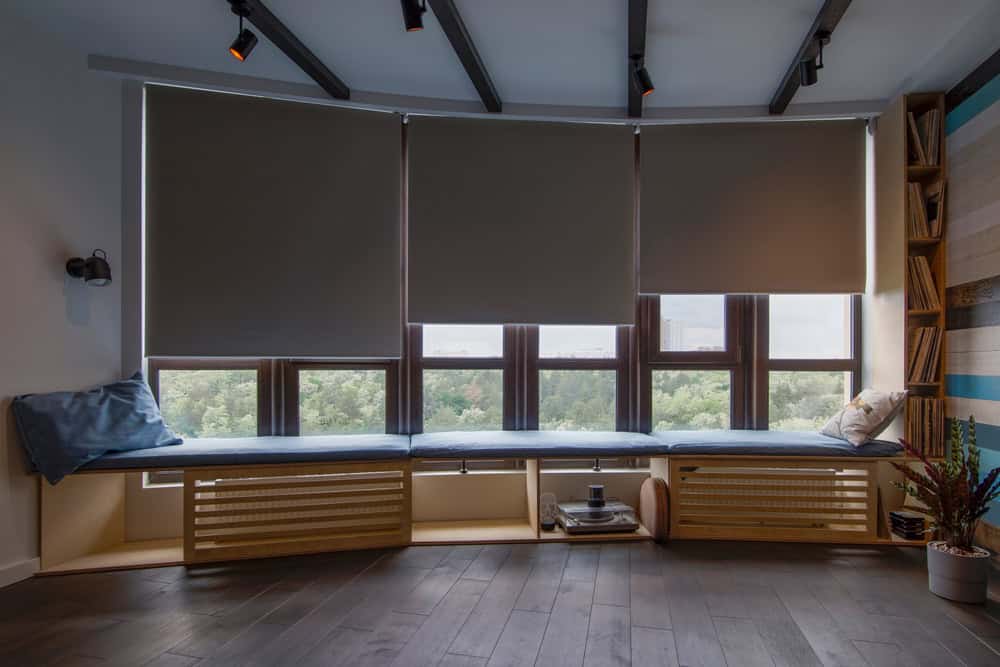
Your AC stops running nonstop trying to fight the afternoon sun pouring through your windows. That’s the first thing you notice with the right roller shades—your home stays cooler without cranking the thermostat down another two degrees.
You’re not squinting at your TV during the day or dealing with that brutal glare on your laptop. Light control means you decide how much comes in and when, whether that’s filtered daylight in the living room or complete darkness in the bedroom at 6 a.m. on a Saturday.
And if you’ve got kids, cordless roller blinds for windows mean one less safety worry. No dangling cords, no entanglement risk—just clean lines and peace of mind. Department of Energy studies show optimized window treatments can cut cooling costs by 15-25% in Texas summers, and that’s not marketing talk—that’s your electric bill dropping because your windows aren’t working against you anymore.
The right blackout roller shades also mean better sleep. True darkness triggers melatonin production, which means deeper rest and waking up actually refreshed instead of groggy because sunrise hit your face at 6:15.
We operate as a branch of A Plus Home Remodel, which means we’ve been doing this for over ten years with a foundation in actual construction—not just hanging fabric. We’re family-owned, veteran-operated, bonded, and insured.
Leander’s grown fast—87,000+ residents now, with new neighborhoods going up alongside established ones. That means a mix of modern builds and older homes, each with different window sizes, styles, and challenges. We’ve worked in both, and we know what fits where.
We’re not the cheapest option in town, and that’s intentional. You’re paying for Texas-made products, proper measurements, professional installation, and a team that’s been doing this long enough to know what fails and why. If you want roller shade blinds that actually last and work right, that’s what we’re here for.
It starts with a free consultation at your place. We measure your windows, talk through what you’re dealing with—heat, light, privacy, whatever—and show you samples so you can see and feel the actual materials. No pressure, no upselling to motorized roller shades if you don’t need them.
Once you pick what works, we custom-order everything to your exact window dimensions. Inside mount, outside mount, blackout, solar, cordless—it’s all built specifically for your home. This isn’t stock stuff adjusted to “close enough.”
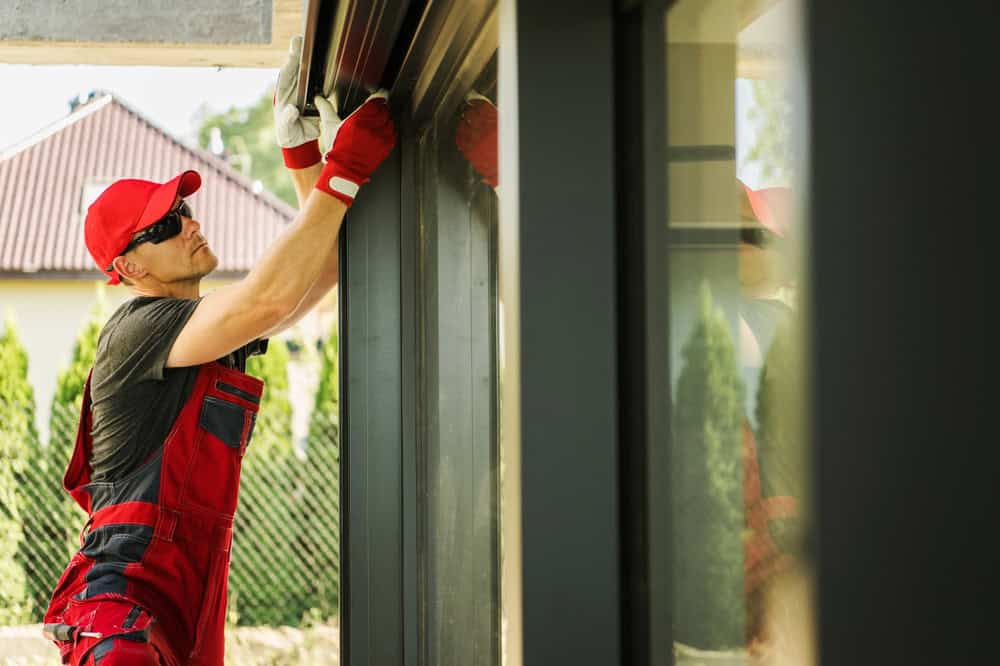
Installation day, our team shows up on time with everything ready. We mount the brackets, hang the shades, check the operation, and make sure there are no light gaps or alignment issues. If something’s off, we fix it before we leave—not after you call us back. The whole process usually takes a few hours depending on how many windows we’re covering, and you’re left with interior roller shades that actually do what they’re supposed to.
Ready to get started?
Blackout blinds for windows are the go-to if you need total darkness—bedrooms, nurseries, media rooms. These block 99% of light, which matters if you work nights, have young kids, or just can’t sleep with any brightness creeping in. They also provide serious insulation against heat.
Solar roller shades are the opposite approach—they block UV rays and heat while still letting you see outside. If you want to protect your furniture from fading and cut down on glare without losing your view, that’s what these do. They can reduce cooling needs by up to 30% in a Texas summer.
Motorized options make sense if you’ve got high windows, want smart home integration, or just prefer controlling everything from your phone. They’re convenient, but they’re also an investment—and if you don’t need them, we won’t push them.
Cordless designs are now standard for safety, especially after corded products were banned in 2024. No dangling cords means no strangulation risk for kids or pets, and the clean look is a bonus. Leander’s median household income is over $140,000, and most homeowners here are investing in quality window treatments that match the value of their homes—not builder-grade basics that fail in two years.

Inside mount means the roller shade sits inside your window frame, giving you a cleaner, more streamlined look. It works great if you’ve got decent window depth and want the shade to disappear into the frame. The tradeoff is you’ll have small light gaps on the sides—usually about half an inch—because the roller mechanism needs space to operate.
Outside mount covers the entire window frame and extends past it, which eliminates those light gaps almost completely. If blackout is your priority and you can’t have any light sneaking in, outside mount is the better call. It also works if your windows don’t have enough depth for an inside mount or if the frame isn’t perfectly square.
Neither option is “better”—it depends on what matters more to you. We measure both ways during the consultation and walk you through what makes sense for each window. Some people do inside mount in living areas for aesthetics and outside mount in bedrooms for total darkness.
Most roller shades run between $200 and $400+ per window, depending on size, material, and whether you’re adding motorization. A standard blackout roller shade for a bedroom window might land around $250, while a large motorized solar shade for a living room could push $500 or more.
The price reflects custom manufacturing to your exact measurements, quality materials that won’t fade or warp in Texas heat, and professional installation with a warranty. Big-box stores sell cheaper options, but they’re usually stock sizes that don’t fit right, lower-grade fabrics that break down faster, and you’re installing them yourself—which is where most problems start.
We give you an exact quote after measuring your windows and talking through what you need. No surprises, no hidden fees. If the number doesn’t work for your budget, we’ll tell you that upfront instead of wasting your time. You’re making a long-term investment in your home’s comfort and energy efficiency, and that’s worth doing right.
Yes, but it depends on the type of shade and how you use them. Solar roller shades can cut cooling costs by 15-30% during summer by blocking heat before it enters your home. The Department of Energy has field studies backing this up—it’s not just marketing.
Blackout window blinds add insulation, which helps in both summer and winter. They create a barrier between your glass and your living space, reducing heat transfer. If you close them during the hottest part of the day—usually 2 to 6 p.m. in Leander—you’re keeping that brutal afternoon sun from turning your house into an oven.
The savings show up over time. If your electric bill runs $300-400 a month in summer, a 20% reduction is $60-80 back in your pocket every month. Over a year, that’s real money. Exterior solar screens perform even better, but interior roller shades are easier to operate and control throughout the day, which means you’ll actually use them.
Motorized systems have more components, so yes, there’s more that can potentially fail—batteries, motors, sensors, Wi-Fi connectivity if you’re using smart home integration. That said, quality motorized roller shades from reputable manufacturers are built to last and come with solid warranties.
The most common issues are usually user error—dead batteries, Wi-Fi connection drops, or incorrect programming. Actual motor failures are rare if the shades are installed correctly and not overloaded. The key is professional installation and using the right motor for the shade size and weight.
Manual roller shades are simpler and have fewer failure points, but they can still have problems—spring tension issues, alignment problems, or the shade not staying down. If you’ve got high windows or a lot of shades to operate daily, motorized makes life easier and you’ll actually use them consistently. If it’s just a few windows and you don’t mind pulling a cord or lifting the shade, save the money and go manual.
Ask yourself what problem you’re trying to solve. If you need complete darkness—bedroom, nursery, home theater—blackout blinds for windows are the answer. They block 99% of light, help you sleep better, and provide the most privacy and insulation.
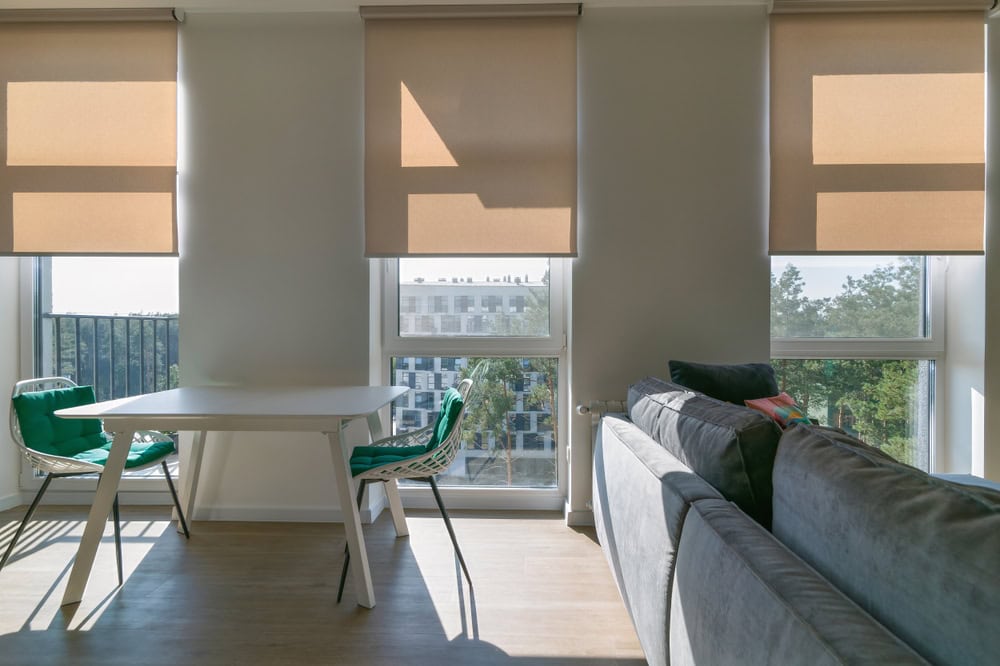
If you want to see outside, reduce glare, and block heat without losing your view, solar roller shades are the better choice. They filter light and UV rays while maintaining visibility, which works great for living rooms, kitchens, and offices. You still get natural light, just controlled and without the harsh glare or furniture-fading UV damage.
Some people do both—blackout in bedrooms, solar in common areas. During the consultation, we’ll look at each room’s orientation, how much sun it gets, and what you’re using the space for. South and west-facing windows in Leander get hammered by afternoon sun, so those usually need more aggressive heat blocking. North and east-facing windows can often get by with lighter filtering options.
If we install them, that doesn’t happen—because we measure twice, order custom, and check the fit before we leave. But if you’re asking because you’ve had bad experiences elsewhere or you’re thinking about DIY, here’s what goes wrong: incorrect measurements lead to gaps, uneven shades, or rollers that don’t fit in the brackets.
Light gaps are the most common complaint with inside-mounted roller shade blinds. If the installer didn’t account for the roller mechanism or made the shade too narrow, you get light streaming in on both sides. Outside mount solves this, but only if it’s measured to extend far enough past the frame.
Misaligned brackets cause the shade to hang crooked or not roll up evenly, which wears out the spring tension faster. If the shade is too wide for the space, it binds and won’t operate smoothly. If it’s too narrow, it looks bad and doesn’t block light.
We handle all of this upfront. If something’s off after we install, we come back and make it right—no argument, no extra charge. That’s part of why you’re hiring professionals instead of doing it yourself or going with the cheapest option you can find.