
Hear from Our Customers
Your rooms stay cooler without cranking the AC to 68. That’s the difference quality roller shades make when they’re actually built to handle Texas sun.
You’re not guessing anymore about which windows are driving up your bill. Blackout roller shades block heat before it turns your living room into a greenhouse. Your furniture stops fading. Your floors keep their color. And you’re not replacing blinds every few years because they warped in the heat.
If you work nights or your kids nap during the day, blackout window treatments give you actual darkness—not that filtered light that cheap blinds let through. You control when light comes in. You decide how much privacy you need. And if you go motorized, you adjust everything from your phone before you even get home.
A Plus Shutters & Shades started as part of A Plus Home Remodel—a construction company that’s been working on homes across the Austin area for over ten years. We’re not just window treatment specialists. We understand how homes are built, how Texas weather affects them, and what actually lasts.
North Lamar has a mix of older homes with character and newer builds with floor-to-ceiling windows. Both need different approaches. We measure every window ourselves during your free consultation, show you fabric samples in your actual lighting, and explain what’s going to perform best based on which direction your windows face.
You’re working with people who live here, understand the market, and won’t disappear after installation. We’re local. We’re licensed. And we’ve seen what works in this climate.
You schedule a free consultation. We come to your home in North Lamar, measure your windows, and talk through what you actually need—not what we want to sell you. If you’ve got west-facing windows baking your living room every afternoon, we’ll recommend fabrics with higher UV protection and better insulation values.
We show you samples. You see how different fabrics look in your space with your lighting. We explain the difference between light filtering and blackout, cordless and motorized, and what makes sense for your budget and your daily routine.
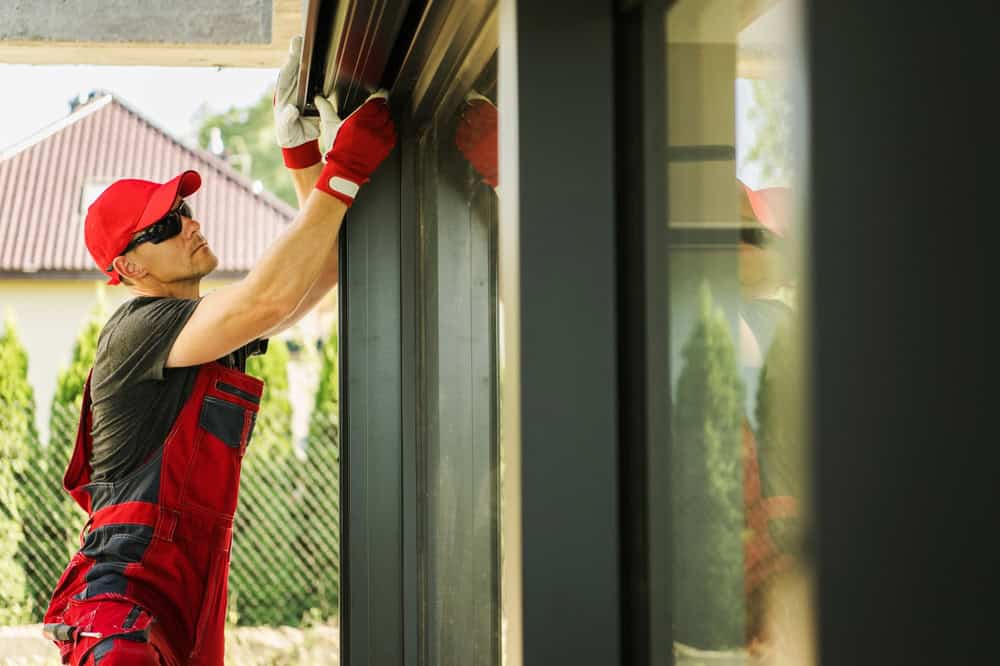
Once you decide, we order custom roller shades built to your exact measurements. Most orders arrive within two to three weeks. We schedule installation at a time that works for you—usually takes a few hours depending on how many windows. We handle everything: mounting, leveling, testing operation, and cleaning up. You’re left with shades that fit perfectly and work smoothly.
If you choose motorized roller shades, we program them and show you how to control them from your phone or sync them with your smart home system.
Ready to get started?
Every roller shade we install is custom-made for your specific window dimensions. You’re not buying stock sizes that leave gaps on the sides where light and heat pour through. You’re getting a precise fit with fabric options that range from sheer light-filtering to complete blackout.
In North Lamar, most homeowners choose fabrics with solar control—materials that reflect heat before it enters your home. That’s not marketing talk. Quality solar fabrics can reduce heat gain by up to 33%, which directly impacts how hard your AC works during June through September. You’ll notice the difference on your energy bill.
You also get cordless operation as standard on most roller shade blinds. No dangling cords that tangle or pose safety risks if you have kids or pets. Just a smooth pull or motorized control. And if you’re dealing with hard-to-reach windows or you want the convenience of adjusting shades without getting off the couch, motorized options integrate with Alexa, Google Home, or dedicated remotes.
UV protection is built into the better fabrics. We’re talking about blocking up to 99% of harmful rays that fade your furniture, artwork, and hardwood floors. In Texas, that protection pays for itself when you’re not replacing ruined interiors every few years.

Quality blackout roller shades can cut window-related heat gain by 30-40% during Texas summers. That translates to real savings because your AC isn’t fighting against windows that act like heat magnets all afternoon.
Here’s what matters: the fabric quality and how well the shade fits. Cheap roller blinds for windows leave gaps where hot air seeps in. Custom-fitted blackout shades with thermal backing create an insulating barrier. Some of our North Lamar clients report 15-20% drops in cooling costs after installing blackout treatments on their south and west-facing windows.
Motorized options with smart controls save even more. You program them to lower automatically when the sun hits certain windows, blocking heat before it builds up inside. You’re not relying on remembering to close them manually. The system handles it, and your home stays cooler without extra AC runtime.
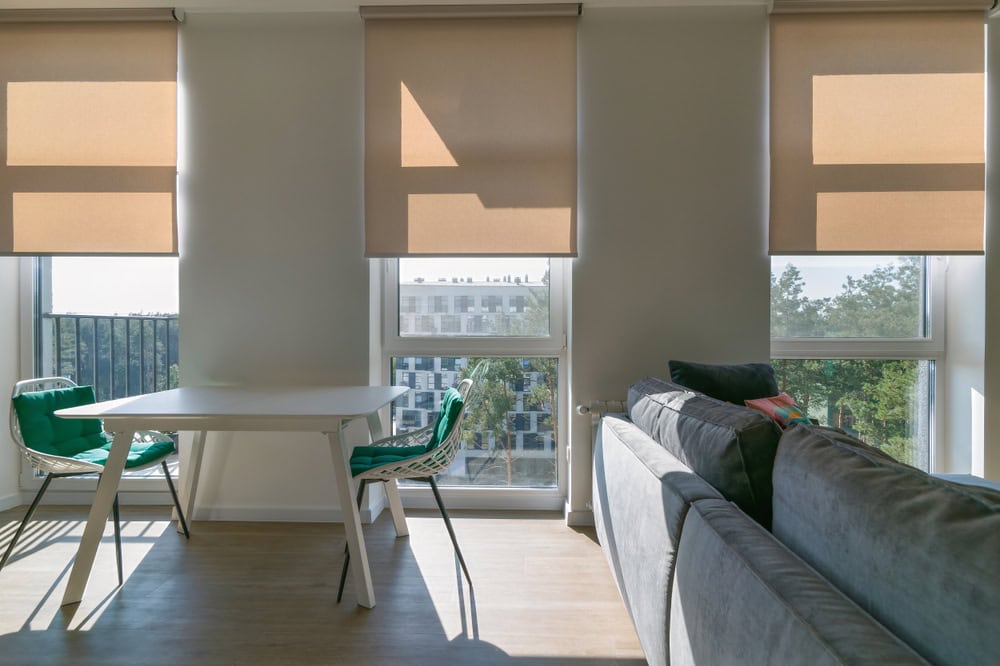
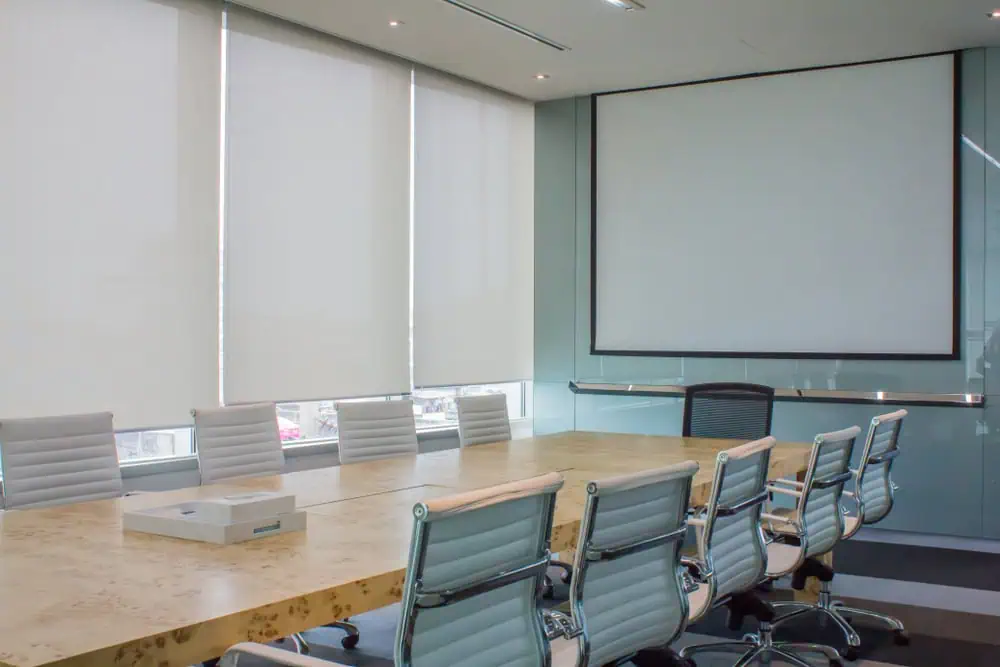
Light filtering fabrics let soft, diffused light through while still giving you privacy and UV protection. You can see outside during the day, but people can’t see in clearly. These work well in living rooms, kitchens, and spaces where you want natural light without the glare and heat.
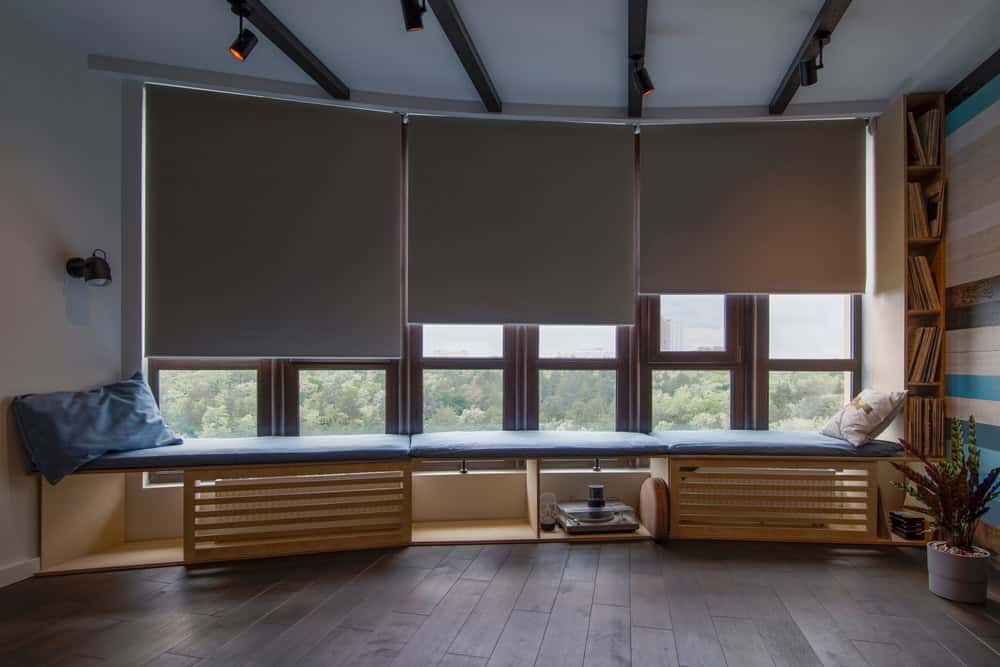
Blackout roller shades block light completely—we’re talking total darkness. You can’t see your hand in front of your face when they’re down. These are what you want in bedrooms, nurseries, or media rooms where light control matters. If you work night shifts or your kids need to nap during the day, blackout is the only option that actually works.
The fabric construction is different too. Blackout materials have multiple layers or a backing that prevents light penetration. They’re thicker, provide better insulation, and block more heat. Light filtering shades are typically single-layer fabrics that reduce glare and UV rays but don’t create complete darkness. Most North Lamar homeowners mix both types—blackout in bedrooms, light filtering in common areas.
Quality custom roller shades should last 10-15 years in Texas, even with intense sun exposure—if you choose the right fabrics and get proper installation. Cheap big-box blinds start warping and fading within two to three years because they’re not built for this climate.
The key is fabric quality and UV resistance. We use materials specifically rated for high-heat environments that won’t break down under constant sun exposure. The operating mechanisms matter too. Cheap plastic components fail quickly. Metal hardware and quality lifting systems keep working smoothly year after year.
Installation makes a huge difference in longevity. If shades aren’t mounted level or the brackets aren’t secured properly, you get uneven wear and mechanical failure. We’ve replaced plenty of DIY installs and big-box jobs where the shade worked fine initially but failed within a year because the mounting was wrong. When we install interior roller shades, we’re using construction-grade techniques—finding studs, using proper anchors, ensuring everything is level and secure.
Motorized roller shades make sense if you have hard-to-reach windows, want smart home integration, or you’re serious about maximizing energy savings through automated scheduling. They cost more upfront—usually $200-400 extra per shade depending on the system—but they’re not just a convenience feature.
The energy savings come from programming. You set schedules so shades automatically lower when the sun hits specific windows, blocking heat during peak hours. You’re not relying on remembering to close them manually or leaving them open because you’re at work. The automation handles it, and your home stays cooler without you thinking about it.
Convenience matters too if you have tall windows, vaulted ceilings, or multiple shades you’d otherwise adjust manually every day. Control everything from your phone or voice commands through Alexa or Google Home. Some of our North Lamar clients with large windows facing west use motorized blackout roller shades to block late afternoon sun automatically—it’s the difference between a comfortable living room and one that’s unusable until sunset.
Yes, but only if you choose fabrics with actual UV protection—not all roller shade blinds block harmful rays equally. Quality fabrics can block up to 99% of UV radiation, which is what causes fading on furniture, flooring, and artwork.
Texas sun is brutal. If you’ve noticed your couch cushions fading unevenly or hardwood floors losing color near windows, that’s UV damage. It’s cumulative and expensive to fix. Replacing faded furniture or refinishing floors costs thousands. Investing in UV-protective roller shades costs a fraction of that and prevents the damage from happening.
The fabric weave and coating determine UV protection levels. Tighter weaves and specialized coatings block more rays. Blackout fabrics offer the highest protection because they’re designed to block everything—light, heat, and UV. Light filtering options still provide good UV protection while letting diffused light through. We test fabric samples in your home during consultation so you see exactly how much light and protection each option provides in your specific windows.
Roller shades are low maintenance—that’s one reason they’re popular in Texas homes. Most fabrics just need a light dusting every few weeks and occasional spot cleaning with a damp cloth. You’re not dealing with the dust-trapping slats that horizontal blinds have.
For regular cleaning, use a microfiber cloth or vacuum with a brush attachment on low suction. Wipe or vacuum from top to bottom while the shade is fully extended. For spot cleaning, use a damp cloth with mild soap and water—no harsh chemicals that can damage fabric coatings or fade colors. Blot stains gently rather than rubbing, which can spread the stain or damage the weave.
Blackout roller shades with vinyl or PVC backing can handle slightly more aggressive cleaning than delicate fabrics, but you still want to avoid soaking them. If you have motorized shades, keep the mechanisms dust-free and check batteries annually if they’re battery-powered. Most systems last years without issues, but keeping them clean prevents mechanical problems. The biggest maintenance tip: don’t force them if they stick. That usually means something needs adjustment, and forcing it causes damage. Call us if operation isn’t smooth—most issues are quick fixes if caught early.