
Hear from Our Customers
You’re dealing with street lights bleeding into your bedroom at 2 AM. Your AC bill climbs every summer because those windows turn your place into a greenhouse. You want privacy without sacrificing natural light during the day.
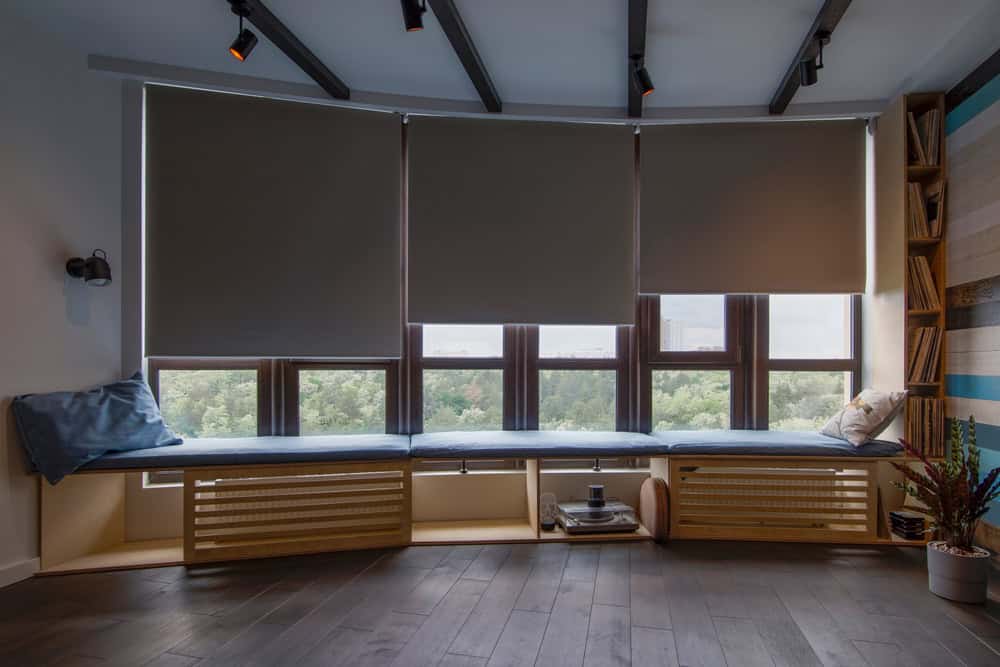
Blackout roller shades solve that. Real blackout—not the kind that still glows around the edges. When they’re down, your room goes dark enough for actual sleep. When they’re up, you get the light you want without the glare or heat.
The energy piece is real too. Quality roller blinds for windows create an insulating barrier that keeps cool air in during Austin’s brutal summers and warmth in when it dips. You’ll notice the difference in your utility bills within the first month. Your HVAC system won’t have to work as hard, and you won’t have to choose between comfort and cost.
These aren’t temporary fixes. Custom-fit interior roller shades mean no gaps, no light leaks, no constant adjusting. Motorized options let you control everything from your phone. Blackout window blinds that fit your space exactly, work smoothly every time, and look like they belong there.
A Plus Shutters & Shades grew out of A Plus Home Remodel, which means we’ve spent over 10 years working on North Loop homes. We know the housing stock here—the old bungalows with non-standard window sizes, the newer builds with floor-to-ceiling glass, the condos where every eighth of an inch matters.
We’re based in Arlington but we work throughout the DFW area, including North Loop, because we understand what Texas heat does to homes. We’ve seen what happens when roller shade blinds are installed wrong—the gaps, the sagging, the mechanisms that fail after six months. That’s why we measure twice, custom-fit everything, and use materials that hold up.
You’re not getting a sales pitch from someone reading off a script. You’re talking to installers who’ve done this enough times to know what works in your specific situation and what doesn’t.
We start with a free consultation at your place. You show us the windows, we talk about what’s not working right now—too much light, too much heat, privacy issues, whatever it is. We bring samples so you can see fabrics, colors, and opacity levels in your actual space with your actual lighting.
Then we measure. Not just width and height, but depth, clearance, mounting surface. We’re checking for obstructions, testing mounting points, making sure the roller blind window treatment will operate smoothly. Even an eighth of an inch off creates light gaps, so we don’t rush this part.
Once you approve the quote, we order your custom blackout blinds for windows. Everything’s made to your exact specifications—fabric, mounting style, manual or motorized operation. When they arrive, we schedule installation at a time that works for you.
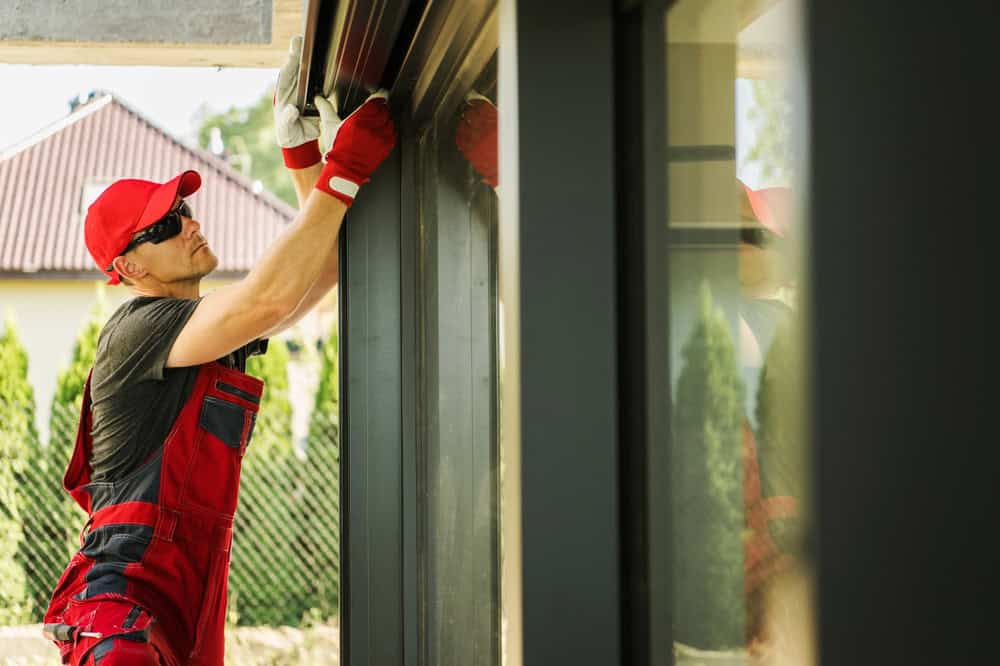
Installation typically takes a few hours depending on how many windows. We mount everything securely, test the operation, adjust tension if needed, and clean up completely. You get a walkthrough on how to operate and maintain them. If something ever needs adjustment, we come back.
Ready to get started?
You’re choosing from dozens of fabric options—light filtering, room darkening, or complete blackout. Colors range from neutral linens to bold patterns, depending on whether you want these to blend in or stand out. Textures include smooth, woven, and natural materials if you’re going for that eco-friendly look North Loop residents tend to prefer.
Mounting options matter more than most people realize. Inside mount sits within the window frame for a clean look. Outside mount covers the entire frame and blocks more light. We’ll recommend what makes sense for your windows and your goals.
Operation is either manual or motorized. Manual uses a continuous loop chain or spring mechanism—simple, reliable, no batteries. Motorized lets you control everything from a remote, your phone, or voice commands if you’ve got smart home setup. For hard-to-reach windows or if you’re managing multiple dark out blinds at once, motorization makes sense.
North Loop’s urban environment means light pollution is constant. Street lights, car headlights, neighboring buildings—it all adds up. That’s why we focus on proper installation that eliminates gaps. The difference between “pretty dark” and “actually dark” comes down to how the roller shade blinds are mounted and fitted. We’ve done enough installations in this neighborhood to know exactly what it takes to block that ambient city light completely.

Room darkening blocks most light—usually 95-98%—which dims the room significantly but doesn’t eliminate all light. You’ll still see some glow around the edges and a bit of light coming through the fabric itself. It’s enough for most living spaces where you want reduced glare and privacy but don’t need complete darkness.
Blackout roller shades block 99% or more of light when properly installed. The fabric itself is either lined or thick enough that virtually no light penetrates. Combined with proper mounting that eliminates edge gaps, you get a room dark enough to sleep in at noon. This matters for bedrooms, nurseries, home theaters, or anywhere you need total light control.
The catch is that “blackout” on a label doesn’t guarantee results. If the shade is mounted with even a quarter-inch gap on the sides, light will leak through. If it’s too short or doesn’t have proper side channels, you’ll get light at the top and bottom. True blackout requires both the right fabric and precise installation. That’s where most big-box options fail—they give you blackout fabric but generic measurements that leave gaps.
Motorized systems typically add $150-$400 per shade depending on the size and motor type. Rechargeable battery motors are less expensive than hardwired options, but hardwired means you never have to recharge. For a typical North Loop home with 8-10 windows, you’re looking at roughly $1,200-$3,000 more for full motorization.
That sounds like a lot until you consider what you’re getting. You can control all your blackout blinds from one remote or app instead of walking around adjusting each one manually. You can set schedules so shades automatically lower when the afternoon sun hits or raise in the morning. If you’ve got high windows or windows behind furniture, motorization isn’t just convenient—it’s the only practical option.
The other factor is longevity. Quality motorized systems last 10-15 years with minimal maintenance. Cheap manual mechanisms can fail within 2-3 years, especially if you’re raising and lowering them daily. When you factor in replacement costs and hassle, the gap narrows. We’re not pushing motorization on everyone, but for the right situation, it’s worth the investment.
Yes, but the savings depend on your windows and how you use the shades. South and west-facing windows generate the most heat gain in Austin. If you’ve got large windows facing those directions without any treatment, your AC is fighting a losing battle every afternoon.
Roller shades with solar or blackout fabrics create an insulating barrier. They reflect heat before it enters the room and trap air between the shade and window. Studies show quality window treatments can reduce heat gain by 30-40% on sunny windows. For a typical North Loop home running AC six months a year, that translates to roughly $15-$40 per month in savings depending on window size and exposure.
The key is actually using them. Lower your shades during peak heat hours—usually 2-7 PM in summer. Raise them when temperatures drop or when you want natural light. Motorized options with smart sensors can do this automatically, maximizing efficiency without you thinking about it. The investment in quality roller blinds for windows typically pays for itself in energy savings within 3-5 years, then continues saving you money for the next decade or more.
Inside mount installs within the window frame, so the shade sits recessed. This looks cleaner and more architectural, especially if you’ve got nice trim you want to show off. It works best when you have at least 2-3 inches of depth inside the frame and the frame itself is square and level. Most North Loop bungalows and older homes have deep enough frames for inside mount.
Outside mount installs on the wall or trim above and around the window. The shade covers the entire frame plus an inch or two on each side. This blocks more light because there’s less chance of edge gaps. It’s also your only option if the window frame is too shallow, unlevel, or obstructed by cranks and handles. For maximum blackout, outside mount with side channels is the gold standard.
During our consultation, we’ll measure your frames and check for obstructions. Sometimes one window needs inside mount while another needs outside mount—it’s not one-size-fits-all. We’ll show you mockups of both options so you can see how they’ll look. The goal is getting you the light control and aesthetic you want, not forcing a particular mounting style because it’s easier for us.
Most issues are minor and fixable. If a manual shade won’t stay down or rolls up too fast, it’s usually a tension adjustment. If it’s crooked, the mounting brackets may need realignment. If the fabric is bunching or rolling unevenly, the shade might need to be removed and reinstalled with proper alignment. These are quick fixes we can handle during a service call.
Motorized shades have a few additional potential issues. Dead batteries are the most common—rechargeable motors need charging every 6-12 months depending on use. If the motor isn’t responding to the remote, it might need reprogramming. If it’s making noise or struggling to lift, the motor itself may need replacement, which is typically covered under warranty for the first few years.
We stand behind our installations. If something goes wrong because of how we installed it, we’ll come back and make it right at no charge. If it’s a product defect, we’ll work with the manufacturer on warranty coverage. If it’s normal wear after several years, we’ll give you a straight answer on whether it’s worth repairing or replacing. You’re not going to get ghosted or bounced around to different departments—you call us, we handle it.
Not with true blackout fabric—that’s a trade-off. Blackout means no light passes through in either direction. When they’re down, you can’t see out and no one can see in. That’s the point for bedrooms and spaces where you need complete darkness and privacy.
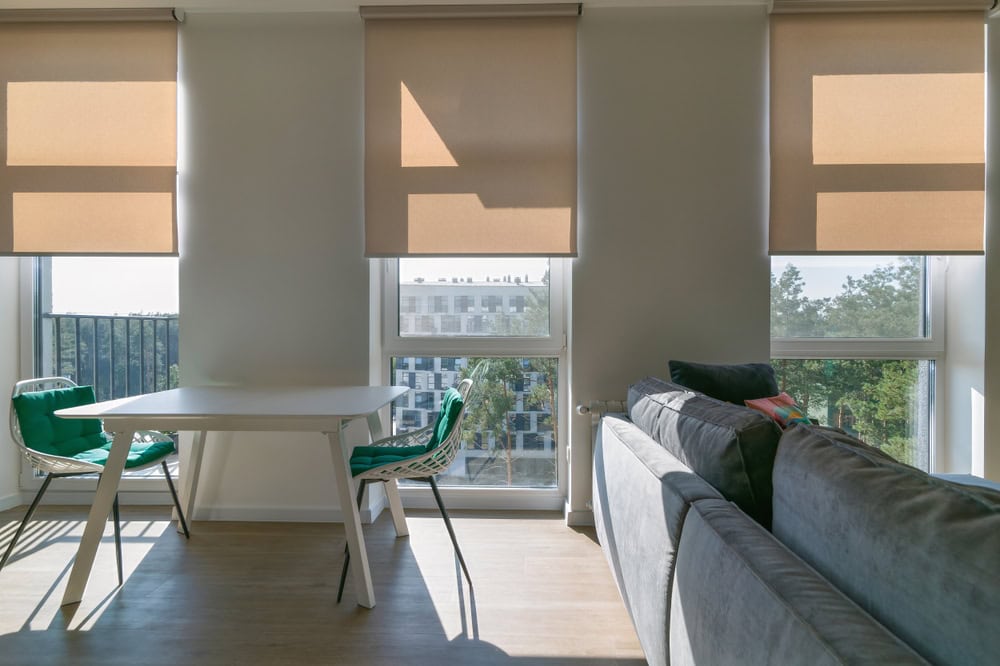
What you’re describing sounds more like solar shades or light-filtering roller shades. Solar fabrics block UV rays and reduce glare while maintaining outward visibility. You can see outside clearly, but people outside see mostly a dark screen during the day. At night with lights on inside, visibility reverses—people can see in more than you can see out. These work great for living rooms and offices where you want glare control and daytime privacy without losing your view.
The solution a lot of North Loop residents use is layering. Install solar or light-filtering shades for daytime use, then add blackout shades or drapes for nighttime. Or go with dual roller shades—two fabrics on one mounting system so you can switch between filtered light and blackout depending on time of day. It costs more upfront but gives you complete flexibility. We’ll walk through options during your consultation based on how you actually use each room.