
Hear from Our Customers
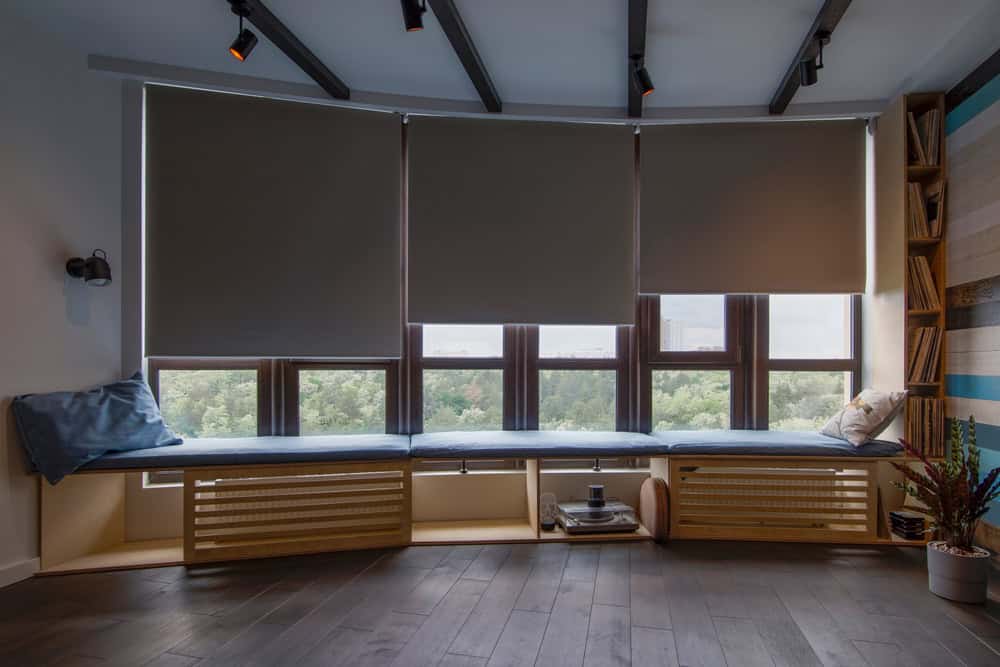
Your air conditioner stops running constantly. That’s the first thing most North Park homeowners notice after installing blackout roller shades that actually insulate against Texas heat.
You get real privacy without living in a cave. Light-filtering roller blinds for windows let you see out during the day while keeping neighbors from seeing in. When you want total darkness for sleep or a home theater, blackout window blinds drop the room to pitch black.
Your kids are safer. Cordless roller shades eliminate the strangulation risk that comes with traditional window blind cords. Motorized options take it further—no cords, no chains, just a button or voice command.
Your furniture stops fading. UV protection built into quality roller shade blinds keeps your couch, floors, and artwork from bleaching out in the Texas sun. And your energy bills drop because your HVAC isn’t fighting against single-pane windows that turn your home into a greenhouse every afternoon.
We started as a branch of A Plus Home Remodel, so we come from a construction background. That means we understand how North Park homes are built, how Texas weather affects your windows, and how to install roller blinds that actually fit right the first time.
We’re local. We source Texas-made products when we can. And we’ve spent ten years learning what works in homes like yours—whether you’re dealing with oversized windows in a newer build or oddly shaped openings in an older North Park property.
You won’t get a high-pressure sales pitch. We measure, show you samples, explain your options for blackout blinds or light-filtering fabrics, and let you decide what makes sense for your home and budget.
You schedule a free consultation at your North Park home. We come out, look at your windows, and talk about what you’re trying to solve—heat, light control, privacy, child safety, or all of the above.
We measure every window. Roller blinds for windows only work if they fit precisely, so we take exact measurements and note any quirks in your window frames or walls.
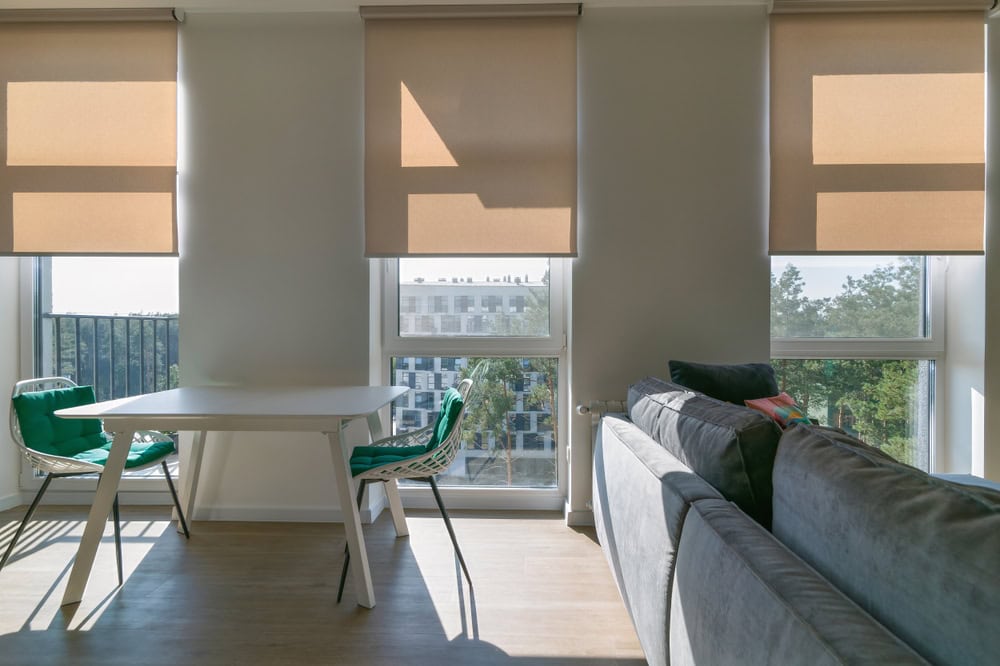
You pick your fabrics and operating system. We bring samples so you can see how blackout roller shades look against your walls and furniture. You’ll choose between cordless manual operation or motorized controls. If you want smart home integration, we walk through those options too.
We order your custom interior roller shades. Everything is made to your exact specifications—width, length, fabric, color, and mounting style.
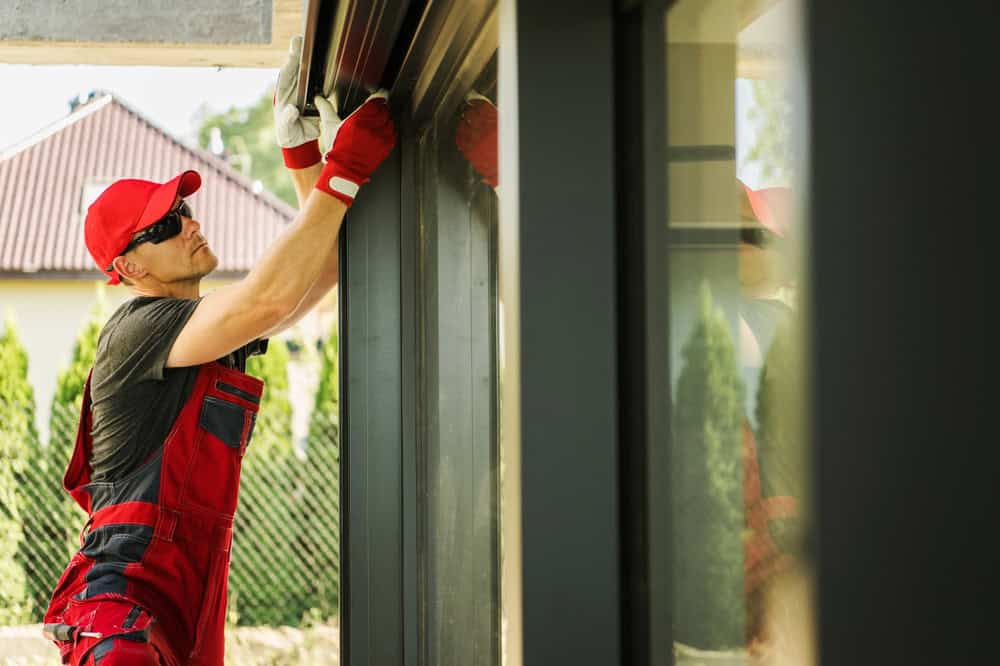
We install them. Our team shows up on schedule, installs your roller shade blinds, tests the operation, and cleans up. You’re left with window treatments that actually do what they’re supposed to do.
Ready to get started?
Fabric matters more than most people realize. Blackout fabrics block 100% of light—critical for bedrooms, nurseries, or if you work night shifts and sleep during the day. Light-filtering fabrics let natural light in while still giving you privacy and UV protection. Solar screens are designed specifically to reject heat while maintaining your view.
Operating systems change how you use your roller blinds for windows every day. Cordless manual shades use a spring mechanism—you pull down to close, pull down again to release and roll up. Motorized blackout roller shades use a quiet motor controlled by remote, wall switch, or smartphone app. Battery-powered motors mean no electrical work. Hardwired motors integrate with your home automation system.
Mounting style affects both function and appearance. Inside mount roller shade blinds sit within your window frame for a clean, built-in look. Outside mount shades cover the entire window and frame, maximizing light blockage and insulation—especially important in North Park where summer heat tries to sneak in through every gap.
North Park homes built in the last 20 years often have large windows and open floor plans. That means you’re dealing with bigger expanses of glass and more heat gain. Roller shades handle wide windows better than most treatments because the mechanism is simple and the fabric stays taut across the span.

True blackout roller shades block 100% of light when properly installed, but installation method matters. If you mount them inside your window frame, light will leak around the edges where the fabric doesn’t touch the wall. For complete darkness, you need outside mount blackout blinds that overlap your window frame by at least two inches on all sides.
The fabric itself is backed with a layer that prevents any light penetration. Hold a blackout sample up to a window and you’ll see zero light coming through the material. But that edge gap is where most people get frustrated—they buy blackout shades expecting total darkness and still see light bleeding in around the sides.
If you’re trying to create a pitch-black room for sleep or a home theater, tell us that upfront. We’ll recommend outside mounting with light-blocking side channels that eliminate edge gaps entirely. It’s a small detail that makes a massive difference in performance.
Motorized roller shades cost more upfront but pay off if you have hard-to-reach windows, want smart home control, or have young kids. The child safety factor alone makes them worth considering—no cords means zero strangulation risk, which is why new safety standards are pushing the industry toward cordless and motorized options.
In North Park, where summer heat is relentless, motorized blackout roller shades can be programmed to lower automatically when the sun hits certain windows. That keeps your home cooler without you having to think about it. Over time, the energy savings add up.
Battery-powered motors are the most affordable motorized option. Batteries last 1-3 years depending on how often you raise and lower the shades. Hardwired motors cost more to install because they require electrical work, but you never change batteries. If you’re building or remodeling, hardwired makes sense. If you’re upgrading existing windows, battery-powered is usually the smarter choice.
Roller shades act as an insulation layer between your window glass and your room. In summer, blackout roller shades block heat before it enters your home. In winter, they trap warm air against the window and prevent it from escaping. The result is less work for your HVAC system and lower energy bills year-round.
Single-pane windows are the worst offenders for heat gain. If your North Park home has older windows, roller blinds with solar or blackout fabrics can reduce heat transfer by 30-40%. Even with newer double-pane windows, you’ll see a measurable difference when you keep shades lowered during peak sun hours.
The key is closing your blackout blinds for windows before the sun hits them. If you wait until the room is already hot, you’re too late—the heat is already inside. Motorized shades with timers or sun sensors solve this problem by automatically lowering when UV levels spike. That’s where the real energy savings happen, because you’re preventing heat gain instead of reacting to it.
Yes, but the approach changes depending on window size and shape. Standard roller shade blinds work well up to about 96 inches wide. Beyond that, the fabric can sag or the roller tube needs reinforcement to handle the weight. For oversized windows common in newer North Park homes, we often recommend splitting the window into multiple shades or using a continuous loop system.
Arched windows, angled windows, and other non-standard shapes require custom solutions. Sometimes that means mounting roller blinds for windows at the rectangular portion and using a different treatment for the shaped section. Other times we can fabricate a curved track, though that gets expensive quickly.
If you have floor-to-ceiling windows or a wall of glass, interior roller shades are one of the few treatments that can cover the span without looking bulky. We measure, calculate weight load, and recommend the right tube diameter and fabric weight to ensure your shades operate smoothly for years. Bring us your weird windows—we’ve seen it all in ten years of North Park installations.
The terms are used interchangeably, but technically roller shades refer to a single piece of fabric that rolls up around a tube, while blinds have slats or vanes. In practice, most people call them both roller blinds or roller shades and mean the same thing—a window covering with fabric that rolls up and down.
What matters more than terminology is understanding fabric options. Blackout roller shades use thick, light-blocking fabric. Light-filtering roller shades use a semi-transparent weave that softens sunlight. Solar shades use an open weave designed to block heat and UV rays while maintaining your view outside.
When you’re shopping around or comparing quotes, make sure you’re comparing the same fabric type and operating system. A basic light-filtering roller shade costs significantly less than a motorized blackout roller shade with side channels. The cheapest quote isn’t always the best value if you end up with a product that doesn’t solve your actual problem.
Quality roller shades last 10-15 years in Texas, but cheaper products start failing in 3-5 years. The fabric breaks down from constant UV exposure, the spring mechanism weakens, or the mounting brackets warp from heat. That’s why we focus on commercial-grade components even for residential installations.
Texas heat is brutal on window treatments. Your roller blinds for windows are absorbing and blocking sun that would otherwise heat your home, which means they take a beating. Blackout fabrics hold up better than light-filtering because they’re denser and more UV-resistant. Motorized mechanisms tend to outlast spring-operated because there’s less stress on the fabric during operation.
We install roller shade blinds with the expectation that they’ll be working a decade from now. That means using reinforced mounting brackets, quality roller tubes, and fabrics rated for high UV exposure. You’ll pay more upfront than you would at a big-box store, but you won’t be replacing them in five years when the fabric starts shredding or the mechanism stops working. In North Park’s climate, durability isn’t optional—it’s the difference between a good investment and throwing money away.