
Hear from Our Customers
You’re not looking for window dressing. You need something that blocks the afternoon sun beating through your west-facing windows, keeps your AC from running nonstop, and doesn’t look cheap.
Roller shades do that when they’re measured right and installed correctly. The fabric sits flat against the window frame. No gaps where light and heat sneak through. No sagging after a few months because someone used the wrong mounting hardware.
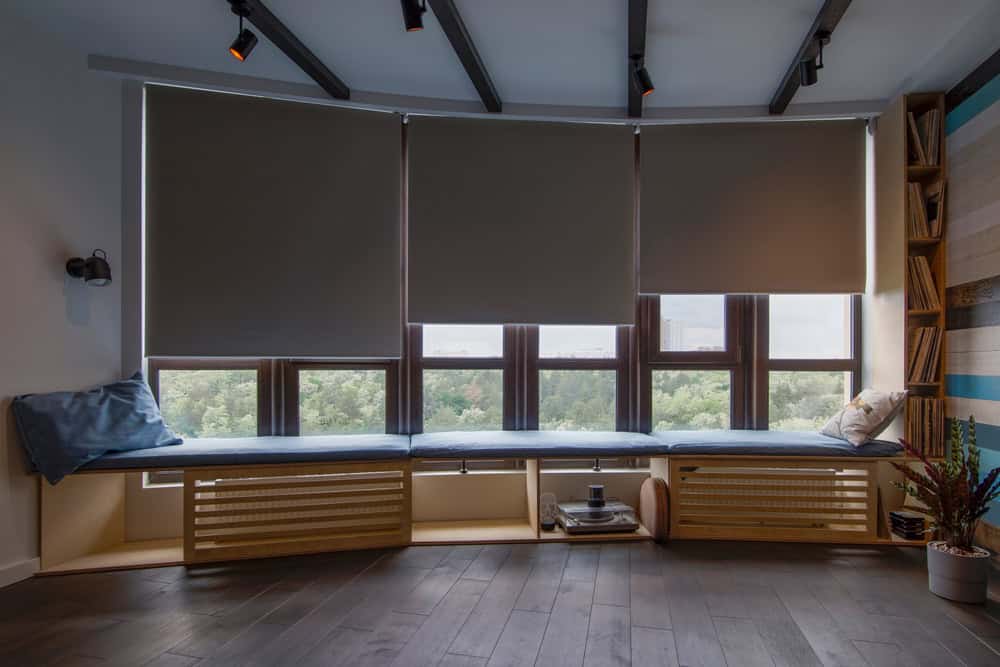
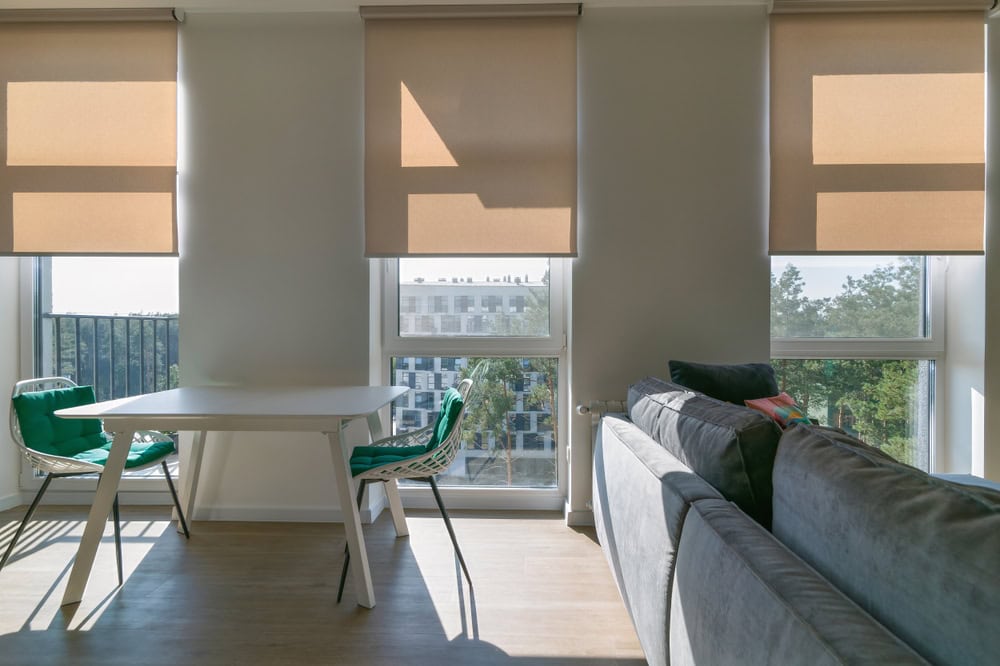
You pick the opacity level that makes sense for each room. Blackout roller shades in bedrooms where you need complete darkness. Light-filtering options in living areas where you want privacy without turning on lights at 2 p.m. The difference shows up in how your home feels and what your energy bill looks like during July and August.
A Plus Shutters & Shades works throughout Oatmeal and the surrounding Burnet County area. We’re connected to A Plus Home Remodel, which has been handling construction projects across Central Texas for over a decade.
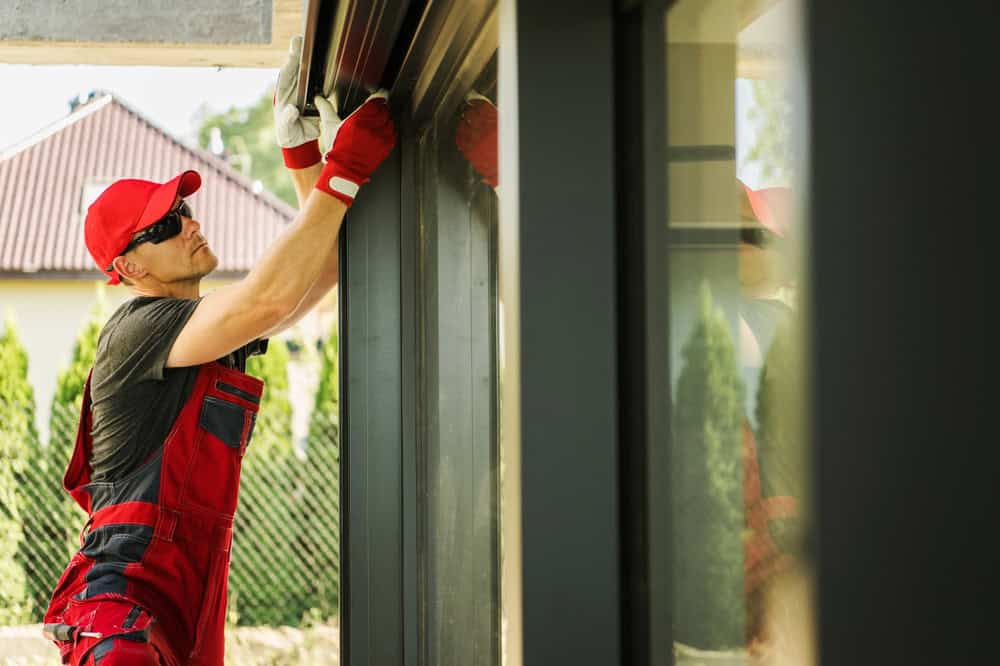
We measure every window ourselves. We don’t outsource installation to whoever’s available that week. Our installers know how Texas homes are built, what mounting surfaces you’re working with, and how to handle odd-sized windows that don’t match standard measurements.
Oatmeal sits in an area where summer heat isn’t optional. Homes here need window treatments that actually reduce thermal gain, not decorative fabric that looks good but doesn’t perform. That’s what we focus on.
You schedule a consultation. We come to your home in Oatmeal, look at your windows, and talk about what you’re trying to accomplish. Block heat? Create privacy? Darken a bedroom? All of the above?
We measure each window and show you fabric samples so you can see opacity levels in your actual lighting conditions. Not under showroom lights. In your home, where the shades will actually hang.
Once you approve everything, we order your custom roller shades. These are cut and assembled to your exact measurements. When they arrive, we install them, test the operation, and make sure they’re mounted securely. Inside mount, outside mount, motorized or manual—whatever makes sense for your setup.
You don’t deal with brackets that strip out after three uses or fabric that bunches unevenly. You get roller shade blinds that go up and down smoothly and stay that way.
Ready to get started?
Every roller shade we install is built to your window’s measurements. That means the fabric width, the roller tube length, and the mounting brackets all match your specific opening. No trimming on-site. No “close enough” installations.
You choose from blackout blinds for windows that need total light control, or light-filtering fabrics that soften sunlight without blocking it completely. For Oatmeal homes dealing with intense afternoon sun, we often recommend solar shades or blackout roller shades on west-facing windows. They reject heat before it enters the room, which makes a noticeable difference when your AC is fighting 100-degree days.
Motorized roller shades are available if you want remote operation or smart home integration. Useful for high windows, large glass doors, or when you’re managing multiple shades at once. The motor housing sits inside the roller tube, so you don’t see it.
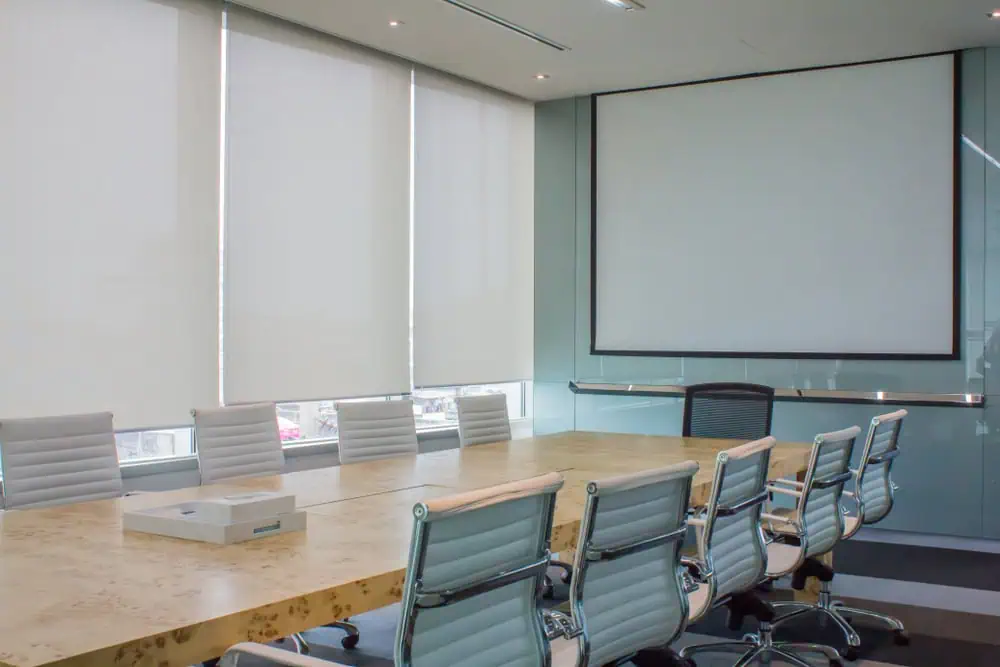
We also handle interior roller shades for offices, sunrooms, and commercial spaces around Oatmeal. Same process: measure, fabricate, install. The difference is in fabric durability and mounting systems that hold up under frequent use.

Cost depends on window size, fabric type, and whether you want motorization. A standard 36″ x 60″ roller shade with light-filtering fabric typically runs less than a blackout option with upgraded hardware.
Motorized roller shades cost more upfront because of the motor, remote, and integration components. But if you’re covering multiple windows or hard-to-reach areas, the convenience usually justifies it.
We give you a quote after measuring your windows. No ballpark guesses. You’ll know exactly what you’re paying before we order anything.
Blackout blinds for windows use a dense, opaque fabric that blocks nearly all light. You use these in bedrooms, nurseries, or media rooms where you need complete darkness. When they’re closed, you shouldn’t see light around the edges if they’re installed correctly.
Light-filtering roller shades let diffused light through while still blocking the view from outside. You get privacy and reduced glare without making the room feel like a cave. These work well in living rooms, kitchens, and offices.
Some people mix both types in the same home. Blackout blinds where you sleep, light-filtering everywhere else. It’s about matching the fabric to what each room actually needs.
Yes, if you’re using the right fabric and installation method. Roller shade blinds with solar or blackout fabrics block heat before it enters your home. That reduces the load on your air conditioning system, especially during peak afternoon hours.
In Oatmeal, where summer temperatures regularly hit triple digits, west and south-facing windows are the biggest culprits. Covering them with blackout roller shades or solar screens can drop the indoor temperature by several degrees. Your AC doesn’t have to work as hard, and you’ll see it reflected in your energy bill.
The key is proper installation. Gaps around the fabric let heat and light through, which defeats the purpose. That’s why we measure carefully and use mounting systems that minimize those gaps.
From consultation to installation, you’re usually looking at two to three weeks. That includes the time it takes to fabricate your roller blinds for windows to exact specifications.
We measure your windows during the first visit. Once you approve the fabric and style, we place the order. The shades are built, then shipped to us. When they arrive, we schedule installation, which typically takes a few hours depending on how many windows you’re covering.
If you need something faster, let us know during the consultation. We can sometimes expedite orders, but custom work takes time to do correctly. Rushing usually means mistakes, and mistakes mean reinstalling or reordering.
Yes. Large openings require heavier-duty roller tubes and reinforced mounting brackets to support the fabric weight. We handle those regularly, especially for sunrooms and patio doors common in Oatmeal homes.
For sliding glass doors, we typically recommend motorized roller shades. Manually pulling down a 10-foot-wide shade gets old fast, and the motor makes operation smooth and consistent.
The fabric needs to be tensioned correctly so it doesn’t sag in the middle. That’s a function of the roller tube diameter and the mounting system. We size everything appropriately during the measuring phase so you don’t end up with a shade that looks fine for a month and then starts drooping.
Not much. Dust them occasionally with a microfiber cloth or vacuum attachment. For blackout window blinds or light-filtering fabrics, you can spot-clean with a damp cloth if something gets on them. Avoid soaking the fabric or using harsh cleaners.
The roller mechanism itself is low-maintenance. If it’s a manual shade, the spring or clutch system should last years without adjustment. Motorized versions have rechargeable batteries or hardwired power, depending on the setup. Batteries typically last several months between charges.
If something does go wrong—fabric tears, motor stops working, mounting bracket loosens—call us. Most issues are fixable without replacing the entire shade. But if you’re using quality components and they’re installed correctly, problems are rare.