
Hear from Our Customers
Your AC stops fighting a losing battle. Roller shades can reduce heat gain through your windows by up to 77 percent, which means your cooling system isn’t working overtime just to keep up with the Texas sun pouring through old, inefficient windows.
You’ll notice the difference on your energy bill. Homes in Texas can spend up to 25% of their total energy costs just on cooling, and your windows are often the biggest culprit. Interior roller shades create a barrier that keeps hot air out and conditioned air in—saving you anywhere from $200 to $500+ annually depending on your home size and window quality.
Your furniture and floors stop fading. UV rays don’t just make your home uncomfortable—they damage everything the sun touches. Roller shade blinds with UV-blocking fabrics protect your investment in hardwood, upholstery, and artwork without making your home feel like a cave.
You get privacy when you want it, light when you need it. Blackout roller shades give you total darkness for bedrooms and media rooms. Light-filtering options let natural light in while keeping neighbors from seeing inside. You’re not stuck with one or the other—you choose what works for each room.
A Plus Shutters & Shades is part of A Plus Home Remodel, a company that’s been working on homes across the Dallas-Fort Worth area for over a decade. We’re not new to construction, and we’re not learning on your windows.
We serve Reno and the surrounding communities—Arlington, Fort Worth, Mansfield, Cedar Hill, Grand Prairie—because we know what Texas heat does to homes. We understand that your windows aren’t just about looks. They’re about comfort, energy costs, and whether you can actually use your living room in the afternoon without squinting.
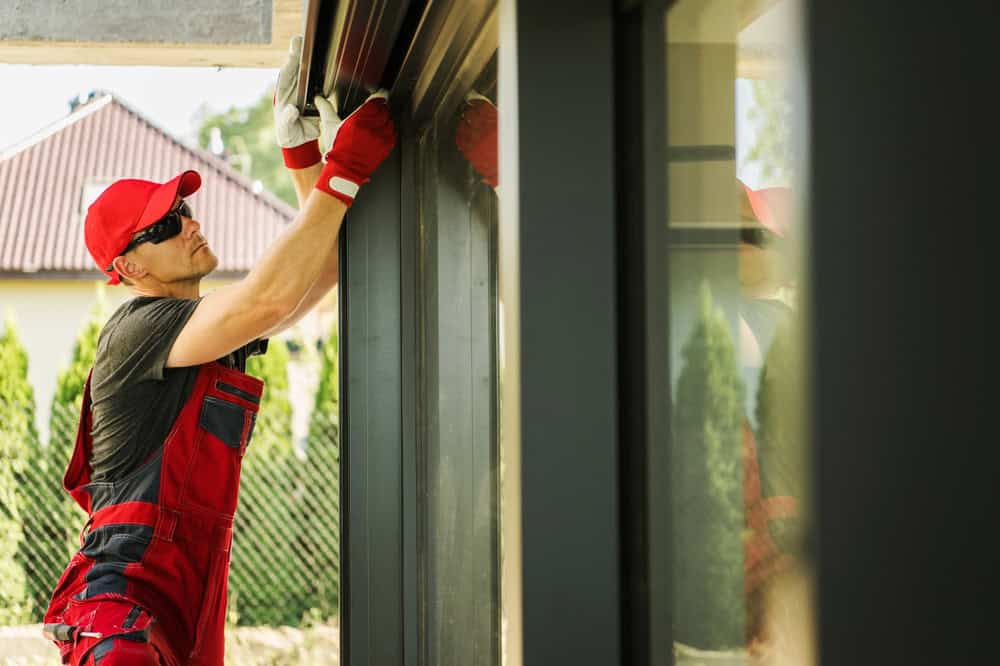
Our installation team has seen every window type, every challenging measurement, every “this should be simple but it’s not” scenario. That experience means your roller blinds for windows get installed correctly the first time, with no gaps, no sagging, and no callbacks.
You reach out, and we schedule a time to come to your home in Reno. No pressure, no sales pitch—just measurements and a conversation about what you’re trying to accomplish. We look at your windows, ask about your priorities (energy savings, blackout capability, motorization, child safety), and talk through fabric options that actually make sense for your situation.
We take precise measurements because roller shade blinds don’t forgive sloppy math. A quarter-inch off means light gaps and a product that doesn’t perform the way it should. Our team measures twice, accounts for mounting depth, and notes any quirks with your window frames that could affect installation.
You choose your fabrics, operation style, and any upgrades like motorization or smart home integration. We order your custom roller shades—these aren’t off-the-shelf products that kind of fit. They’re built specifically for your windows.
Installation day is straightforward. We show up on time, install your roller blind window treatments with the right tools and technique, test every shade to make sure it operates smoothly, and clean up completely. You’re left with window treatments that work exactly as they should, installed by people who’ve done this hundreds of times.
Ready to get started?
You’re getting custom-measured roller shades built for your exact window dimensions. Not close—exact. That means no light gaps on the sides, no sagging in the middle, and proper clearance for window cranks or handles.
You’re choosing from fabrics that range from sheer to blackout. Light-filtering options soften harsh sunlight while maintaining your view. Solar shades block heat and UV rays but still let you see outside. Blackout blinds for windows create complete darkness—the kind you need for bedrooms, nurseries, or home theaters. Blackout window blinds aren’t just darker fabric—they’re engineered to block light from every angle.
You’re deciding how you want to operate them. Cordless systems are clean and child-safe. Motorized roller shades let you control everything from your phone or voice assistant, and they’re especially useful for hard-to-reach windows or when you want to program your shades to close automatically during peak heat hours.
You’re getting installation by people who know what they’re doing. We’ve worked in Reno homes long enough to know that older homes have settling issues, newer builds sometimes have framing inconsistencies, and every install has its own considerations. Our team handles it without making it your problem.
In Texas, where summer temperatures regularly exceed 95°F and your cooling costs can spike fast, the right window treatments aren’t decorative—they’re functional. Dark out blinds and energy-efficient roller shades are investments that pay you back through lower utility bills and a more comfortable home.

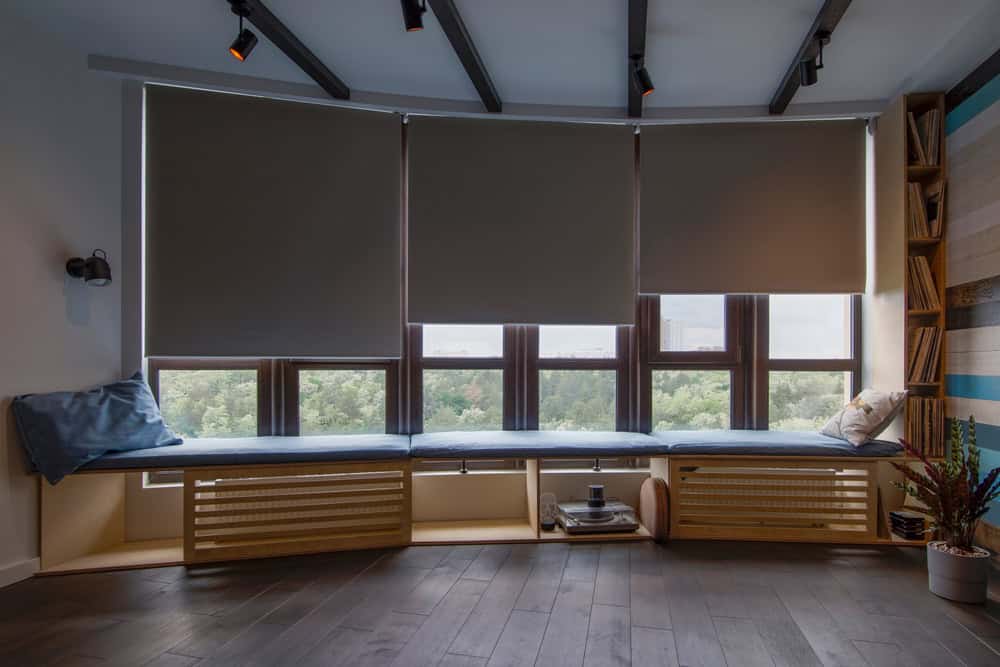
Blackout roller shades block 99% of light and UV rays. When they’re closed, you can’t see in or out, and the room goes dark enough for sleep even during the day. These work best in bedrooms, nurseries, or anywhere you need total light control.
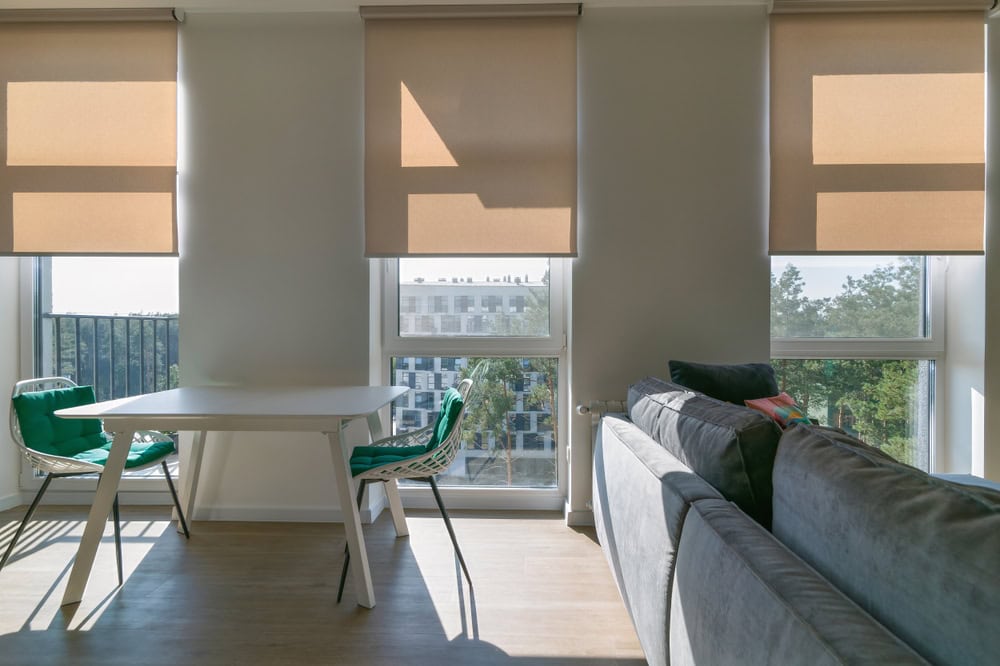
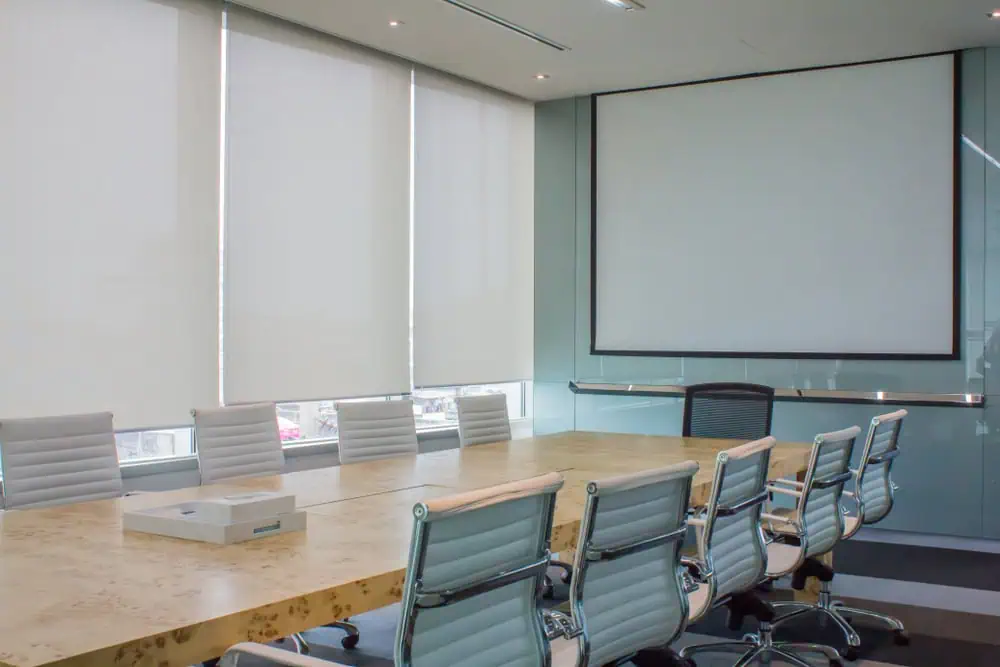
Light-filtering roller shades reduce glare and heat but still let diffused natural light through. You maintain some visibility to the outside, and the room stays bright without the harsh direct sunlight. These are ideal for living rooms, kitchens, or offices where you want light without the heat and UV damage.
The choice depends on the room. Most people use blackout blinds for windows in bedrooms and light-filtering in common areas. You’re not locked into one type for your whole house—you can mix based on what each space actually needs.
The Department of Energy states that energy-efficient window treatments can reduce heating and cooling costs by about 30%. For a typical Texas home spending $1,500-$2,000 annually on cooling, that translates to $200-$500 in savings per year.
Roller shades work by blocking solar heat gain before it enters your home. When the Texas sun hits your windows, untreated glass lets that heat pour straight in, forcing your AC to work harder. Interior roller shades with reflective or insulating properties stop that heat transfer, keeping your home cooler with less energy.
The savings are most noticeable on west and south-facing windows where afternoon sun is most intense. In Reno, where summer heat is relentless, the right window shades aren’t just about comfort—they directly impact how much you’re spending to keep your home livable from June through September.
Motorized roller shades make sense if you have hard-to-reach windows, want to automate your home’s energy efficiency, or just prefer the convenience of controlling everything from your phone. You can program them to close automatically during peak heat hours, which maximizes energy savings without you having to think about it.
Manual cordless operation is simpler, costs less upfront, and works perfectly fine for most standard windows. There’s no battery to charge, no app to troubleshoot, and nothing that can malfunction. You just raise and lower them as needed.
The decision often comes down to your specific situation. If you have tall windows, skylights, or a dozen windows you’d be adjusting daily, motorization pays for itself in convenience. If you have a few standard windows and don’t mind the manual operation, save the money and put it toward higher-quality fabric or additional windows.
That’s why professional measurement matters. Roller shade blinds need precise dimensions—within 1/8 of an inch—to function properly and look right. Too narrow and you get light gaps. Too wide and they won’t fit in the window frame or operate smoothly.
We measure inside mount depth to make sure there’s enough room for the roller mechanism without interfering with window cranks or locks. We check for square—many windows aren’t perfectly level, especially in older Reno homes, and that affects how the shade hangs. We note any obstructions like handles or trim that could impact installation.
Custom roller shades are manufactured based on those exact measurements, so there’s no guessing and no “close enough.” When we install, everything fits precisely because the measurements were done right from the start. DIY measuring is possible, but one mistake means reordering and waiting—professional measurement eliminates that risk.
Very little. Most roller shade fabrics are treated to resist dust and static, so they don’t attract debris the way horizontal blinds do. Regular dusting with a microfiber cloth or vacuuming with a brush attachment every few weeks keeps them clean.
For deeper cleaning, spot-clean with a damp cloth and mild detergent. Don’t soak the fabric or use harsh chemicals—most stains come out with gentle blotting. If you have blackout blinds for windows with a vinyl or PVC backing, they’re even easier to wipe down.
The roller mechanism itself is low-maintenance. Quality roller shades use durable components that don’t require lubrication or adjustment. If you choose motorized options, the battery or power source will eventually need attention, but that’s typically years down the road. The main thing is keeping the fabric clean and operating the shade normally—no yanking or forcing if it sticks.
Yes, if they’re made with the right materials. Quality roller shade fabrics are engineered for UV resistance and heat tolerance. Solar shades specifically are designed to reflect heat and block UV rays without degrading, even under constant Texas sun exposure.
Cheaper materials will fade, become brittle, or lose their shape over time when exposed to intense heat and sunlight. That’s why fabric quality matters more than the upfront price. We use fabrics rated for high-heat climates that maintain their color, texture, and performance for years.
The roller mechanism also needs to be heat-tolerant. Plastic components can warp in extreme temperatures, especially on south and west-facing windows in Reno where afternoon heat is most intense. Metal roller systems and quality mounting hardware hold up better and operate smoothly even after years of Texas summers. When you’re investing in window treatments, you want them to last—not need replacement in three years because they couldn’t handle the climate.