
Hear from Our Customers
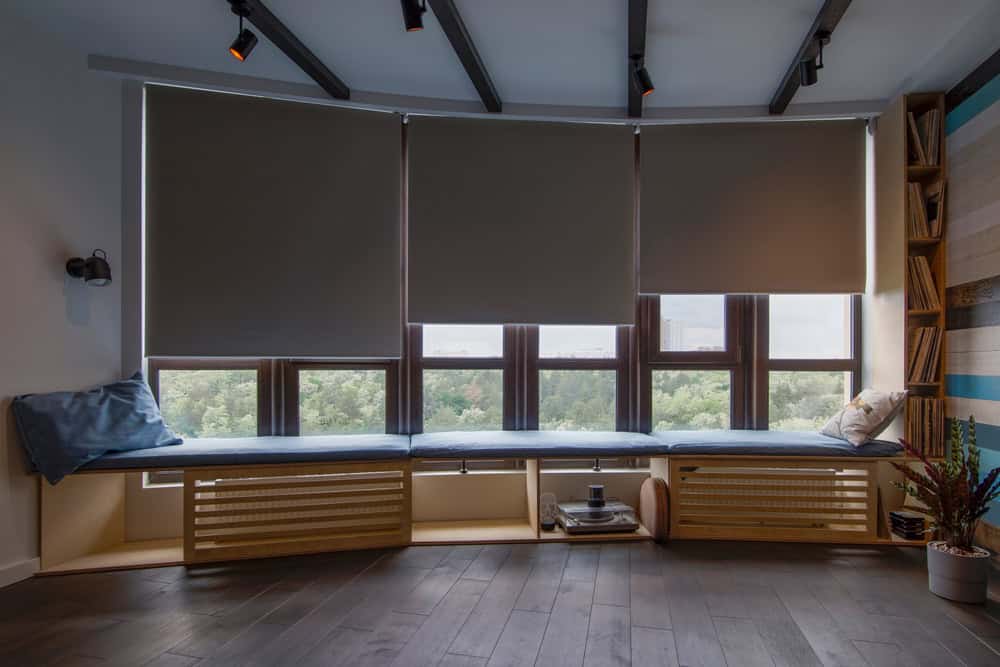
You’re not dealing with off-the-shelf blinds that leave gaps at the top or sides. When blackout roller shades are measured and installed correctly, your bedroom stays dark at 6 a.m. in July. Your living room doesn’t turn into a greenhouse by noon. And your energy bill drops because you’re not fighting the sun all day.
Round Rock homes deal with intense UV exposure and temperature swings. Roller blinds for windows need to be mounted level, fitted tight, and made from materials that won’t fade or distort in high heat. That’s where most big-box options fail—they’re built for average conditions, not Texas.
You want window treatments that work the day they’re installed and five years later. That means quality fabric, proper hardware, and someone who knows how to measure for a custom fit. Not close enough. Exact.
A Plus Shutters & Shades comes from a construction background—over a decade of remodeling homes across North Texas. We’re not a franchise selling you a product. We’re a local team that understands how homes are built, how windows are framed, and what it takes to install interior roller shades so they actually function the way they should.
Round Rock is full of newer builds and custom homes with oversized windows, angled walls, and layouts that don’t fit standard measurements. We’ve worked in enough of them to know what to expect. Our installs are level, secure, and built to last because we treat your home the same way we’d treat our own.
We’re expanding into Round Rock because the market here deserves better options than what’s currently available. You shouldn’t have to settle for poor fits, long lead times, or installers who don’t show up when they say they will.
We start with an in-home consultation where we measure your windows, talk through your goals—blackout, light filtering, motorized, cordless—and show you fabric samples that make sense for your space. No pressure. Just options.
Once you decide, we order your custom roller shades. Everything is made to your exact specs, so there’s no guessing on fit. We don’t install until the product is right.
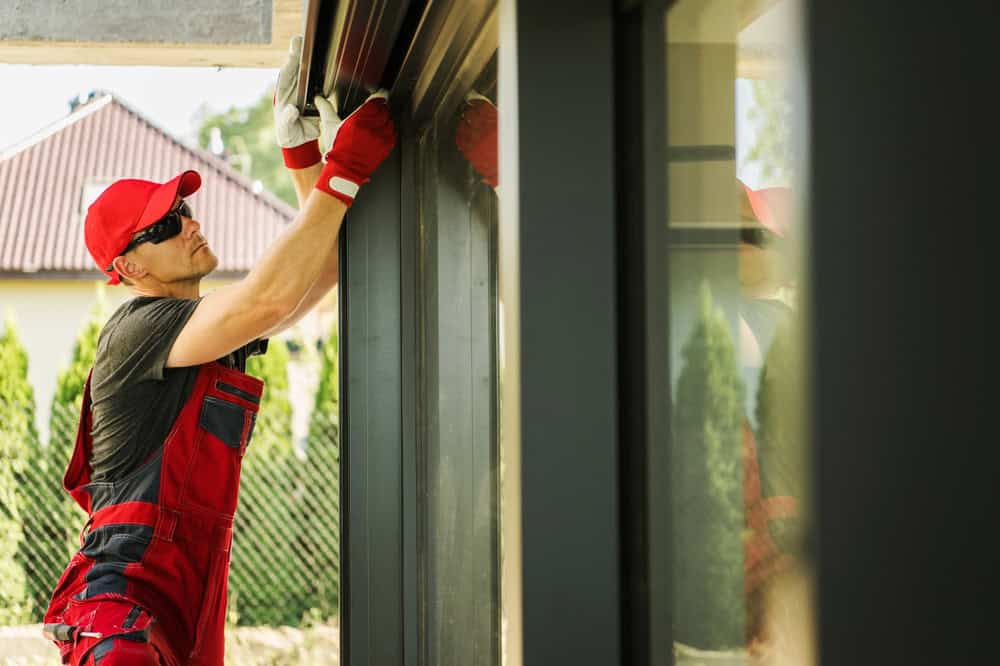
Installation day is straightforward. We mount the brackets, check for level, install the shade, and test the operation. If it’s motorized, we sync it to your system and walk you through the controls. If it’s cordless, we show you how the mechanism works. Then we clean up and you’re done.
The whole process takes a few weeks from start to finish, depending on the size of the order. You’re not waiting months. And if something doesn’t work right, we come back and fix it. That’s the deal.
Ready to get started?
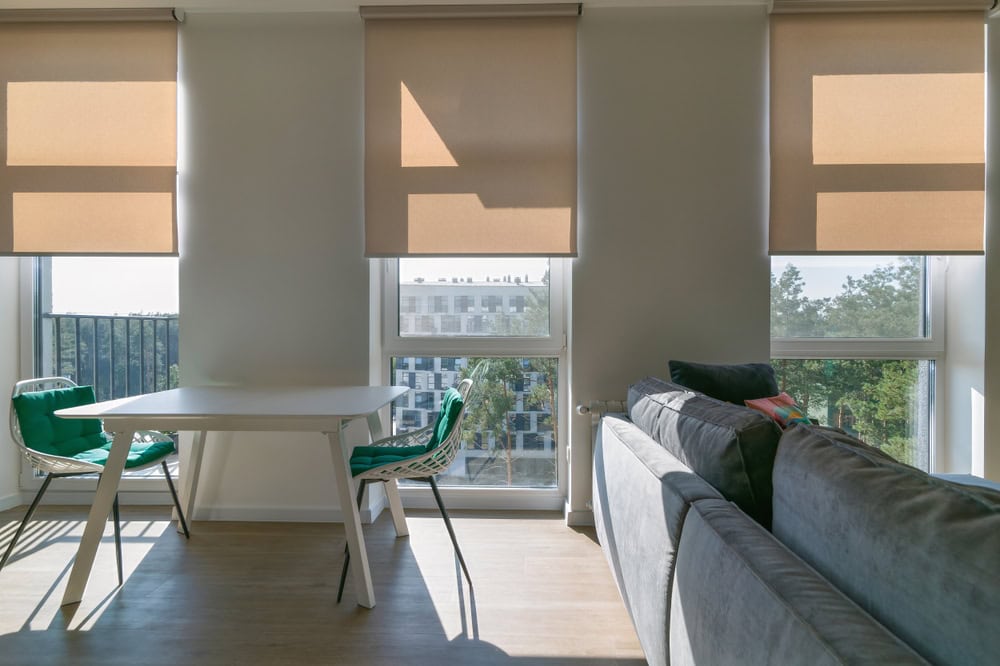
You’re getting roller shades built specifically for your windows—measured down to the eighth of an inch. That includes blackout fabrics if you need full darkness, light-filtering options if you want privacy with some glow, or solar shades if you’re trying to cut glare without losing your view.
Round Rock homes benefit from solar and blackout window blinds because of how much sun exposure you’re dealing with year-round. West-facing windows especially. A good blackout roller shade can drop your room temperature by several degrees and protect your furniture from UV damage. That’s not marketing talk—it’s physics.
We also install motorized roller shades that integrate with smart home systems. You can set schedules, control them from your phone, or link them to temperature sensors. It’s convenient, sure, but it’s also practical if you’ve got high windows or want to automate your home’s energy efficiency.
Cordless options are standard if you’ve got kids or pets. Safer, cleaner look, and the mechanism is more reliable than the old chain-pull systems. Everything we install is designed to last at least a decade with minimal maintenance—just an occasional wipe-down with a damp cloth.

Real blackout performance comes down to two things: the fabric and the fit. Blackout fabrics are woven or coated to block 100% of light transmission. But even the best fabric won’t help if there are gaps around the edges.
That’s why custom sizing matters. We measure for an inside mount when possible, so the shade sits inside the window frame with minimal side gaps. For outside mounts, we extend the shade past the frame to cover light leaks. The top of the shade uses a sealed cassette or tight-fit bracket to prevent light from spilling over.
Most complaints about “blackout” blinds failing come from poor installation or generic sizing. A quarter-inch gap at the top will let in enough morning sun to wake you up. We account for that during the measure, and we check it again during install. If you need true darkness for sleep or shift work, it’s worth doing it right the first time.
Nothing. They’re the same product—just different terms people use when searching. Some call them roller shades, some say roller blinds, others call them roll-up shades. It’s all referring to a piece of fabric that rolls up and down on a tube mechanism.
The confusion usually comes from trying to distinguish them from horizontal blinds (the slatted kind) or vertical blinds. Roller shades are a solid piece of material. No slats, no tilt function. Just up and down.
When you’re shopping or comparing options, focus on the fabric type (blackout, light filtering, solar), the lift mechanism (cordless, motorized, chain), and whether it’s inside or outside mount. Those details matter more than what you call it. If someone’s trying to sell you on a difference between “shades” and “blinds” in this category, they’re splitting hairs that don’t exist.
Yes, but it depends on the fabric and how you use them. Solar roller shades and blackout roller shades both reduce heat gain by blocking or reflecting sunlight before it heats up your room. That means your AC doesn’t have to work as hard during peak hours.
The Department of Energy estimates that window treatments can reduce heat gain by up to 77% on sun-facing windows. In Round Rock, where you’re dealing with long summers and high UV exposure, that adds up. If you keep your shades down during the hottest part of the day—especially on west and south-facing windows—you’ll notice a difference.
Motorized shades make this easier because you can set them to lower automatically when the temperature hits a certain point. You’re not thinking about it, and you’re not letting heat build up while you’re at work. Some homeowners also qualify for federal energy efficiency tax credits when they install qualifying window treatments, which can offset part of the cost. It’s worth asking about when you’re getting a quote.
From consultation to installation, you’re usually looking at two to four weeks. That includes the time it takes to manufacture your custom shades and schedule the install around your availability.
The consultation itself takes about an hour, depending on how many windows you’re covering. We measure, talk through options, and give you a quote on the spot. Once you approve, we place the order. Manufacturing takes one to three weeks depending on the complexity and current lead times.
Installation day depends on the size of the job. A few windows might take a couple hours. A whole house could take half a day. We don’t rush it. Every shade gets checked for level, operation, and fit before we move to the next one. If you’re in Round Rock and need something faster, let us know upfront—we’ll tell you what’s realistic and whether we can expedite anything. But in general, good custom work takes time. It’s worth the wait.
Only if they’re made with cheap materials or installed in direct sun without the right fabric. Low-quality PVC or vinyl roller shades will warp, fade, or become brittle in high heat. That’s common with big-box options that aren’t designed for Texas climates.
We use fabrics and components that are rated for high temperatures and UV exposure. The roller mechanism is enclosed to prevent dust and heat damage, and the fabric itself is treated to resist fading and distortion. If you’re covering a window that gets blasted with afternoon sun, we’ll recommend a solar or blackout fabric that’s specifically built for that kind of exposure.
Inside mount shades are also less exposed to extreme temps than outside mounts, since they sit within the window frame. But either way, quality materials make the difference. If someone’s offering you a rock-bottom price on roller blinds for windows, ask what they’re made of and whether they’re rated for outdoor or high-heat use. If they don’t know, that’s your answer.
No. They’re easier. Cordless roller shades use a spring mechanism—you pull down to lower them, and give a slight tug to release the lock and let them roll back up. It’s smooth, intuitive, and there’s no dangling cord to deal with.
The main advantage is safety. Corded blinds are a strangulation hazard, especially for young kids and pets. That’s why cordless options have become the standard in most homes. They also look cleaner and don’t have a cord that gets tangled or breaks over time.
The spring mechanism is durable and doesn’t require much maintenance. If it ever feels too tight or too loose, it’s adjustable—but that’s rare with a quality install. Motorized roller shades are another option if you want even easier operation, especially for large or hard-to-reach windows. You’re not sacrificing function by going cordless. You’re upgrading it.