
Hear from Our Customers
Your AC stops running nonstop. That’s the first thing most people notice after installing blackout roller shades—the compressor isn’t cycling every fifteen minutes trying to keep up with the sun pouring through your windows.
The second thing? Your electric bill drops. We’re talking $75 to $120 less per month during peak summer, which adds up to real money over a cooling season. That’s not a sales pitch—it’s what happens when you block heat before it enters the room instead of trying to cool it down after.
And then there’s everything else. You can actually see your TV during the day without glare. Your bedroom stays dark enough to sleep past sunrise. Your furniture stops fading. The house feels more consistent, more comfortable, no matter which direction the sun is hitting.
Roller shades aren’t just window coverings. They’re one of the few upgrades that pay you back while making your home more livable.
A Plus Shutters & Shades grew out of A Plus Home Remodel, a company that’s been transforming homes across Southeast Texas for over ten years. We’re not new to construction, and we’re definitely not new to what Texas weather does to a house.
We opened our shutter showroom in Arlington because we kept seeing the same problems: homes with beautiful interiors getting cooked by afternoon sun, bedrooms that never got dark enough, living rooms where you couldn’t watch TV without closing every curtain. People needed better solutions than big-box blinds that warp in the heat or blackout curtains that look like you’re trying to sleep in a cave.
So we focused on what works here. Custom roller shades built to handle the climate, installed by people who know how Texas homes are built, backed by a team that’s been serving Arlington, Fort Worth, Dallas, Southlake, Mansfield, Cedar Hill, Grand Prairie, and Pantego long enough to have a reputation worth protecting.
It starts with a free consultation at your place. We come out, measure your windows, talk through what’s not working right now—heat, glare, privacy, whatever—and show you samples so you can see the actual fabrics and colors in your own light. No pressure, no upselling. Just options.
Once you decide what you want, we custom-build your roller shades to fit your exact window dimensions. This isn’t trim-to-fit stuff from a box. Every shade is made specifically for your home, which is why they look clean and operate smoothly instead of sagging or binding.
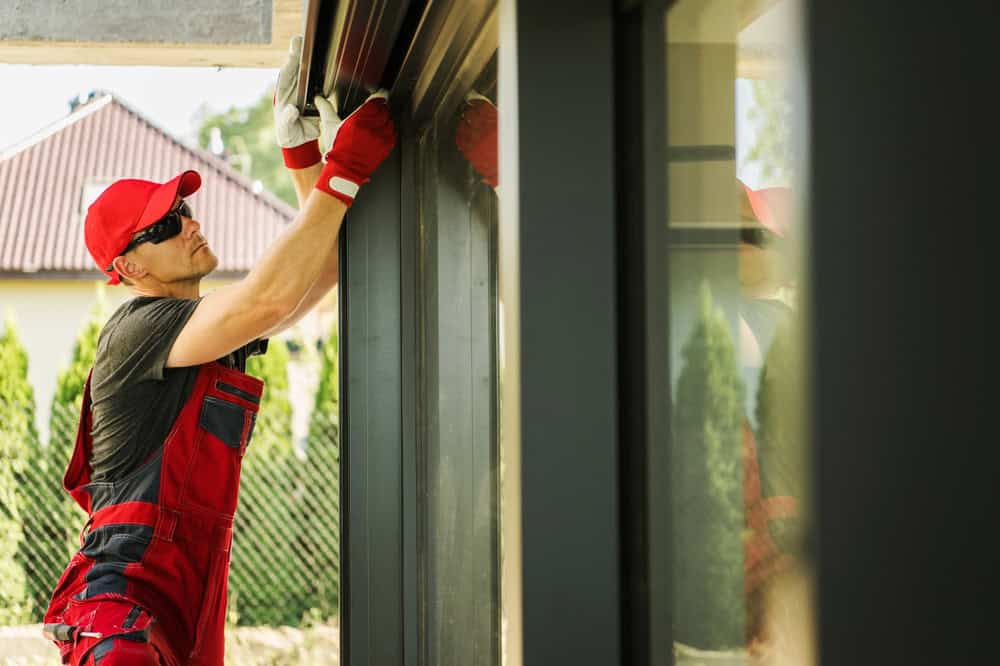
Then we install them. Our team has been doing construction work for years, so mounting hardware into studs, dealing with tricky window frames, making sure everything is level—that’s the easy part for us. You get shades that work right from day one.
After installation, we walk you through how to operate them, answer any questions, and make sure you’re happy with how everything looks and functions. Then we’re done. If something ever comes up, you’ve got our number.
Ready to get started?
You’re getting window treatments built for Southeast Texas. That means fabrics that can handle the heat without warping, mechanisms that won’t fail after a summer of daily use, and blackout materials that actually block 100% of light when you need total darkness.
The roller blinds for windows we install come in a range of opacity levels. Light-filtering if you want to soften the glare but keep some natural light. Room-darkening if you want significant light control. Full blackout if you work nights, have a media room, or just want your bedroom dark enough to actually sleep in. Some customers go with dual roller shades—two fabrics on one window—so they can switch between filtered light during the day and complete darkness at night.
We also offer motorized options that integrate with smart home systems, which is popular in areas like Southlake where home automation is standard. You can program your shades to close automatically when the afternoon sun hits, or control everything from your phone when you’re traveling.
Color and texture options are extensive. Modern neutrals, bold accent colors, natural weaves—whatever matches your interior. And because these are custom, they fit your windows exactly. No light gaps on the sides, no awkward sizing, just clean lines that look like they were always meant to be there.

Yes, and the impact is measurable. When you block sunlight before it enters a room, you’re stopping radiant heat at the glass instead of letting it flood in and forcing your AC to work overtime removing it. That’s a much more efficient approach.
Most homes in Southeast Texas see a 25% to 40% reduction in cooling costs after installing blackout roller shades on their sun-facing windows. During peak summer months when you’re running the AC constantly, that typically translates to $75 to $120 less per month. Over a full year, you’re looking at $600 to $1,000 in savings, sometimes more if your windows are older or poorly insulated.
The Department of Energy backs this up—properly installed window treatments can reduce energy consumption by up to 15%. Blackout shades add a layer of thermal insulation that helps maintain cooler indoor temperatures, which means your AC doesn’t cycle as often and your home stays more comfortable. It’s one of those upgrades that actually pays for itself.
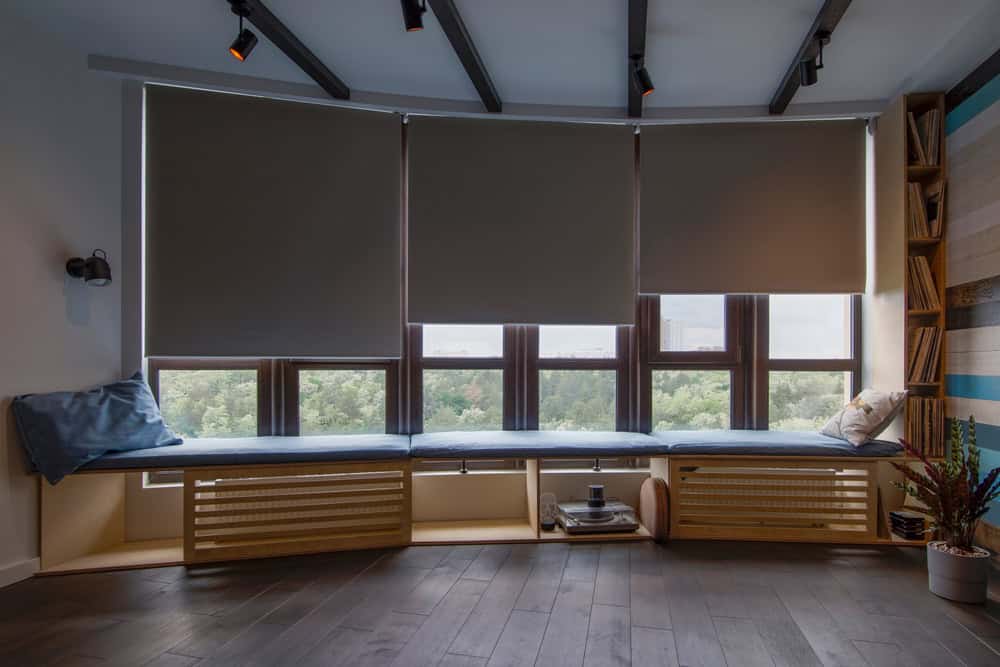
Blackout blinds block 100% of incoming light. They’re made from high-opacity fabrics designed to create complete darkness, which makes them essential for bedrooms, media rooms, or any space where you need total light control. If you work night shifts, have young kids who need to nap, or just want your bedroom dark enough for quality sleep, blackout is what you need.
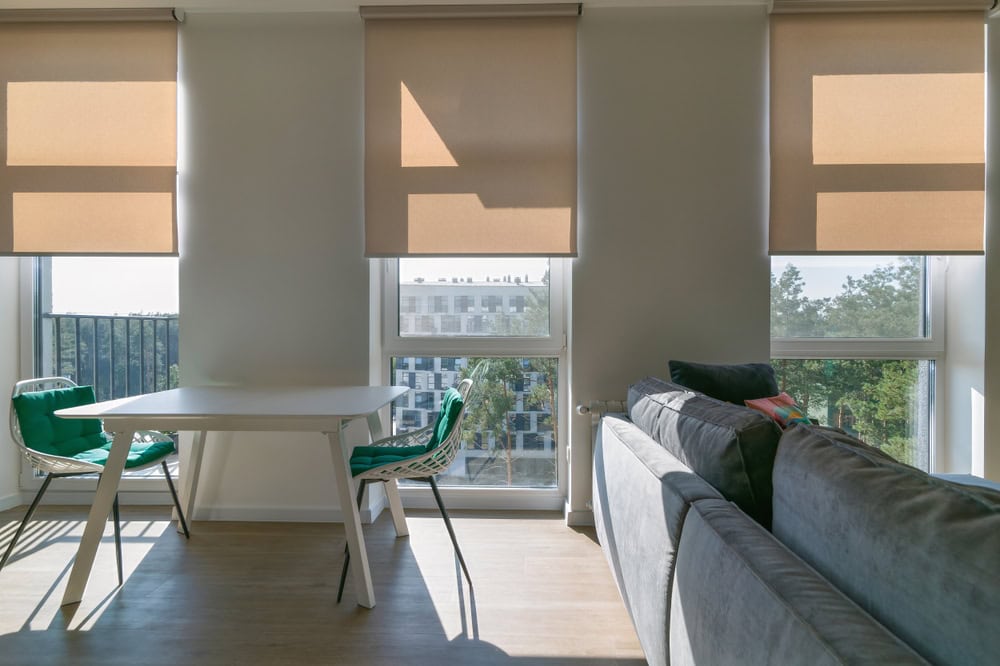
Light-filtering roller shades soften and diffuse sunlight without blocking it entirely. They reduce glare and heat while still letting natural light into the room, which keeps spaces feeling open and bright. They’re great for living rooms, kitchens, or offices where you want to cut down on harsh sun without making the room feel closed off.
Some people go with dual roller shades that combine both options on a single window. You get a light-filtering layer for daytime use and a blackout layer for when you need privacy or darkness. It’s more versatile, especially in rooms that serve multiple purposes throughout the day.
From consultation to installation, you’re usually looking at two to three weeks. The timeline breaks down like this: we come out for a free consultation, measure your windows, and show you samples. Once you decide what you want, we place the order for your custom shades, which takes about one to two weeks to manufacture since they’re built to your exact specifications.
Once your shades arrive, we schedule the installation, which typically takes a few hours depending on how many windows we’re covering. For a typical home with six to eight windows, we’re usually done in half a day. Larger projects or homes with specialty windows might take longer, but we’ll give you a clear timeline upfront.
The actual installation is straightforward. We mount the hardware, hang the shades, make sure everything operates smoothly, and clean up after ourselves. You don’t need to do anything except be available to let us in and approve the final result.
Quality roller shades absolutely can, but you need the right materials. Cheap vinyl or fabric blends from big-box stores tend to warp, fade, or deteriorate quickly under constant sun exposure and high heat. That’s why we only install shades made from durable, UV-resistant fabrics designed for climates like ours.
The roller shade blinds we use are built to withstand prolonged heat and direct sunlight without losing their shape or color. The mechanisms are also heat-tested, so they won’t bind or fail after a summer of daily use. This matters in Southeast Texas where your west-facing windows can get brutally hot during afternoon sun.
We’ve been installing these for years across Arlington, Dallas, Fort Worth, and surrounding areas, and the shades hold up. No warping, no fading, no mechanical issues. That’s the difference between custom-grade products and mass-market options—they’re engineered for performance, not just price point.
Completely. When blackout roller shades are closed, they block visibility from both directions. Nobody can see in, and the opaque fabric ensures total privacy, which makes them ideal for bedrooms, bathrooms, street-facing windows, or any space where you don’t want neighbors or passersby looking in.
Even light-filtering roller shades provide a significant level of daytime privacy. They obscure the view into your home while still letting diffused light through, so you get natural brightness without feeling exposed. At night, when interior lights are on, blackout shades are your best option for complete privacy since light-filtering fabrics can show silhouettes.
For urban areas like Dallas or homes in neighborhoods with close spacing, privacy is often just as important as light control. Roller shades give you both without needing to layer curtains or keep your windows covered all day. You control when you want privacy and when you want light—it’s that simple.
If you have hard-to-reach windows, want smart home integration, or just value convenience, motorized roller shades are absolutely worth it. They’re no longer a luxury feature—they’re standard in a lot of newer homes and popular upgrades in areas like Southlake where home automation is common.
Motorized shades let you control your window treatments from your phone, voice assistant, or programmed schedules. You can set them to close automatically when the afternoon sun hits your west-facing windows, which maximizes energy savings without you having to think about it. If you’re traveling, you can adjust them remotely to make it look like someone’s home. And if you have tall windows or multiple shades in one room, motorized operation is just easier than manually adjusting each one.
The upfront cost is higher, but the convenience and energy efficiency benefits add up. Plus, motorized systems integrate seamlessly with platforms like Alexa, Google Home, and most smart home hubs, so they fit right into your existing setup. For most people who choose motorized, it quickly becomes one of those upgrades they wonder how they lived without.