
Hear from Our Customers
Your AC runs constantly. Your energy bill climbs every month. And that west-facing room? Unbearable by 3 PM.
Roller shades designed for Texas heat don’t just filter light—they block solar radiation before it turns your home into an oven. You get natural light without the greenhouse effect. Your furniture stops fading. Your rooms stay comfortable without cranking the thermostat down to 68.
The right window treatments can drop your cooling costs by 15-25% during summer months. That’s not marketing talk—that’s basic building science. When you stop heat at the window, your AC doesn’t have to work as hard.
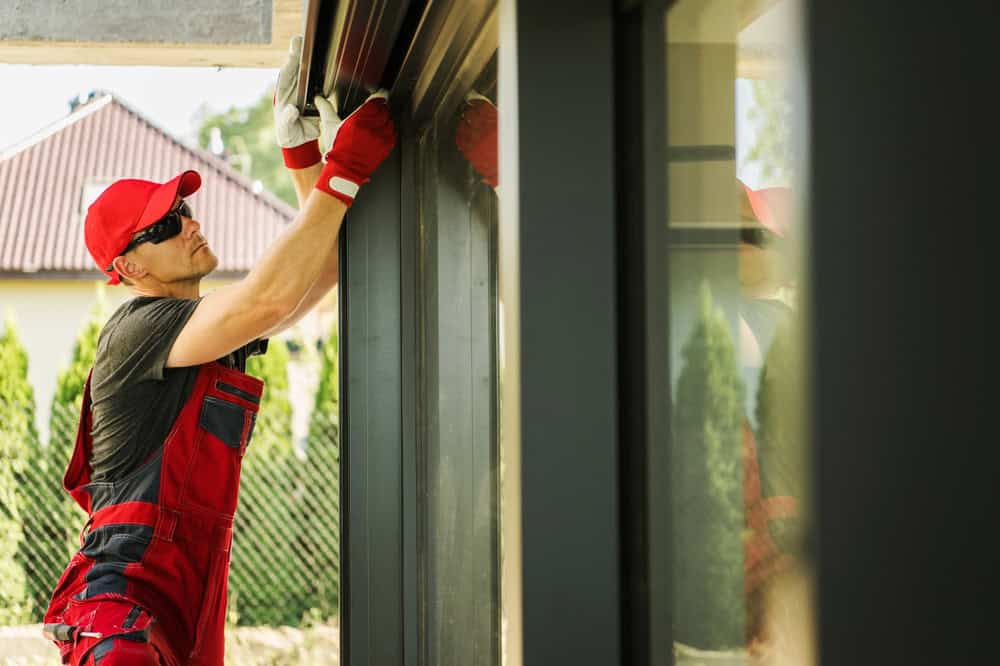
We started as a branch of A Plus Home Remodel, bringing over ten years of construction experience to every installation. That background matters when we’re mounting hardware into different wall types or working around trim that’s not quite square.
Trento homeowners deal with the same challenges as the rest of North Texas—intense sun exposure, long cooling seasons, and energy costs that spike hard in July and August. We’ve been measuring windows and installing custom treatments throughout the DFW area long enough to know what works in this climate.
You get a free consultation where we measure your windows, show you fabric samples, and walk through operating systems—manual, cordless, or motorized. No pressure. Just information so you can make the right call for your home.
First, we come to your home in Trento for a free consultation. We measure your windows, discuss what you’re trying to solve—heat gain, privacy, light control, all of the above—and show you fabric options. Light-filtering fabrics give you a soft glow while maintaining daytime privacy. Blackout roller shades block light completely, ideal for bedrooms or media rooms. Solar shades reduce glare and UV while preserving your view.
Once you choose your fabrics, colors, and operating system, we order your custom roller shades. Everything’s made to your exact window dimensions. No gaps. No light leaks. No generic sizes that almost fit.
Installation takes a few hours depending on how many windows we’re covering. Our installers handle the mounting, leveling, and adjustments. You’re left with window treatments that operate smoothly and look clean. We don’t leave until everything works exactly as it should.
Ready to get started?
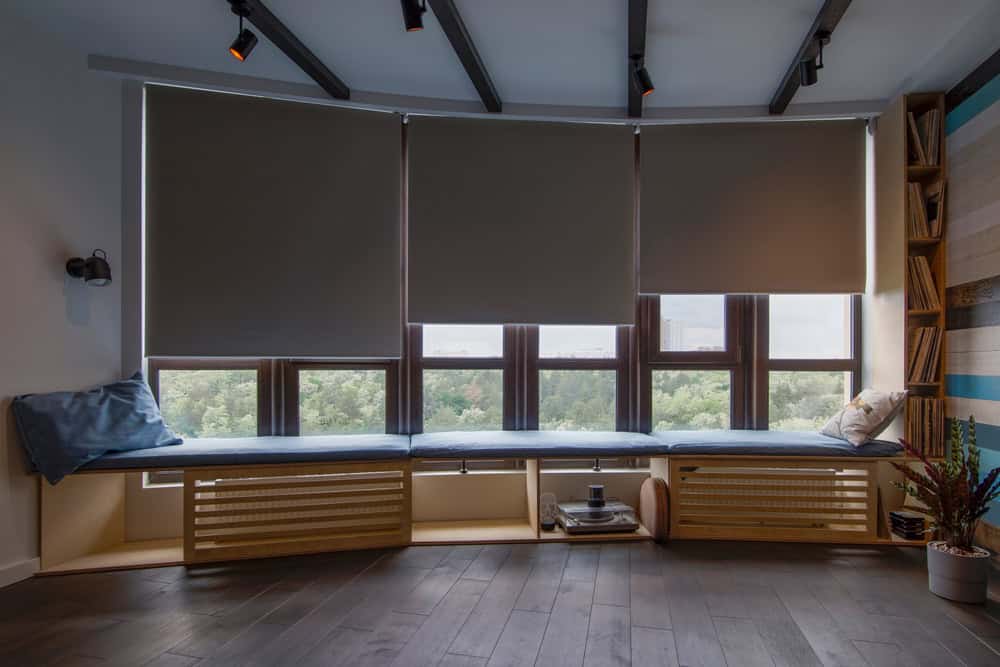
Blackout blinds for windows make sense in bedrooms where you need complete darkness for sleep, or in nurseries where nap time happens during bright afternoon hours. The fabric blocks 100% of incoming light. No dawn wake-ups. No streetlight glow at night.
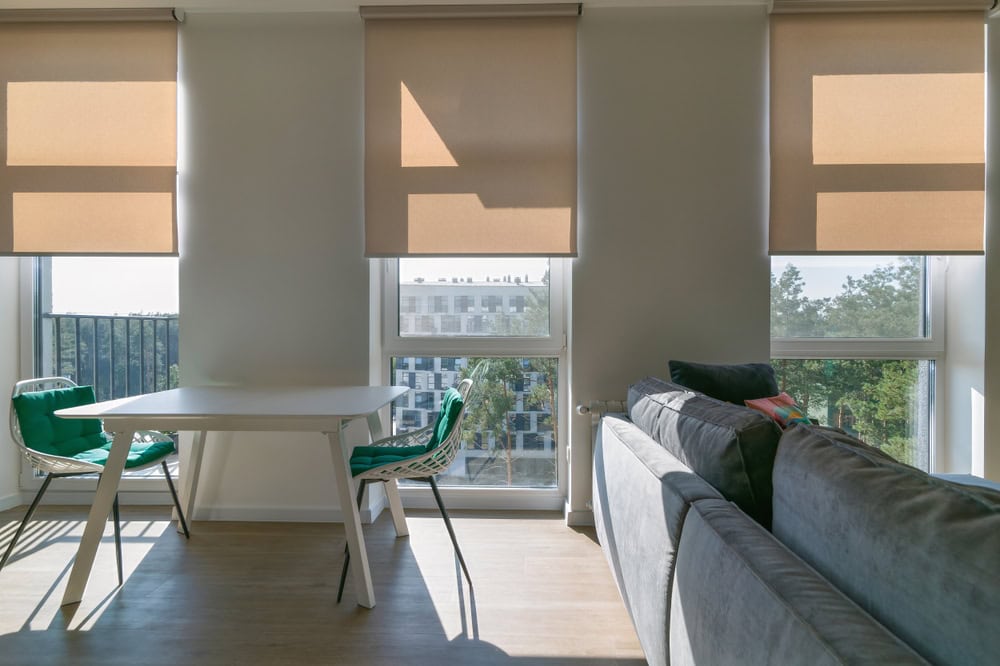
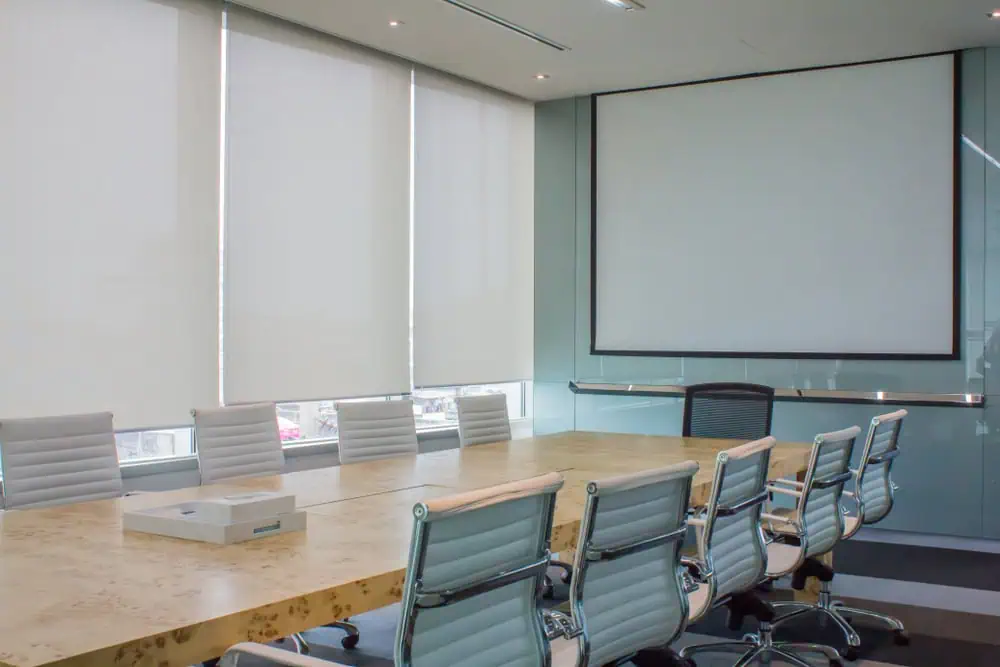
Light-filtering roller shade blinds work well in living areas where you want natural light without the harsh glare that makes it hard to see your TV screen or causes eye strain while you’re reading. You get diffused light and daytime privacy—people outside can’t see in, but you’re not sitting in the dark.
Solar shades are the go-to for Texas sun exposure. They block up to 99% of UV rays, which means your hardwood floors and furniture don’t fade as quickly. You keep your view to the outside while cutting heat gain significantly. For Trento homes with large windows facing south or west, this makes a measurable difference in how hard your AC works during summer.
Motorized roller shades add convenience, especially for hard-to-reach windows or if you want to integrate your window treatments with a smart home system. Control them with a remote, smartphone app, or voice commands. Set schedules so your shades lower automatically when the afternoon sun hits.

Custom roller shades typically cost more upfront than big-box store options, but the difference isn’t as dramatic as most people expect—and the gap closes fast when you factor in what you’re actually getting.
Store-bought roller blinds for windows come in standard sizes. If your window measures 35.5 inches wide, you’re buying a 36-inch shade and dealing with light gaps on the sides. Custom interior roller shades are made to your exact measurements, so they fit your window opening precisely with no gaps and no light leaks.
The quality difference shows up in the hardware, the fabric durability, and how smoothly the shade operates after a year of daily use. Cheap roller mechanisms start to stick or become uneven. The fabric warps or fades. Custom shades use better materials and construction methods, which means they last longer and keep working properly. You’re also getting professional installation, which matters more than people realize—improper mounting causes most of the problems homeowners experience with window treatments.
Blackout roller shades use a tightly woven or layered fabric that blocks 100% of light from passing through. When they’re closed, the room goes dark—no dawn glow, no streetlights, no light bleed around the edges if they’re properly installed. These make sense for bedrooms, nurseries, or any space where you need complete darkness for sleep or light control for a projector or TV.
Light-filtering roller shades use a looser weave that diffuses incoming light. You get natural light in the room, but it’s softened—no harsh glare, no hot spots on your floor. During the day, people outside can’t see in clearly, but you’re not blocking your view or sitting in a dark room. These work well in living rooms, kitchens, dining areas, or home offices where you want brightness without the downsides of direct sun exposure.
There’s also a middle option called blackout blinds for windows with a privacy liner, which gives you room-darkening capability without going full blackout. It blocks most light but not all of it. Some homeowners prefer this in bedrooms because you get a small amount of natural wake-up light without the room being flooded at sunrise.
Yes, but the impact depends on which type of roller shade blinds you choose and how much sun exposure your windows get. Solar shades and blackout options perform best for heat reduction.
When sunlight hits your window, it turns into heat inside your home—that’s solar heat gain, and it’s why west-facing rooms in Texas feel like ovens by mid-afternoon. Roller shades block that solar radiation before it converts to heat. Solar shades can reject up to 90% of solar heat while still letting you see outside. Blackout roller shades block even more because they stop light completely.
The Department of Energy estimates that effective window treatments can reduce heat gain by 45% on south-facing windows and 77% on west-facing windows during cooling season. For Trento homeowners, that translates to measurably lower energy bills during the long Texas summer. Your AC doesn’t have to work as hard to maintain comfortable temperatures, which means it cycles less frequently and uses less electricity.
The savings add up over time, especially if you’re covering multiple windows that get direct afternoon sun. Most homeowners see a noticeable difference in both comfort and cooling costs within the first summer after installation.
Motorized roller shades use a small motor housed inside the roller tube that raises and lowers the shade when you press a button on a remote, tap your smartphone, or use a voice command through Alexa or Google Home. The motor is quiet and the operation is smooth—no jerking or uneven movement.
They’re worth it in a few specific situations. If you have windows that are hard to reach—above a staircase, behind furniture, or just really tall—motorized operation makes sense because you’re not climbing on anything or struggling with a long cord. If you want to integrate your window treatments into a smart home system, motorization lets you set schedules or create scenes where your shades automatically adjust based on time of day or sunlight sensors.
Some homeowners like motorized blackout blinds in bedrooms because they can program them to lower at sunset and raise at a specific time in the morning. Others use them on large solar shades covering big windows or sliding doors, where manually operating a heavy shade gets old fast.
The upfront cost is higher than manual roller shade blinds, but the convenience pays off if you’re someone who’ll actually use the automation features. If you’re just covering a couple of standard windows that are easy to reach, manual operation works fine and saves you money.
Yes. Custom roller shades can be mounted on virtually any window type—standard single-hung or double-hung windows, casement windows, sliding windows, bay windows, skylights, and even large picture windows or sliding glass doors.
The mounting method changes depending on your window frame and how much depth you’re working with. Inside mount means the shade sits inside the window frame for a clean, built-in look—this only works if you have enough depth in the frame and the opening is square. Outside mount means the shade is mounted on the wall or trim above the window, covering the entire frame. This works when you don’t have enough depth for an inside mount, or when you want maximum light blockage because the shade extends beyond the window opening.
For Trento homes with older windows or non-standard sizes, custom fabrication ensures your interior roller shades fit correctly regardless of the opening dimensions. We measure each window individually because even windows that look the same size can vary by a quarter inch or more—and that difference matters when you’re trying to eliminate light gaps with blackout roller shades.
Specialty shapes like arches or angles require custom solutions, but they’re doable. The key is working with someone who knows how to measure properly and select the right mounting hardware for your specific window type and wall construction.
Roller shades are low maintenance compared to other window treatments. Most fabrics just need regular dusting or vacuuming with a brush attachment to prevent buildup. Do this every couple of weeks and you’ll avoid the deep cleaning that becomes necessary when dust gets embedded in the weave.
For light cleaning, use a microfiber cloth or duster and wipe down the fabric while the shade is fully extended. If you notice spots or smudges, most roller shade fabrics can handle spot cleaning with a damp cloth and mild soap—just test a small hidden area first to make sure the fabric doesn’t water spot or discolor.
Blackout blinds and solar shade fabrics are usually treated to resist dust and moisture, which makes them easier to keep clean. Avoid harsh chemicals, bleach, or abrasive scrubbers because they can damage the fabric coating or cause discoloration.
If your roller shade blinds get dirty enough to need a deeper clean, some fabrics can be removed and gently washed, but this depends on the specific material. When in doubt, check with us about the care instructions for your particular fabric type. Most homeowners find that regular dusting is enough to keep their interior roller shades looking good for years without needing any intensive cleaning.