
Hear from Our Customers
You close the blinds and light still creeps in around the edges. Your neighbor’s security light sweeps across your bedroom wall at 2 AM. Car headlights from the street wake you up multiple times a night.
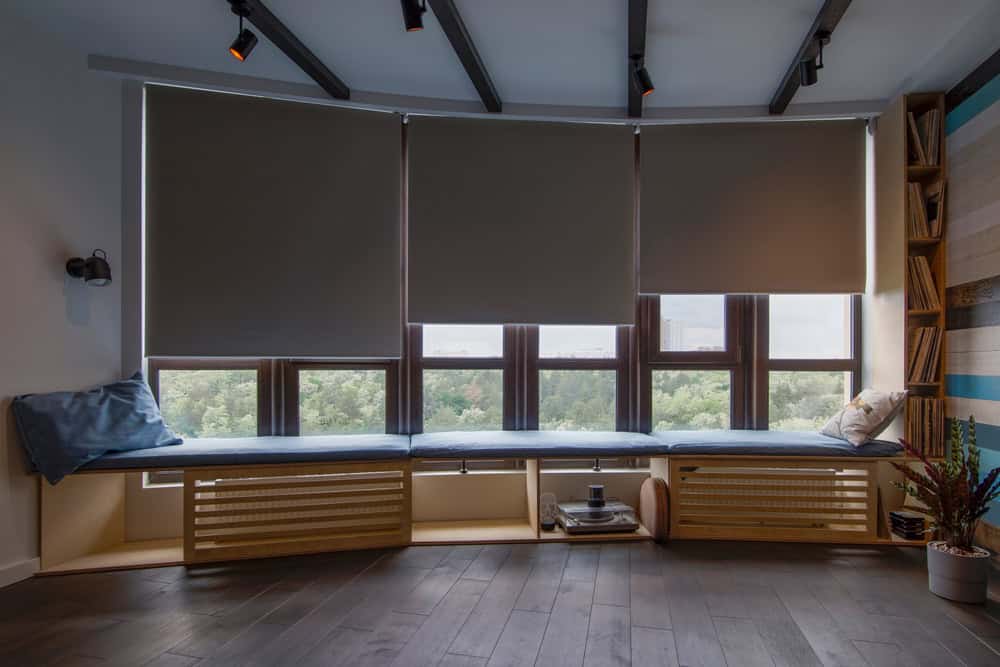
Real blackout roller shades fix that. When installed correctly, they block 99-100% of light. Not “room darkening” that still lets in a glow. Complete darkness when you need it.
That means better sleep, which matters more than most people realize until they’re not getting it. It also means your furniture isn’t fading from UV exposure, your AC isn’t fighting against heat pouring through the windows all afternoon, and you’re not constantly adjusting blinds throughout the day.
The right roller shade setup gives you control. Cordless operation for safety if you have kids or pets. Motorized options if you want to automate based on time of day or control everything from your phone. Custom sizing so there aren’t gaps where light leaks through.
You get what you actually need instead of what a big box store says will “probably work.”
We’ve been doing this for over ten years at A Plus Shutters & Shades, starting as part of A Plus Home Remodel before opening a dedicated showroom. We focus on custom plantation shutters, roller shades, and barn doors throughout the Arlington and Dallas area, including West Congress.
West Congress has a mix of modern homes with clean lines and older properties that need custom solutions. The neighborhood sits in a price range where people expect quality work, not shortcuts. You’re dealing with median home values over $534,000, which means the installation needs to be right the first time.
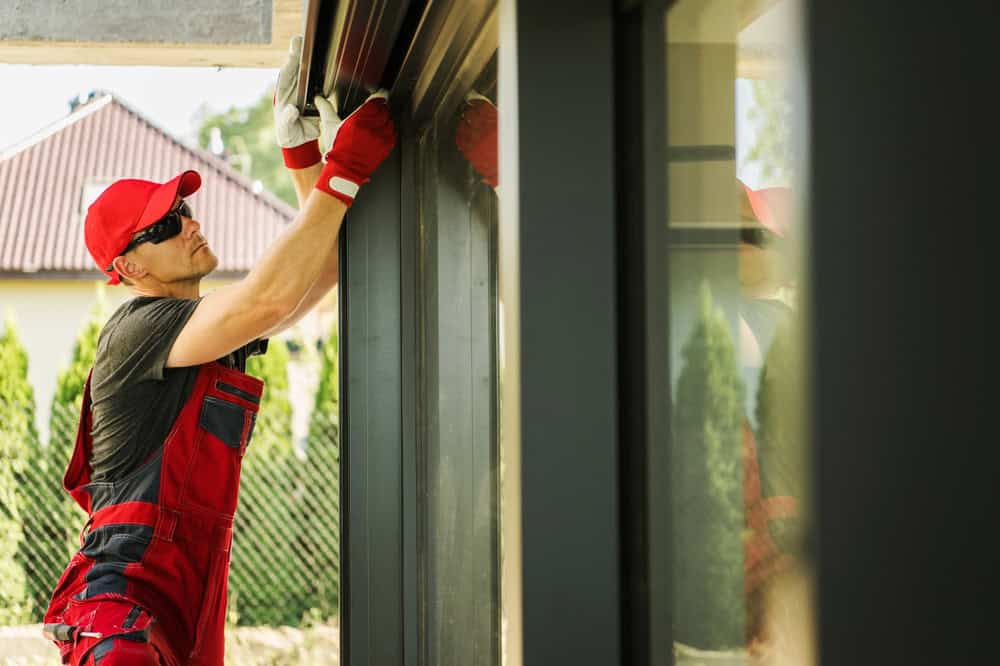
We measure your windows during a free consultation, show you fabric samples, and explain what will actually work for your situation. Then our installation team handles the fit and finish so you don’t end up with light gaps or crooked mounting.
First, you schedule a free consultation. We come to your home in West Congress, measure your windows, and talk through what you’re trying to solve. If it’s light leaking into your bedroom, we’ll discuss blackout roller shades with side channels. If it’s heat coming through south-facing windows, we’ll talk fabric options that reflect heat while still letting you see outside.
You’ll see samples of different fabrics, colors, and operating systems. Cordless lift, continuous loop chain, motorized with remote control, or smart home integration. We’ll explain what fits your budget and what actually makes sense for your windows.
Once you decide, we order everything custom-made to your exact measurements. No guessing if a stock size will work. When it arrives, our installation team schedules a time that works for you.
Installation typically takes a few hours depending on how many windows. We mount the brackets, hang the shades, test the operation, and clean up. You’ll see how to operate everything before we leave.
If something isn’t right, we fix it. The goal is blackout blinds for windows that actually block light, not “close enough.”
Ready to get started?
Custom roller shades get built to your exact window measurements. That matters in West Congress where you’ve got a mix of newer construction with standard sizing and older homes with windows that are slightly off.
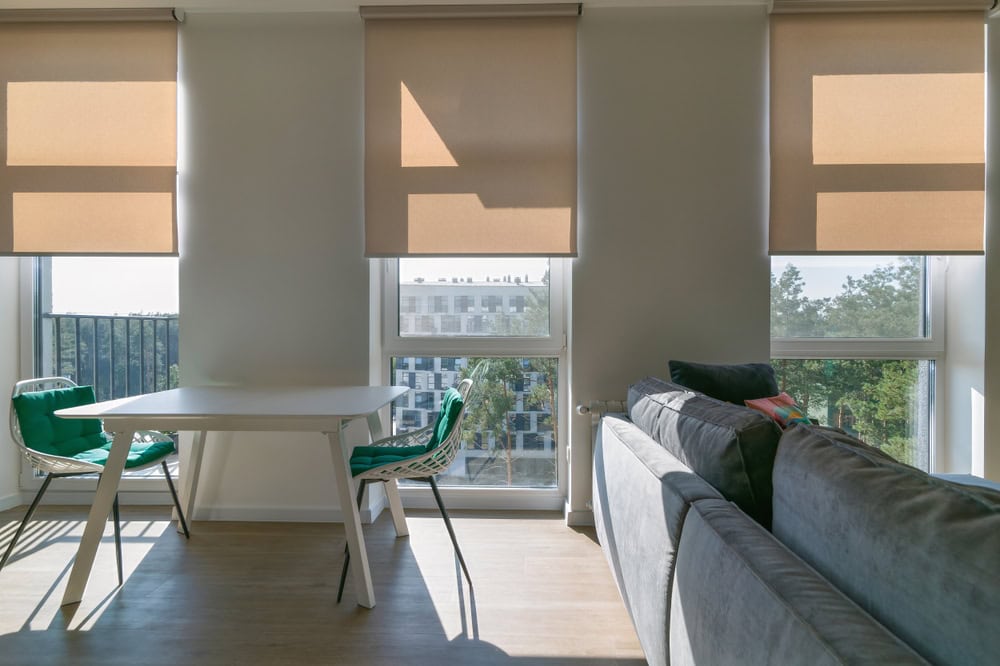
Fabric options range from sheer to blackout. Sheer lets light in while giving you privacy. Light filtering softens sunlight without blocking it completely. Blackout fabric blocks everything, which is what you need for bedrooms or media rooms. In Texas heat, solar shades reflect heat and UV while maintaining your view outside.
Cordless roller shades eliminate the dangling cords that are a safety risk with kids and pets. Motorized options let you control everything with a remote, smartphone app, or voice command through Alexa or Google Home. That’s useful for high windows or if you want to automate based on time of day.
Inside mount sits within the window frame for a clean look. Outside mount covers the entire window and frame, which helps with light gaps and gives you more flexibility if the frame isn’t deep enough.
We’re using Texas-made products where possible, which means better quality control and supporting local manufacturing. The materials are built to handle sun exposure without fading or breaking down in a few years.

Blackout fabric blocks light from passing through, but that’s only part of it. Light leaks happen around the edges where the shade meets the window frame.
Proper installation is what makes the difference. Inside mount with side channels creates a track system that eliminates gaps on the sides. The shade rolls up and down within those channels, so light can’t sneak around the edges. For the top and bottom, we use a cassette system that encloses the roller and adds a weighted bottom bar that sits flush against the sill.
If your window frame isn’t deep enough for inside mount, outside mount with light-blocking side channels works too. The shade extends past the window frame on all sides, overlapping enough to prevent light from getting around it. That’s the “halo effect” people complain about with cheap roller blinds for windows—we eliminate it with proper sizing and mounting.
Room darkening blocks about 95% of light. Blackout blocks 99-100% when installed correctly.
That 5% difference sounds small but it’s not. Room darkening is like having a nightlight you can’t turn off. You’ll still see outlines of furniture, light from the street, or the glow from a neighbor’s porch light. Some people can sleep through that. Most can’t.
Blackout roller shades create complete darkness. You can’t see your hand in front of your face. That level of darkness triggers melatonin production better, which improves sleep quality. It’s especially important if you work night shifts and need to sleep during the day, or if you have young kids who wake up the second sunlight hits their room.
The fabric itself is thicker and usually has a white or reflective backing that blocks light and heat. Room darkening fabric is lighter and doesn’t have the same backing, so it lets some light filter through.
Depends on your situation. If you’ve got high windows that are hard to reach, motorized makes sense. If you want to automate your shades to close at sunset and open at sunrise, motorized is the only option.
The convenience factor is real. You’re in bed and realize you forgot to close the blackout blinds. You grab your phone, tap the app, and they close. You’re watching TV and the sun is glaring on the screen. You hit a button on the remote instead of getting up.
Smart home integration adds another layer. You can set schedules, control everything with voice commands, or tie it into scenes. “Good morning” opens the shades and starts the coffee maker. “Good night” closes everything and locks the doors.
Cost-wise, you’re looking at a few hundred dollars more per window compared to cordless or manual operation. For most people, it makes sense to do motorized in key areas like the master bedroom or living room, then stick with cordless for other rooms. You don’t need to motorize every window in your house unless you want to.
Quality roller shades should last 10-15 years minimum, even with Texas sun beating on them. Cheap ones start fading and breaking down in 2-3 years.
The difference is in the materials. We’re using fabrics designed for UV resistance and heat exposure. The mechanisms are metal, not plastic that warps in high temperatures. The spring tension or motorized lift system is built to handle daily use without wearing out.
Texas heat is hard on window treatments. South and west-facing windows get direct sun for hours every afternoon. Temperatures inside the window frame can hit 150+ degrees in summer. Inferior materials fade, crack, or stop operating smoothly.
Maintenance is minimal. Dust them with a microfiber cloth or vacuum with a brush attachment every few months. For deeper cleaning, wipe with a damp cloth. Don’t use harsh chemicals or solvents. If you’ve got motorized shades, the batteries in the remote need replacing occasionally, but the motor itself should run for years.
Yes, but there are width limits depending on the fabric and operating system. Most roller shades max out around 120 inches wide. Beyond that, the shade gets too heavy to operate smoothly and the fabric can sag in the middle.
For wider windows, we’ll recommend splitting it into multiple shades mounted side by side. You can operate them individually or sync them if you go motorized. The seam where they meet is minimal, and with blackout fabric and proper installation, you won’t get light leaking through.
Unusual shapes like arches, angles, or bay windows need custom solutions. Arched windows often work better with a different treatment at the top and roller shades on the operable part. Angled windows need special brackets and measurements to ensure the shade hangs straight.
We measure everything during the consultation and tell you what will actually work. Some windows aren’t good candidates for roller shades. When that’s the case, we’ll say so and suggest alternatives instead of forcing a solution that won’t perform right.
Yes, but the savings depend on fabric choice and how you use them. Solar shades and blackout fabrics make the biggest difference.
Solar shades block heat and UV while still letting you see outside. They’re designed for windows where you want to reduce heat gain without losing your view. In West Congress, where summer temperatures regularly hit the 90s and 100s, that makes your AC work less to keep the house cool. You’re looking at 10-15% reduction in cooling costs on average.
Blackout roller shades create an insulating layer that blocks heat in summer and retains warmth in winter. The air gap between the shade and window acts as a buffer. Close them during the hottest part of the day, and your interior stays cooler. Open them in winter to let sunlight warm the space naturally, then close them at night to keep heat from escaping.
The ROI isn’t immediate like some energy upgrades, but over the life of the shades, you’ll recoup some of the cost through lower utility bills. More importantly, your home is more comfortable. You’re not dealing with hot spots near windows or rooms that never seem to cool down no matter how low you set the thermostat.