
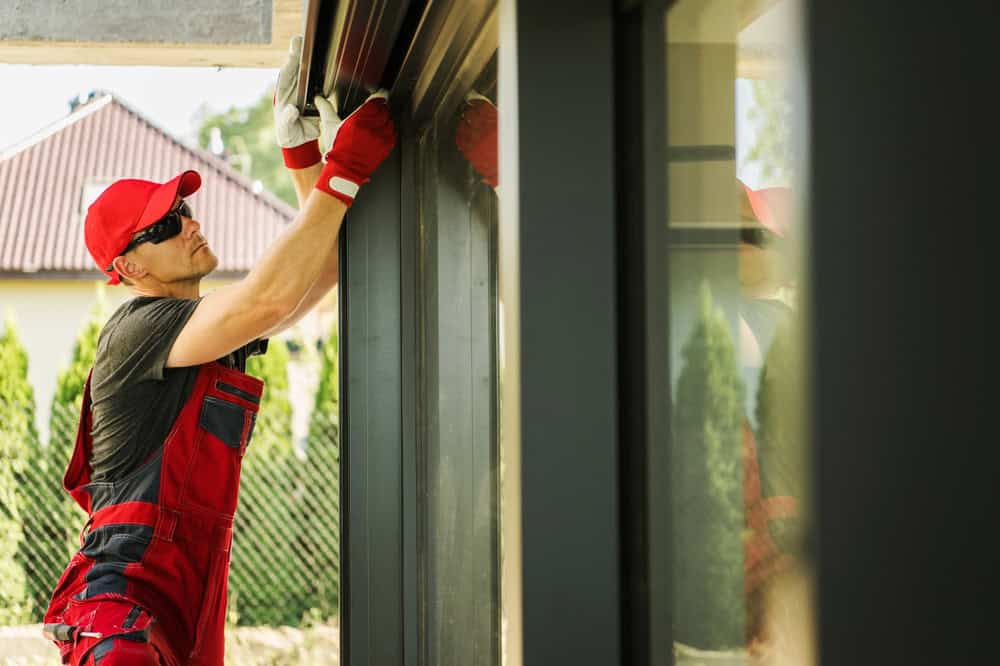
Hear from Our Customers
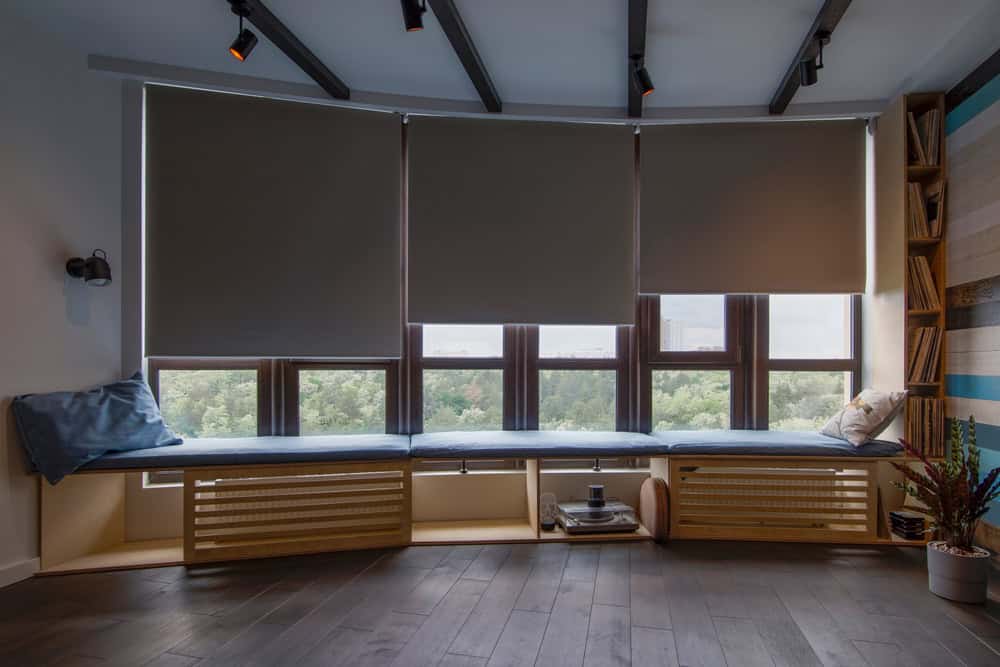
Your bedroom stays dark past sunrise. Your living room doesn’t turn into a greenhouse by 2 PM. And your AC isn’t fighting a losing battle against floor-to-ceiling windows that let in every degree of Texas heat.
That’s what changes when you install roller shades designed for this climate. You’re not just covering windows—you’re controlling how much heat enters your home before it ever reaches your thermostat. Blackout roller shades block 100% of incoming light, which matters if you work nights, have young kids, or just want your bedroom to feel like a bedroom when you’re trying to sleep.
The insulation layer helps year-round. In summer, it stops radiant heat at the glass. In winter, it keeps warm air from escaping. The result is a more stable indoor temperature and an HVAC system that doesn’t have to work as hard. Most homeowners in North Texas see a noticeable drop in their utility bills within the first cooling season.
A Plus Shutters & Shades is part of A Plus Home Remodel, a company that’s been serving the Fort Worth area for more than 10 years. We’re not new to construction, installation, or what it takes to get window treatments right the first time.
We work in Westover Hills because we understand what homes here need. Large windows, high ceilings, and architectural details that require precise measurements and clean installs. You’re not getting a one-size-fits-all product shipped to your door—you’re getting roller shades built to your exact specs and installed by people who’ve done this hundreds of times.
We’re local, we’re accredited by the Better Business Bureau with an A+ rating, and we don’t disappear after the install. If something needs adjusting, we handle it.
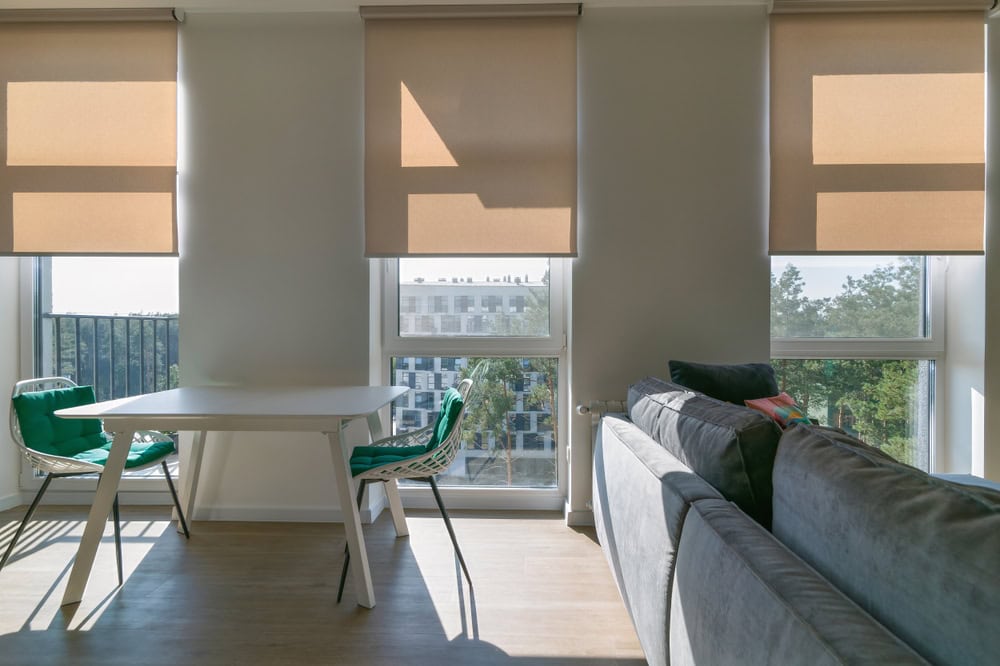
First, we come to your home in Westover Hills and take measurements. Not estimates—actual measurements of every window you want covered. We’ll talk through what you’re trying to solve: heat control, blackout darkness, privacy, or all three.
Then we walk you through material options. Blackout fabrics, light-filtering fabrics, cordless or motorized operation, and colors that match your interior. Everything is customizable, and we’ll tell you what works best based on window size, room use, and your budget.
Once you approve the design, we build your roller shade blinds to spec. When they’re ready, we come back and install them. The process is clean, quick, and precise. We mount them inside or outside the window frame depending on what you prefer, test the operation, and make sure everything moves smoothly.
You’ll know how to use them, how to clean them, and how to reach us if anything ever needs attention. That’s it—no guessing, no generic instructions, no waiting weeks for a callback.
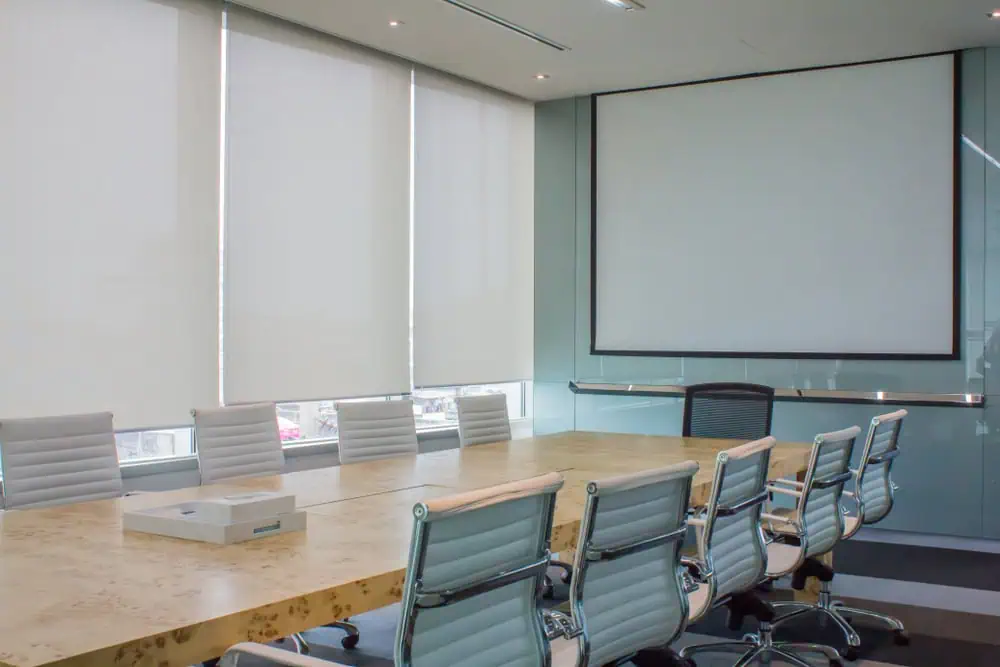
Ready to get started?
Every roller shade we install is built specifically for your windows. That means exact width, exact length, and the right mounting hardware for your wall or window frame. You’re not trimming anything yourself or dealing with gaps that let light bleed through.
Blackout roller shades use high-opacity fabric that blocks 100% of light when fully lowered. If you want total darkness, that’s what you get. If you’d rather filter light without eliminating it, we have fabrics for that too. Cordless options keep things clean and safe, especially if you have kids. Motorized roller shades let you control everything from a remote or your phone—helpful when you have high windows or want to integrate with a smart home system.
In Westover Hills, where summer heat is relentless and homes have large, sun-facing windows, the thermal insulation layer makes a real difference. These aren’t decorative—they’re functional. The fabric stops heat before it enters the room, which takes pressure off your air conditioning and keeps your energy bills from spiking every June. And because we’re local, we know which materials hold up in this climate and which ones don’t.

Yes, if they’re installed correctly and made from true blackout fabric. The fabric itself blocks 100% of light, but you’ll still get some light leakage around the edges if the shade doesn’t fit tightly or if it’s mounted outside the window frame with gaps on the sides.
That’s why we take precise measurements and talk through mounting options before we build anything. If your goal is total darkness—like for shift work or a nursery—we’ll recommend an inside mount with side channels or a fabric width that overlaps the frame. If you just want significant light reduction but not complete blackout, a standard install works fine.
The difference between a blackout roller shade and a “room darkening” shade matters too. Room darkening fabrics reduce light but don’t eliminate it. Blackout fabrics are made from denser, opaque materials specifically designed to block every bit of incoming sunlight. If you’ve tried blackout blinds for windows before and still had light coming through, it was probably a sizing or installation issue—not the fabric.
Motorized roller shades typically cost a few hundred dollars more per window than cordless versions, depending on the size and the type of motor you choose. The upcharge comes from the motor itself, the remote or smart home integration, and the installation complexity.
For most people, motorized options make the most sense on large windows, high windows, or if you’re covering multiple windows in one room and want to control them all at once. If you have a wall of windows in your living room, being able to lower all the shades with one button is worth the extra cost. Same goes for windows above stairs or in vaulted ceilings where you’d need a ladder every time you wanted to adjust a cordless shade.
Cordless roller shades are reliable, simple, and cost-effective. You pull them down, they stay. You pull again, they roll back up. No batteries, no connectivity issues, and nothing to program. If you’re covering standard bedroom or kitchen windows and you don’t mind adjusting them manually, cordless is usually the better value. We’ll walk you through both options during the consultation so you can decide what fits your budget and how you actually use your windows.
Yes, especially if you have large windows that face south or west. Roller shades with a thermal backing or blackout fabric create an insulating barrier between the glass and your room. That stops radiant heat from the sun before it warms up your floors, furniture, and air.
In North Texas, where summer temperatures regularly hit the mid-90s and your AC runs for months straight, even a few degrees of difference adds up. When your windows aren’t letting heat pour in all afternoon, your HVAC system doesn’t have to work as hard to maintain the temperature you set. Most homeowners notice the change within the first billing cycle after installation.
The savings depend on how many windows you cover, how much sun exposure they get, and what you’re replacing. If you currently have thin curtains or nothing at all, the improvement will be significant. If you already have cellular shades or heavy drapes, the difference will be smaller but still noticeable. Roller blinds for windows aren’t magic, but they’re one of the most cost-effective ways to improve your home’s energy efficiency without replacing windows or adding insulation. And unlike those projects, you’ll actually see and feel the difference immediately.
For most homes, installation takes a few hours depending on how many windows we’re covering. A single window might take 20 to 30 minutes. A whole room with four or five windows usually takes about two hours. If we’re installing motorized roller shades, it takes a bit longer because we’re also setting up the controls and making sure everything syncs properly.
The process itself is straightforward. We mount the brackets, install the roller shade, check that it raises and lowers smoothly, and make any minor adjustments on the spot. We don’t need to move furniture or make a mess—we bring everything we need, clean up when we’re done, and test every shade before we leave.
The longer part is usually the time between your consultation and installation day. That’s when we’re building your custom roller shade blinds to your exact measurements. Depending on our schedule and the complexity of your order, that can take anywhere from one to three weeks. We’ll give you a timeline upfront so you know what to expect. Once we show up to install, though, it’s quick and clean.
Absolutely. Roller shades come in a wide range of fabrics, textures, and colors. You’re not limited to white or beige—we have options that work with modern, traditional, minimalist, and everything in between.
If you want a clean, contemporary look, we have smooth fabrics in neutral tones that disappear into the room when raised. If you prefer something with more texture or warmth, we have woven materials and earth tones. Blackout fabrics are available in multiple colors too, so you don’t have to sacrifice style for function.
During the consultation, we’ll bring samples so you can see how different fabrics look in your actual lighting. That matters more than you’d think—a fabric that looks great in a showroom might look completely different in your living room depending on how much natural light you get. We’ll also talk through whether you want the shades to blend in or stand out, and whether you want a cassette headbox that hides the roll or an open roll for a more industrial look. The goal is to give you blackout blinds for windows or light-filtering roller shades that actually fit your space, not just cover it.
Practically speaking, there’s no difference—people use the terms interchangeably. Both refer to a piece of fabric that rolls up and down on a tube mounted above your window. Some people call them roller shades, some call them roller blinds, and some call them window shades. They’re all the same product.
The confusion usually comes from the difference between soft and hard window coverings. Blinds traditionally refer to hard treatments with slats, like wood blinds or aluminum mini blinds. Shades refer to soft fabric treatments, like roller shades or cellular shades. But in everyday conversation, most people just say “blinds” for everything.
What actually matters is the fabric, the operation, and how it’s installed. Whether you call it a roller shade or a roller blind window covering doesn’t change how it performs. When you’re comparing options, focus on whether it’s blackout or light-filtering, cordless or motorized, and whether it’s sized correctly for your windows. Those details make the difference in how well it works and how long it lasts. The name is just semantics.