
Hear from Our Customers
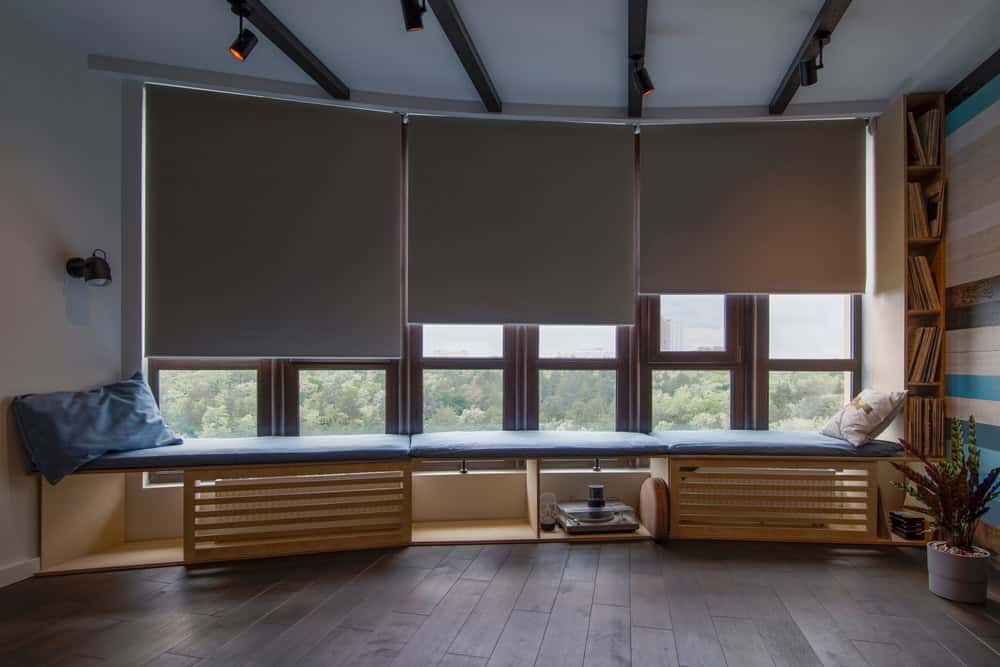
You’re dealing with Texas sun beating through your windows all afternoon. Your bedroom never gets dark enough for decent sleep. Your energy bills spike every summer because the AC can’t keep up.
Blackout roller shades fix that. Complete darkness when you need it. Light filtering when you don’t. And real insulation against the heat that turns your house into an oven by 2 PM.
The right roller blinds for windows aren’t just about blocking light. They’re about controlling your environment so you’re not constantly adjusting, constantly uncomfortable, constantly paying more than you should. When they’re measured right and installed level, they work. When they’re not, you get light leaks, uneven operation, and a product that doesn’t deliver what you paid for.
We measure in three places with a steel tape because even an eighth of an inch creates gaps. We mount them level because that’s the only way the mechanism works long-term. And we show you fabric samples in your actual space so you know exactly what you’re getting before we build anything.
We’re not a franchise selling you whatever’s in the catalog. We’re a branch of A Plus Home Remodel with over ten years transforming homes across Arlington, Fort Worth, and Westworth Village.
That construction background matters because roller shade installation isn’t just about hanging fabric. It’s about understanding how your windows are framed, how your walls are built, and what’s going to hold up in a home where temperatures swing forty degrees between seasons. Westworth Village has a higher percentage of military families and work-from-home professionals than most Texas communities, which means you need window treatments that perform during the day, not just at night.
We’re local. We’re here when you call. And we don’t leave until it’s right.
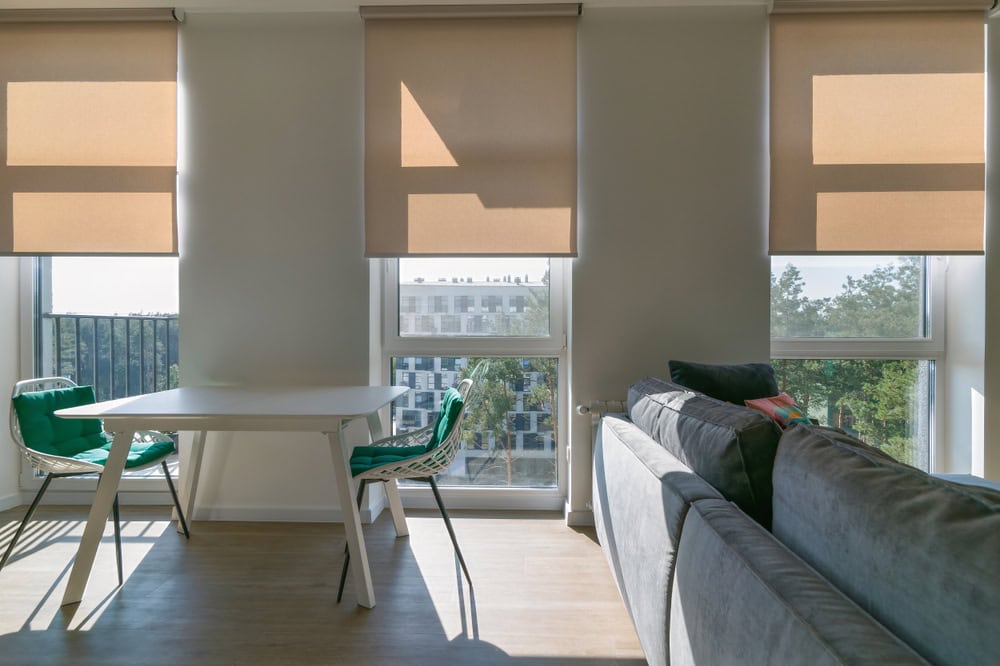
We start with a free consultation at your home. You show us the windows. We measure them in three places to catch any irregularities in the frame. We bring fabric samples so you can see how blackout blinds for windows look in your actual light, not under fluorescent bulbs in a showroom.
Then we talk through your options. Corded, cordless, or motorized. Light-filtering or complete blackout. Inside mount or outside. If you’ve got kids or pets, we walk through the child safety standards that went into effect in 2024 and why motorized interior roller shades eliminate the cord strangulation risk entirely.
Once you choose, we build your roller shade blinds custom. No stock sizes. No “close enough.” When we come back to install, we’re mounting them level with the right hardware for your wall type. We test the operation before we leave. And if you went motorized, we sync it with your system and show you how it works.
You’re not guessing whether it’ll fit. You’re not dealing with light gaps. You’re getting exactly what we showed you, installed the way it’s supposed to be.
Ready to get started?
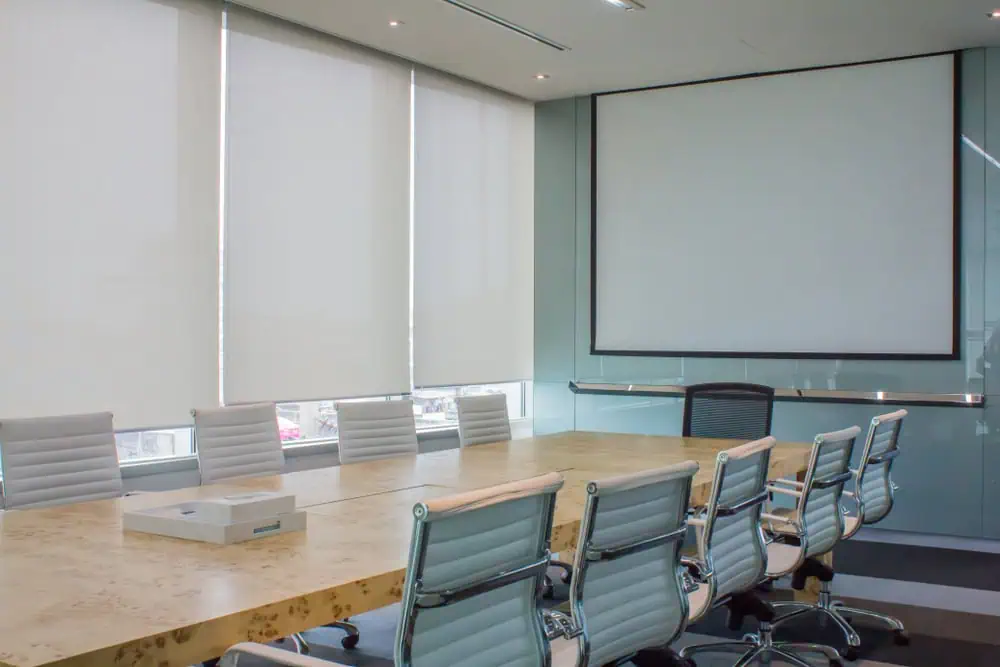
Every roller shade we install is built for your exact window dimensions. That means no halo light around the edges, no gaps where the fabric doesn’t reach, and no guessing whether the blackout window blind you ordered will actually block the sun.
You choose from light-filtering fabrics if you want a soft glow, or full blackout materials if you need complete darkness for sleep or shift work. Motorized options are available if you want smart home integration or you’re just tired of adjusting blinds twice a day. And because Westworth Village sees brutal summer heat, we focus on fabrics that reflect solar energy, not just block light.
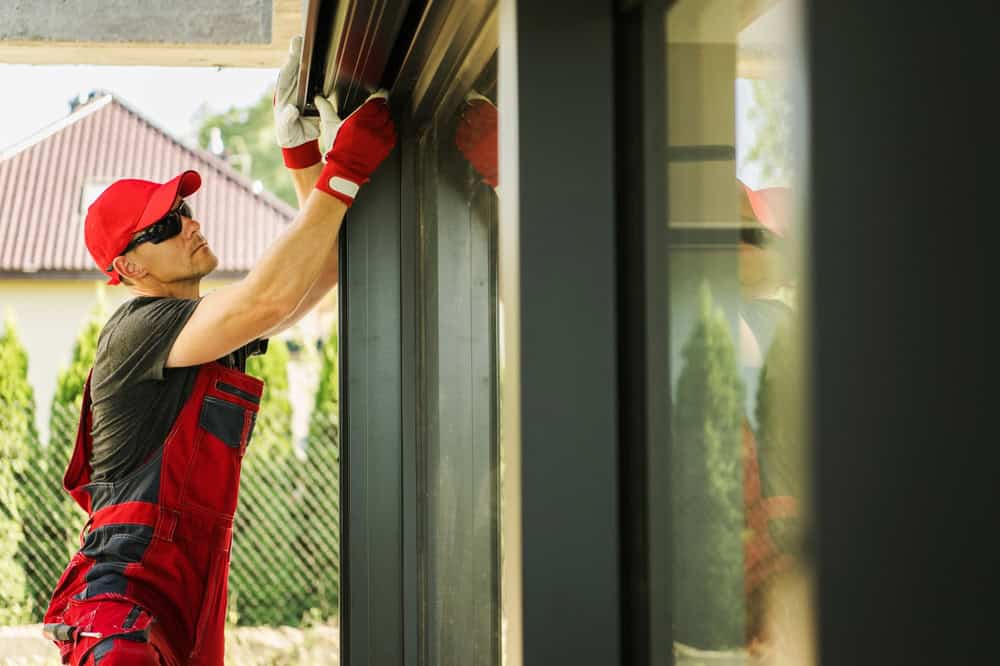
The installation includes mounting hardware rated for your wall type, whether that’s drywall, brick, or metal studs. We’re leveling with precision tools because even a half-degree off causes the roller blind window mechanism to bind over time. If you’re replacing old blinds, we patch and touch up the previous mounting holes so you’re not left with visible damage.
You also get a walkthrough on care and operation. Blackout roller shades last years if you treat them right, but they’ll fail fast if you force a jammed mechanism or clean them with the wrong products. We make sure you know what you’re working with before we leave.

Blackout roller shades block 99% of light. You’re using them in bedrooms, nurseries, or home offices where you need total darkness or you’re trying to eliminate screen glare. The fabric is thicker, often with a coating or layer that stops light from passing through.
Light-filtering roller blinds for windows let some light through while still giving you privacy. You get a soft glow instead of harsh sun, and you can still see outside without people seeing in. They’re better for living rooms, kitchens, or any space where you want natural light without the heat and UV damage that comes with it.
If you’re in Westworth Village dealing with west-facing windows, blackout is usually the move. That afternoon sun will cook your furniture and make the room unusable without serious window coverage. Light-filtering works for north or east-facing windows where you’re not getting blasted all day.
Motorized blinds save energy, but not because they’re motorized. They save energy because you’ll actually use them. When adjusting your dark out blinds means walking to every window twice a day, most people just leave them open or closed and deal with it. When it’s a button press or automated on a schedule, you’re blocking heat when it matters and letting light in when it doesn’t.
The Department of Energy estimates that proper window treatment use can cut heat gain by up to 77% in summer and reduce heat loss in winter. But that only works if you’re opening and closing them at the right times. Motorized interior roller shades let you program that, so your home is blocking sun during peak heat and letting warmth in during cooler mornings.
In Texas, where your AC runs six months straight, that difference is real. You’re looking at 10-15% energy savings if you’re strategic about it, which pays for the upgrade in a few years.
You know they’ll fit because we measure three times before we build anything. We’re checking the width at the top, middle, and bottom of your window frame because most frames aren’t perfectly square. If there’s even a quarter-inch difference, we’re building to the smallest measurement for an inside mount, or we’re going outside mount to cover the whole frame.
The biggest mistake people make with blackout blinds for windows is measuring once and assuming it’s accurate. Then they order stock sizes online, and they get a shade that’s too wide, too narrow, or leaves gaps that leak light. Even an eighth of an inch off means you’re getting a halo effect around the edges that defeats the whole point of blackout fabric.
We also check the depth of your window frame to make sure an inside mount will clear any handles, locks, or cranks. If it won’t, we’re mounting outside the frame with brackets that sit flush against the wall. You’re not guessing. We’re showing you exactly how it’ll look before we build it.
Yes. Cordless and motorized roller shade blinds eliminate the free-hanging cords that caused an average of nine child strangulation deaths per year before new safety standards took effect in 2024. If you’ve got young kids or pets in the house, corded blinds are a risk you don’t need to take.
Cordless roller blinds use a spring mechanism or a continuous loop system where the cord is enclosed and tensioned. You pull the bottom rail to raise or lower the shade, and there’s nothing dangling that a child or pet can get tangled in. Motorized options remove the manual operation entirely, so there are zero cords anywhere in the system.
The new WCMA and ANSI standards require that all window coverings meet strict safety guidelines, but motorized interior roller shades go beyond that by removing the hazard completely. If you’re in Westworth Village with a family, it’s worth the upgrade for the peace of mind alone.
Custom roller shades last 10-15 years if they’re installed correctly and you’re not abusing them. Store-bought roller blinds for windows might give you 3-5 years before the fabric fades, the mechanism jams, or the mounting brackets fail.
The difference is in the materials and the installation. Custom blackout roller shades use heavier fabrics with better UV resistance and commercial-grade roller mechanisms that won’t strip out after a year of use. Store-bought options use lighter materials and plastic components that wear out fast, especially in Texas heat where your windows are under constant sun exposure.
Installation matters just as much. If your roller shade isn’t mounted level, the fabric will bunch on one side and wear unevenly. If the brackets aren’t secured into studs or anchored properly, they’ll pull out of the wall. We’re installing with the right hardware for your wall type and making sure everything operates smoothly before we leave, so you’re not dealing with repairs or replacements in two years.
No. Blackout means blackout. If the fabric is blocking 99% of light, you’re not seeing through it. That’s the tradeoff for complete darkness and maximum energy efficiency.
If you want visibility and light control, you’re looking at light-filtering roller shades or a dual shade system where you have a sheer layer and a blackout layer on the same window. The sheer layer gives you daytime privacy and a view out, and the blackout window blind drops down when you need total darkness.
Some people in Westworth Village go with light-filtering shades in living areas and blackout in bedrooms. That way you’re not living in a cave during the day, but you’ve got the option for complete darkness where it matters. We walk through those options during the consultation so you’re choosing the right product for each window, not just defaulting to one type for the whole house.