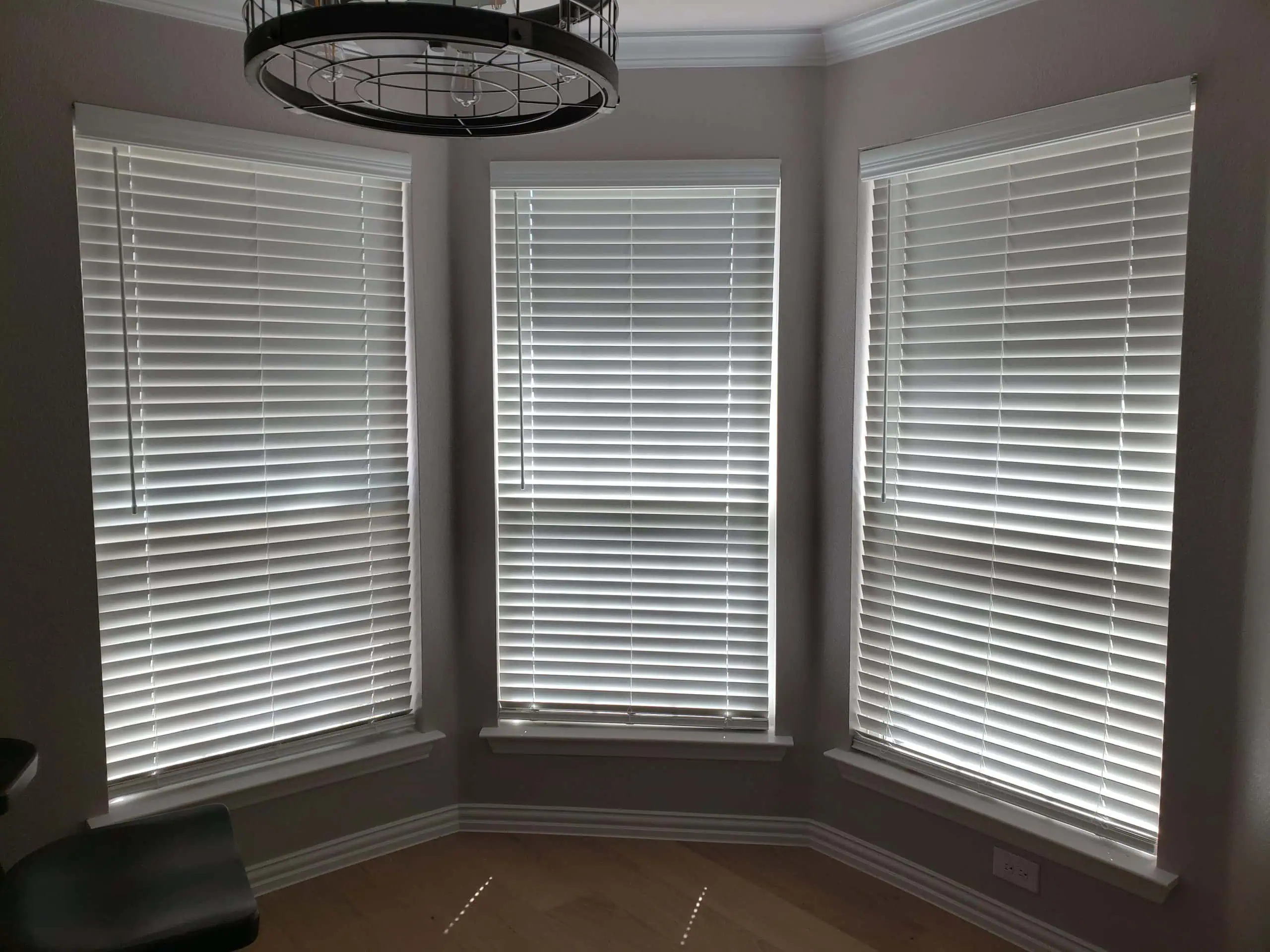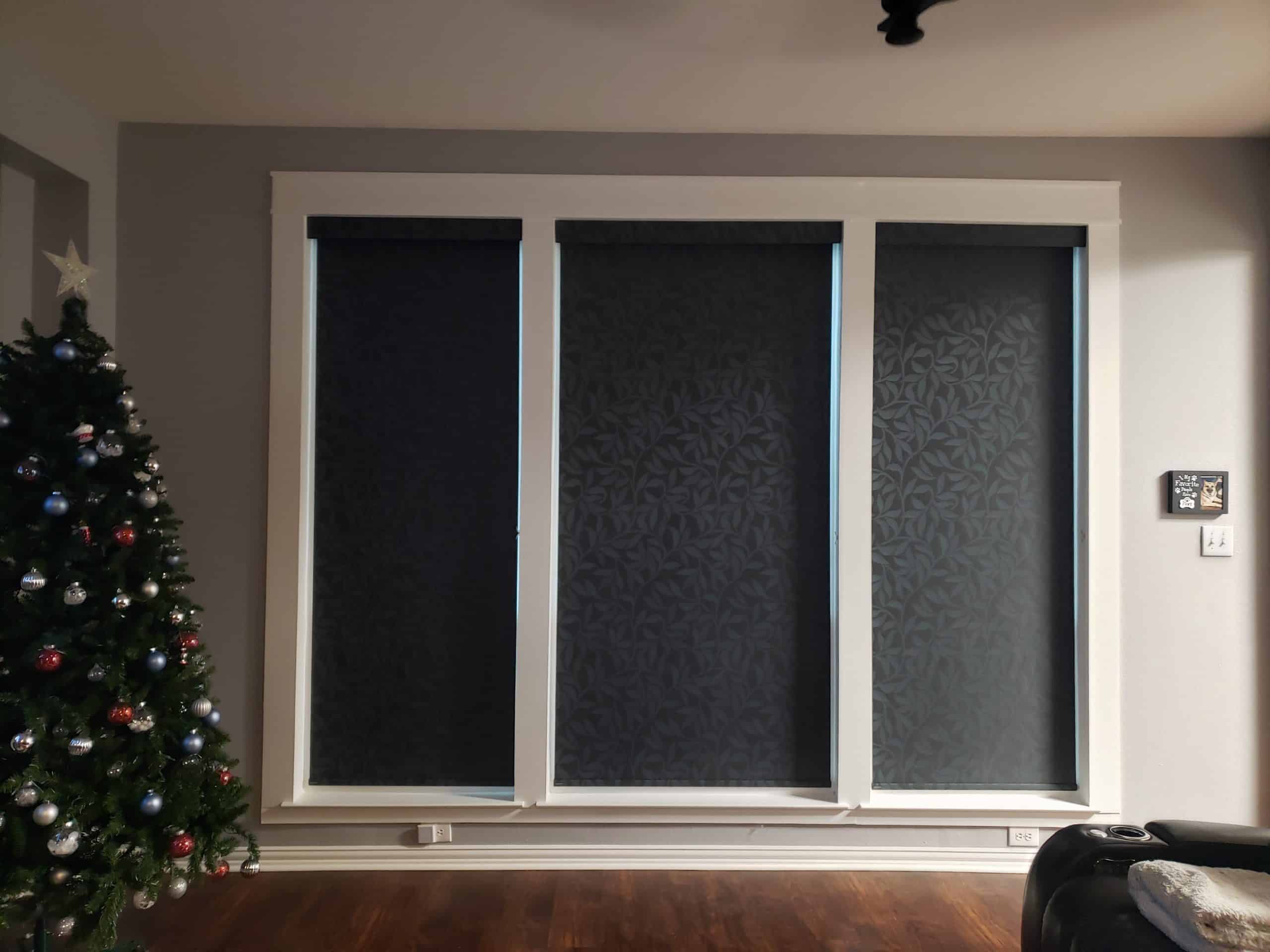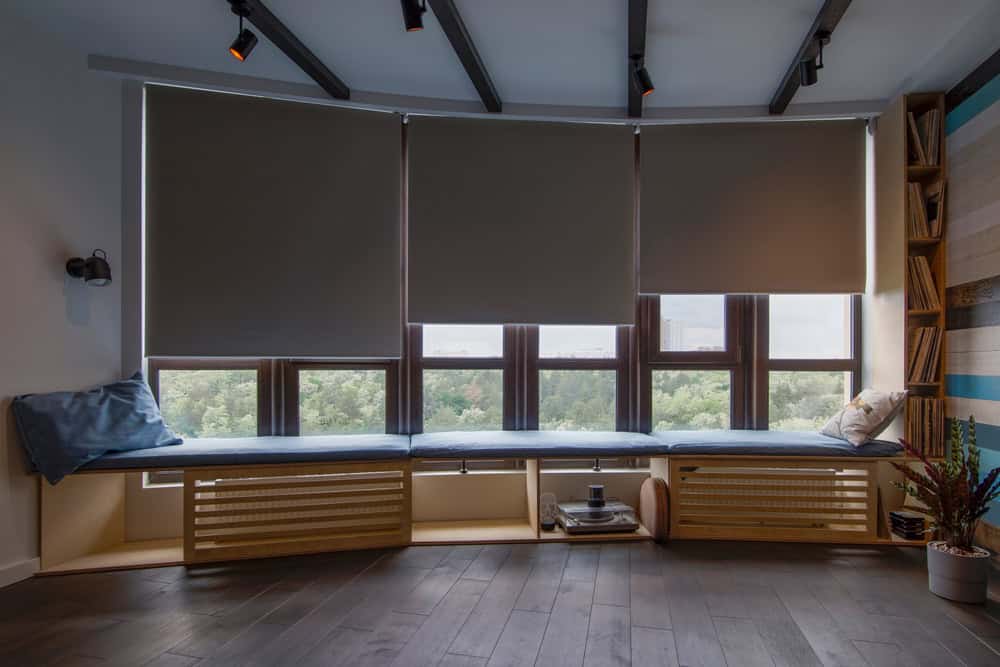
Modern window blinds in 2026 blend smart automation, sustainable materials, and warm neutral tones to create energy-efficient, stylish homes across Tarrant County.
Share:
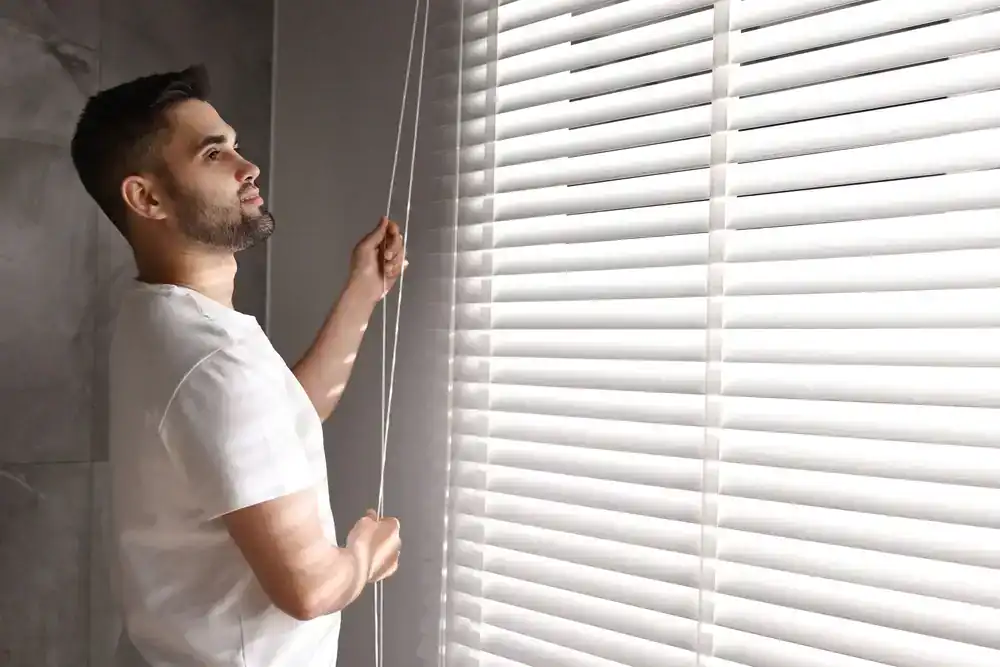
Modern window blinds aren’t about following trends for the sake of it. They’re about solving problems you deal with every single day.
The blinds earning attention in 2026 do three things really well: they simplify your routine, they save you money on energy costs, and they look like they belong in a home that’s been thoughtfully designed. That means cordless or motorized operation, materials that actually insulate your windows, and finishes that feel current without being overly trendy. If your blinds require a ladder to operate or leave gaps that let in heat, you’re working harder than you need to.
What separates 2026’s best window blinds from what came before is the integration of smart technology, improved safety features, and a shift toward natural, warm aesthetics. You’re no longer choosing between function and style—you get both.

Motorized blinds have moved from luxury upgrade to practical necessity. If you’ve got windows that are hard to reach, or you’re tired of walking room to room adjusting blinds throughout the day, motorization makes sense.
Here’s how it works: a small motor sits inside the headrail of your blinds. You control it with a remote, wall switch, or smartphone app. Some systems integrate with Alexa, Google Home, or Apple HomeKit, so you can adjust your blinds with voice commands or set schedules that match your routine. Want your bedroom blinds to open gradually at sunrise? Done. Need to close everything when you leave for work? One tap handles it.
The real value shows up in daily convenience. No more climbing over furniture to reach high windows. No more forgetting to close blinds before the afternoon sun heats up your living room. And if you’ve got kids or pets, motorized blinds eliminate dangling cords entirely, which makes your home safer by default.
Battery-powered motors are the most common option. They’re wireless, easy to install, and the batteries last about a year with regular use. If you have windows that get a lot of sun, solar-powered options use that light to stay charged. For larger or heavier blinds, plug-in motors provide consistent power without battery changes.
Installation is straightforward. Most motorized blinds mount the same way traditional blinds do, with brackets attached to your window frame or wall. The difference is what happens after they’re up—you’ll wonder why you waited so long to automate.
Energy savings add up too. When your blinds automatically close during the hottest part of the day, your AC doesn’t have to work as hard. That can translate to real savings over time, especially in Tarrant County where summer heat is relentless. And because you can program your blinds to respond to temperature or sunlight, they’re working for you even when you’re not thinking about them.
Motorized blinds have moved from luxury upgrade to practical necessity. If you’ve got windows that are hard to reach, or you’re tired of walking room to room adjusting blinds throughout the day, motorization makes sense.
Here’s how it works: a small motor sits inside the headrail of your blinds. You control it with a remote, wall switch, or smartphone app. Some systems integrate with Alexa, Google Home, or Apple HomeKit, so you can adjust your blinds with voice commands or set schedules that match your routine. Want your bedroom blinds to open gradually at sunrise? Done. Need to close everything when you leave for work? One tap handles it.
The real value shows up in daily convenience. No more climbing over furniture to reach high windows. No more forgetting to close blinds before the afternoon sun heats up your living room. And if you’ve got kids or pets, motorized blinds eliminate dangling cords entirely, which makes your home safer by default.
Battery-powered motors are the most common option. They’re wireless, easy to install, and the batteries last about a year with regular use. If you have windows that get a lot of sun, solar-powered options use that light to stay charged. For larger or heavier blinds, plug-in motors provide consistent power without battery changes.
Installation is straightforward. Most motorized blinds mount the same way traditional blinds do, with brackets attached to your window frame or wall. The difference is what happens after they’re up—you’ll wonder why you waited so long to automate.
Energy savings add up too. When your blinds automatically close during the hottest part of the day, your AC doesn’t have to work as hard. That can translate to real savings over time, especially in Tarrant County where summer heat is relentless. And because you can program your blinds to respond to temperature or sunlight, they’re working for you even when you’re not thinking about them.
The material you choose for your blinds affects everything—how they look, how they perform, and how long they last. In 2026, the focus is on materials that offer insulation, durability, and a natural aesthetic.
Faux wood blinds are still a top choice for Tarrant County homes. They look like real wood but handle moisture and heat better, which matters when you’re dealing with Texas humidity and sun exposure. Cellular shades, also called honeycomb shades, are the go-to for energy efficiency because their structure traps air and provides insulation. And if you want texture and warmth, woven wood shades made from bamboo or natural grasses are having a major moment.
The style you pick should match how you use the room and what you need from your windows. Let’s break down what’s working right now.
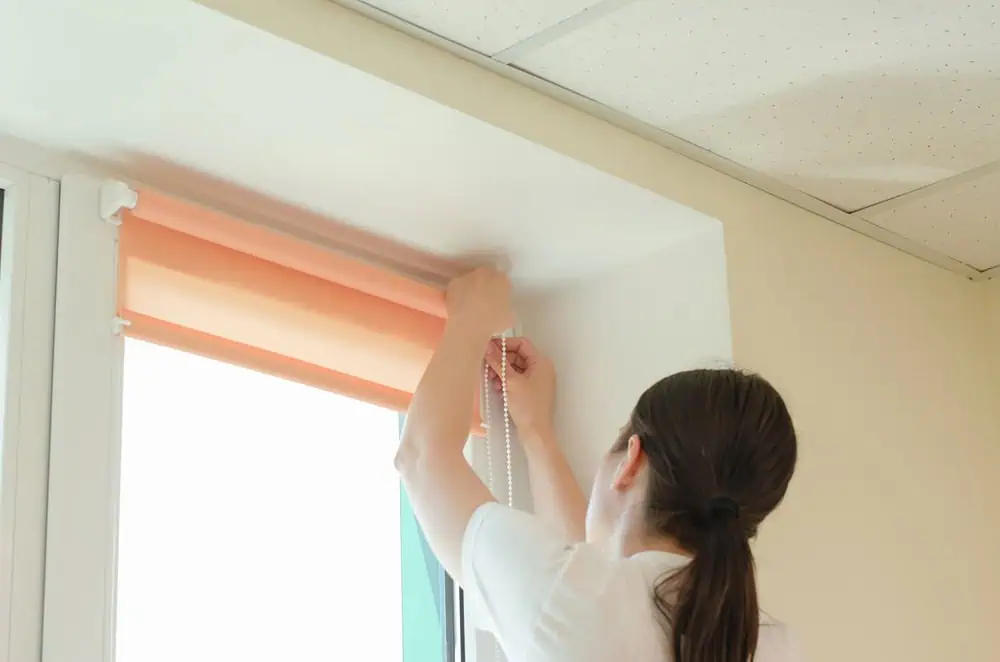
Cellular shades are the most energy-efficient window blinds you can install. Their honeycomb design creates pockets of air that act as insulation, reducing heat transfer through your windows. In practical terms, that means your home stays cooler in summer and warmer in winter, and your HVAC system doesn’t have to work as hard.
For a typical 2,000-square-foot home in Tarrant County with 15 to 20 windows, homeowners report energy savings between $180 and $420 per year. That’s not a small amount, and it adds up over the life of the blinds. The payback period on mid-range cellular shades is usually three to six years, faster if you factor in utility rebates that some energy companies offer.
The way cellular shades work is simple but effective. The cells trap air, creating a barrier between your window and your room. Single-cell shades provide good insulation, while double-cell shades offer even better performance. If you have windows that face west or get direct afternoon sun, double-cell shades are worth the investment.
Light control is another benefit. Cellular shades come in different opacities—sheer, light filtering, and blackout. Sheer lets in diffused light while still providing privacy. Light filtering softens sunlight and reduces glare. Blackout blocks light completely, which is ideal for bedrooms or media rooms. You can choose the opacity that fits each room’s needs.
Installation is straightforward. Cellular shades can be mounted inside the window frame for a clean, built-in look, or outside the frame for better light blocking and coverage. They’re available in cordless and motorized options, so you get the safety and convenience features that make modern blinds worth having.
Color options have expanded beyond basic white. Warm neutrals like sand, taupe, and soft gray are popular in 2026 because they blend with current design trends without feeling too stark. The fabric texture adds subtle visual interest without overwhelming your space.
One thing to keep in mind: cellular shades work best on standard rectangular windows. If you have arches, angles, or specialty shapes, you’ll need custom solutions. But for most homes, cellular shades are the smart choice when energy efficiency is a priority.
The color palette for window blinds in 2026 has shifted away from cool whites and grays toward warmer, more organic tones. Think oat, flax, sand, clay, and soft stone—colors that feel grounded and inviting rather than clinical. This change reflects a broader design trend toward creating spaces that feel human and comfortable, not sterile.
Warm neutrals work because they’re versatile. They pair well with wood tones, they don’t clash with existing furniture, and they create a cohesive look across your home without feeling too matchy. If you’re updating multiple rooms, choosing blinds in a warm neutral gives you consistency without locking you into a specific style.
Natural textures are just as important as color. Woven wood shades made from bamboo, jute, or grasses bring an organic feel that complements the neutral color trend. These materials add depth and movement to your windows without being loud or distracting. They work especially well in living rooms, dining areas, and spaces where you want a relaxed, natural vibe.
The texture trend extends to other blind styles too. Roller shades with linen-look fabrics, Roman shades with visible weaves, and even faux wood blinds with matte finishes are all leaning into that tactile, handcrafted aesthetic. It’s a move away from overly smooth, synthetic finishes toward materials that feel real and substantial.
Layering is another design strategy gaining traction. Homeowners are combining sheer shades with room-darkening draperies, or pairing woven wood shades with blackout roller shades for maximum flexibility. This gives you light control options throughout the day—diffused light when you want it, complete darkness when you need it—without sacrificing style.
For Tarrant County homes, natural textures and warm tones make sense. They soften the intensity of Texas sunlight, they age well, and they don’t go out of style as quickly as trendy colors. If you’re investing in new blinds, choosing materials and colors that feel timeless is the smarter move.
Installation tip: if you’re going with woven wood shades, make sure they’re treated or lined if you’re putting them in high-sun areas. The natural materials can fade over time with constant UV exposure. A liner protects the material and adds an extra layer of insulation, which helps with energy efficiency.
Hardware matters too. Brushed gold and matte black finishes are popular for brackets and controls because they add a subtle design detail without drawing too much attention. If your home has black window frames, black hardware creates a cohesive look. For warmer interiors, brushed gold or bronze complements wood tones and neutral fabrics.
Modern window blinds in 2026 give you more control, better energy efficiency, and a cleaner aesthetic than what you’ve been living with. Whether you go with motorized systems for convenience, cordless designs for safety, or cellular shades for insulation, you’re making a choice that improves your daily routine and your home’s value.
The trends that matter aren’t about chasing what’s new—they’re about solving real problems. Tarrant County homeowners deal with intense sun, high energy bills, and the need for window treatments that actually work with how they live. The blinds that are earning attention in 2026 deliver on all of that.
If you’re ready to update your windows with blinds that make sense for modern homes, we can help you find the right fit. We bring local expertise, quality materials, and professional installation to every project across Tarrant County.
Article details:
Share:
Continue learning: