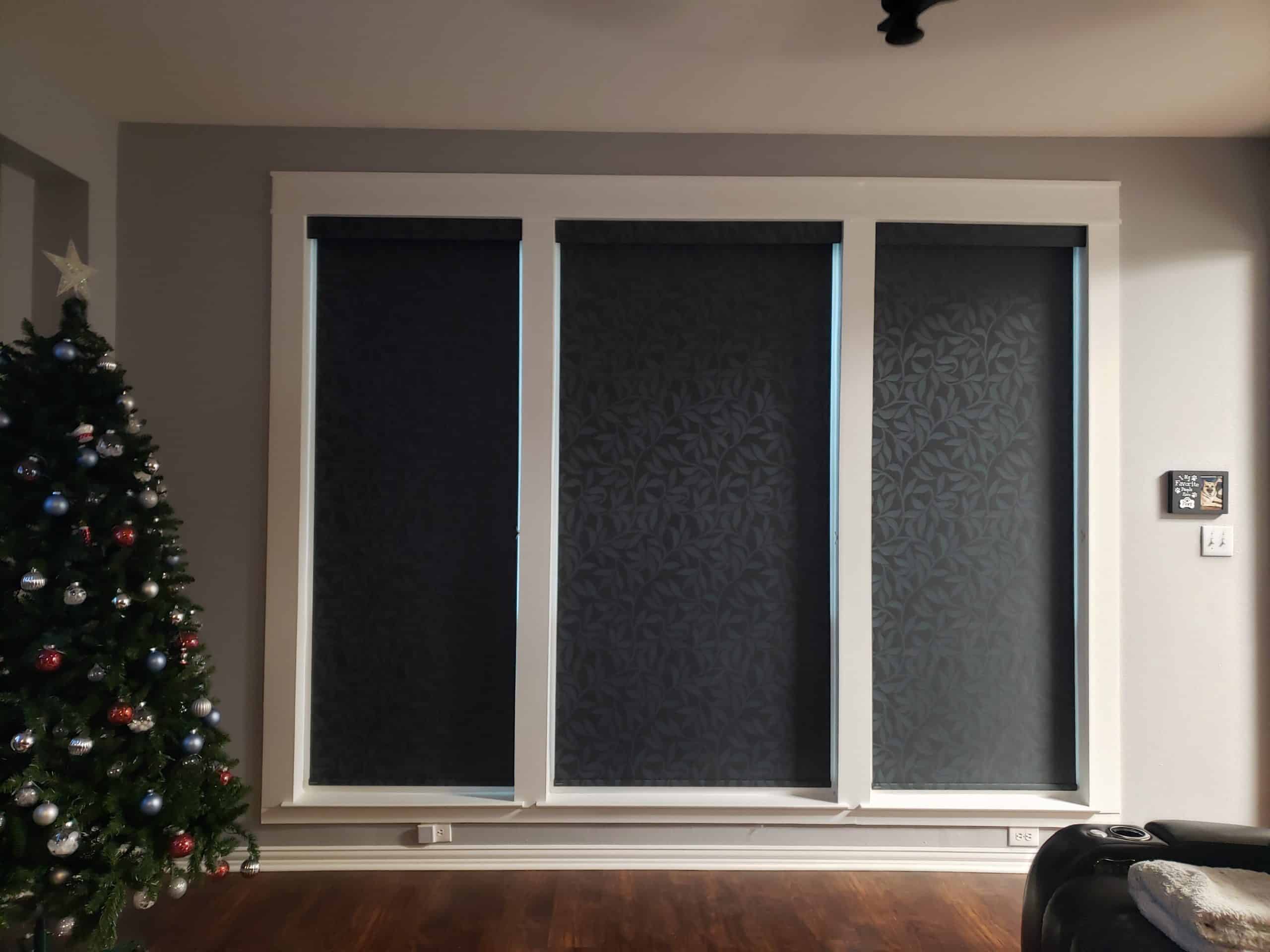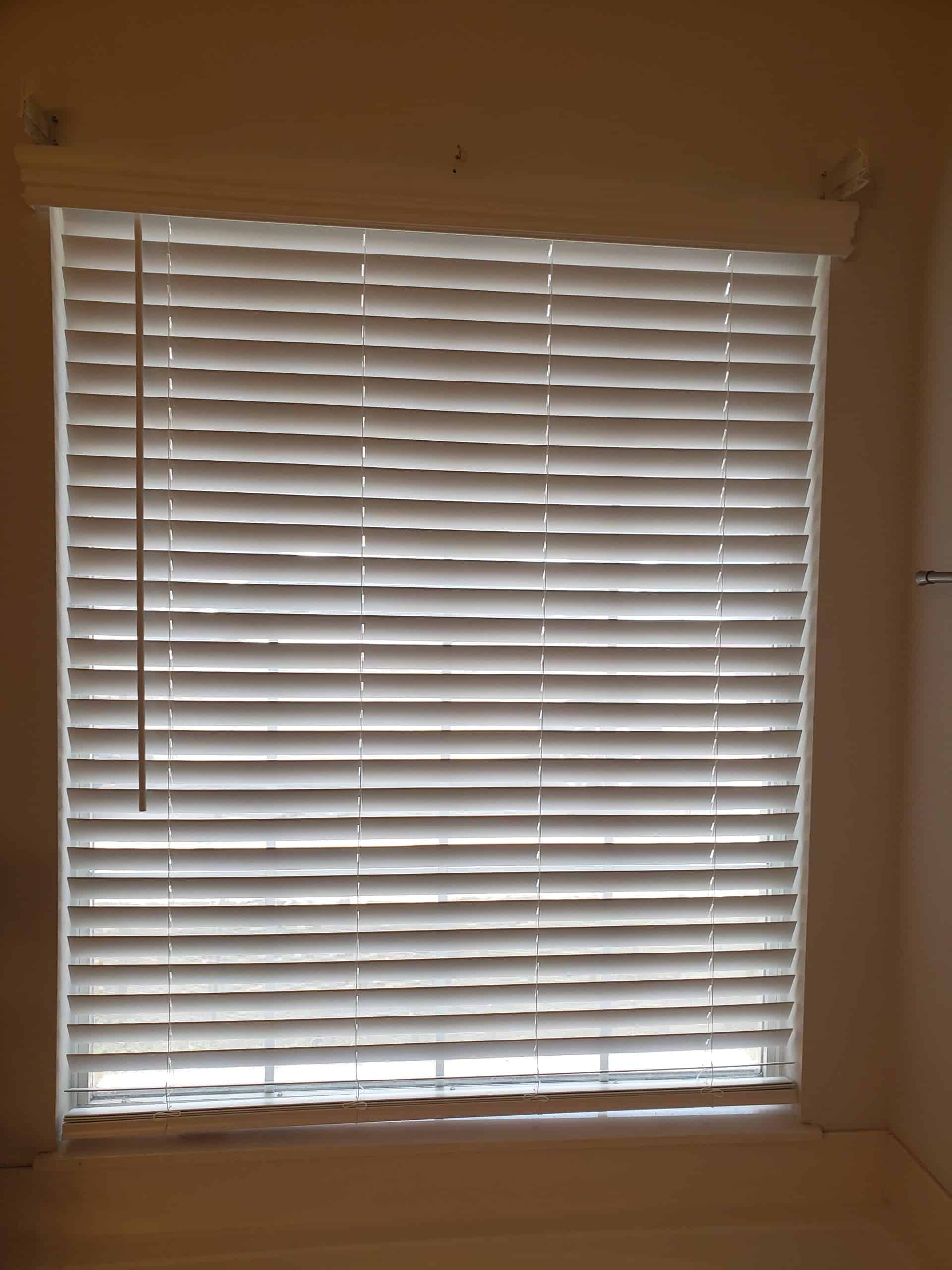
Bamboo blinds look beautiful, but Texas heat is brutal. Here's what separates a shade that lasts from one that doesn't — and what to ask before you buy.
Share:
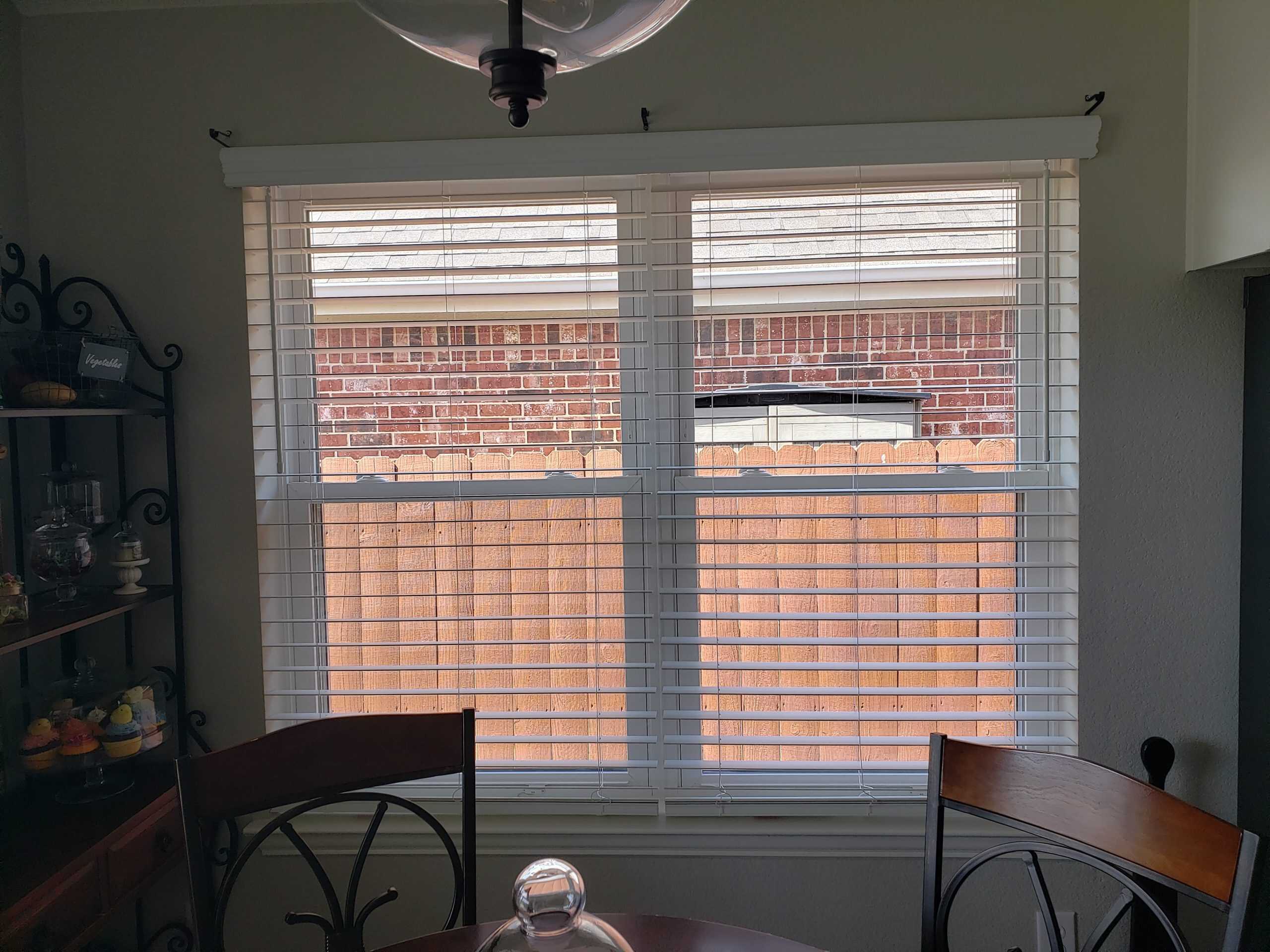
You’ve seen them in a model home or a design magazine, and something clicked. The texture, the warmth, the way light filters through them — bamboo blinds do something that roller shades and faux wood just don’t. But then the practical side of your brain kicked in. You live in Tarrant County. It gets brutally hot here. The sun hammers west-facing windows from early afternoon until sunset, and you’ve already replaced one set of blinds that didn’t hold up. So before you commit, you want to know: will bamboo actually work in a Texas home, or is it better suited for somewhere with a more forgiving climate? That’s exactly what we’re going to walk through.
When most people search for wood blinds for windows, they’re picturing the classic horizontal slat — stained hardwood, clean lines, a traditional look. Bamboo and woven wood shades are a different animal. Instead of rigid slats, they’re made from natural fibers — bamboo reeds, grasses, jute, or a blend — woven together into a flexible panel that rolls up like a shade rather than tilting open like a blind.
The result is something that feels more organic and textured than a standard wood blind, with a softer quality of light filtration. In the warm neutral interiors that dominate new construction across Southlake, Mansfield, and North Richland Hills, that natural texture tends to land really well. It’s one of the reasons woven wood shades have become one of the fastest-growing window treatment categories — not just nationally, but specifically in markets like Tarrant County where the “Texas modern” aesthetic is everywhere right now.

This is the question that stops most Tarrant County buyers in their tracks, and it’s a fair one. The honest answer is: it depends entirely on the quality of what you’re buying and how it’s installed.
Cheap, untreated bamboo — the kind you’ll find flat-packed at a big box store — does fade, and it can become brittle over time when exposed to intense UV without any protective treatment. The natural plant fibers break down under sustained UV exposure the same way any organic material does. In Tarrant County, where summer UV intensity is among the highest in the continental U.S., that’s not a theoretical concern. It’s what actually happens.
Quality custom bamboo shades are a different story. The reeds and fibers used in a properly constructed woven wood shade are treated to resist UV degradation. The cords and stitching are UV-resistant. The headrail — the mechanism at the top that the whole shade hangs from — is built to a higher standard than what you get in a mass-market product. Modern quality bamboo blinds block over 80% of harmful UV rays, which means they’re not just surviving the sun, they’re actively protecting your floors, furniture, and artwork from it.
There’s also the installation factor, which most people don’t think about until it’s too late. A shade that’s improperly mounted — even slightly off-level, or with gaps at the sides from an inaccurate measurement — exposes more surface area to direct UV than it should. Those gaps also let in the heat you were trying to block. Our team comes from a decade of construction work, which means we understand how windows are framed, what the wall material is doing, and how to mount a shade so it sits flush and performs the way it’s supposed to. That precision matters more in a Texas climate than it would in a milder one.
The short version: bamboo blinds can absolutely hold up in Tarrant County — but only if you’re buying a quality product and having it installed correctly. The ones that fail are almost always the ones that started with a compromise.
Here’s something most sellers don’t tell you upfront: unlined woven wood shades are light-filtering by nature, not blackout. During the day, they diffuse sunlight beautifully. At night, with your interior lights on, they show silhouettes. If your neighbors are close — which is the reality in most Tarrant County subdivisions — that’s a real limitation for bedrooms, bathrooms, or any room where you want actual privacy after dark.
This isn’t a reason to write off bamboo shades. It’s a reason to understand your liner options before you order.
A light-filtering liner sits behind the woven panel and reduces glare while maintaining that natural look you’re after. It won’t give you full blackout, but it significantly reduces the silhouette effect and adds a meaningful layer of heat and UV protection — which matters on west-facing windows in Arlington, Fort Worth, and across Tarrant County where afternoon sun is relentless from about 2 PM onward. A blackout liner takes it further, delivering near-complete darkness for bedrooms where you genuinely need it, while still letting you keep the bamboo texture on the room-facing side.
The liner conversation is one of the most important ones to have before you finalize your order, and it’s something we walk through in every in-home consultation. We bring actual samples — not website photos, not swatches mailed in an envelope — so you can hold the material up to your window in your home’s actual lighting and see exactly what you’re getting. That’s how you avoid the situation where the shades arrive and you realize the light filtration isn’t what you expected.
One more thing worth knowing: bamboo’s natural moisture resistance makes it a better fit than solid wood blinds for kitchens, breakfast nooks, and sunrooms. The fibrous structure of bamboo allows it to expand and contract with humidity shifts without the cracking or warping that affects hardwood. In a climate that swings 40 degrees in a single day — which Tarrant County does regularly — that structural flexibility is a genuine advantage.
The word “custom” gets used loosely in this industry, so it’s worth being specific about what it actually means and why it matters for bamboo in particular.
Custom means the shade is cut to your exact window dimensions — not the closest standard size, not “close enough.” In Tarrant County’s older housing stock, where window sizes from the 1980s and 1990s don’t always conform to modern standard measurements, that precision eliminates the light gaps and misaligned edges that make off-the-shelf blinds look cheap even when they’re new. It also means you’re choosing your material, your weave pattern, your liner option, your control mechanism, and your mounting style — inside mount or outside mount — rather than accepting whatever the box comes with.
The difference in longevity is significant. A quality custom bamboo shade, properly installed, should give you years of reliable performance. A standard-size shade from a big box retailer, hung slightly off-level with gaps at the edges, starts degrading faster than it should from day one.

Bamboo shades are genuinely good at filtering heat and UV — especially with a liner — but it’s worth being honest about where they sit in the heat-management conversation relative to other options.
An unlined woven wood shade will reduce glare and block a meaningful portion of UV, but it won’t stop radiant heat the way a solar shade or cellular shade can. If you have a west-facing living room in Arlington, Fort Worth, or elsewhere in Tarrant County that gets hammered from 2 PM to sunset, an unlined bamboo shade alone may not be enough. Add a light-filtering or blackout liner, and the performance improves substantially. Add motorization — and we’ll get to that in a moment — and you’ve turned a beautiful window treatment into an active heat-management tool.
Where bamboo really earns its place is in rooms where you want natural light during the day, a warm organic aesthetic, and enough UV protection to keep your floors and furniture from fading. Breakfast nooks, living rooms with east-facing windows, dining rooms, home offices — these are the rooms where woven wood shades tend to perform exactly as expected and look exactly as good as you hoped.
For rooms with severe afternoon sun exposure, we often recommend pairing bamboo shades with our exterior roller shades, which stop heat before it ever hits the glass. That combination — exterior solar protection plus interior bamboo texture — gives you the best of both. You get the heat management performance of a solar shade and the natural warmth of woven wood inside the room. It’s a combination that works particularly well in the open floor plans common in newer Tarrant County construction, where one large window or sliding glass door can affect the temperature of an entire living space.
Motorized bamboo shades are also worth considering if heat management is a priority. With PowerView motorization, you can program your shades to drop automatically at peak afternoon sun hours — say, 1:30 PM on west-facing windows — without having to think about it. That kind of automated heat management is something no manual shade can replicate, and it’s compatible with Alexa, Google Home, and Apple HomeKit if you’re already running a smart home setup.
A lot of people have never had custom window treatments installed by a professional before. They’re used to the big box experience — buy, bring home, struggle with the bracket, realize it’s slightly crooked, live with it. So it’s worth walking through what the process actually looks like when it’s done right.
It starts with a free in-home consultation. We come to you — to your home in Arlington, Fort Worth, Pantego, Mansfield, Southlake, or wherever you are in Tarrant County — with actual material samples. You get to see and feel the woven textures, hold them up to your windows, compare liner options side by side, and make decisions based on how things actually look in your space under your lighting. No guessing from a website photo. No surprises when the shades arrive.
From there, we take precise measurements. Not approximate, not “close to standard.” Exact dimensions for every window, accounting for the inside mount or outside mount approach that works best for your specific window framing. That measurement accuracy is what eliminates light gaps and ensures the shade operates smoothly from day one.
After fabrication — we feature Texas-made products, which also means faster turnaround than products shipped from out of state — we handle the installation. Our background in construction means we’re not just hanging a bracket. We’re mounting to the right substrate, at the right depth, level and flush, in a way that protects the shade’s structural integrity over time.
We also warranty the installation workmanship directly. If anything is off from our end, we come back and fix it at no charge. And if a product issue comes up down the road, we handle the manufacturer warranty process ourselves — you don’t have to navigate that on your own. For most homeowners, that kind of post-sale support is something they only realize they needed after they’ve dealt with a company that didn’t offer it.
The bottom line is this: custom bamboo blinds are a genuinely strong choice for Tarrant County homes — but only when you’re buying quality materials, speccing the right liner for your room and your privacy needs, and having them installed with the precision that makes them last.
The look is hard to replicate with anything synthetic. The durability, when the product is right, holds up to Texas summers better than most buyers expect. And the process, when it’s handled well, is a lot smoother than most people assume.
If you’re ready to see what custom woven wood shades would actually look like in your home — in your lighting, against your walls, on your specific windows — reach out to A Plus Shutters & Shades. We’ll bring the samples to you and give you straight answers about what will work and what won’t.
Article details:
Share:
Continue learning: