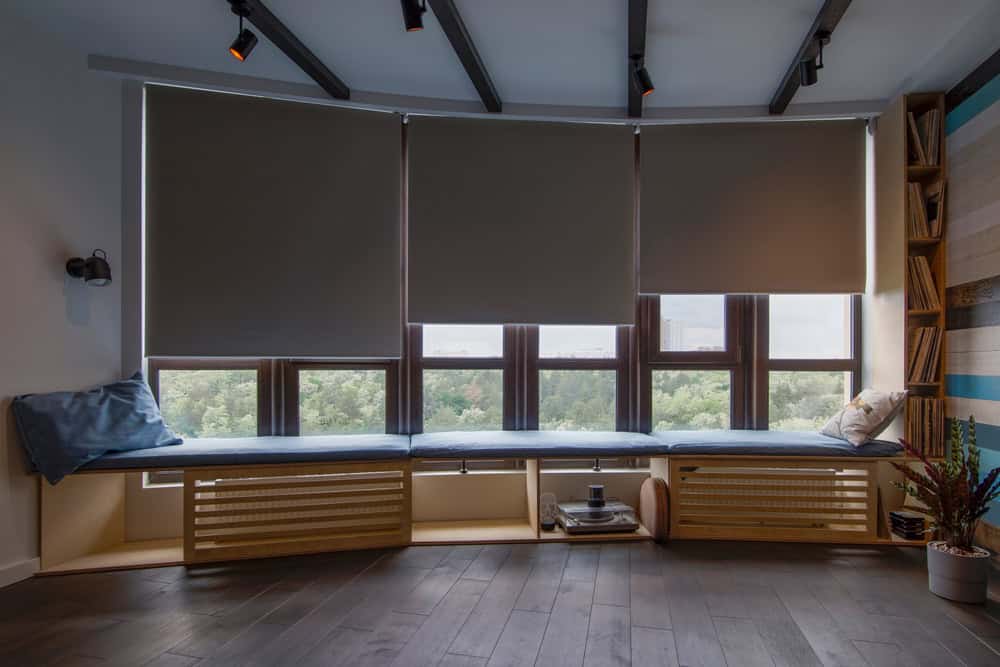
Not all window treatments block UV equally. Here's a straight comparison of what actually works in a Tarrant County home — and when each option makes sense.
Share:
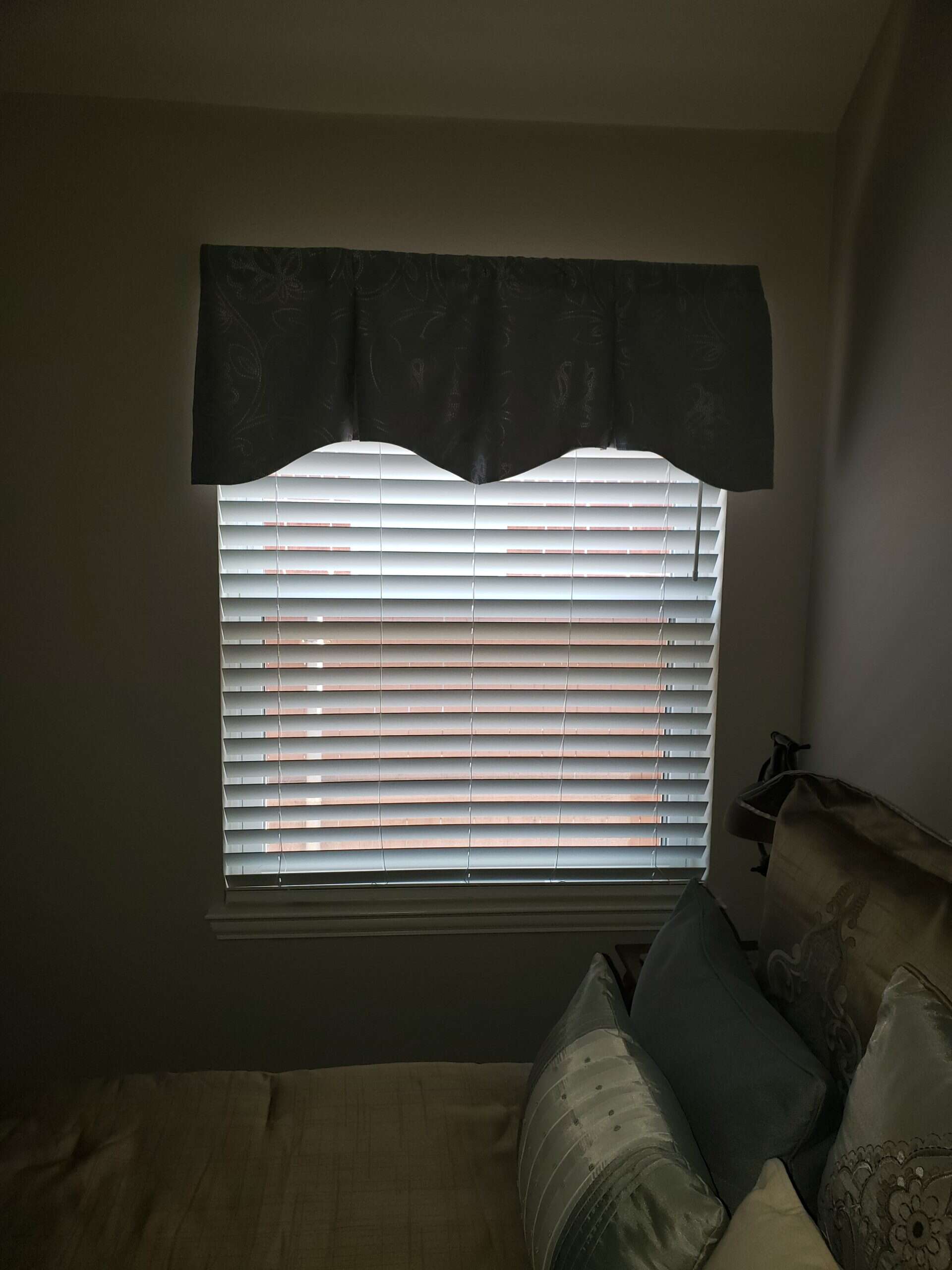
You’ve probably already been to a showroom or two. Maybe you left more confused than when you walked in, or with the nagging feeling that the salesperson was steering you toward whatever had the highest margin. That’s a common experience — and it’s exactly why most people end up Googling “blinds vs shades vs shutters” at 10 PM instead of just buying something.
Here’s what we’re going to do differently. We’ll walk through each major window treatment category, explain what it actually does for UV protection and heat control, and tell you when each one is — and isn’t — the right fit for your Tarrant County home. No upsell. Just what works.
This is the question that trips up almost everyone, and it’s worth getting right before anything else. Blinds have hard, adjustable slats — think horizontal vinyl or wood strips that tilt to direct light up or down. Shades are a single piece of fabric that raises and lowers as one unit.
That’s the core distinction, and it matters a lot when UV protection is your goal. When blinds are fully closed, they can block a reasonable amount of light. But the slats rarely create a perfect seal, which means UV rays still sneak through the gaps, especially as the hardware loosens over time. Shades, depending on the fabric, can create a much tighter barrier — and certain shade types are engineered specifically to filter UV while keeping your view intact.

When you compare window shades vs. blinds purely on UV protection, shades win — and it’s not particularly close. The reason comes down to how each product interacts with sunlight at the fabric level.
A solar shade is made from a tightly woven mesh fabric with a specific openness factor — the percentage of the weave that’s open. A shade with a 1% openness factor blocks 99% of UV rays while still allowing you to see outside. A 3% openness factor blocks 97%. These aren’t marketing numbers; they’re measurable, standardized ratings.
For a west-facing living room in Mansfield or Keller that gets hammered by afternoon sun from 2 PM onward, a solar shade with a 1–3% openness factor is one of the most effective tools available. Blinds don’t work that way. Even a quality set of wood blinds, when fully closed, relies on slat-to-slat contact that degrades over time. They’re excellent for privacy and adjustable light direction, but UV protection isn’t their strongest suit.
One thing worth knowing: a larger openness factor number doesn’t mean more protection — it means less. More of the fabric is open, so more UV passes through. A 10% openness shade is significantly less protective than a 3% shade. This detail trips up a lot of buyers who assume “more open” means better views with the same protection. It doesn’t.
For rooms where you want natural light without UV damage — a home office in Southlake, a dining room in Colleyville, a playroom in North Richland Hills — solar shades are genuinely hard to beat. They’re the window treatment designed for exactly this problem.
Curtains are the most underestimated category in this conversation — in both directions. Standard fabric curtains provide very little UV protection. A lightweight linen panel looks great but does almost nothing to stop the UV radiation that’s slowly bleaching your floors.
Lined drapery and blackout curtains are a different story. A blackout curtain with multi-layer construction can block up to 99% of UV radiation — more than almost any other interior option. The tradeoff is obvious: they also block all visible light, which makes them ideal for bedrooms, nurseries, and media rooms, but impractical for any space where daylight matters.
So where do curtains fit in a UV protection comparison? They’re either at the bottom (decorative, unlined fabric) or near the top (true blackout construction), with very little in the middle that’s worth recommending for UV-specific purposes. For most living spaces in Tarrant County — rooms where you want to see outside, keep the space feeling open, and still protect your furniture — curtains don’t offer the same targeted performance as a quality solar shade.
The other practical issue with curtains in a Texas climate is longevity. Fabric that gets hit with direct sun through a south- or west-facing window in Arlington or Fort Worth will fade and degrade faster than products engineered specifically for UV resistance. Synthetic fabrics hold up better than natural fibers, but even then, a curtain panel wasn’t designed to take the kind of sustained solar punishment that Tarrant County delivers for seven months a year.
Curtains have their place — layered over solar shades for added insulation at night, or in rooms where light control matters more than UV protection. But as a standalone UV solution, they’re not the right primary tool for most Texas homes.
Once you add shutters to the comparison, the conversation shifts. Plantation shutters are a permanent fixture — custom-built frames with adjustable louvers that tilt to direct light. They’re durable, they add real home value, and they look genuinely beautiful in almost any room. But they work differently from shades, and that difference matters for UV protection.
When shutter louvers are open, UV rays pass through. That’s not a flaw — it’s how they’re designed. Shutters give you adjustable privacy and light direction, not a UV barrier. When they’re fully closed, they do block a meaningful amount of light, but the gaps between louvers still allow some UV transmission. For rooms where controlling light angle and privacy is the priority, shutters are excellent. For rooms where preventing UV damage to floors and furniture is the priority, solar shades outperform them on that specific metric.

The honest answer is that different rooms have different needs, and the right product depends on the specific problem you’re trying to solve.
For a west-facing living room in a newer Viridian or Walsh Ranch home — the kind with large windows and an open floor plan that gets flooded with afternoon sun — a solar shade with a low openness factor is the strongest UV protection option. It keeps the room usable at 4 PM in July, slows fading on hardwood floors and upholstered furniture, and reduces the load on your AC during the part of the day when it’s working hardest.
For a master bedroom where privacy matters more than UV protection, and where you’ll have the treatment fully closed most of the time anyway, a blackout roller shade or lined drapery might be the right call. Full UV blockage and complete darkness for sleeping — a straightforward match.
For a formal living room or entryway where aesthetics and long-term home value are the primary drivers, plantation shutters make a strong case. They’re not the highest UV performer, but they’re durable, timeless, and adjustable. Paired with a sheer shade underneath on particularly sun-exposed windows, you get the best of both.
Blinds land somewhere in the middle — they’re practical, adjustable, and generally more affordable than custom shutters or motorized shades. For rooms with moderate sun exposure where light direction matters more than UV filtration, they’re a reasonable fit. Just don’t rely on them as your primary UV protection strategy in a room that faces south or west.
The key is to match the product to the actual problem. A lot of buyers end up with the wrong treatment for their most sun-exposed windows because they chose based on aesthetics alone — and then wonder why the fading didn’t stop.
Here’s something that doesn’t come up in most comparison guides: the most effective UV and heat protection for a Texas home isn’t inside your window — it’s outside it.
The U.S. Department of Energy has confirmed that exterior shutters and shades outperform any interior window treatment for reducing solar heat gain. The reason is straightforward. An interior shade stops light after it’s already passed through the glass and entered the room, converting to heat in the process. An exterior shade stops sunlight before it ever reaches the glass, preventing heat transfer entirely.
Tarrant County runs air conditioning from April through October. That’s a seven-month cooling season. For homeowners in Fort Worth, Arlington, Mansfield, or Keller with south- or west-facing windows, exterior roller shades can meaningfully reduce the solar heat gain that forces the AC to work harder during peak afternoon hours. The cooling cost reduction isn’t a vague promise — it’s physics.
Exterior roller shades are also the solution most DFW homeowners are looking for when they have a covered patio or pergola they can’t use in the summer because of heat and glare. A motorized exterior shade that drops down at 2 PM turns an unusable outdoor space into a livable one. Because they’re built to handle wind, rain, and direct sun exposure, the materials are engineered for outdoor conditions in a way that interior products simply aren’t.
We offer both interior and exterior roller shades — motorized and manual — custom-fitted for Tarrant County homes and outdoor living spaces. It’s a category most window treatment companies don’t even carry, which is part of why so many buyers don’t know to ask about it. If your main concern is heat and UV control on a south- or west-facing exposure, it’s worth knowing the option exists before you commit to an interior solution.
Motorized exterior and interior shades can also be programmed to lower automatically during peak UV hours — typically 10 AM to 2 PM — so your floors and furniture are protected even when no one’s home to adjust them manually. Integration with Alexa, Google Home, or a smartphone app makes this passive and effortless. For a household in Southlake or Colleyville where people are out during the day, that kind of automated protection is genuinely useful.
The short version: solar shades are the strongest interior option for UV protection and heat control, especially on south- and west-facing windows. Exterior roller shades outperform everything if heat gain is the primary concern. Shutters are the right call when aesthetics and long-term value matter most, and they pair well with shades on high-exposure windows. Blackout treatments belong in bedrooms and media rooms. Standard blinds and unlined curtains are practical for plenty of applications — just not as your primary UV defense on a window that faces the afternoon sun in July.
The goal isn’t to push you toward the most expensive option. It’s to match the right product to the right window — because a well-chosen mid-range shade on the right exposure will outperform a premium shutter on the wrong one every time.
If you’re in Tarrant County and want a straight conversation about what actually makes sense for your home, we at A Plus Shutters & Shades offer free consultations. No pressure, no upsell — just an honest look at your windows and a recommendation that fits your situation.
Article details:
Share:
Continue learning: