Not sure whether to go with blinds, shades, or shutters? Here's an honest breakdown to help you decide before you buy.
Share:

You’ve probably spent more time researching window coverings than you expected to. Blinds, shades, shutters, curtains — the terms get used interchangeably, the options multiply fast, and somewhere between the third product page and the fourth YouTube video, it stops feeling like a home improvement decision and starts feeling like a trap.
That’s a frustrating place to be, especially when you’re trying to solve a real problem: a room that’s too hot, furniture that’s fading, or windows that feel exposed at night. This page is here to cut through the noise. We’ll compare the main options honestly, cover the questions we hear most often from homeowners across Fort Worth, Arlington, and the rest of Tarrant County, and help you figure out what actually makes sense for your home.
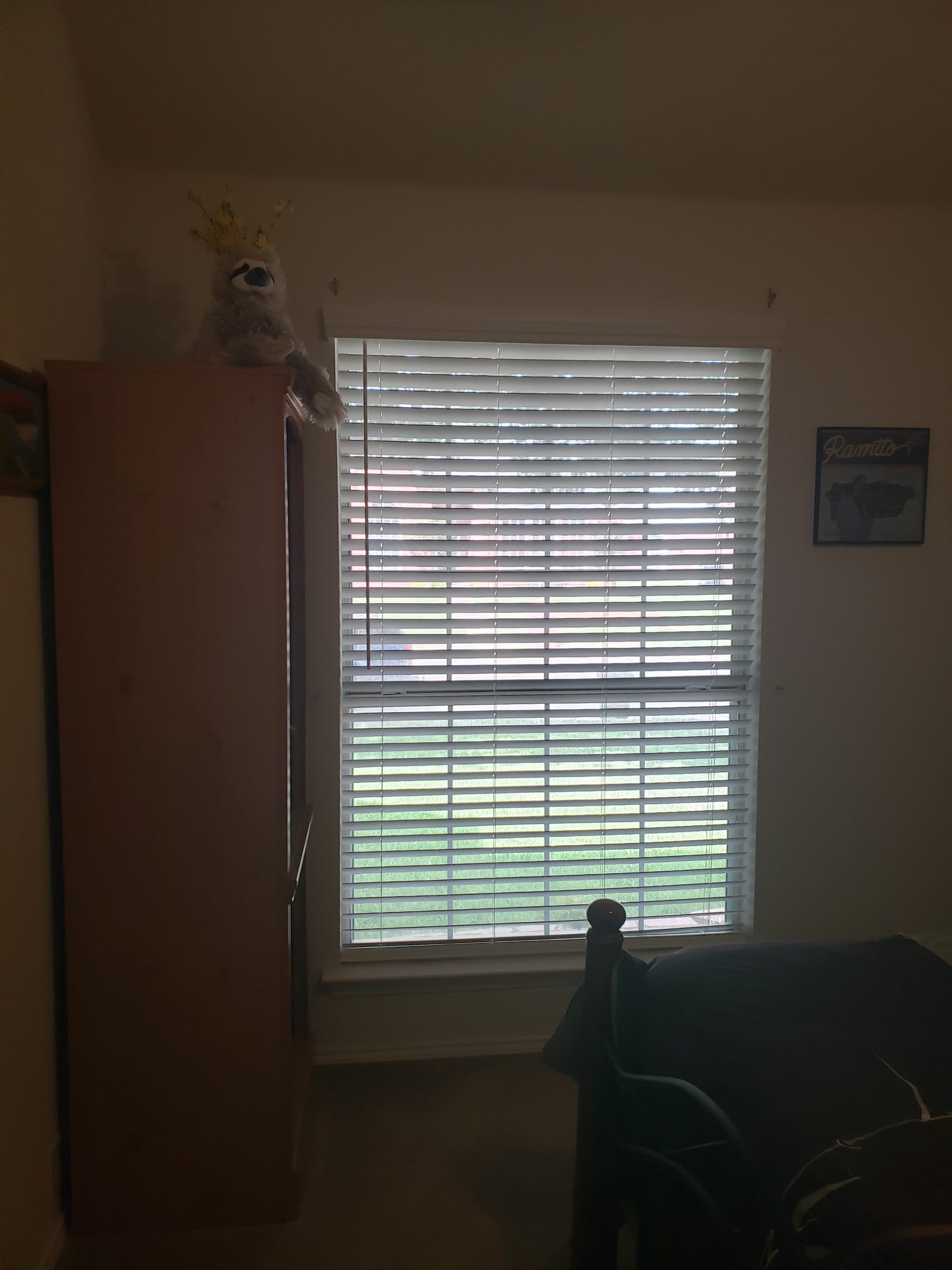
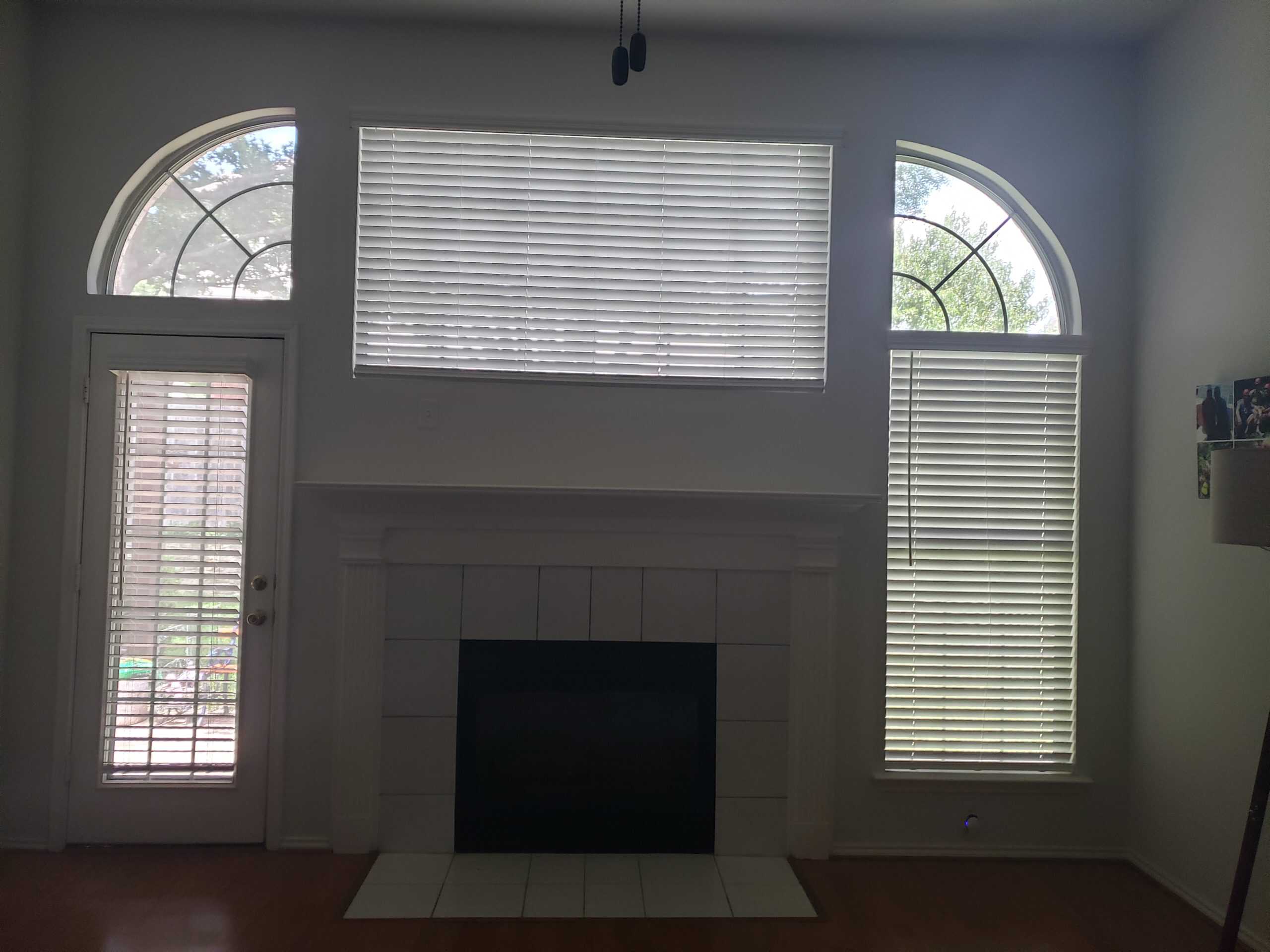
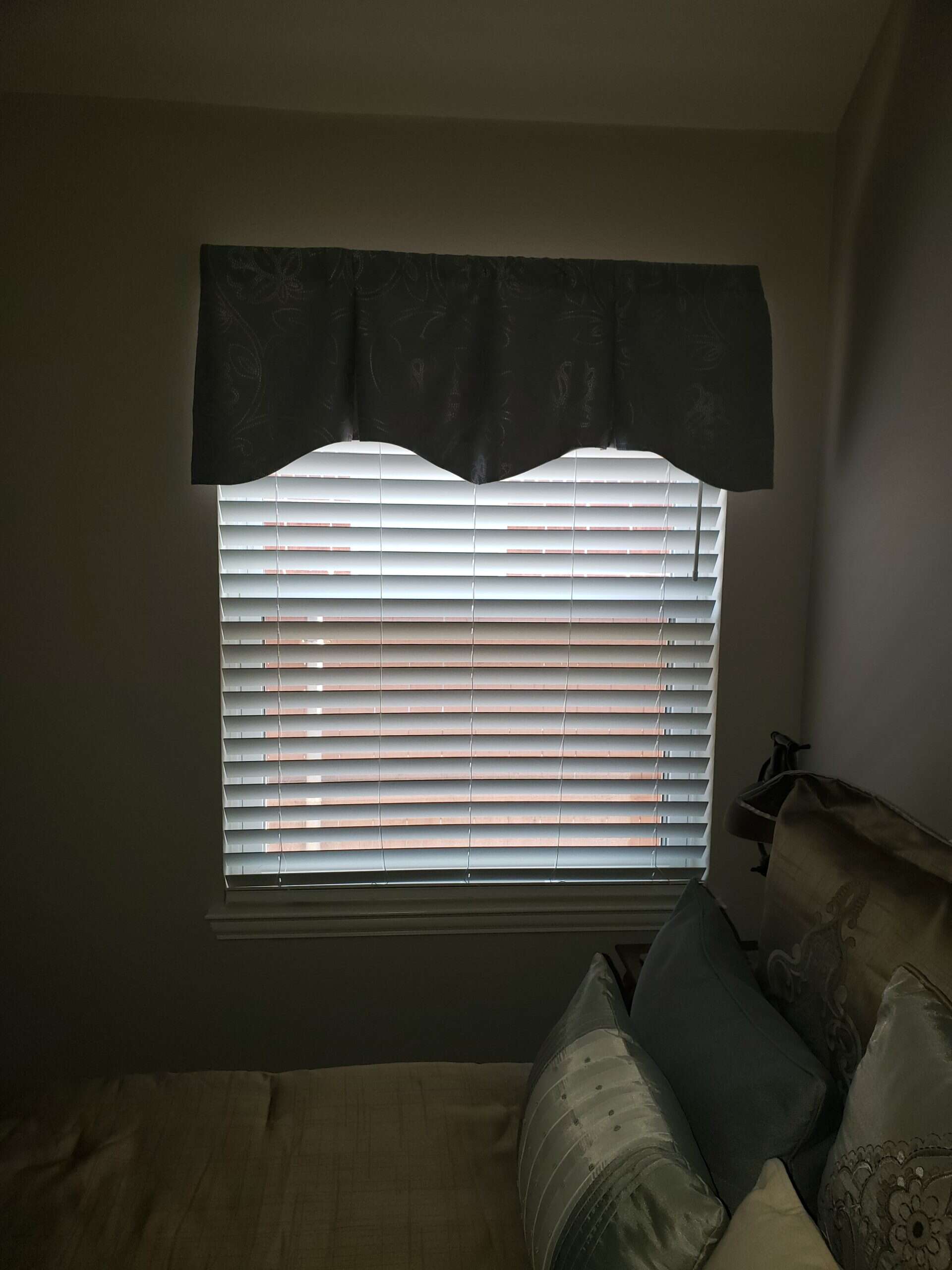
Before you can compare them, it helps to know what you’re actually comparing. Blinds have hard slats — horizontal or vertical — that tilt to direct light and stack or retract when raised. They give you precise control over the angle of light coming in, which is useful, but they don’t seal out much heat on their own.
Shades are made from fabric and move as a single panel, either rolling up, folding, or lifting depending on the style. The range is wide — from sheer solar shades that filter glare while keeping your view, all the way to blackout shades that block virtually everything.
Shutters are a different category altogether. They’re solid panels with adjustable louvers, typically installed directly into the window frame. They’re permanent, architectural, and built to last. Basswood shutters done right can hold up for two decades without needing replacement — which changes the math on what “expensive” actually means.

This is one of the most common points of confusion we run into, and it matters — especially if you’re outfitting a bedroom or a nursery.
Room darkening products block most of the incoming light, but some still filters in around the edges of the frame. In a typical bedroom, that means a noticeably dim room, but not a completely dark one. For most adults, that’s perfectly functional. The room feels dark enough to sleep, and you’re not waking up to full sun at 6 AM.
Blackout products are engineered to block virtually all light. They use denser fabric, opaque liners, or specialized coatings to eliminate light transmission through the material itself. Paired with a close-fitting mount, they can get a room close to pitch dark even in the middle of a Texas afternoon.
The distinction matters most in specific situations. If you’re a shift worker who sleeps during the day, a blackout shade or blackout-lined blind is worth the difference. Same goes for a baby’s room — even a small amount of light filtering in at nap time can disrupt sleep cycles. A home theater room has obvious reasons for wanting true blackout performance.
For a living room or home office, though, room darkening is usually more than enough — and it gives you more flexibility to let natural light in when you want it. Going full blackout in a room where you actually want some daylight can make the space feel heavier than intended.
The practical takeaway: don’t assume room darkening and blackout are interchangeable labels for the same thing. Ask specifically what you’re getting, and think about how you actually use the room before you decide. If you’re not sure, that’s exactly the kind of question worth bringing to a consultation before you commit to a custom order.
A lot of homeowners frame this as an either/or decision, and it doesn’t have to be. Blinds and curtains solve slightly different problems, and in a living room, they often work better together than either does alone.
Blinds — or shutters, or shades — handle the functional side of the equation. They give you precise control over light levels, privacy, and heat gain throughout the day. When the afternoon sun is hitting your west-facing living room in Arlington or Fort Worth, you want something that can actually block or filter that intensity without requiring you to close off the room entirely.
Curtains and drapes handle the aesthetic and atmospheric side. They add softness, warmth, and a sense of finish that hard window treatments alone don’t always provide. A room with only shutters or blinds can feel clean and architectural — which is great for some spaces — but a room with layered soft and hard treatments often feels more complete.
The combination approach is genuinely popular right now, and for good reason. You get the light control and UV protection of a shade or shutter, plus the visual warmth of fabric panels on either side of the window. During the day, you can keep the curtains open and adjust the blinds or louvers as the sun moves. In the evening, you can close everything for full privacy.
The main thing to watch out for is proportion. Heavy drapes over bulky shutters can make a window feel crowded. Lighter linen panels over a clean roller shade tend to work better in most living rooms. It’s the kind of decision that benefits from seeing actual samples in the space — which is one reason having access to a showroom, rather than just a website, makes a real difference when you’re finalizing a plan.
Most window covering guides are written for a generic American home. But a house in Mansfield or Southlake faces conditions that a home in Seattle or Chicago simply doesn’t. Tarrant County averages more than 229 sunny days a year. Summer temperatures push past 100°F regularly. West-facing rooms absorb brutal afternoon sun from May through September, and UV exposure here is among the highest in the continental U.S.
That context changes how you weigh the trade-offs. A product that’s perfectly adequate in a mild climate might fall short here. And a product that seems like a premium splurge elsewhere might be the practical, cost-effective choice when you factor in energy bills, furniture replacement, and lifespan.
This is the question that matters most for a lot of Tarrant County homeowners, and the honest answer is that not all window coverings are created equal when it comes to thermal and UV performance.
Standard horizontal blinds — the kind you’d find at any big box store — offer light direction control, but they don’t do much to stop heat gain or UV transmission. Even when fully closed, the slats allow air movement and don’t create a meaningful barrier against solar heat. They’re fine for light control; they’re not a thermal solution.
Cellular shades (also called honeycomb shades) are one of the most energy-efficient interior window coverings available. Their layered pocket structure traps air between the window and the room, acting as insulation. The U.S. Department of Energy has noted that cellular shades can reduce heat loss through windows by up to 40% in cold weather — and the same insulating principle helps reduce heat gain in summer.
Solar roller shades are the go-to for UV protection without sacrificing your view. A solar shade with a 3–5% openness factor blocks approximately 95–97% of UV rays while still letting you see outside clearly. In a room with valuable furniture, hardwood floors, or artwork, that’s a meaningful difference. UV damage in Texas isn’t a slow, gradual process — the combination of sun intensity and sheer volume of sunny days means fading can happen faster than most people expect.
For the most extreme exposures — a west-facing wall of windows in Keller or a south-facing sunroom in Colleyville — interior treatments alone may not be enough. That’s where exterior roller shades come in. By stopping solar heat before it reaches the glass, exterior shades reduce heat gain more effectively than any interior product can. It’s a solution most competitors don’t even offer, and it makes a measurable difference in rooms that would otherwise be unusable during peak afternoon hours.
Plantation shutters offer solid UV and light control through their adjustable louvers, and their basswood construction holds up well over time without warping or discoloring. They won’t match a dedicated solar shade for raw UV-blocking performance, but they offer a durable, architectural solution that handles light, privacy, and insulation in one product — and they’re the only window covering that’s consistently cited as adding resale value to a home.
The best window covering depends almost entirely on how you use the room and what problem you’re trying to solve. There’s no single right answer for every window in a home.
Bedrooms are where light control and privacy matter most. If you’re a light sleeper, a blackout shade or a shutter with tight-fitting louvers is worth prioritizing. If you share the room with a partner who has a different schedule, motorized shades that can be adjusted quietly from a phone without getting out of bed are a genuinely useful feature — not just a novelty.
Living rooms involve the most trade-offs. You want light when you want it, privacy when you need it, and something that looks intentional rather than functional. Solar shades are a strong choice for rooms with significant sun exposure, because they let you keep the view while cutting glare and UV. Shutters work well in living rooms with a more traditional or transitional aesthetic. Layering a roller shade with soft curtain panels gives you the most flexibility.
Kitchens and bathrooms have different demands: moisture resistance, easy cleaning, and durability. Faux wood blinds hold up better in humid environments than real wood. Roller shades in a moisture-resistant fabric are another solid option. Fabric Roman shades look beautiful in kitchens but require more maintenance in a high-humidity, high-splatter environment.
Home offices are often overlooked in window covering planning, but they matter. Glare on a monitor is a daily frustration that a well-placed solar shade or a shutter with adjustable louvers can eliminate entirely. If your desk faces a window, the direction of light matters as much as the amount.
New construction homeowners across Tarrant County — and there are a lot of them, given how fast communities like Alliance, North Fort Worth, and Mansfield are growing — face all of these decisions at once, for every window in a brand-new home. That’s a significant undertaking, and getting a coherent plan that works across the whole house is genuinely easier with a professional consultation than it is by making room-by-room decisions independently.
The comparison between blinds, shades, and shutters doesn’t have a universal winner. What it has is a right answer for your specific rooms, your specific sun exposure, and what you actually need from your windows day to day. In a market like Tarrant County — where the sun is intense, the summers are long, and new homes are going up faster than almost anywhere else in the country — getting that decision right has real consequences for your comfort, your energy bills, and how long your investment holds up.
We offer a free consultation with no pressure attached. You’ll get honest guidance on what makes sense for each room, the chance to see real products at our showroom in Pantego, and a clear estimate before anything is ordered or installed. If you’re ready to stop researching and start deciding, A Plus Shutters & Shades is a good place to start that conversation.
Article details:
Share:
Continue learning: