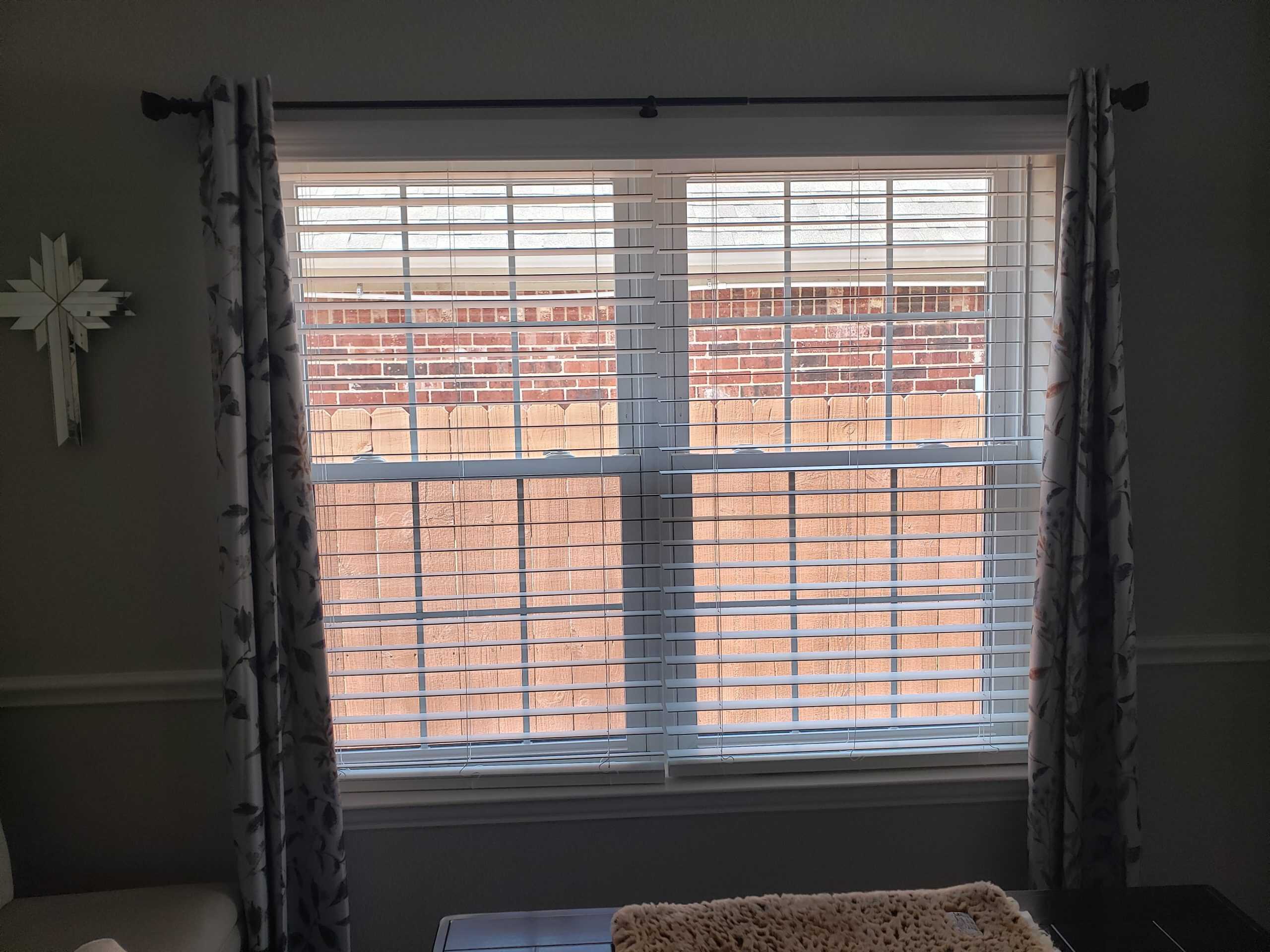
Not all "light-blocking" blinds actually block light. Here's what separates blackout from room darkening — and how to choose the right one.
Share:
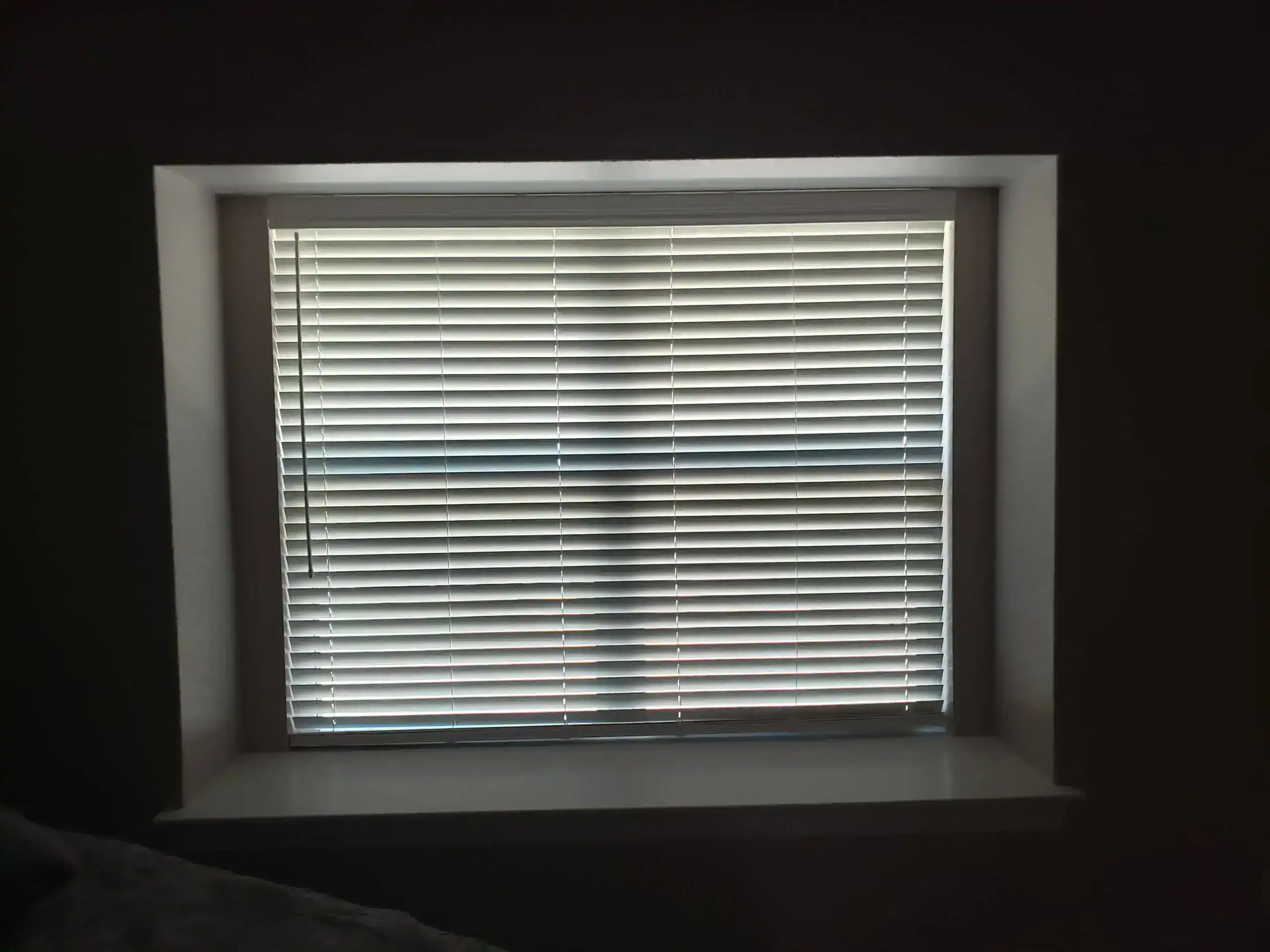
If you’ve ever pulled down a “blackout” blind and still woken up to a bright line of light creeping around every edge, you already know the problem. The fabric might be rated for blackout, but the room isn’t actually dark. That gap between what the product promises and what you experience is one of the most common frustrations in the window treatment world — and it’s almost never about the blind itself. It’s about fit, installation, and whether the right product was chosen for the right room. Here’s what you actually need to know before you buy.
The terms get used interchangeably, but they’re not the same thing. Blinds have slats — think horizontal or vertical panels you tilt to adjust light. Shades are a solid panel of fabric that rolls, folds, or stacks. Both can be made with blackout-rated material, but the way they’re constructed changes how well they actually seal out light.
Shades tend to perform better for true light blocking because there are no gaps between slats. A blackout roller shade, for example, is a single continuous piece of fabric — when it’s properly sized and mounted, there’s far less opportunity for light to sneak through. Blinds with blackout-rated slats can get close, but the overlap between slats and the gaps at the edges are harder to eliminate entirely.
The bottom line: if your goal is a genuinely dark room, blackout shades — particularly roller shades with a proper outside mount or sealed side channels — are usually the stronger choice.

This is the question we hear constantly, and the answer almost always comes back to installation rather than the product itself. A fabric can be rated 100% opaque — meaning zero light passes through the material — and still leave your room looking like a glowing rectangle at 6:30 in the morning. That’s the light halo effect, and it happens when the blind doesn’t fully cover the window frame.
The two biggest culprits are inside mounts that don’t account for frame depth, and blinds that are cut too narrow for the opening. When a blind sits inside the window recess, light wraps around every edge — top, bottom, and both sides. Even a quarter-inch gap is enough to flood a dark room with noticeable light, especially in Tarrant County where the sun is up and intense by 6:20 AM in summer.
The fix depends on the situation. An outside mount — where the blind extends several inches beyond the window frame on all sides — eliminates most edge gaps immediately. For rooms where true blackout is non-negotiable, like a nursery, a home theater, or a bedroom used by a night-shift nurse or an American Airlines crew member who needs to sleep at noon, side channels or sealed track systems take it a step further by physically closing off the gap between the blind and the wall.
This is exactly where professional measurement and installation changes the outcome. Getting the mount type right, sizing the blind correctly for the specific window, and knowing when to add side channels — that’s not something a big-box store can do for you. It requires someone who’s actually looked at your windows and understands what complete light blockage requires in practice.
Blackout roller blinds are one of the most versatile options available, and for good reason. The mechanism is simple — a single panel of fabric rolls up onto a tube at the top of the window — but the performance range is wide depending on the fabric, the mount, and whether the installation is done correctly.
For bedrooms, nurseries, and any room where you need genuine darkness, a blackout roller blind with an outside mount and a quality opacity-rated fabric is hard to beat. The fabric itself carries an openness factor rating — a 0 rating means fully opaque, no light transmission through the material at all. Pair that with the right installation and you get a room that’s actually dark, not just dim.
Where roller blinds really stand out is in motorized configurations. A motorized blackout roller blind can be programmed to close at sunrise and open whenever you want — which matters a lot if you work irregular hours or you’re trying to keep a toddler asleep past 6 AM in a Keller or Mansfield home with east-facing windows. You’re not fumbling with a cord in the dark; the blind just does what it’s supposed to do, on schedule.
There’s also an exterior version worth knowing about. Exterior roller shades mount on the outside of the window and intercept solar heat before it ever hits the glass. For west- and south-facing rooms in Tarrant County — where afternoon sun in July can push a room’s temperature up significantly and run your AC constantly — exterior roller shades reduce heat gain at the source rather than trapping it between the glass and the blind. Interior blackout blinds are better for sleep-quality darkness; exterior roller shades are better for heat management. In some rooms, the right answer is both.
Room darkening blinds block roughly 95–99% of incoming light. That sounds close to blackout, and in a lot of situations, it genuinely is close enough. The question is whether that remaining 1–5% matters in your specific room.
For a living room, a home office, or a space where you want to reduce glare without making the room feel sealed off from the outside world, room darkening is often the better fit. It softens the light, protects furniture from UV fading, and gives you real privacy — without the cave-like feel that full blackout can create in a room you’re actually spending time in during the day.
Where room darkening tends to fall short is in bedrooms used during daylight hours, nurseries, and home theaters. In a truly dark room, even 1% of light transmission is visible and disruptive. That’s the line between room darkening and blackout, and it’s a real one.
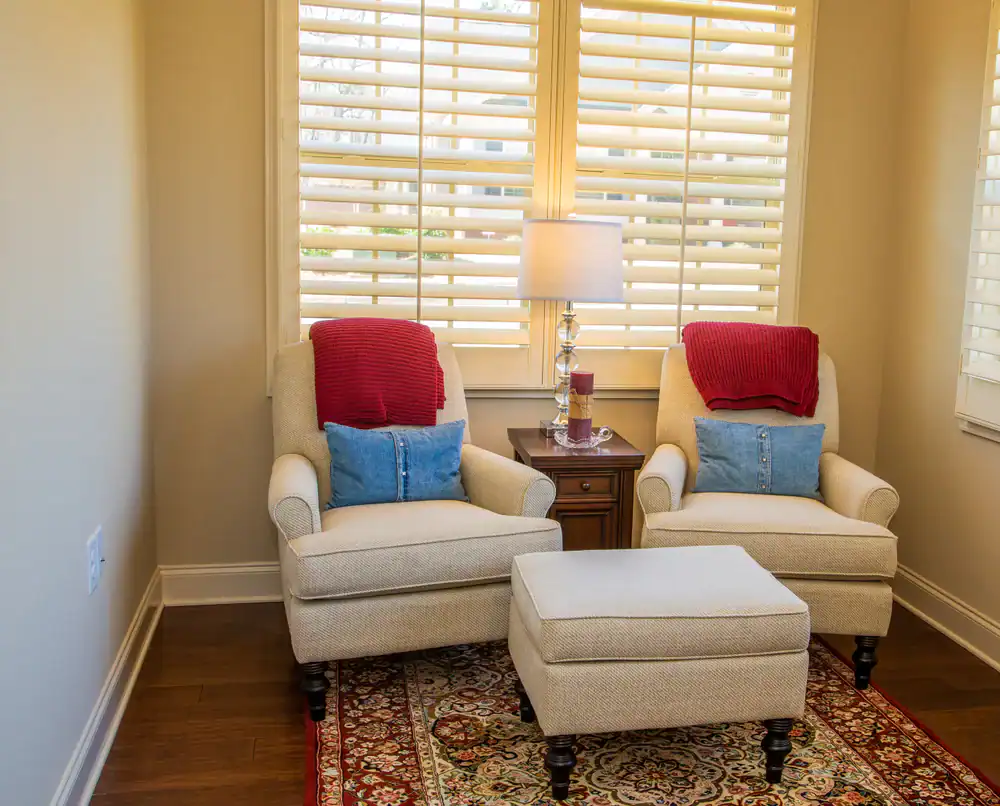
The honest answer is that it depends on who’s using the room and when. For most people’s living rooms and dining areas, room darkening is more than sufficient. You get privacy, glare control, and a noticeably cooler room in summer — all without committing to total darkness.
The situation changes when the room has a specific function that requires genuine dark. A shift worker sleeping from 8 AM to 4 PM doesn’t have the luxury of “pretty dark.” Healthcare workers pulling overnight shifts at JPS Health Network or Baylor Scott & White, defense contractors at Lockheed Martin in Fort Worth who rotate schedules, airline employees on standby — these aren’t edge cases in Tarrant County. There are a lot of people here who sleep when the sun is up, and for them, room darkening isn’t the answer. Blackout is.
The same logic applies to nurseries and kids’ rooms. A toddler who wakes up when light hits their room at 6:15 AM is a problem room darkening blinds won’t fully solve. Parents in Southlake, Flower Mound, and North Richland Hills know this well. The afternoon nap window — roughly 1 to 3 PM — lines up almost perfectly with peak sun intensity in North Texas, and room darkening blinds at that hour still let enough light through to disrupt sleep for a young child.
The best way to figure out which level of light control is right for each room is to talk through it with someone who’s actually seen the window, knows the orientation, and understands how the sun moves through your specific space. That’s exactly what our free in-home consultation is for — not a sales pitch, just a practical assessment of what each room actually needs.
It does, more than most people expect. Tarrant County averages 229 sunny days per year — above the national average of 205 — and summer temperatures regularly exceed 100°F. That combination means the sun isn’t just a light problem; it’s a heat problem. Unprotected west- and south-facing windows in a Fort Worth or Arlington home can drive up cooling costs significantly through the summer months, and standard room darkening blinds don’t address that the way blackout or exterior shades do.
The solar heat gain issue is worth taking seriously. Cellular blackout blinds can reduce unwanted heat gain through a window by up to 60%, according to U.S. Department of Energy data. Motorized blackout shades that automatically close during peak sun hours can push that figure even higher. For a home in Mansfield or Keller running the AC hard from June through September, that’s a real difference in monthly utility bills, not just a comfort upgrade.
The material question also matters in this climate. Products manufactured for average U.S. conditions aren’t necessarily built for the UV intensity and temperature swings of North Texas — ranging from freezing winters to 110°F summer days. We manufacture our products locally in Denton, TX, using materials specifically engineered for this climate. That means fabrics and hardware that hold up to years of Texas sun without fading, warping, or degrading the way imported, off-the-shelf options often do.
When you’re choosing between blackout and room darkening in this market, it’s worth thinking about the room’s orientation, the time of day it gets direct sun, and whether heat management is as much of a priority as light control. In many Tarrant County homes, the answer to both problems is the same window — just treated correctly.
The difference between blackout and room darkening comes down to how much light actually matters in that specific room. Room darkening handles most living spaces well. True blackout is what you need when the room has to be genuinely dark — for sleep, for a child’s nap, for a home theater, or for anyone in Tarrant County working a schedule that puts them in bed during daylight hours.
What determines whether either option actually works isn’t just the product — it’s the fit, the mount type, and whether the installation closes off the gaps that let light in around the edges. That’s where most DIY attempts fall short, and where professional measurement makes a real difference.
If you’re trying to figure out what your windows actually need, we offer free in-home consultations across Tarrant County. No pressure, no guesswork — just a straightforward look at your space and an honest recommendation for what will work.
Article details:
Share:
Continue learning: