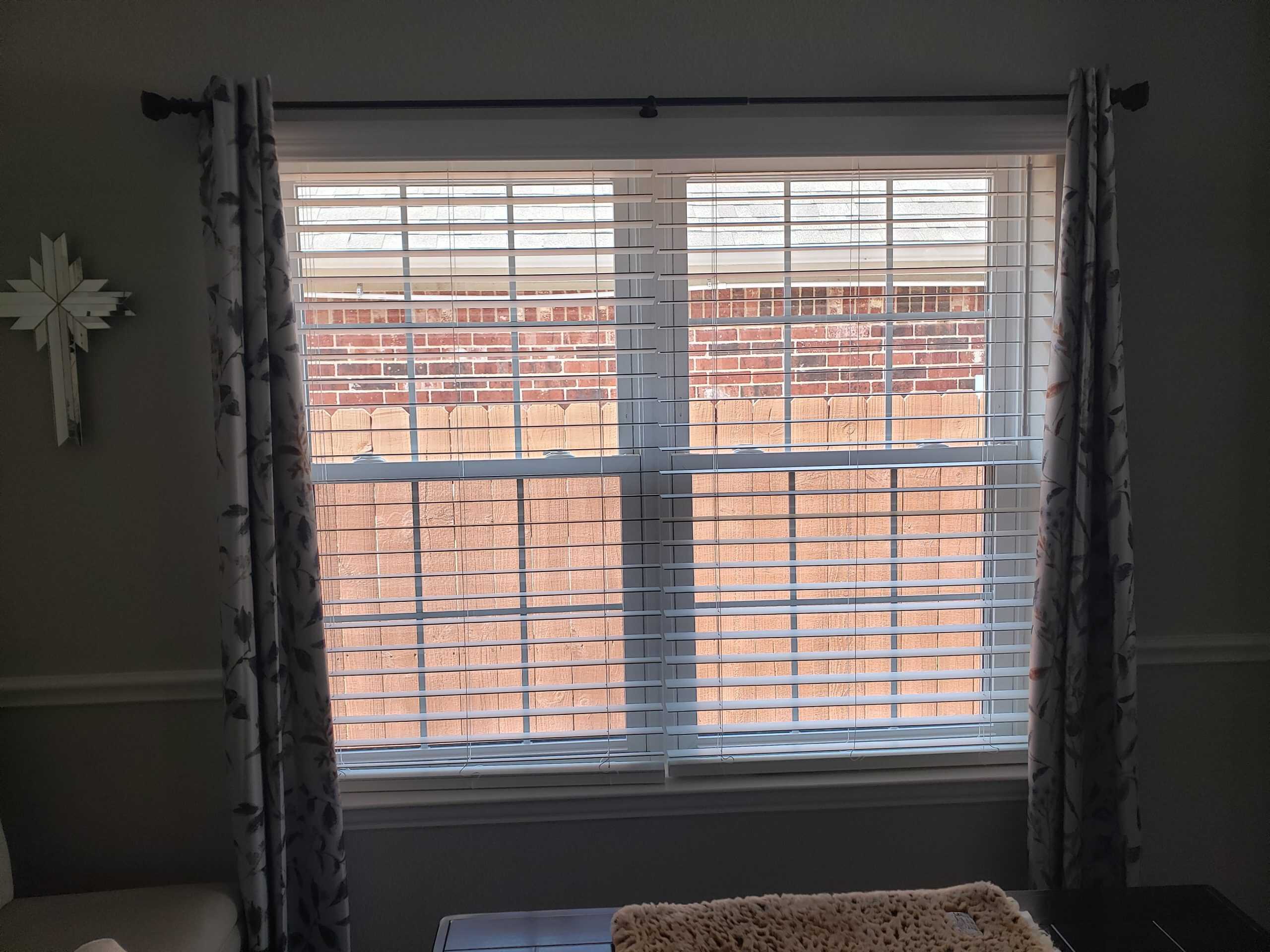
The right window treatments can take a real bite out of your summer cooling bills — here's what actually works in the Texas heat.
Share:
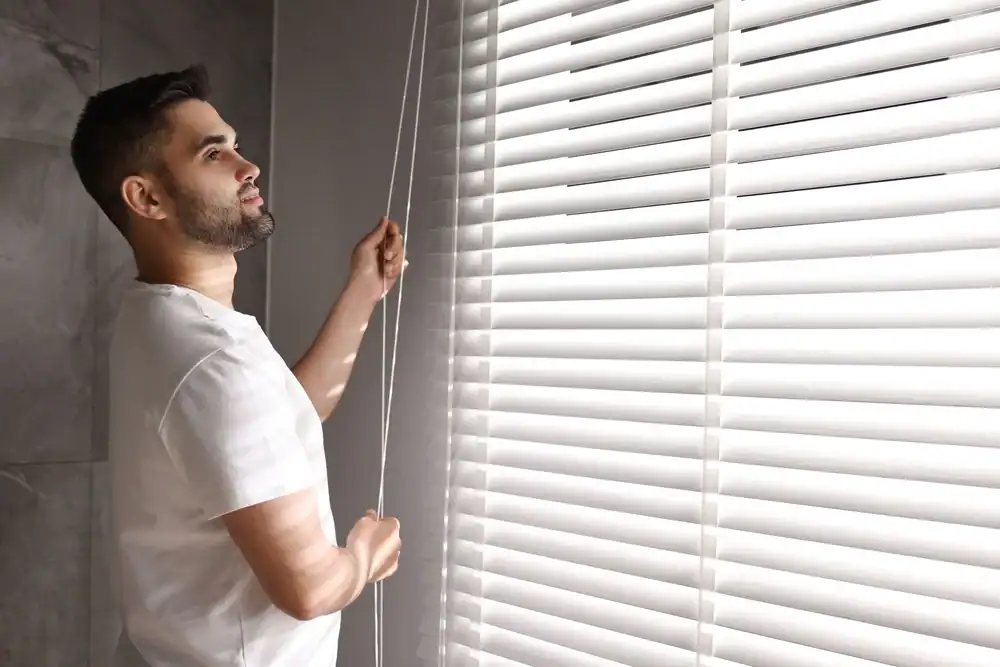
If your electric bill spikes every summer and certain rooms in your home feel like a different climate zone entirely, your windows are probably doing more harm than good. It’s not a design problem — it’s a heat problem. And in Tarrant County, where afternoon temperatures push past 96°F for months at a stretch, west-facing windows can turn a perfectly comfortable living room into somewhere nobody wants to sit.
The good news is that you don’t need to replace your windows to fix this. The right window treatments — installed correctly and chosen for your specific exposure — can make a measurable difference on your utility bill and your daily comfort. Here’s what you need to know.
The core idea is straightforward: every window in your home is a potential entry point for heat in summer and a source of heat loss in winter. The goal of an energy-efficient window treatment is to interrupt that transfer — either by reflecting solar radiation before it warms your interior, trapping air to create an insulating buffer, or blocking direct sun during the hours when it does the most damage.
Different products accomplish this in different ways. Cellular shades use a honeycomb structure to trap air in pockets between the glass and your room. Plantation shutters create a solid barrier that reduces heat transfer and can be adjusted throughout the day. Solar and roller shades filter light based on their openness factor, reducing glare and heat gain while maintaining your view. And exterior roller shades — which we’ll come back to — stop heat before it ever reaches the glass.

Not all treatments perform equally, and the Texas climate puts specific demands on what you install. The U.S. Department of Energy has found that smart management of window coverings can reduce heat gain by up to 77% — but that number depends heavily on the product type, the fit, and where in your home you install it.
Cellular shades are consistently cited by energy researchers as one of the most effective interior options. Their insulating air pockets give them a meaningful R-value, and Oak Ridge National Laboratory found they can reduce heating energy use by up to 24% in winter. In summer, they reduce radiant heat coming through the glass — particularly useful in bedrooms and north-facing rooms where you want light control without sacrificing insulation.
Plantation shutters are a different kind of solution. They’re a solid, adjustable louver system that sits inside your window frame and can be tilted to redirect light away from your floors and furniture while still allowing airflow. Installed correctly, they can reduce energy loss through windows by up to 25%. They also add to your home’s resale value in a way that most window treatments don’t — which matters in a market like Tarrant County, where home values in cities like Colleyville, Southlake, and Keller make every upgrade a financial consideration.
Solar shades are worth singling out for south- and west-facing windows. They’re designed to block radiant heat while preserving your sightlines — something blackout shades can’t offer. The key metric is openness factor: a tighter weave blocks more heat but reduces visibility, so the right choice depends on the room and the direction the window faces. A west-facing window in an Arlington home that gets hammered from 2 PM onward calls for a different solution than a north-facing bathroom window.
What ties all of these together is fit. A shade that doesn’t seal properly at the edges lets air infiltrate around the treatment, which undermines the insulating effect entirely. Custom-measured and custom-manufactured treatments close that gap — literally.
Interior shades manage heat after it passes through the glass. Exterior roller shades stop it before it gets there — and that distinction matters more than most people realize.
When sunlight hits a window, the glass absorbs and re-radiates heat into your home. Even a high-quality interior shade has to contend with that radiated heat once it’s already inside. An exterior shade intercepts the solar radiation at the source, before it ever contacts the glass. The result is a meaningfully cooler room and less work for your air conditioner, especially during those brutal afternoon hours when the sun is hitting west-facing walls directly.
This is particularly relevant for Tarrant County homes with large patio doors, sunrooms, or open-plan living areas that face west or southwest. Many homeowners in Burleson, Mansfield, and newer developments in Crowley have exactly this configuration — generous windows and sliding glass doors that were designed for natural light but become heat sources from April through October. Exterior roller shades give you full coverage of those openings without sacrificing the ability to open them up in the evening when temperatures drop.
Exterior shades also do double duty on covered patios. If you have an outdoor living space that becomes unusable by early afternoon in summer, exterior roller shades extend the functional hours of that space significantly — which is a quality-of-life improvement that goes well beyond energy savings.
Most local window treatment companies don’t prominently offer exterior roller shades. We do, and it’s one of the more impactful upgrades we install for Tarrant County homeowners who are serious about reducing their cooling load.
Manual window treatments only work if you actually adjust them. Most people don’t — not consistently, and not at the right times. Motorized window shades solve that problem by letting you schedule adjustments automatically, so your home is managing heat gain without you having to think about it.
The energy benefit is real. A shade that lowers itself at 1 PM on a west-facing window and raises again at 7 PM captures the full cooling benefit during peak heat hours — whether you’re home or not. Over the course of a Tarrant County summer, that kind of passive management adds up.

Modern motorized shades can integrate with most major smart home platforms — including Google Home, Amazon Alexa, and Apple HomeKit — as well as dedicated home automation systems. That means you can tie your window treatments to a thermostat schedule, a sunrise/sunset timer, or a simple voice command.
For working households, this is genuinely useful. You leave in the morning, the shades lower automatically as the sun shifts, and by the time you’re home in the evening, your air conditioner hasn’t been fighting a losing battle all afternoon. It’s not a dramatic technology story — it’s just a practical way to stop wasting money on cooling a room that didn’t need to get hot in the first place.
The installation side matters here too. Motorized shades require proper wiring or battery management, and they need to be mounted correctly to operate smoothly over time. This is where a background in construction — not just retail sales — makes a difference. Wiring that’s run cleanly, hardware that’s anchored properly, and treatments that operate without binding or misalignment are the result of knowing how buildings actually work, not just how to hang a shade.
We install motorized roller shades throughout Tarrant County, including both hardwired and battery-operated systems depending on your home’s configuration. For homeowners in Euless, Bedford, or Hurst who are updating older homes without easy access to in-wall wiring, battery-powered motorized systems have become a genuinely viable option — the technology has improved significantly in recent years.
If you’re considering a whole-home window treatment project, adding motorization to key rooms — particularly west-facing living areas and bedrooms — is often the highest-impact upgrade you can make from an energy management standpoint.
The honest answer is: it depends on what you’re replacing, what you install, and how your home is oriented. But the general range from industry research is a 15–25% reduction in heating and cooling costs, with a payback period of three to five years for mid-range treatments. In a market where summer cooling bills can run several hundred dollars a month, that’s not a trivial number.
Windows account for up to 30% of your home’s total heating and cooling energy use. If your annual electricity costs run $2,400 — which is conservative for a Tarrant County home with a full summer cooling season — a 20% reduction is $480 back in your pocket every year. A whole-home treatment project that costs $3,000 to $4,000 pays for itself in roughly six to eight years at that rate, and continues delivering savings after that.
There’s also the federal tax credit angle. Qualifying energy-efficient window treatment products may be eligible for federal tax credits, which reduces your net upfront cost and shortens the payback period. It’s worth asking about this when you’re evaluating options — not every product qualifies, but some do, and it’s money left on the table if you don’t check.
Beyond the utility bill math, there are savings that don’t show up in your electricity statement. UV-blocking window treatments protect hardwood floors, furniture, and upholstery from fading — a real cost in homes with significant sun exposure. In a Tarrant County home where afternoon sun streams through south or west-facing windows for six months of the year, that protection adds up. Refinishing hardwood floors or replacing sun-damaged upholstery costs far more than a set of quality window treatments.
Finally, there’s the window replacement comparison. A full window replacement for a typical Tarrant County home runs $10,000 to $30,000. Custom window treatments address the same heat gain problem — solar radiation entering through the glass — at a fraction of that cost. For homeowners in older Arlington or Benbrook neighborhoods with single-pane windows who aren’t ready for a full replacement project, quality window treatments are the most cost-effective energy upgrade available.
The bottom line is simple: the right window treatments, installed correctly and chosen for your home’s specific orientation and exposure, will reduce your cooling costs and make your home more comfortable. The data backs it up, and the payback period is real.
In Tarrant County, where summers are long and electricity bills reflect it, this isn’t a decorative decision — it’s a practical one. Whether you’re dealing with a west-facing living room in Arlington that’s unusable by 3 PM, a sunroom in Mansfield that bakes from May through September, or a new build in Burleson that needs treatments throughout, the approach is the same: match the product to the problem, fit it properly, and let it do its job.
If you’re ready to figure out what actually makes sense for your home, A Plus Shutters & Shades offers free in-home consultations throughout Tarrant County. No pressure, no guesswork — just an accurate measurement, honest product recommendations, and a clear quote.
Article details:
Share:
Continue learning: