
Not sure what motorized patio shades cost or which type you actually need? Here's the honest breakdown — interior vs. exterior, pricing, and what to ask before you buy.
Share:
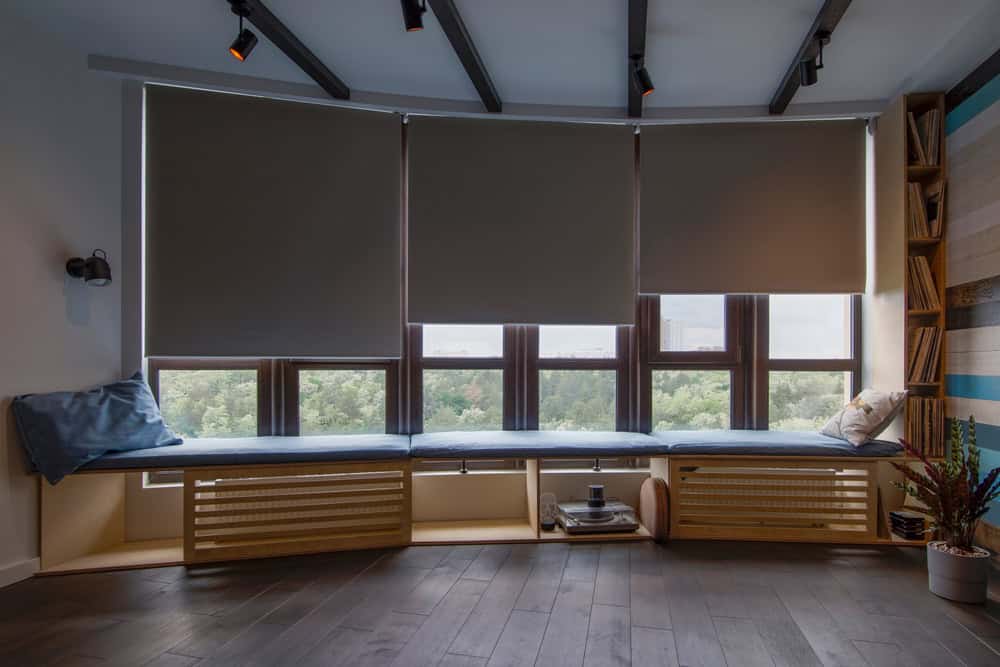
If you’ve spent any time searching for motorized patio shades in Tarrant County, you’ve probably noticed that nobody wants to tell you what they cost. Every company wants you to call first, come out for a quote, and sit through a presentation before a number ever gets mentioned. That’s frustrating — especially when you’re just trying to figure out whether this fits your budget before committing to anything. We skip all of that. We’ll walk you through what interior and exterior motorized shades actually cost, what drives the price difference, and what to watch for when you’re comparing quotes from local installers in the DFW area.
Exterior motorized roller shades carry a higher price tag than interior shades, and there’s a real reason for it — not just markup. Exterior shades are built to live outside. They handle direct sun, wind, humidity, and the kind of thermal stress that would destroy a standard interior shade within a season. The hardware, fabric, and motor housing all have to be rated for outdoor exposure, which adds to the material cost before installation even begins.
For a standard patio opening in Tarrant County, manual exterior roller shades typically run $1,500 to $2,500 depending on size and fabric. Step up to a motorized system with zip tracks and smart home integration, and most projects land between $3,000 and $6,000 or more for larger installations. For full patio setups covering multiple openings, the total can climb from there.

The word “custom” gets thrown around a lot in this industry, but it has a specific meaning when it comes to exterior roller shades. A custom-made shade is measured to the exact dimensions of your opening — not adjusted to fit, not trimmed down from a standard size, but built from scratch to match your space. That matters more than most buyers expect.
Off-the-shelf motorized shades from a home improvement store come in fixed widths and heights. If your patio opening is 11 feet wide or your pergola posts are set at an irregular spacing, a standard shade either won’t cover the full opening or will leave light gaps on the sides. Those gaps aren’t just an aesthetic issue — they defeat the entire purpose of the shade. Heat and glare come right through the edges, which is exactly what you were trying to stop.
Custom-made exterior shades also account for the mounting surface. Brick, stucco, wood fascia, and concrete all require different hardware and anchoring approaches. We measure the opening, evaluate the mounting surface, and specify the shade accordingly. That process takes time and expertise, and it’s part of what you’re paying for when you go the custom route.
Fabric is another major cost variable. Solar screen fabrics come in different openness levels — 1%, 3%, 5%, and 10% — and the right choice depends on which direction your patio faces, how much privacy you want, and whether you want to maintain an outward view while the shade is down. Denser fabrics that block more sun cost more than open-weave options. Premium materials can block up to 90–95% of UV rays, which matters for protecting outdoor furniture, flooring, and anyone sitting beneath them.
Motor quality plays into the price as well. Professional-grade motors from brands like Somfy carry warranties of five to seven years and are built for daily use without wearing out prematurely. Budget motors cost less upfront but tend to fail faster — and replacing a motor in an exterior shade that’s been installed and weather-sealed isn’t a simple swap. Investing in a quality motor upfront is one of the places where the higher price genuinely pays for itself.
Here’s something that doesn’t get explained enough: interior shades and exterior shades don’t do the same thing. They look similar on paper, but the way they work is fundamentally different — and that difference matters a lot in a climate like Tarrant County’s.
Interior motorized roller shades control light and privacy. They’re excellent for bedrooms, living rooms, and home offices where you want to manage glare or block out the sun in the morning. But once solar heat has passed through your glass, an interior shade can’t remove it. The heat is already inside. The shade might make the room feel slightly dimmer, but it won’t stop the temperature from climbing.
Exterior shades intercept that heat before it ever reaches the glass. By blocking the sun on the outside of the window or patio opening, they prevent solar heat gain from entering the space in the first place. That’s why exterior shades are significantly more effective at keeping a room or covered patio cool — and why they tend to have a more noticeable impact on energy bills during the summer months.
In Tarrant County, this isn’t a minor seasonal consideration. The heat season runs from roughly May through September, and west-facing patios and living rooms take the worst of it — the afternoon sun from the southwest hammers those exposures from around 2 PM until early evening. Homeowners in Fort Worth, Arlington, Keller, and Mansfield with west-facing outdoor spaces know exactly what that feels like. An unshaded west-facing patio in July is essentially unusable from early afternoon onward.
That’s the real cost calculation that doesn’t show up in any price comparison: a patio you can’t use for five months a year isn’t delivering value, no matter what you spent building it. Exterior motorized shades are what convert that space from a seasonal liability into something you can actually enjoy.
The jump from manual to motorized exterior shades is one of the most common decision points buyers hit when they’re pricing out a project. Manual shades cost less upfront — that $1,500–$2,500 range for a standard patio opening reflects a manual system. Motorized systems start higher and scale up based on the number of shades, motor type, and whether you want smart home integration.
What you’re paying for with motorization isn’t just convenience, though that’s real too. For large or high patio openings, manually operated shades can be physically awkward to raise and lower — especially multiple times a day. A motorized system handles that with a button, an app, or a voice command.

When buyers ask about smart home integration for motorized patio shades, they’re usually picturing one specific thing: shades that work with Alexa or Google Home without requiring a separate remote or a wall switch. That’s achievable, and it’s part of what separates a professionally installed motorized system from a DIY setup you’d find at a big-box store.
We install motorized systems that integrate with Somfy TaHoma, a professional-grade smart home platform that connects your shades to your existing smart home ecosystem. That means you can set schedules — shades drop automatically at 2 PM before the afternoon heat hits your west-facing patio, and retract at sunset — control them from your phone while you’re away, or just tell Alexa to close them from the couch. It’s not a gimmick. For homeowners managing multiple shades across a patio or a whole home, automated scheduling is genuinely useful.
Battery-powered motorized systems are an option for homeowners who don’t want to run new wiring. There’s no electrical work required — the motor is self-contained and rechargeable. Battery-powered motors do require periodic maintenance; depending on how frequently the shades are used, batteries typically need attention every six to twelve months. Hardwired systems skip that maintenance cycle but require an electrical connection at the installation point.
The smart home integration itself is included in our professional installation process — it’s not a separate add-on you figure out after the fact. Programming, pairing with your smart home platform, and setting up your preferred schedules all happen during installation. That’s part of what distinguishes a professional install from ordering a motorized shade online and mounting it yourself.
Interior motorized roller shades cover a wide price range depending on the window size, fabric, and motor type. For a single window, professionally installed interior motorized shades typically run $450 to $1,200 or more. For a main living area with multiple windows — the kind of south- or west-facing great room that gets punished by afternoon sun in a newer Keller or Mansfield home — a full motorized installation can run $5,500 to $12,000 depending on the number of windows and the system you choose.
That’s a meaningful cost, and it’s worth understanding what you’re getting for it compared to a standard manual shade. Custom-made interior shades are measured to the exact window opening, which eliminates the light gaps and awkward fit that come with standard-size alternatives. The motorization adds the same scheduling and smart home capability as exterior systems — you can tie interior and exterior shades together on the same platform so they operate in coordination.
One thing buyers sometimes overlook: interior and exterior shades serve different purposes, and in some cases you need both. An exterior shade on your covered patio controls the outdoor space. Interior motorized shades on your adjacent great room windows control the interior. They’re not competing products — they’re complementary, and the most effective heat and light management combines both.
We handle interior and exterior motorized roller shade installation, which means you’re not managing two separate contractors, two separate measurement appointments, or two separate installation crews. That matters when you’re doing a larger project and want everything to work together as a single system. We’ve been working in homes across Tarrant County since 2014, and we’re based right here in the DFW area — so we’re familiar with the specific sun exposure challenges that come with the way homes in this region are oriented and built.
Most projects run between $1,500 and $5,000 depending on the size of your patio, the number of shades, and whether you go motorized. That range reflects real projects in Tarrant County, not a national average that doesn’t account for Texas conditions or the scale of typical DFW patio spaces.
When you’re ready to get a quote, the most useful thing you can do is go in knowing what questions to ask. Find out whether the shades are custom-measured or standard-size. Ask what motor brand they use and what the warranty covers. If smart home integration matters to you, ask specifically which platform they work with and whether setup is included. And ask for a real price range before you commit to an appointment — any installer who’s done this work in Tarrant County should be able to give you a ballpark based on your patio size and whether you want motorization.
Pricing opacity is common in this industry, but it doesn’t have to be your experience. The numbers in this guide reflect what homeowners in Tarrant County actually pay — not estimates pulled from a national database that doesn’t account for Texas heat, Texas homes, or the scale of outdoor spaces that DFW buyers are working with.
If you want a straight conversation about what your project would realistically cost, we’re here to help. A Plus Shutters & Shades is ready to walk you through the details.
Article details:
Share:
Continue learning:


