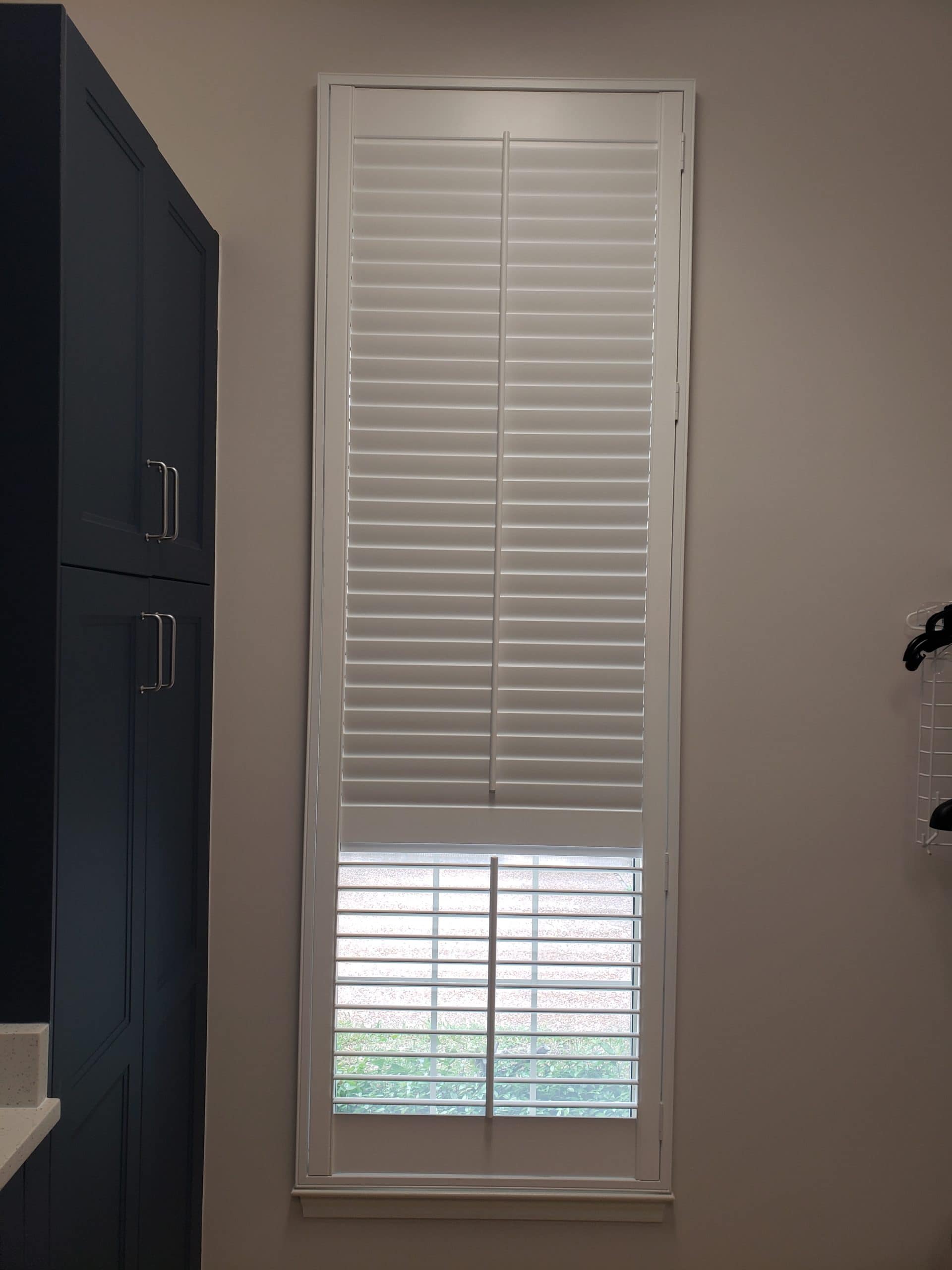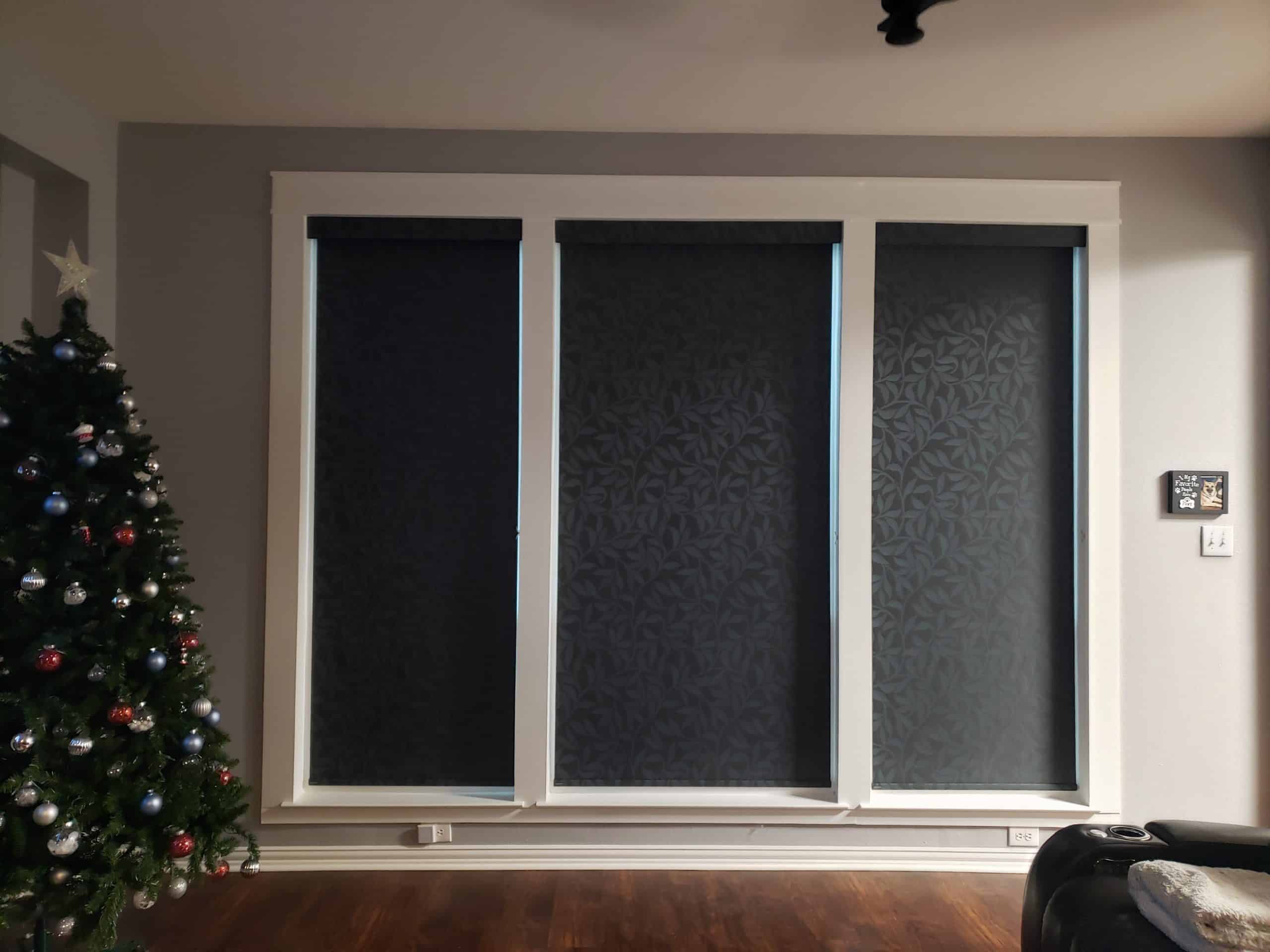
Texas heat is relentless. Learn how motorized solar shades help Tarrant County homeowners cut cooling costs and take back their comfort — automatically.
Share:

If you’ve lived in Tarrant County through a full summer, you already know what happens to a west-facing room around 3 PM. The sun hammers in, the A/C struggles to keep up, and you end up closing off rooms you’d rather be using. That’s not a comfort preference — it’s a real problem. Motorized solar shades are built to solve exactly this. They block heat before it enters, filter out UV rays that fade your floors and furniture, and can be set to operate automatically — so the right windows are covered at the right time, every day, without you lifting a finger.
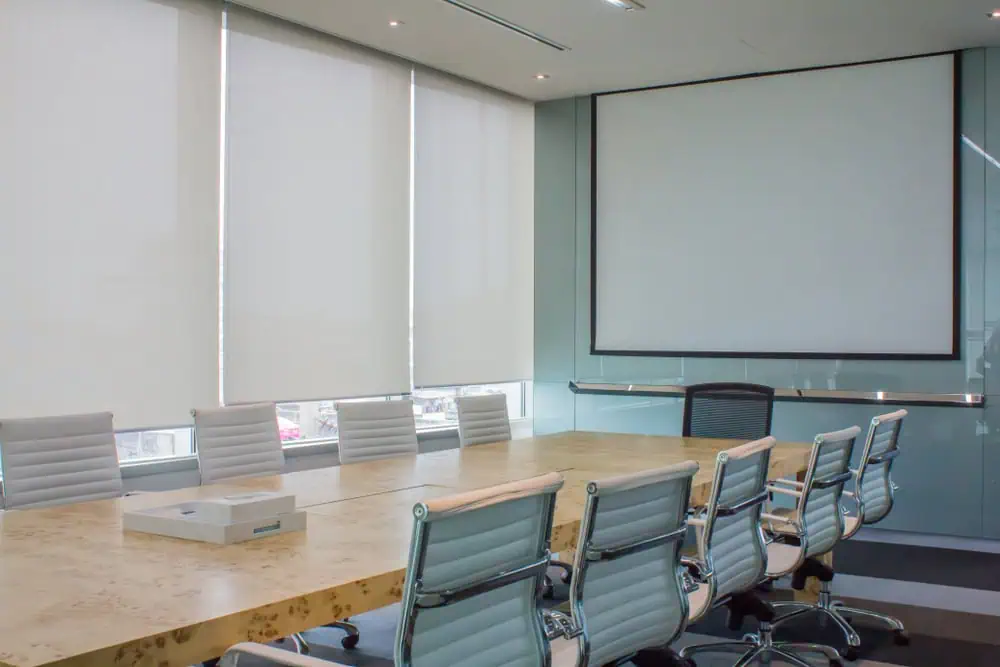
Solar shades are roller shades made from a mesh fabric that filters sunlight rather than blocking it entirely. The weave is tight enough to reduce heat gain and cut glare, but open enough to let in diffused natural light and preserve your view. The “motorized” part means a small motor inside the roller tube raises and lowers the shade — via remote, app, voice command, or an automated schedule.
What makes this combination powerful isn’t just the convenience. It’s that the system can respond to the sun’s movement throughout the day without anyone being home to manage it. For Tarrant County, which sees over 70 days above 90°F every year and runs air conditioning from April through October, that kind of passive efficiency adds up fast.

Openness factor is the single most important decision you’ll make when choosing a solar shade, and it’s the one most people don’t fully understand until after they’ve bought the wrong one. It refers to the percentage of the fabric that is open — meaning how much light and air passes through. A 1% openness fabric is very dense, blocking the most heat and UV but limiting your view. A 10% fabric is more transparent, preserving the view but offering less protection.
For south- and west-facing windows in Fort Worth and Arlington — the ones that catch the worst of the afternoon sun — a 1% to 3% openness is usually the right call. These windows are getting direct, intense sunlight for hours at a time, and a denser fabric makes a measurable difference in how hard your HVAC has to work. For north-facing windows or rooms where you want more natural light without much heat gain, a 5% to 10% fabric often makes more sense.
Here’s the misconception worth clearing up: lower openness does not mean a dark room. Solar shade fabric is engineered to diffuse light, not eliminate it. A 3% shade on a bright Texas afternoon still lets in plenty of soft, even light — it just cuts the glare and heat that make a room uncomfortable. The room looks better, actually, without the harsh contrast of direct sun cutting across the floor.
This is one of the main reasons an in-home consultation matters. The right openness factor depends on which direction your windows face, how the room is used, and how much view preservation matters to you. It’s not a decision that translates well from a product page — it needs to be assessed window by window.
Most motorized shade systems sold today advertise smart home compatibility, but that phrase covers a wide range of actual functionality. At the basic end, it means the shade comes with a remote. At the more capable end, it means the shade integrates with your existing Alexa, Google Home, or Apple HomeKit setup — responding to voice commands, appearing in your app alongside your thermostat and lights, and participating in automated routines.
The difference matters if you’re already invested in a smart home ecosystem. If you tell Alexa “good morning,” you might want your shades to rise automatically as part of that routine. If you leave for work, you might want west-facing shades to drop at 1 PM and raise again at 7 PM without any manual input. That level of integration is genuinely useful — not just a novelty — because it means the shades are doing their job even when you’re not home to manage them.
Where buyers run into trouble is purchasing a motorized shade system without confirming compatibility with their specific hub or platform. Not every motor works with every system, and some require an additional bridge device to connect properly. This is where professional installation earns its keep. Getting the hardware right from the start — motor, hub, app pairing, and routine setup — is a different skill set than simply mounting a shade bracket. It’s the difference between a shade that works with your home and one that works only with its own remote.
For homeowners in Southlake, Colleyville, Keller, and Mansfield where smart home pre-wiring is increasingly common, full integration is often the expectation from day one. We make sure the system you invest in actually connects to the ecosystem you already have.
One of the most practical questions buyers ask is how the motor gets its power — and the honest answer is that each option has a real use case, and the right choice depends on your home and your windows.
Hardwired systems connect directly to your home’s electrical system. They’re the most reliable long-term option and the cleanest aesthetically, with no visible battery pack. Battery-powered systems are the most common retrofit choice — no electrical work required, and installation is straightforward. Solar-powered systems use a small panel mounted near the window to keep a battery pack charged continuously.
Fort Worth averages around 229 sunny days per year. That’s more annual sunshine than Denver, more than Chicago, more than most of the country. For solar-powered motorized shades, that’s not just a climate fact — it’s a practical advantage. The same sun that’s driving up your energy bills is also keeping your shade motors charged without any electricity cost or manual recharging.
Battery-powered systems are a perfectly reasonable choice for most homes, but they do require attention. Depending on the system and how frequently the shades operate, you may be recharging every five to six weeks. That’s manageable for one or two windows, but in a home with multiple motorized shades, it becomes a recurring chore. Solar-powered systems eliminate that entirely for windows that receive regular daylight — which, in Tarrant County, is most of them.
Hardwired systems are the right answer for new construction or major renovation projects where the walls are already open and an electrician is on site. They’re also the best choice for whole-home automation setups where you want every shade on a unified, always-on system. The upfront cost is higher and the installation is more involved, but there’s no battery management, ever.
The decision isn’t complicated once someone walks through your home and looks at your actual windows. A north-facing window in a room you rarely use is a different situation than a bank of west-facing windows in your main living area. We assess each window individually and recommend the power source that makes the most sense — not the one that’s easiest to install.
This comes up a lot, and it’s a fair question. Motorized shade kits are available online, and for a single small window, a DIY installation is technically possible. But there are a few things worth knowing before you go that route.
First, manufacturer warranties on motorized systems are frequently voided by improper installation. These are not cheap products — a custom motorized solar shade for a standard window typically runs several hundred dollars, and larger or specialty windows cost more. If the motor is miscalibrated, the shade rolls unevenly, or the mounting hardware fails because it wasn’t right for the wall material, you’re looking at a repair or replacement that the warranty won’t cover.
Second, motor calibration is a skill. The motor needs to be set to stop at the exact right position — fully open and fully closed — for your specific shade dimensions. Get it wrong and the shade either doesn’t seal at the bottom (reducing its thermal performance) or strains the motor on every cycle, shortening its lifespan. This isn’t a one-time adjustment you can trial-and-error your way through on an expensive custom shade.
Third, smart home integration requires setup beyond mounting. Pairing the motor with the correct hub, configuring the app, and building automation routines takes familiarity with the systems involved. An installer who doesn’t know the difference between a Zigbee and a Z-Wave device will leave you with a motorized shade that only works with its included remote.
We bring a decade of construction experience to every installation — not just window treatment knowledge, but a genuine understanding of structural mounting, hardware selection for different wall and window frame types, and the patience to get the calibration right. Tarrant County homes range from historic bungalows in Fort Worth’s established neighborhoods to sprawling new builds in Burleson and Mansfield, and that range of experience matters.
Motorized solar shades are one of the more practical home upgrades you can make in this climate. The energy savings are real — cooling costs can drop by 7% to 30% depending on your window exposure — and the UV protection alone prevents the kind of slow, expensive damage to floors and furniture that most homeowners don’t notice until it’s already done.
The technology is straightforward once you understand the key decisions: openness factor, power source, and smart home compatibility. Each one depends on your specific home, your windows, and how you want the system to behave. That’s not something a product page can fully answer for you.
If you’re in Tarrant County and want to talk through what makes sense for your home, we offer free in-home consultations — no commitment, just a real conversation about your windows and what will actually work. Reach out and we’ll take it from there.
Article details:
Share:
Continue learning: